
Campus Civil Rights looks to grow Volunteer Advocate program
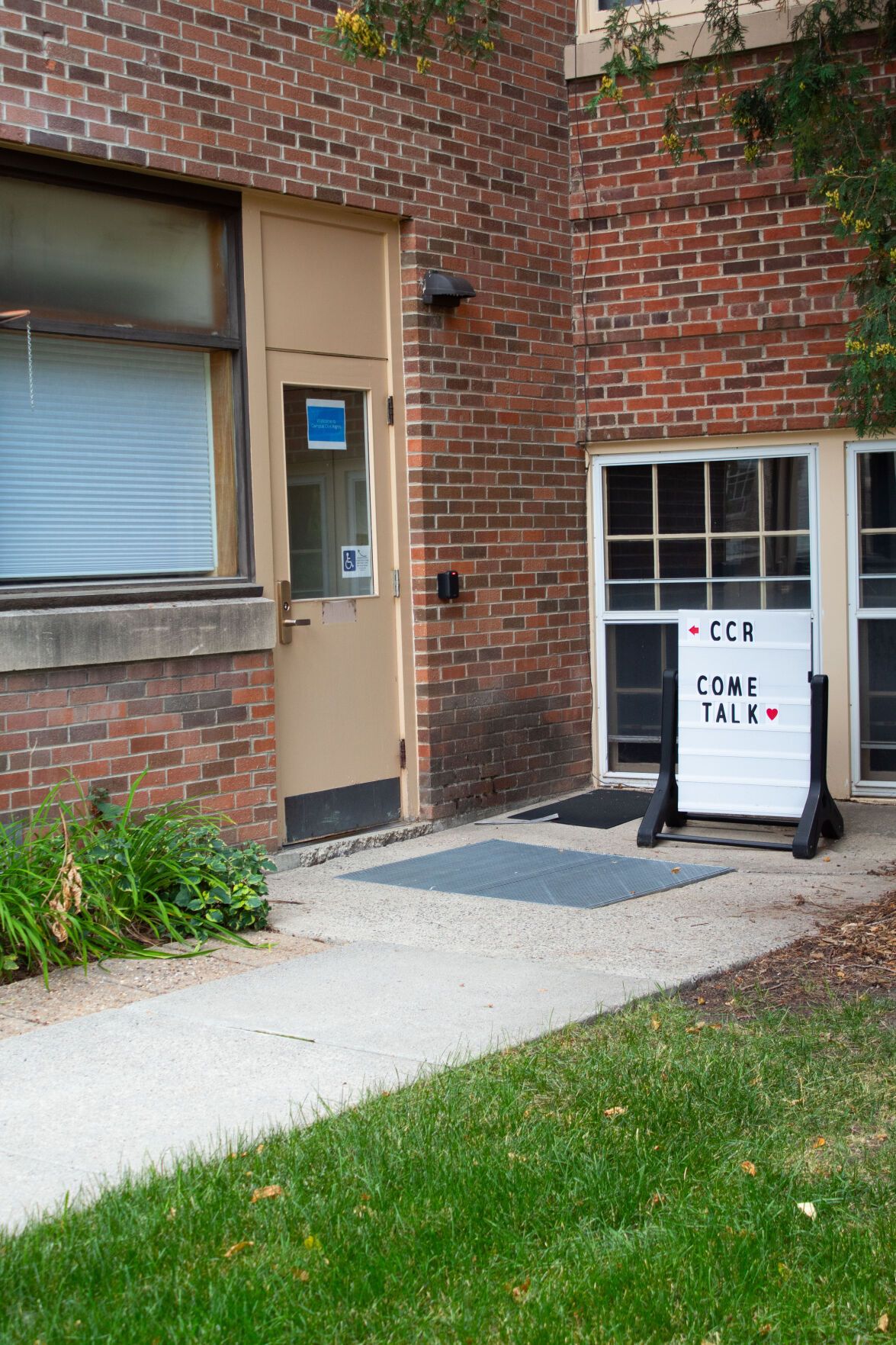
As MSU students settle into a new school year, the Campus Civil Rights (CCR) office is looking for volunteers to help Bobcats navigate issues on campus.
CCR was formed in 2024 by merging the VOICE Center and the Office of Institutional Equity. The office is responsible for addressing protected class discrimination and sexual harassment that hinder an individual’s safety or success at MSU, according to CCR’s website.
To provide increased support for students, CCR created a Volunteer Advocate program last year. The CCR website states that student volunteers are provided with training and education covering civil rights, Title IX, campus resources, advocacy, support and other related topics. The Volunteer Advocate program trains two types of volunteers: student resource advocates and peer educators.
“I want everybody to see themselves as an advocate,” said Madi Herman, CCR’s training and development coordinator. “I think that’s why we have variety in recruitment and opportunities. I want people to be able to see themselves and know that they can make a difference on campus, no matter their major.”
Per the CCR’s Advocate application, student resource advocates are expected to be available for students who have experienced any type of discrimination, harassment, retaliation or interpersonal violence. Advocates are also responsible for answering questions about campus resources and making referrals to connect students with additional campus resources, according to the application.
“Student advocates are the ones who offer direct support. They’re really just on the front line when people are walking in, they are meeting with advocates,” Herman said.
Becoming a peer educator is the second volunteer option. “Essentially, they're the ones helping with a lot of the violence prevention efforts,” Herman said. According to her, peer educators are also trained to present in front of groups of people, while student resource advocates work on a more one-on-one basis.
For those interested in a more intensive role, an additional position is available at CCR. “I started out as a student advocate for one semester, and this summer they hired me on as staff,” said student Abi Barrett. “I really thought it would be a good way for me to get my ideas out there and I wanted them heard, so I thought the best way to do that was as a student staff member.”
According to Herman, student staff are paid members of the CCR team who work in an expanded student advocate role.
“The job is like a bridge between advocates and professional CCR staff. We also take on longer shifts in the office and help organize events,” Barrett said.
According to Barrett, the office is preparing for the period known as the red zone — a statistical time of elevated risk for students that lasts from move-in until Thanksgiving break — by increasing outreach and scheduling events.
“The fall semester is a time of fresh independence, and there is a general lack of skills in students that ultimately creates the red zone,” Herman said.
“We have been doing a lot of work recently, trying to connect with students so they know the resources here and so they know that we’re an opportunity for them to get involved,” Barrett said.
“Because of the relative newness of the CCR office, our volunteer recruitment efforts have mostly been through referrals from the old advocacy offices and word of mouth,” Herman said.
According to her, CCR is trying new recruitment approaches such as tabling in front of Montana Hall and utilizing existing student advocate connections to advertise the volunteer opportunities peer-to-peer.
Both Barrett and Herman pointed to the CCR social media as a resource for keeping up with the office’s upcoming activities. “We want students to know this isn’t some big, scary place. I want everyone to see themselves as an advocate,” Herman said.
Additionally, CCR offers workshops to educate students interested in volunteering, including training sessions on topics such as affirmative consent, positive team dynamics, bystander intervention and combating workplace discrimination, according to its website.
“My big dream for CCR is seeing everyone involved in some capacity,” Herman said. “For some, that looks like volunteering, but every action we take makes a difference.”
For those interested in joining CCR’s Volunteer Advocate program, applications close on Sept. 28 at 6 p.m.
To learn more about CCR, visit https://www.montana.edu/civilrights/index.html.


Comments ()