
Cats lock heads with the Grizzlies in the annual Red Cross Blood Battle
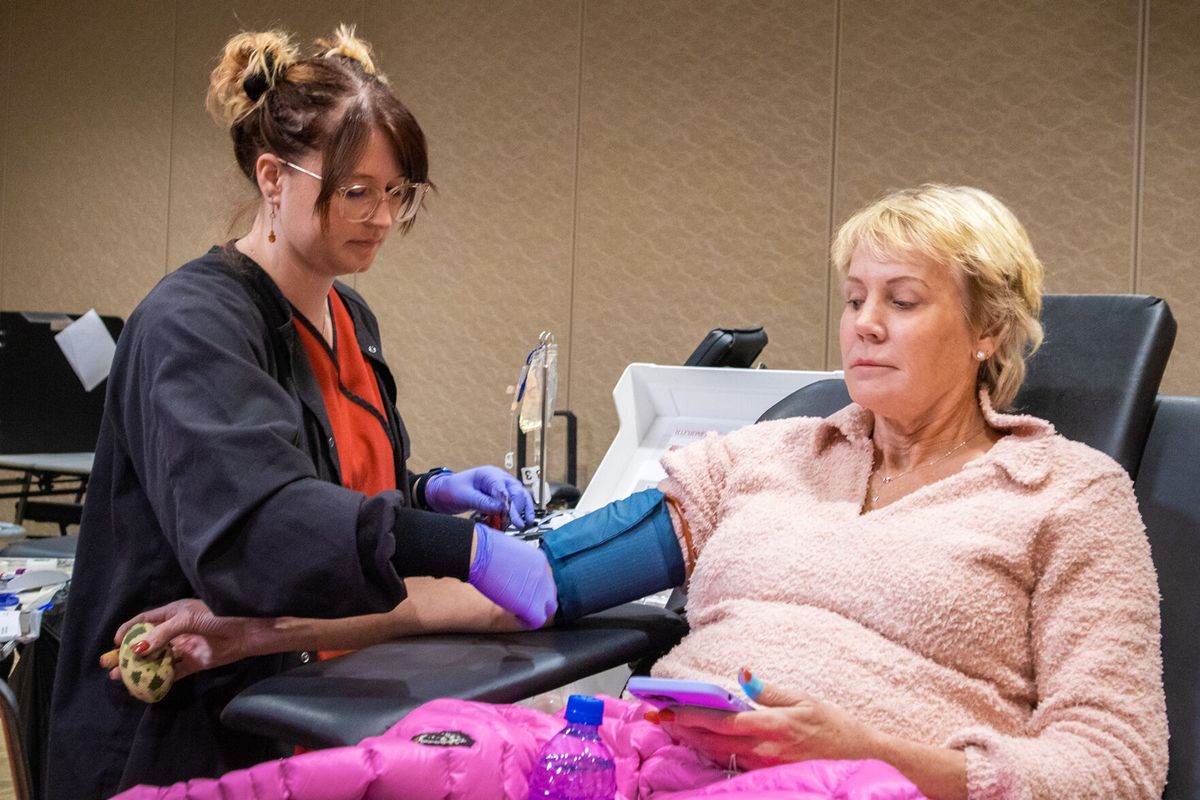
The MSU Cats and UM Griz are carving the boundaries of Montana’s famous football rivalry far beyond the turf of Bobcat Stadium – in blood. As competitions between the universities and their fans amp up around the state ahead of the Saturday game, the annual Cat-Griz Blood Battle is once again pitting fans against each other to see which school can donate the most lifesaving blood to Montana’s Red Cross.
Last year, UM won the Red Cross Blood Battle with 157 units of blood. MSU donated 153 units, but the results of this drive should make both sides equally proud.
Matthew Oschner, the Regional Communications Director for the American Red Cross
explained why giving blood is so important.
“Every two seconds somebody needs lifesaving blood,” Ochsner said. “And they depend on that lifesaving blood being on hospital shelves.”
That blood comes from the “generosity of donors raising their hand and rolling up their sleeve and giving the gift of life,” he said. According to Ochsner, 44,000 units of blood are collected in Montana each year, and they are distributed to over thirty hospitals and medical centers in the state.
“When people donate at MSU, the blood gets sent back to Great Falls to be tested and processed, and then sent back out the door to Montana hospitals, depending on where the need is,” Ochsner said.
This year’s Cat-Griz blood battle featured four opportunities for Bobcats to donate: Nov. 8, Nov. 9, Nov 10, and Nov. 15.
The Thursday, Nov. 10, event was hosted by the Red Cross in partnership with the Air Force ROTC. Air Force ROTC members helped with set up, welcoming donors at the door and take-down after the event.
“This event helps show that ROTC isn’t just people wearing uniforms, it’s more about helping the community, and we’re trying to focus more on that this year to really embody service before self,” said Jacob Halligan, a member of the Air Force ROTC who was involved with organizing Thursday’s drive.
“It only hurts for a second,” Halligan said. “If you get scared about needles just don’t look.”
The Red Cross makes the process even easier by keeping donors informed every step of the way. “You’ll go through the whole pre-donor walkthrough of what’s actually happening and all that…they explain everything and they’re super nice about it,” said Halligan.
Ochsner elaborated on how the short and simple process makes a big impact. “A blood donation takes less than an hour from start to finish, and a single donation will save at least one life,” he said.
Donors can also find out where their blood was sent. “After you donate blood, on our website or app you can get a notification about where your blood ended up. You know that an hour of your time is helping someone else out in Montana,” said Ochsner.
But you don’t have to be a part of the Air Force ROTC program or have to give blood to get involved. “They’re always looking for help,” said Halligan.
Ochsner explained that the Red Cross is made up of 90% volunteers. And there are more ways to help beyond donating blood. Ochsner said one way people who can’t give blood can help is by becoming a blood donor ambassador.
“Blood donor ambassadors welcome donors, help them schedule their next appointments, give refreshments after a donation and ensure donors have a good experience. It’s a really important job,” said Ochsner.
“We love when first-time donors come through the door. College and university drives are just great, it’s a great opportunity to connect with young people and hopefully turn a first-time donor into a lifetime donor,” he said.

Comments ()