
Change to Montana child care subsidy caught in crosshairs of fiscal conservatives
In a lengthy House floor debate that veered into impassioned commentary about free markets and the appropriate role of the government, Montana lawmakers decided against expanding the state’s existing child care subsidy program on Friday.
Making child care more affordable is "pro-business," supporters said, because it helps the tens of thousands of adults who say they either don’t work or do so part-time because it’s cheaper to forego their job and watch their kids at home.
Those who voted against the ambitious $17 million-a-year plan conceded that child care availability has an economic impact. However, House Bill 457’s proposal to make more people eligible for Best Beginnings — which uses government dollars to cover a portion of child care costs for low-income families — was a step way too far in their eyes.
“It’s raining fiscal notes,” said House Majority Leader Republican Steve Fitzpatrick, R-Great Falls. “We have to stop spending. We do not have an unlimited pot of money.”
HB 457 would have allowed families who make up to 85% of the state median income, or about $68,000 a year for a family of three, to access the financial benefit. Under current Best Beginnings guidelines, that same family could make no more than $47,700, or 185% of the federal poverty level.
It was voted down on the House floor Friday by a vote of 44-55. Three Republicans — Reps. George Nikolakakos, Russ Miner and Valerie Moore — joined all Democrats present to support the proposal.
“I'm really disappointed that most of the Republicans won't invest in child care at the scale needed to address the problem facing so many constituents," said bill sponsor Rep. Jonathan Karlen, D-Missoula.
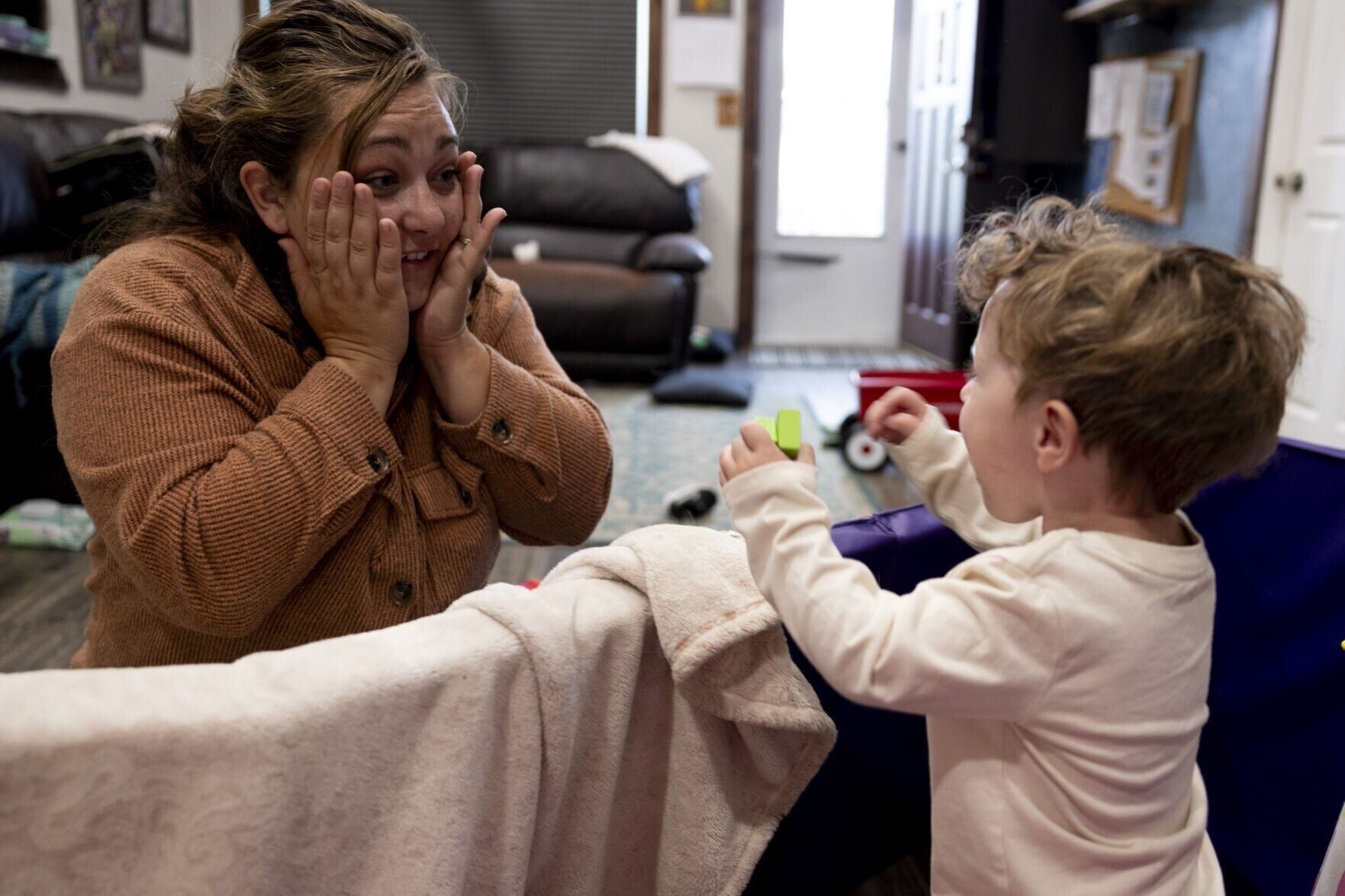
On the House floor, Karlen characterized Best Beginnings as a “cost-sharing” approach to reducing costs in a state where the average parent pays more for child care — $11,700 per year at a center, or $9,100 in a home-based option — than they would for in-state tuition at Montana State University.
“They are still paying for child care,” Karlen said. “They’re just not paying as much.”
Best Beginnings caps out-of-pocket child care expenses at 9% of a family’s total income. How much they pay exactly is based on a sliding scale. Right now, many who would have been eligible under HB 457 spend up to 27% of their monthly earnings on child care.
The government covers the costs of a Best Beginnings student directly, giving licensed providers the money rather than going through the family. Facility owners say the arrangement allows them to count on a surefire income source rather than hounding families to pay their bills.
Part of why child care is so expensive in Montana is the basic economic principle of supply versus demand; there are more young children who need care than there are spots at licensed providers. Most counties in the state are classified as “child care deserts” by the Montana Department of Labor and Industry.
Adding more providers is no simple feat, partly due to the lack of child care workers, according to DLI. Wages are low — the 2022 median in Montana was $12.73 per hour or $26,480 per year — and burnout is widely reported.
Another Best Beginnings bill clears initial vote
House Bill 456, also from Karlen, would make all child care workers automatically eligible for Best Beginnings. Some child care providers offer free care to the children of their workers, but doing so gives up a coveted licensed spot and doesn’t bring in income.
At a price of $5.5 million, HB 456 would give child care workers earning low wages some financial breathing room so they can stay in the industry, Karlen said.
The bill passed a preliminary vote in the House Tuesday 61-38.
Grace Decker from the Montana Advocates for Children, a statewide coalition of child care and early education providers, called HB 456 a “game changer” for recruitment and retention.
“It’s a smart and targeted policy and a good investment,” she said.
Together, the two bills would have cost about $44 million over the next two years, a sum that made lawmakers bristle and contributed to the downfall of the larger proposal.
More fiscally conservative House members also pointed to the Legislature’s expansion of Best Beginnings eligibility in the 2023 session as a sign of a slippery slope. They suggested more businesses could offer child care as a way to attract employees, and cautioned against the government — and by extension, taxpayers — doing what the free market should figure out for itself.
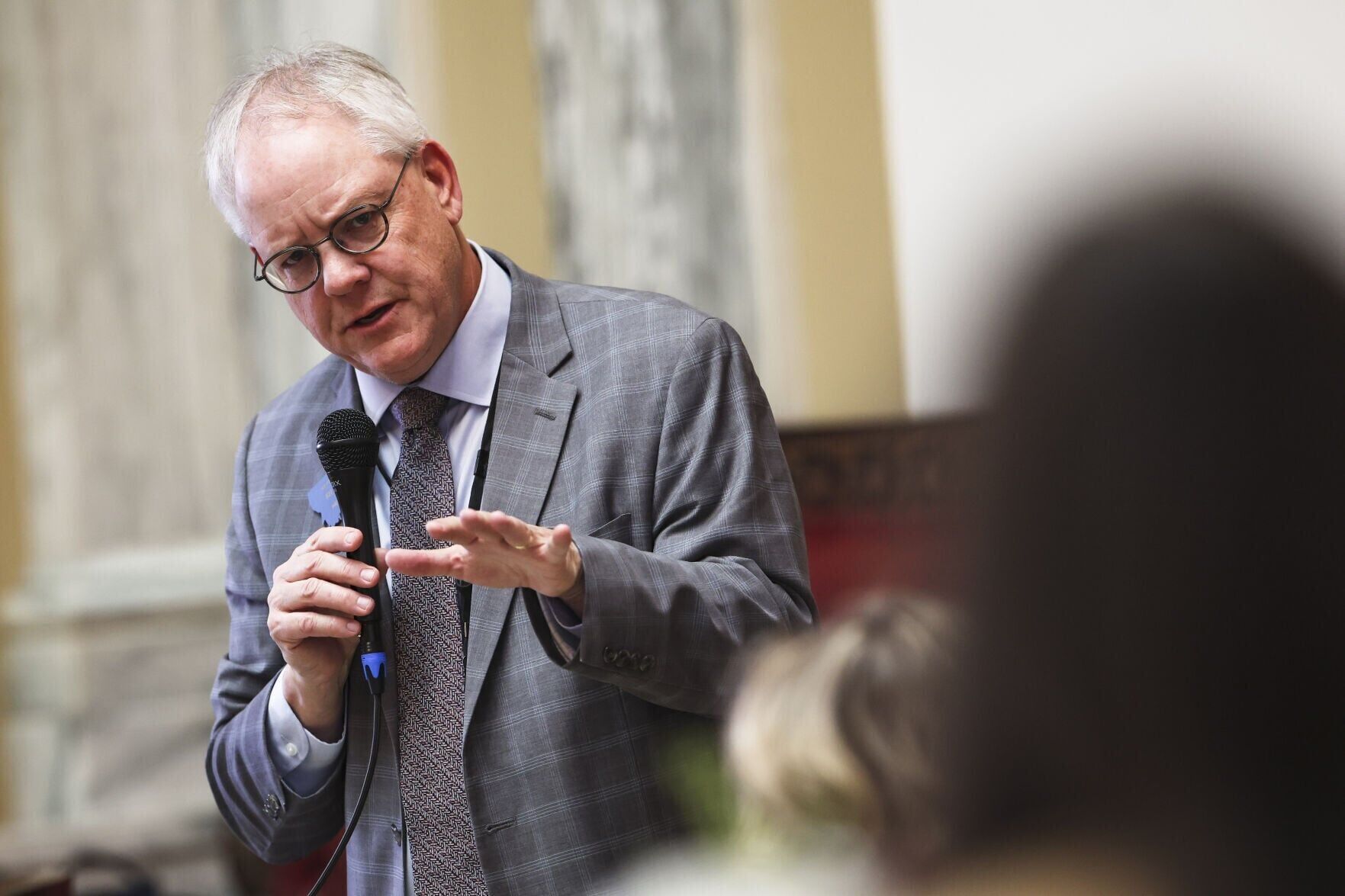
“The fundamental question is are we going to let the market work, or are we going to say, no, the taxpayers of the state of Montana have the obligation to provide this,” said Rep. Bill Mercer, R-Billings. “I guarantee you, if you’re back next time, there will be another attempt, and it will be a bigger number and two years later, it will be a bigger number.”
Friday's House floor debates took place against the backdrop of ongoing budget negotiations between members of the Legislature and the executive branch. Republican Gov. Greg Gianforte’s proposed operating budget tops $16 billion over the next two years.
"This was a major opportunity to make Montanans' lives more affordable," House Minority Leader Katie Sullivan, D-Missoula, said in a statement. "House Republicans failed. Their 55 'no' votes show how out of touch they are with just how expensive it's become to raise a family in Montana."




Comments ()