
Construction plans, design secrecy raise concerns over Fort Missoula Forest Service project
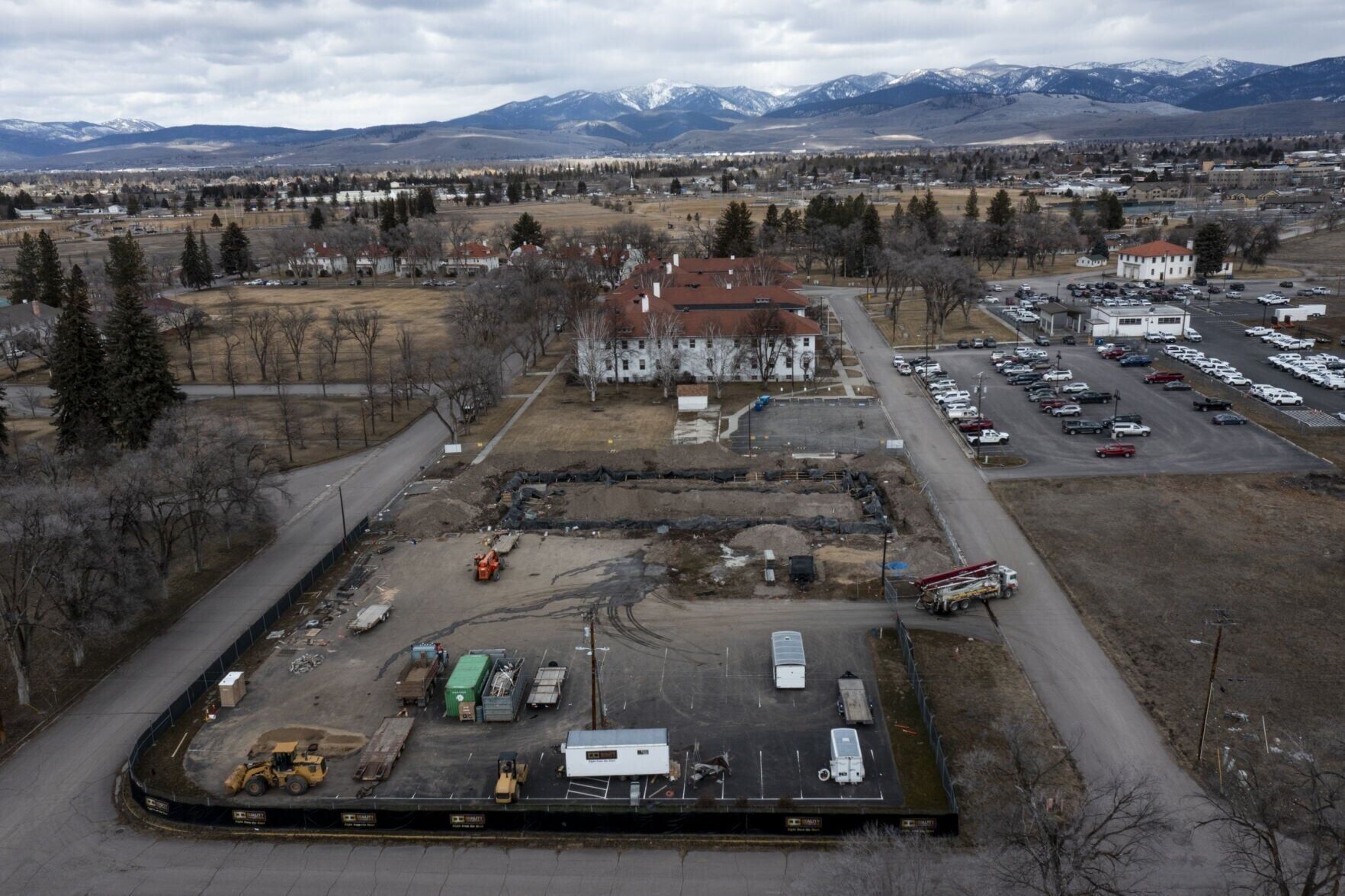
The U.S. Forest Service broke ground on a new vehicle storage building within the Fort Missoula Historic District in February, which some argue skirted historic building regulations.
The new building replaces a World War II-era building that the federal agency demolished in December using a limited public engagement process, while also sharing no information on the replacement building design.
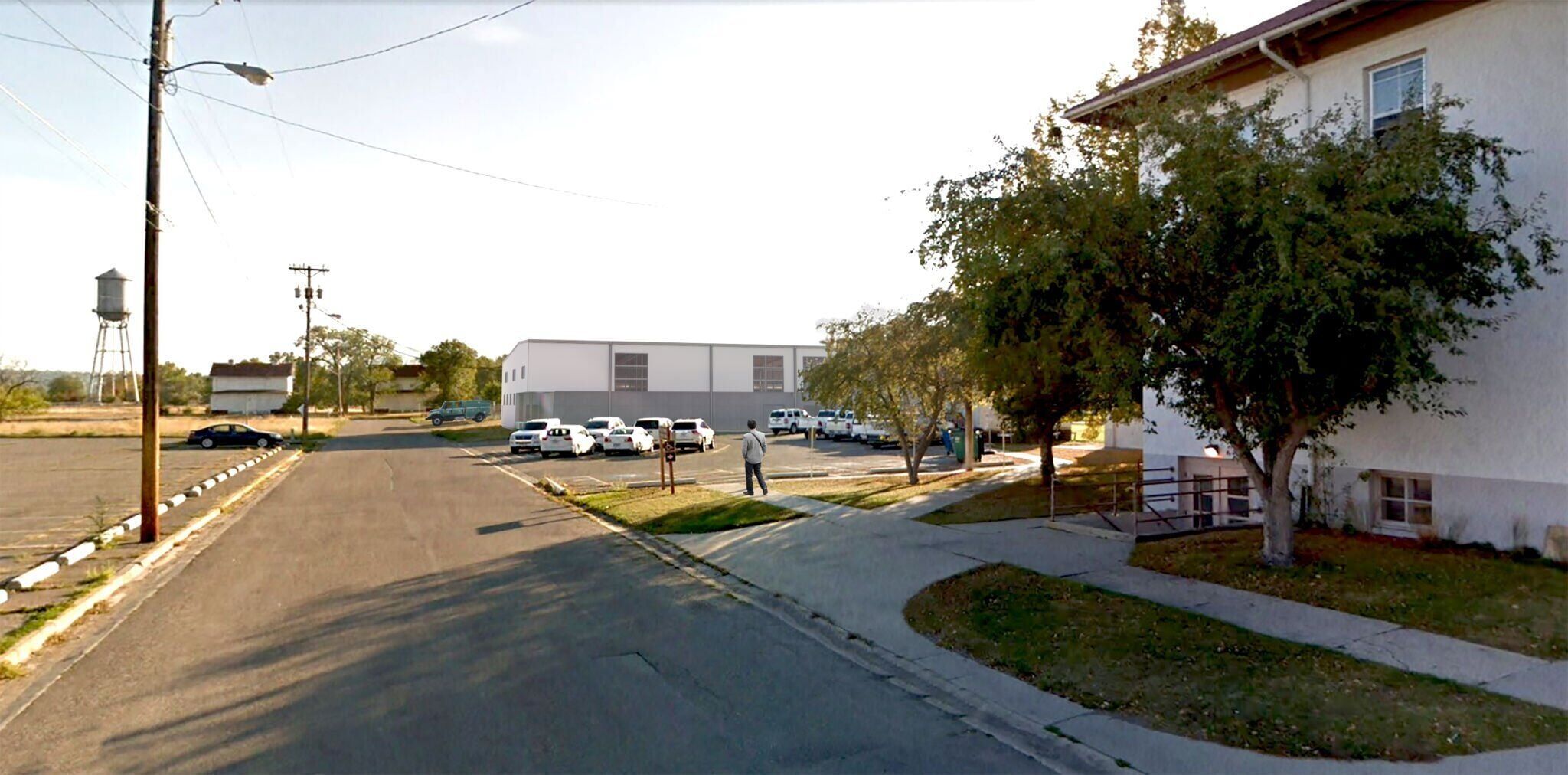
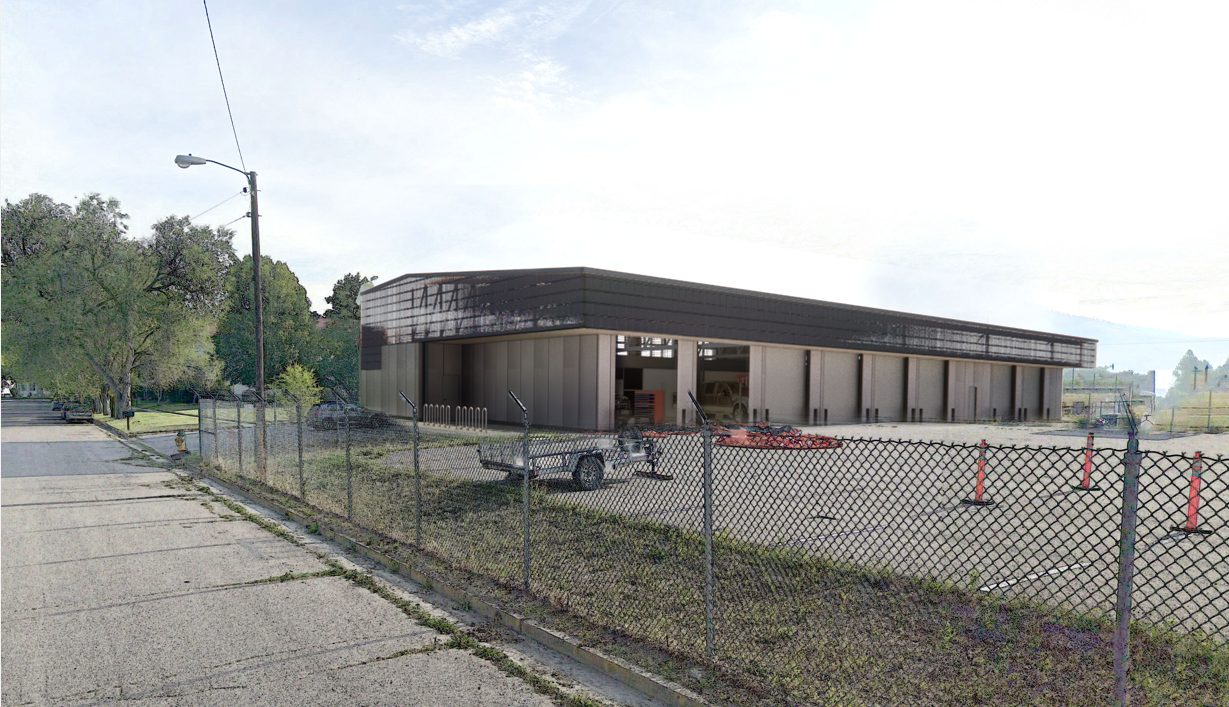
The façade appears to be all metal siding with several garage doors, according to renderings obtained by the Missoulian. The new building is expected to include vehicle storage, firefighting operational space, shop space, locker rooms and bathroom facilities.
"The entirety of the building massing and current footprint would remain the same unless adjustments were needed to meet program requirements," acting Missoula District Ranger Shaun O'Connor said in a 2025 decision memo.
O'Conner's decision said the renovation will consider historic qualities of the Fort Missoula Historic District for the reconstruction and design process, but did not include any specific requirements for the new building.
Two local historians told the Missoulian they worry the new building will damage the historic character of the area, as the Forest Service did not consult fort historians on the design or materials used during construction.
"I have seen the plans for the new building at the fort and I can state in my professional opinion this will have an adverse effect on the historic district," said Dan Hall, a Missoula historian who wrote the most recent update to the fort's historic district application. "The new construction is an egregious affront to the fort's historic landscape."
Meanwhile, state and local historic preservation officers said they have yet to see details on the new building.
Outstanding questions over area history
The new construction replaces an old gymnasium converted into storage that the Forest Service demolished at the end of 2025.
The old building, which the Forest Service said had fallen into disrepair and was condemned because of a roof failure and use of asbestos, was previously used for storage, laboratory and office space.
The space was listed as a contributing building to the Fort Missoula Historic District. In 2025, the Forest Service asked the state historic preservation office to reconsider the historic status.
In research, state and federal historic preservation officers discovered inconsistencies on when the building was originally constructed, the Missoulian reported. Best estimates from officials range from 1944 to 1947.
Ultimately, the state historic preservation office ruled the building did not contribute to the fort's history and could be demolished without a larger regulatory process.
No public meeting was held over the new construction, but a request for comments was done on Jan. 14, 2025, according to the decision memo, which noted that the Forest Service received two public comments related to the construction, one in support and one opposed.
A categorical exclusion was used by the Forest Service for the project - a federal process that is used when officials determine there are no individual or cumulative effects on the human environment.
The memo also confirmed no environmental impact statement was done for the project, but employed some "heritage resource protection" measures, like documenting the old building and retaining some of the original windows.
The new construction sits within the heart of the location of the Fort Missoula internment camp, where thousands of Japanese and Italian nationals were detained during World War II.
Fort Missoula is often referred to as the largest intact World War II internment site, as the entire fort was adapted to serve the camp. In 2024, the University of Montana closed several acres to vehicles to preserve the landscape.
Kevin Farmer, a spokesperson for Lolo National Forest, told the Missoulian that since the Forest Service is building within the previous structure's footprint, it "likely" limits any impact to cultural resources.
"Although archaeological monitoring was not required, a Forest Service archaeologist provided intermittent monitoring during demolition," Farmer said in an email. "No additional cultural resources were identified during building demolition."
Local governments, historians left out
Besides the federal government, it remains unclear whether any local government agency or historic preservation group reviewed the new building plans before the Forest Service broke ground in February.
City Historic Preservation Officer Elizabeth Johnson told the Missoulian the city did not receive any information related to the project. That being said, the Forest Service does not have to follow local zoning rules, Johnson noted.
Samantha McGowen, a review and compliance officer for the State Historic Preservation Office, said the agency had preliminary discussions about the new construction, but the state has yet to review the proposal.
She told the Missoulian in an email that the proposal was recently submitted to the state by the Forest Service, but her office has not had time to review the plans.
While the state office can recommend certain actions, McGowen said the federal government has no obligation to make any changes to its proposal.
She said anytime a new building is constructed in a historic district, there is a chance it creates a negative impact for the historic nature of the area, especially depending on the design or location of the structure.
"All of these considerations play a part in determining the level of impact a new building could have," McGowan said. "That being said, I can't comment on this specific new construction as I have not reviewed it yet."
Heather Lynch, the executive director of the Northern Rockies Heritage Center, which owns several fort buildings to the northwest, said she has yet to see a design for the new building.
While her nonprofit and other private landowners at the fort must comply with the city's zoning overlay for the historic district, which requires the use of certain building materials and public engagement, the Forest Service did not have to follow the same protocol.
"We are all frustrated that the Forest Service does not have to follow the same process as everyone else," Lynch said in a recent phone call.
Hall, a historic preservationist at the Fort, told the Missoulian that he has never seen a lack of public process like this before. He said he was one of two people to comment on the Forest Service's plans.
Hall said generally, the public would have the chance to review new construction plans. He argued that the Forest Service is not following enough federal historic regulations for the new building.
"There has been a real issue of transparency from the Forest Service from the beginning," Hall said. "There is a definite lack of accountability and there is a definite lack of responsibility under federal preservation laws."
He also claimed the reconstruction process is a part of a larger plan to relocate the forest Service's firefighting operations from other areas in Missoula to the fort.
The Forest Service currently operates a motor pool on 14 acres within Missoula, which also serves the Forest Service historic preservation team and originally served as an operational hub for the Missoula trolley system.
Hall said while the Forest Service has not sought feedback for the building itself, he argued historians could still help mesh the new building into the historic district with exterior vegetation.
Without additional changes, he worried that the new building could bar historians from submitting the district as a National Historic Landmark, which provides additional historic protections.
"The fort's historic landscape includes the broad curved streets, the sidewalks, the decorative plants and boulevard trees and so much more," Hall said. "The Forest Service just plunked down a hideous affront to the historic landscape and thumbed their nose at the historic district."


Comments ()