
Data center or not, Silver Lake water system a gem for Butte-Silver Bow County
On a professional level, there’s nothing more important to Jim Keenan than water in Butte-Silver Bow County.
His job, big picture, is ensuring residents in Butte-Silver Bow have clean drinking water to live on and Butte’s biggest plants and mining ventures have the industrial water they need to operate and keep people employed.
Concerns about both have been raised as a company’s hopes of building and operating a sprawling data center at the Montana Connections Business Park just west of urban Butte have unfolded and intensified.
Data centers need massive amounts of electricity to operate and some can be water guzzlers, too, using enormous amounts for cooling systems that keep servers from overheating.
Some citizens and watchdog groups are worried that the planned Sabey data center will siphon too much water from Butte-Silver Bow’s supply of a finite, nonrenewable resource.
But Keenan, based on water supply and an outside analysis of Sabey’s usage plans, is not worried.
Butte-Silver Bow has owned Silver Lake and a network of reservoirs, streams and diversions since the late-1990s. It provides industrial water for Montana Resources and a variety of industrial facilities in the business park.
If Sabey’s usage estimates hold up, Keenan says, the supply certainly will as well.
“The message is that there’s a lot more capacity to this system than we’re even close to using,” Keenan said recently as he and Public Works Director Mark Neary gave The Montana Standard a tour of the system.
Neary said the Silver Lake system is "like a diamond in the rough, especailly for our industrial users, and it's under-utilized right now."
And there’s a lot more to the system, including some widely held misconceptions, than a lot of people realize.
If Keenan was worried, he says he’d tell you.
He has spent 16 years tending to water in Butte-Silver Bow County and is now the county’s water treatment superintendent. But his title could easily be “water guru” because he knows and keeps eyes on every facet of water here.
“Jim is incredibly knowledgeable about all of our water systems, and I can assure you nobody cares more about water,” J.P. Gallagher, Butte-Silver Bow’s chief executive, told The Standard last week.
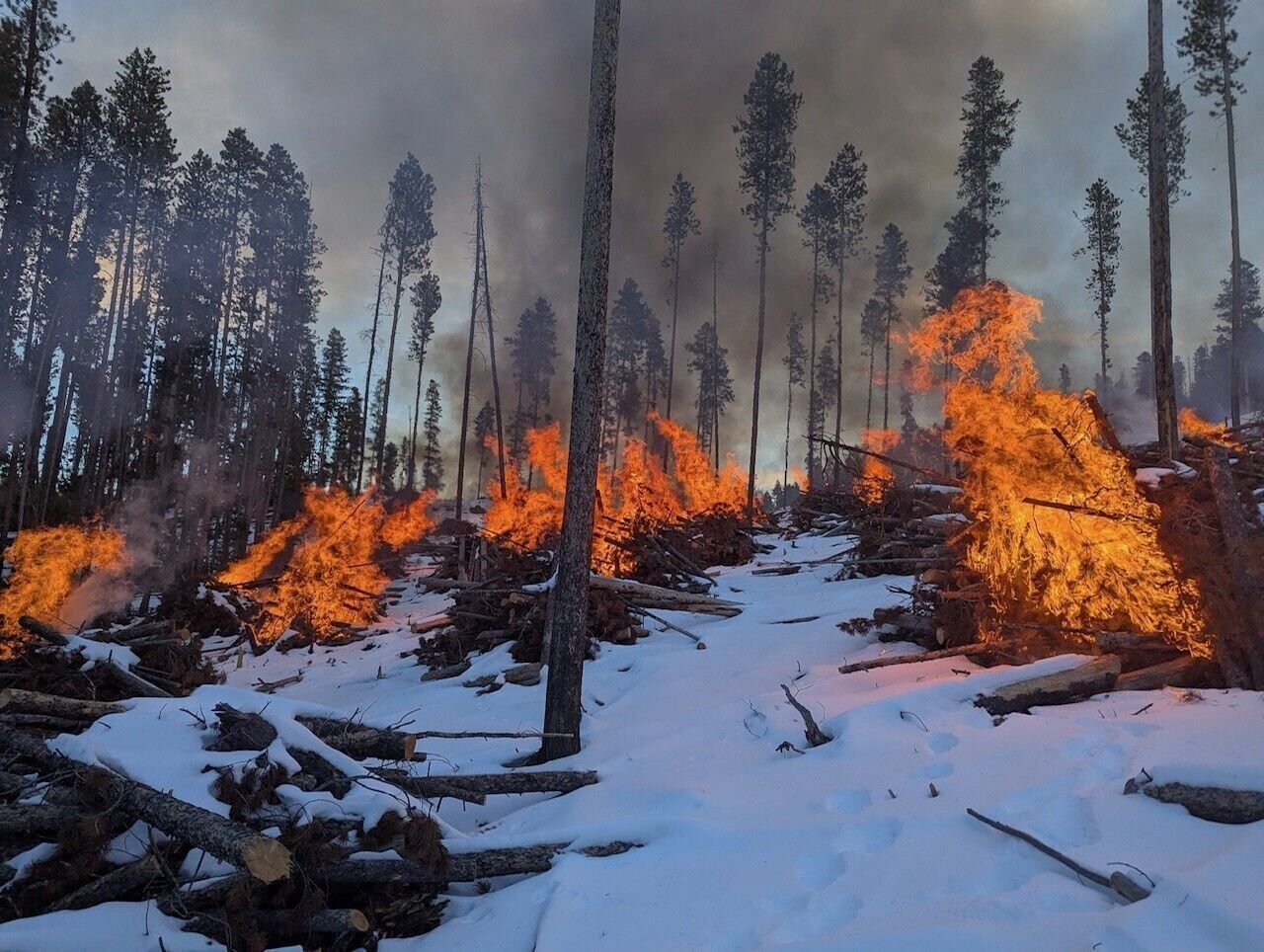
It was Keenan and a few colleagues who raised heightened concerns in 2021 about all the deadwood in forests surrounding Basin Creek Reservoir and the added wildfire dangers they posed to Butte’s largest and most cost-efficient source of drinking water.
Keenan showed Gallagher what he was talking about and they turned those concerns into a local, state and federal operation to clear deadwood remnants of trees killed by pine beetles from the Basin Creek watershed. The effort is ongoing.
How we got here
Butte-Silver Bow is blessed on both sides of the water front — drinking water (also referred to as potable water) and untreated water largely for industries.
The county gets its drinking water from the Basin Creek Reservoir, Moulton Reservoir and the Big Hole River. Basin Creek is its largest source, but with two others, amounts from each one can be adjusted.
The Silver Lake system is more than just the lake 20 miles west of Anaconda in Deer Lodge County.
The lake was a shallow water body tucked in timbers until the 1890s, when mining ventures damned it to support area operations.
“Silver Lake really doesn’t have a natural inlet or outlet — it sits on a divide between the Flint Creek drainage and the Warm Springs Creek drainage,” Keenan said.
Mining operators diverted tributaries of Warm Springs Creek to Silver Lake, and in 1918, the Anaconda Co. expanded one dam and built another to increase Silver Lake’s capacity.
The system could provide up to 60 million of gallons of water a day to the Washoe Smelter just outside Anaconda. Pipelines fed Silver Lake water to Warm Springs Creek and then to the smelter 20 miles away. The pipeline was extended another 23 miles to Butte in 1967.
Dennis Washington came to own the Silver Lake system and potable water system in Butte but it was in such disrepair, Sister Mary Jo McDonald filed a class-action lawsuit against Washington and the Butte Water Co. in 1990.
As part of a settlement reached in 1996, Butte-Silver Bow took possession of both systems, and it owns and operates them today.
“Butte-Silver Bow has put a lot of money into the system since then and there’s been three water treatment plants and hundreds of thousands of feet of water main replaced in the (drinking water) distribution system,” Keenan said.
With the Silver Lake system, Butte-Silver Bow and its residents gained a huge supply of water it has used to support industries in the business park, the Copper Mountain Sports Complex, Montana Resources and the Dave Gates generating station.
It’s a gem for Butte-Silver Bow.
“If you think about it, and I have thought about it, if a city like Butte wanted to build a system like the Silver Lake Water System to have for economic development, I don’t know what that would cost — probably hundreds of millions of dollars,” Keenan said.
How it works
A lot of Butte residents know the county owns Silver Lake and gets industrial water from it, but that alone is a misunderstanding.
“I probably thought this myself until I came on with Butte-Silver Bow, but most of the water that we provide to industries doesn’t actually come from Silver Lake,” Keenan said. “We take it off of Warm Springs Creek into our pipeline.
“For many years, we’ve been able to meet all our industrial needs from direct flow rights in Warm Springs Creek,” Keenan said. “We can use our storage in Silver Lake and Storm Lake to supplement how much water is in Warm Springs Creek if there’s not enough for our users, but we haven’t had to do that in years.”
Not since the early 2000s, Keenan thinks, when Montana Resources was coming on line.
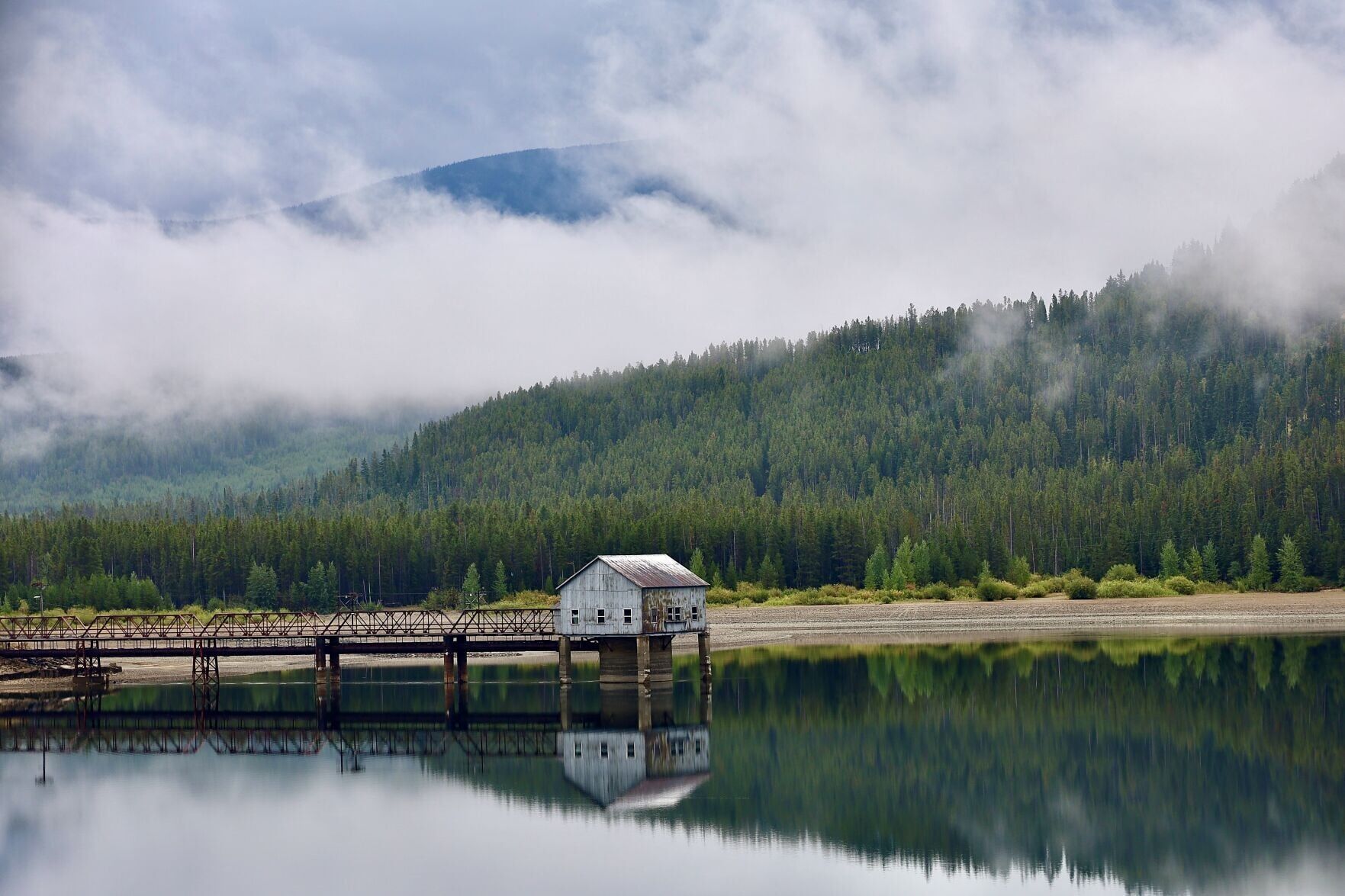
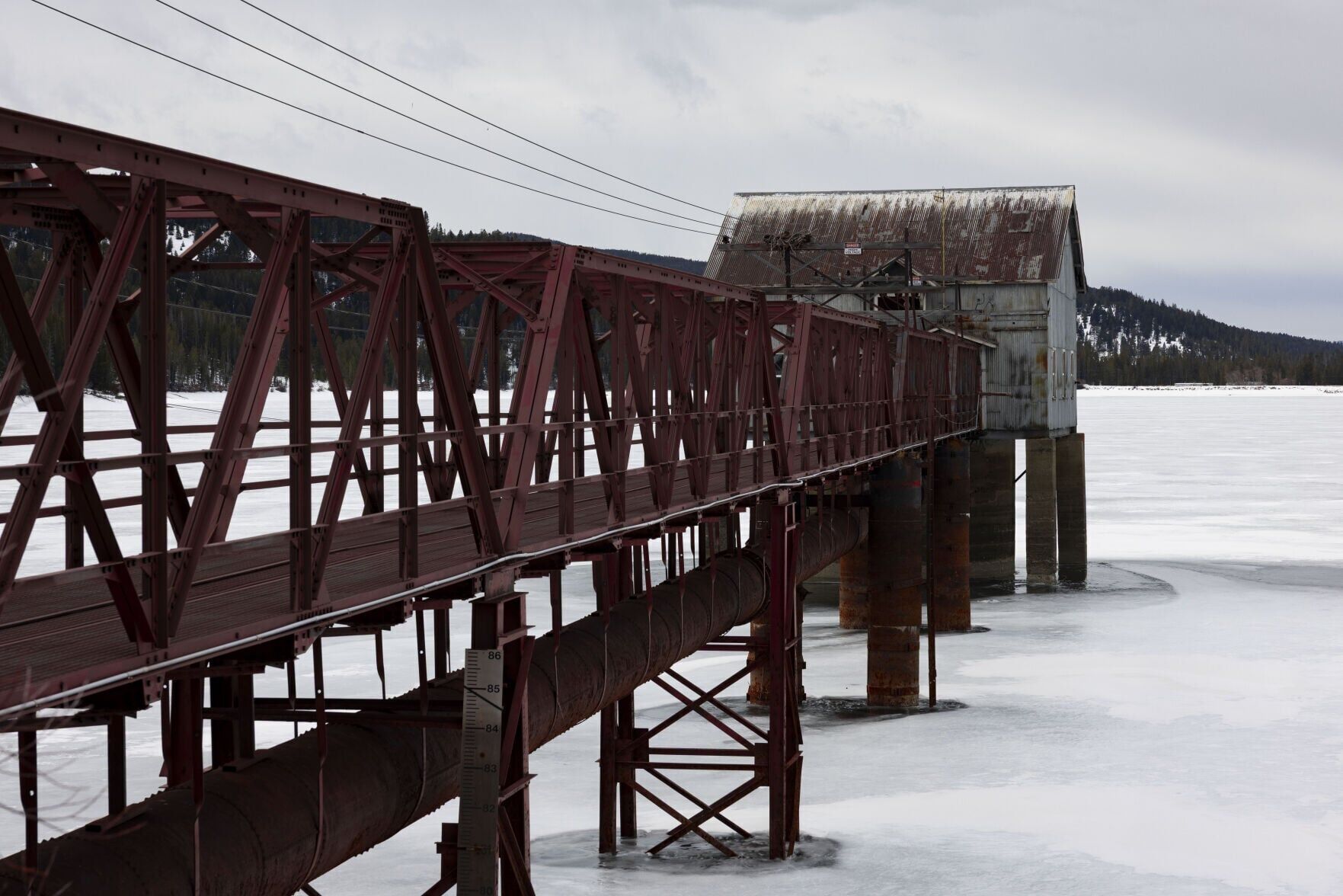
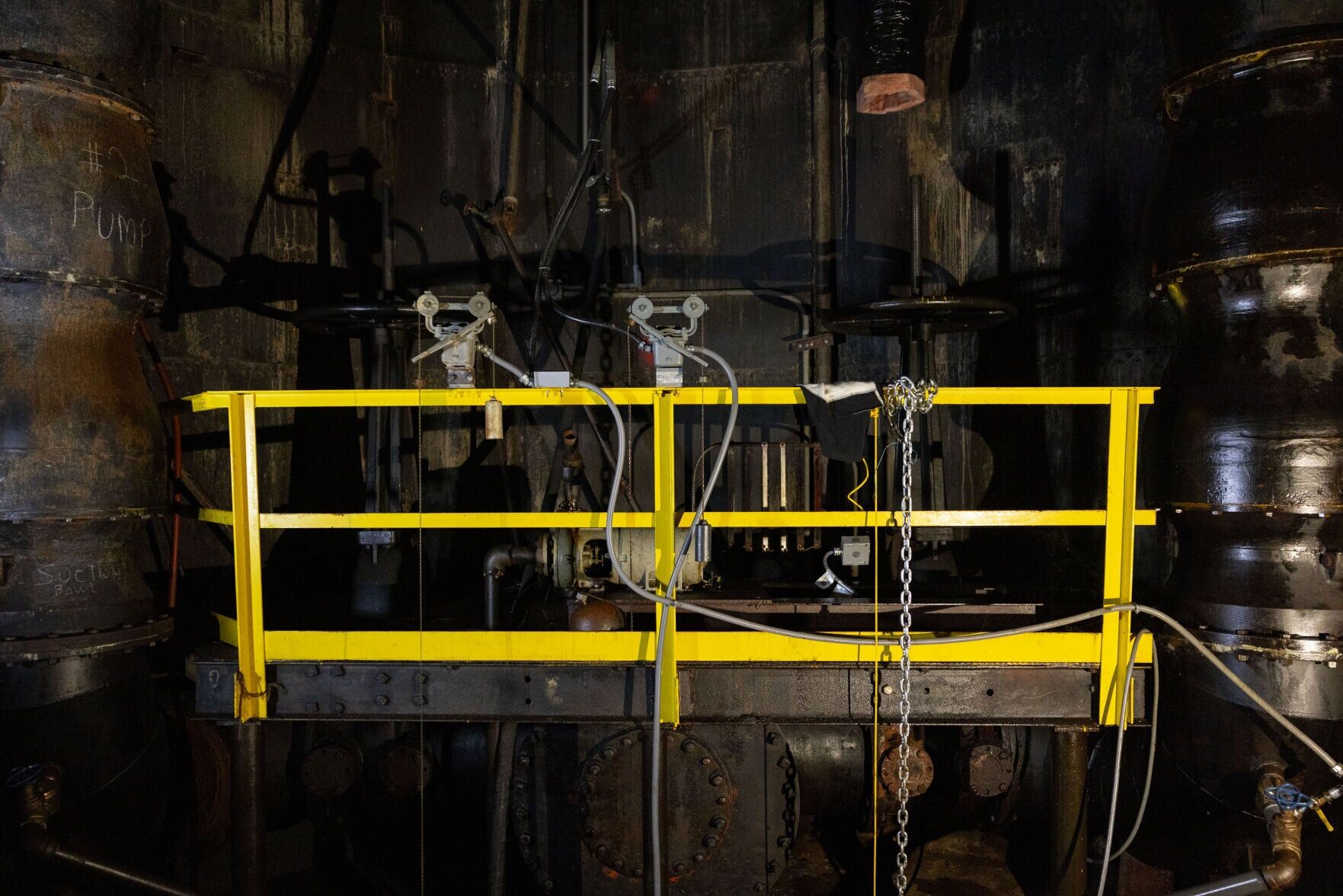
There is a pump station that sits out in the water at Silver Lake and it does get used, but in recent times, that’s mainly been to augment flow for trout in Warm Springs Creek during very dry seasons.
Through contracts with the state, there were significant releases in 2017, 2019, 2021 and 2025 — not for industrial users, but for fish habitat.
Water from Silver Lake and Warm Springs Creek isn’t clean to drinking-water standards but it’s very pristine water, Keenan said.
“It would be easy to make into drinking water if you had a filtration plant,” he said.
There are large, mechanical screens at the Warm Springs diversion point, primarily to keep branches, sticks and other large debris from getting into the pipeline.
There is another pump station at Ramsay that steers water to Montana Resources and to individual facilities in the business park.
In recent years, the Silver Lake system has provided about 2.5 million gallons of water per day for industrial users — not from the lake but from Warm Springs Creek. It has capacity that far exceeds that.
The average daily production of drinking water from Butte-Silver Bow’s three treatment plants is about 6.3 million gallons per day.
“That will be much higher in the summertime and much lower in the winter. But if you average it out, the industrial users are using a lot less water than our potable users,” Keenan said.
The Silver Lake system is financially supported by industrial water customers and it does not receive any subsidy from ratepayers of the potable system or Butte-Silver Bow taxpayers.
Drilling down to Sabey
Keenan detailed the Silver Lake system during a recent meeting of the Ad Hoc Data Center Impact Committee and during a presentation last week to commissioners.
Bob Morris, Lance Energy Chair at Montana Technological University and a member of the ad hoc committee, dove into Sabey’s stated plans for a closed-loop water cooling system and how much water it would use.
Closed-loop systems recirculate coolant past servers and remove heat without evaporation, reducing water consumption greatly. Sabey’s system would need some external water to cool incoming air but only when outside temperatures exceed 80 degrees, Morris said.
That only occurs on average about four hours per day in July and August, Morris said. The system would require about 44,000 gallons of water per day, or 16 million gallons a year. A 100-room hotel uses 44,000 gallons per day, Morris said.
The Silver Lake system currently produces about 2.54 million gallons a day but is capable of producing 25 million gallons a day, Morris said.
He also said there will be no discharge from the data center’s industrial cooling system. It will be cleaned twice a year using a mild detergent but that water will be captured and taken off-site for treatment.
“And Butte-Silver Bow can structure a water-use agreement with Sabey to ensure consumption remains within agreed-upon parameters,” Morris told commissioners last week.
A unique position
Morris' analysis is contingent on Sabey’s system doing what they say it will do, of course, and some citizens and watchdog groups are wary of that. Commissioner Russell O’Leary says that will remain uncertain until Sabey submits actual designs.
Report mostly favorable to Sabey data center in Butte, but criticisms and concerns remain
Keenan hasn’t done his own analysis on Sabey’s water use but says if Morris’ estimate of it using 16 million gallons per year from the Silver Lake system is accurate, he’s not worried.
But with or without a data center, Keenan said, Butte-Silver Bow is “incredibly lucky” to have a completely separate water system designated for industrial users and economic development.
Thanks to a $3 million federal grant, Neary said electrical improvements and upgrades are planned for the Silver Lake and Ramsay pump stations, and flow monitors will be installed throughout the system.
“I don’t know how far you’d have to go to find a city with its own separate industrial water system," Keenan said. "It’s really, really unusual and rare and we fortunate.”
Neary agrees.
"It's a unique system and we're very fortunate to have it," he said.




Comments ()