
Data center visit reinforces support among some Butte commissioners, yet questions linger
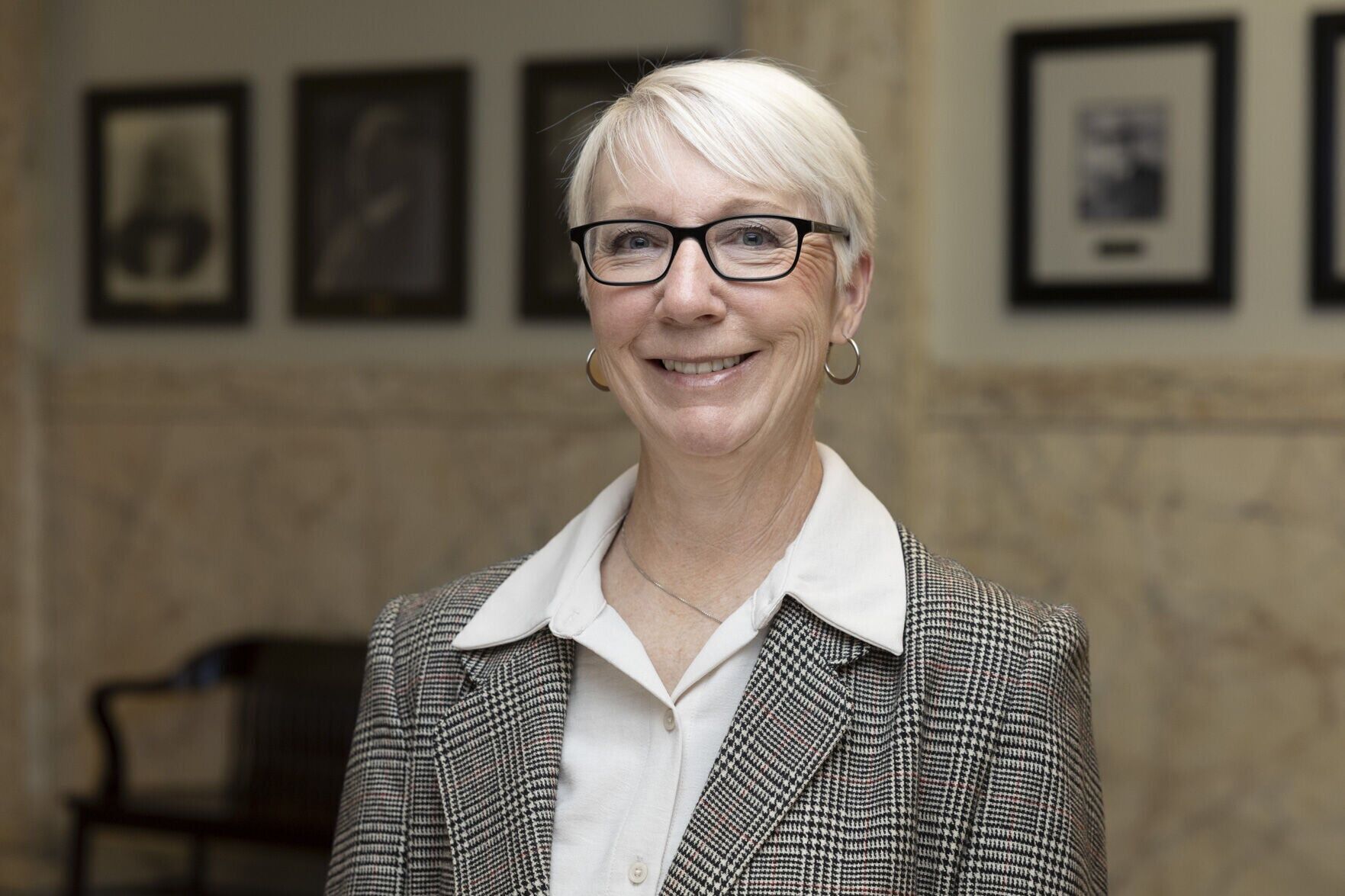
The road trip provided context and content for Michele Shea’s deliberations about the pros and cons of hosting a Sabey Data Centers facility in Butte-Silver Bow County.
Shea was one of six members of the Butte-Silver Bow Council of Commissioners who traveled in late March to Quincy, Washington, to visit a Sabey facility and talk to the community. They were accompanied by two city-county staffers and three members of an Ad Hoc Data Center Impact Committee.
“Prior to the visit, my position was generally supportive but seeking greater understanding,” Shea said. “I was aware of both potential opportunities and areas requiring further review and felt it was important to gather additional information.”
She said the visit reinforced her general support for the proposed $1 billion project from the perspective of community benefit, but also highlighted the need for ongoing due diligence.
Several of her traveling companions also returned to Butte with generally favorable reviews — but, like Shea, with a caveat or two.
Of the seven road-trip participants who responded by email last week to questions from The Montana Standard, none returned from the visit unequivocally opposed.
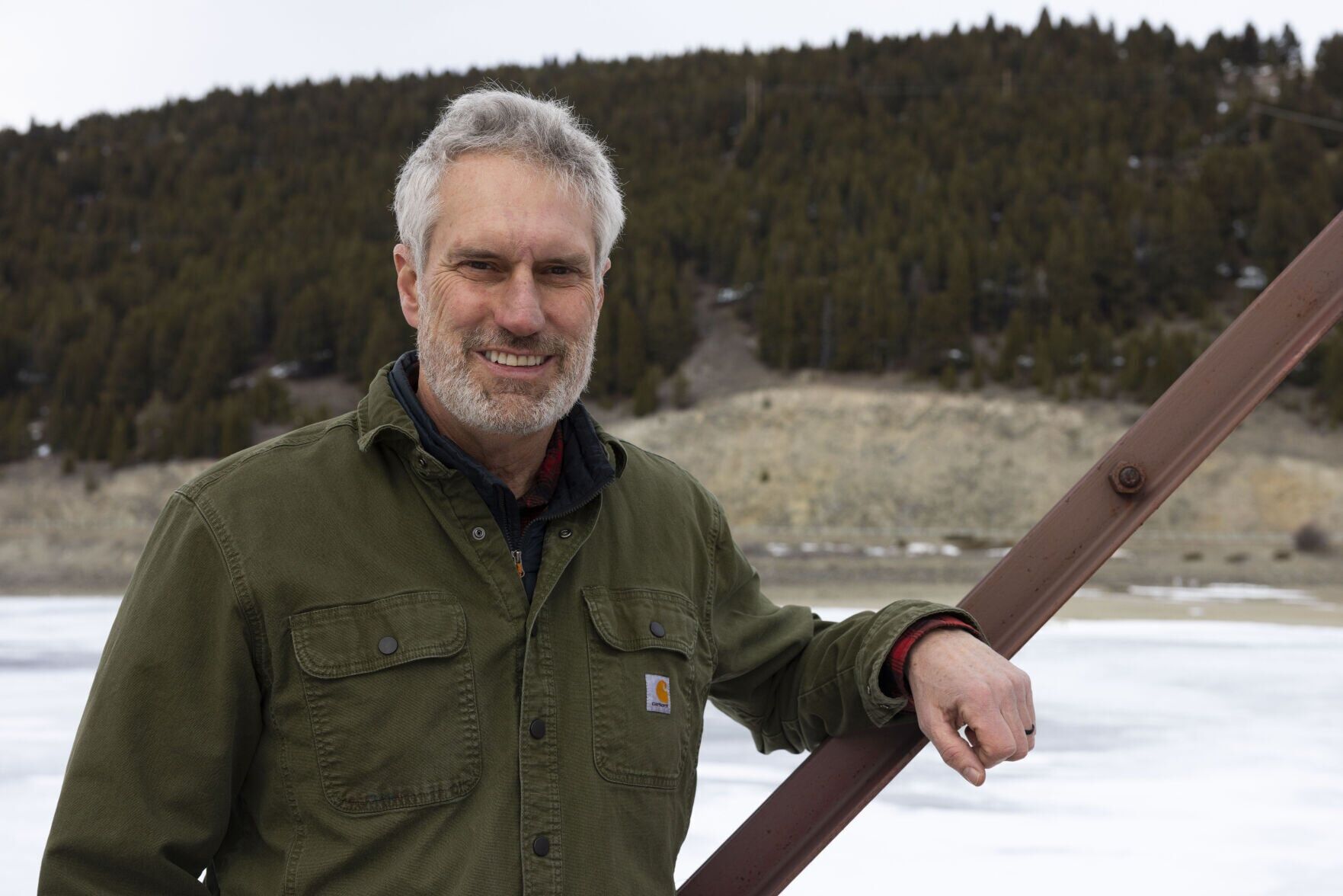
Commissioner Josh O’Neill found support for the position he held before the trip.
“Before traveling to Quincy, I was in favor of the Sabey Data Center,” he said. “My position has been reinforced.”
Jim Kambich, chief of staff for Butte-Silver Bow County, also favored the proposed data center in Butte before the trip.
“Sabey Corp. has exceeded all my expectations and more,” Kambich said. “The Quincy, Washington, visit reinforced my position. Sabey Corp. is a great fit for the Montana Connections Business Park.
“Opportunities of this magnitude do not come knocking at a community’s door on a consistent basis,” Kambich added.
Commissioner Russ O’Leary said he went into the experience undecided and with an open mind.
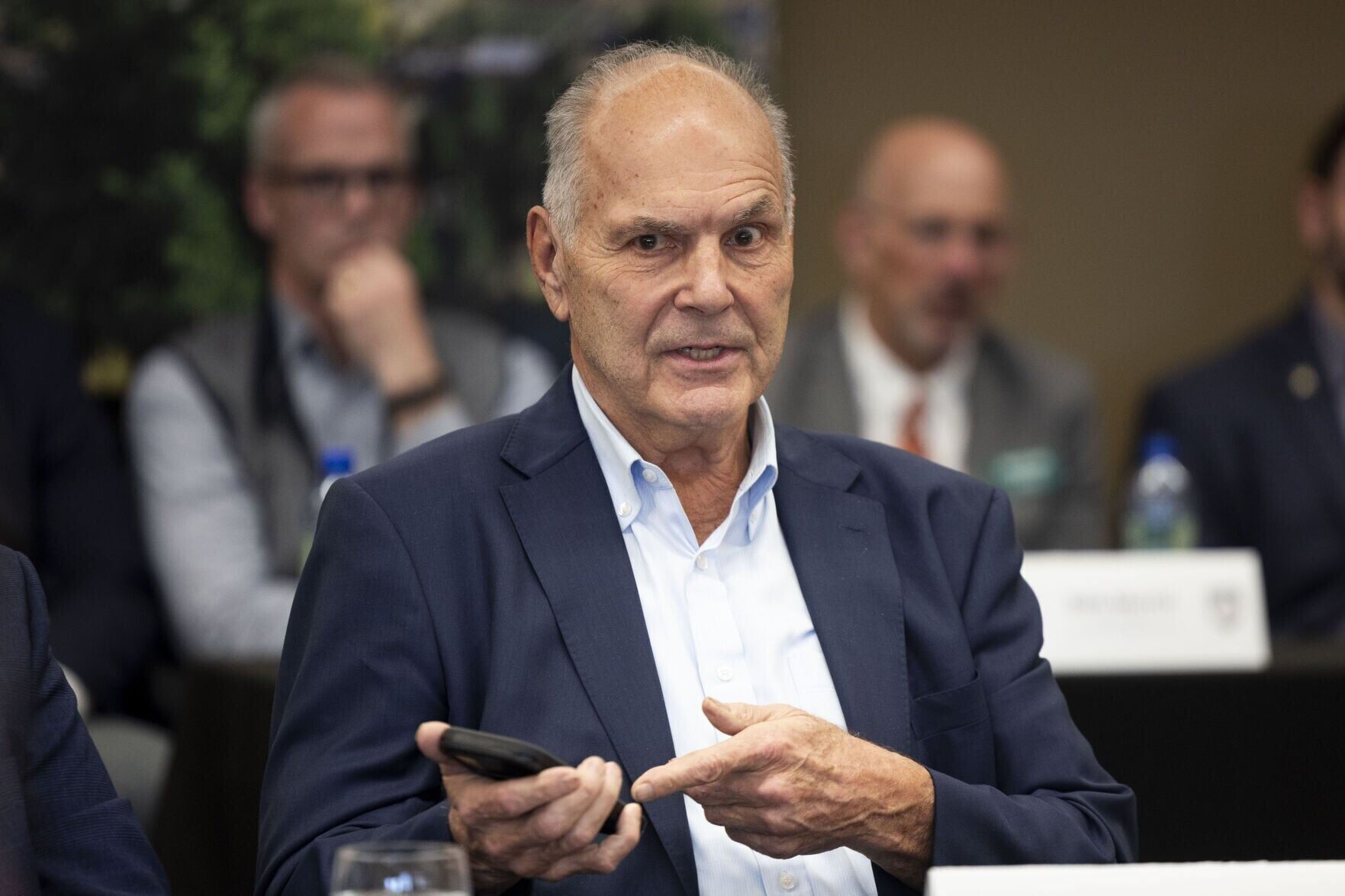
“I didn’t see any red flags that made me want to turn away from this development entirely,” O’Leary said. “But Sabey is still short on solid development plans for Butte. I do think it is critical that the community gets to see a full picture of what to expect in the next 10 years before the [Council of Commissioners] takes a final vote on this development agreement between Sabey and Butte-Silver Bow.”
Commissioner Eric Mankins said the visit to Quincy was valuable.
“Prior to the visit I was undecided and focused on weighing both the potential benefits and concerns,” he said. “After speaking with local leaders and community members and seeing the facility firsthand, I gained additional perspective on how a project like this can operate within a community.
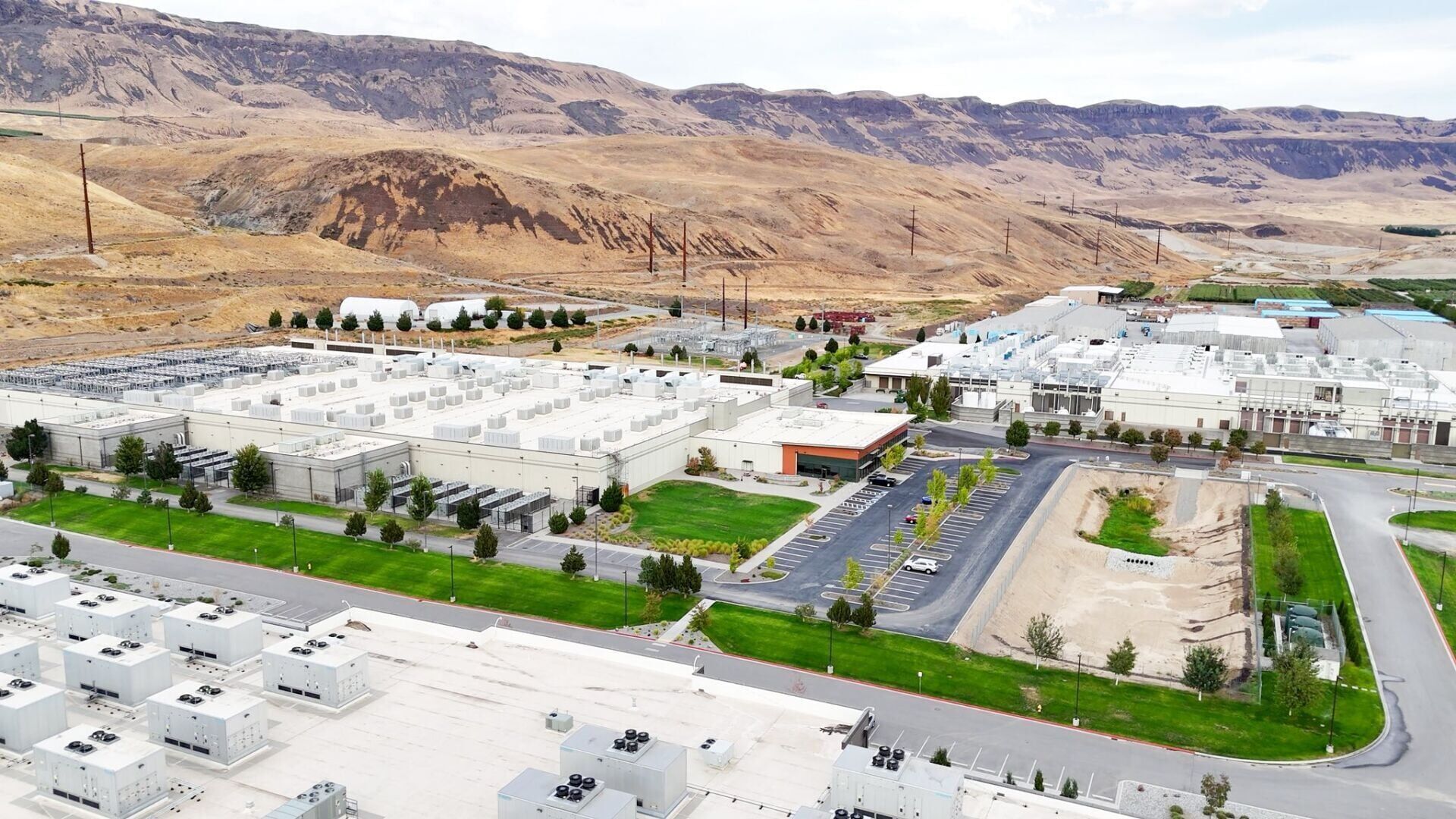
“And I observed that the facility was well maintained, not excessively noisy or bright and professionally operated,” he said.
Intense debates about the pros and cons of data centers are occurring across the nation. The issues include, but are not limited to, heavy consumption of power and water, noise pollution and the post-construction employment of comparatively few people.
The Sabey project proposed for Butte-Silver Bow County has stirred both support and opposition. A year ago, the Council of Commissioners agreed to sell 606 acres to an LLC of Sabey Data Centers' named Horizons Montana. Sabey Corp. is based in Seattle and already operates several data centers in the U.S.
The land is in the Montana Connections Business Development Park west of Butte.
Commissioners agreed in early February to extend until Aug. 11 Sabey’s deadline for closing on the land deal so the company can complete title work and settle energy-supply issues with NorthWestern Energy.
Like Mankins, Shea was impressed by how the data center was run. She said she was struck also by the apparent openness of people interviewed by the fact-finders.
“The conversations reflected a shared understanding that the success of the data center and the well‑being of the community are closely linked, particularly through education, workforce development and tax revenue,” Shea said.
Noise concerns
Many road trip participants with concerns about data center noise were somewhat mollified after visiting the Sabey campus.
O’Leary said his concerns about sound and vibration were significantly reduced.
“We visited the site on our own at night prior to the tour and observed a generally quiet facility,” he said. “The only real noise was the buzzing of the overhead power infrastructure. Fan noise was minimal at the perimeter. When touring the facility, the fan and equipment noise outside was definitely noticeable, but only up close.”
“Local residents that we talked to during the trip confirmed that noise pollution was not one of their concerns,” O’Leary said. “Of course, I do think it is important that we communicate clear expectations around noise at the Butte site and ask Sabey to provide data about their other sites.”
Kelly Sullivan, executive director of the Butte Local Development Corporation, has served on the Ad Hoc Data Center Impact Committee established by J.P. Gallagher, chief executive of Butte-Silver Bow.
Sullivan said several observations left a positive impression: “How quiet and clean the facility was — inside and out; how happy and proud the employees working there were; the enthusiasm of community members who are very pleased with what the data centers — not just Sabey — have done for their town.”
Sullivan said the community benefits have included new infrastructure, jobs, tax revenues and community engagement and support.
Jobs remain a question
The national debate about data centers often includes observations that data centers yield hundreds of jobs during construction but that actual day-to-day employment is limited.
The Quincy road-trippers tried to get a sense of employment.
O’Leary said it was challenging to estimate employment, partly because the Quincy campus includes five separate facilities. But he said a fair estimate would approximate 100 workers. He said estimating employment was difficult “without hard numbers provided by Sabey.”
Mankins referenced a collaboration with schools.
“I was also encouraged by the partnership with the local schools, which created opportunities for students to develop skills and pursue careers locally,” he said.
Water needs
Data centers often rely on large volumes of water to cool the mass of servers housed within.
Initial estimates suggest the Silver Lake Water System owned by Butte-Silver Bow could provide industrial water for the data center in Butte while continuing to serve other industrial users.
Jim Keenan, water plant superintendent for the Butte-Silver Bow Water Utility, participated in the fact-finding trip.
“The data center building that we visited, which I believe is the newest and most modern on the Sabey campus in Quincy, actually doesn’t require any consumptive water use for the cooling system,” Keenan said.
“Based on the information we have so far, the proposed data center in Butte would utilize an adiabatic cooling system that would require approximately 16 million gallons per year, which would only be required when ambient air temperature is 80 degrees Fahrenheit or greater,” he said.
The water would come from the Silver Lake system, which Keenan said is "underutilized and has plenty of capacity to meet that demand.”
Power consumption
Data centers tend to be power hogs. A key lingering question focuses on what that will mean for NorthWestern Energy and its customers.
The Montana Public Service Commission regulates energy in the state.
Mankins said clarity about utility rates is an unresolved issue, as is REC Silicon’s apparent right-of-first-refusal to relevant property in the Montana Connections Business Development Park.
“It will be important to ensure that taxpayers in Butte are not negatively impacted, particularly when it comes to utility costs,” he said.
O’Leary shared similar thoughts.
“The right-of-first-refusal on the land surrounding REC [Silicon] remains an obstacle, as do the ongoing negotiations with NorthWestern Energy for power,” he said. “Even though power regulation is outside of the authority of the Butte-Silver Bow Council, I do think it is critical that we get some kind of indication about the direction the Public Service Commission is planning to go while taking on these large power load customers before we make a final decision on if we want this facility in our community.
“Data center development can be done responsibly if the existing ratepayers are protected,” O’Leary added.
Meanwhile, O’Leary and others, including Erik Nylund and Evan Barrett of the Butte Watchdogs for Social and Environmental Justice, have called for Sabey officials to hold a public forum in Butte, an event they say should include opportunities for comments and questions.
Last week, NorthWestern Energy submitted a plan to the PSC that outlines a Large New Load Tariff rule that says would put the onus for any new customers who buy over 5 megawatts, like some data centers, are responsible for the costs and not passing them along to other ratepayers.
The plan also includes a minimum service period requirement, performance obligations and “termination cost provisions” to ensure a customer that reduces its load or pulls out of service before the end of a contract pay for such acts.
Sabey is one of three data center companies that have signed Letters of Intent to buy a total of between 850 megawatts and 1,400 megawatts from NorthWestern by 2030. The company currently supplies about 750 megawatts to all of its customers in Montana.
The group's visit to Quincy and the project’s current status left questions hanging for O’Leary and others.
“I certainly think this project could be a great thing for our community," O'Leary said. "But I think it is critical that we get things right. Butte has been on the receiving end of plenty of debacles over the years and I don't think anyone wants this project to follow that path.”
Lingering unknowns include the design of the campus and how quickly development would proceed, he said.
“This is a critical question for the [Council of Commissioners], as it is really the only thing we can use to estimate tax revenues over the coming years,” O’Leary said. “Sabey representatives reiterated that they don't have a final design or projected speed of development yet. This is a key issue for me as it is one of the primary tradeoffs we are making when deciding to sell low-cost development land to any business that wants to locate to Butte in our industrial park.”
Shea said the visit to Quincy was helpful but questions remain.
“My focus remains on evaluating how a project like this aligns with Butte’s needs and values, infrastructure capacity, workforce capacity, and long‑term community impact, and on ensuring that any agreement is structured to deliver clear, measurable benefits that make sense for Butte," she said.
“There is much work to be done by multiple agencies at this stage,” Shea added.





Comments ()