
Deanna Campbell & Barb Cestero: Options for increasing representation in Bozeman’s city government
In 2024, the residents of Bozeman voted to form a City Study Commission to review the structure, form, and charter of our city government and to recommend changes, if needed, for voters to consider in the November 2026 election.
Since then, the commission — which we serve on — has been working steadily, with input from citizens and discussion among commissioners, to develop recommendations for the voters. One thing has been clear: Most residents want to continue with a charter form of government and the commission — city manager structure.
Under this system, the commission serves as the legislative and policy-making body, while the day-to-day management of the city is handled by a professional city manager hired by the commission and reviewed annually for performance.
We have also heard clearly that the current deputy mayor system is not working well and should not be continued. In response to that concern, a preliminary recommendation has been made that once the current deputy mayor’s term ends, the mayor be elected for a four-year term and sworn in at the start of that term.
Over the past year, we have heard from residents who feel that elected and appointed officials are not always representative of our growing city. Currently, Bozeman’s commissioners and mayor are elected at large, meaning every voter in the city votes for every candidate. Another option used in many cities is to elect commissioners from wards or districts, with a requirement that candidates live within the area they represent.
If we move toward electing our commissioners by ward/district, we will also need to revisit how we select the mayor, since the structure of representation and the mayor’s role are closely interconnected and vary across cities.
Should we continue to directly elect the mayor at-large? Or should we shift to having the seated commission choose one of its own members to serve as mayor?
The latter approach would help preserve geographic representation across wards or districts, because the mayor would remain a sitting commissioner — rather than occupying a separate, at-large seat that reduces the number of commissioners directly representing specific geographic areas.
The various options for how we elect city leaders all have benefits and challenges. We will need to be thoughtful about these tradeoffs to ensure we propose a new charter to voters that will serve Bozeman well for at least the next 10 years.
Any change to the structure of representation or the method of selecting the mayor will require voter approval of a revised charter in November 2026.
These important questions are not the only ones before the Study Commission, and we are actively seeking public involvement and feedback as we continue learning about the options available.
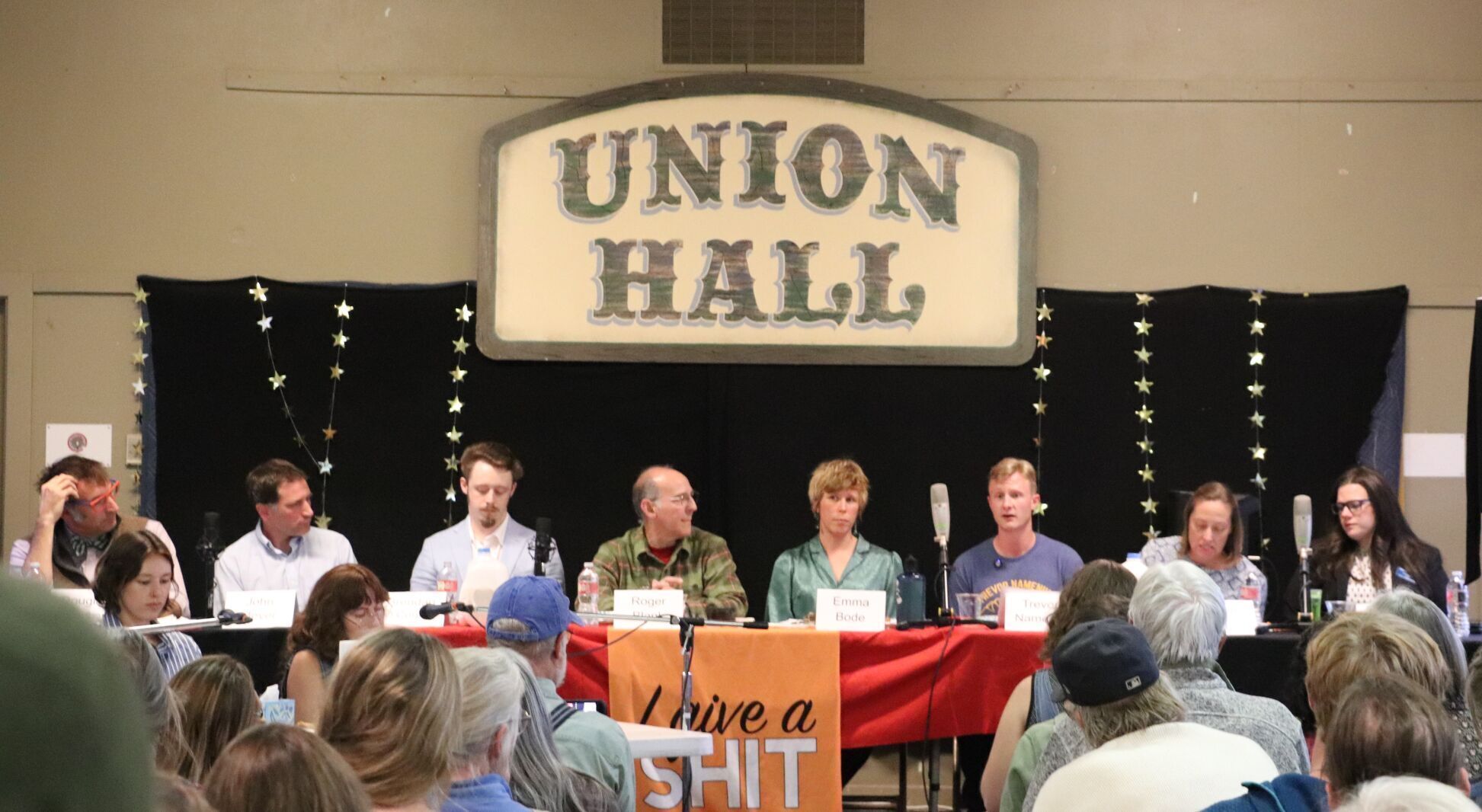
To help inform the discussion, the Study Commission will hold a “deep dive” learning session on wards and districts during our March 25 meeting at 4 p.m. in the City Hall Commission Room. Dan Clark of the MSU Local Government Resource Center will provide an overview of the differences between wards and districts and explain how different structures of commissioner elections can influence how a mayor is selected.
The city charter also outlines the roles of neighborhood associations and advisory boards, another area where we have heard residents may like to see some change. Neighborhood associations and advisory boards offer additional ways to increase citizen engagement in city government.
The Study Commission will be exploring ways to strengthen both programs and increase citizen involvement in city government throughout April as we continue to discuss improving the representativeness of local government.
Everyone is encouraged to attend our upcoming meetings (you can find the schedule at www.bozemanstudy.com) and take part in the discussion. The public can also participate through the Zoom link or email comments by noon on the day of the meeting to govreview@bozeman.net.
The structure of our city government is not just about today — it will shape how Bozeman governs itself for years to come.


Comments ()