
DEQ takes comment on CHS Laurel project to improve refinery's water treatment process
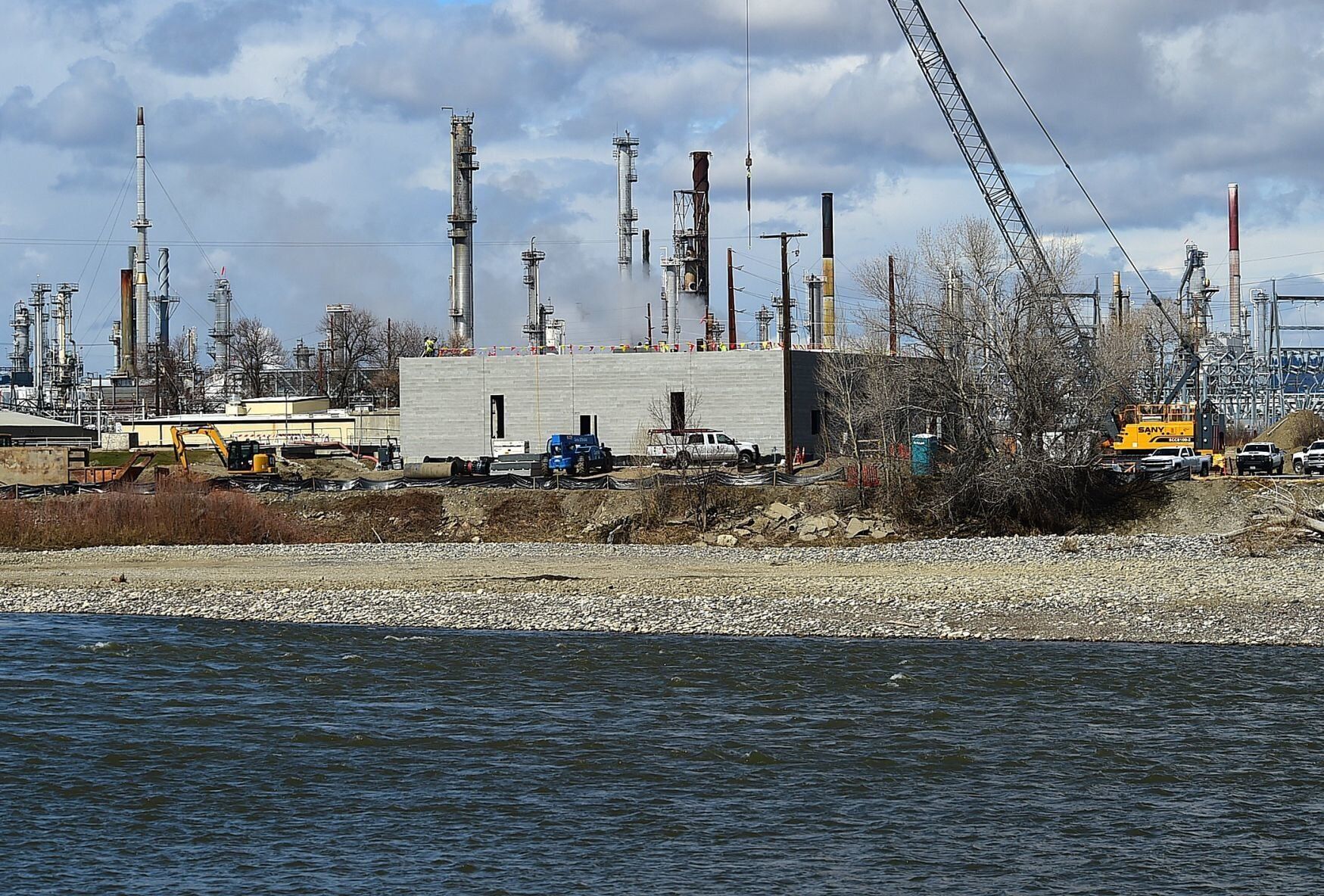
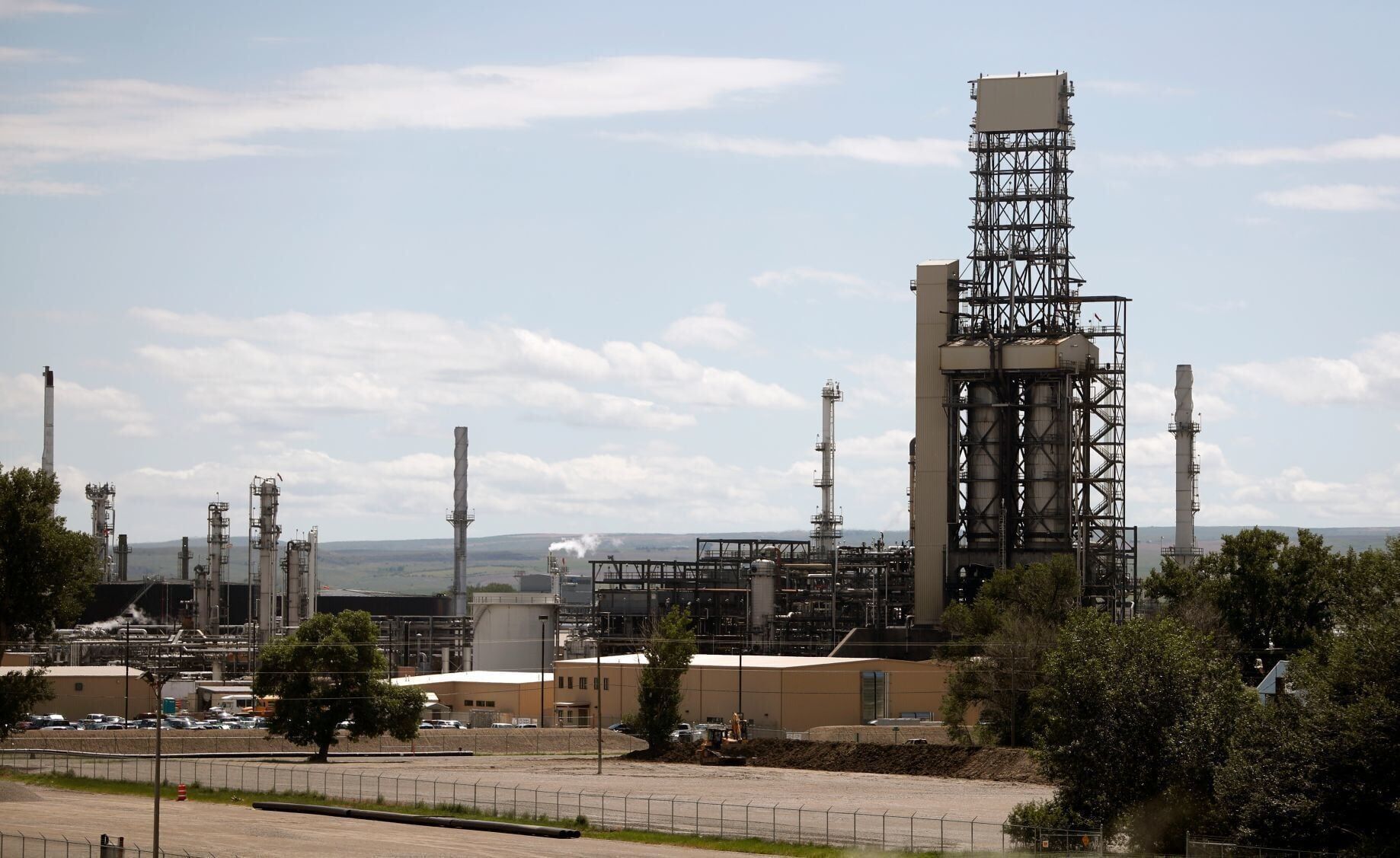
The Montana Department of Environmental Quality is seeking public comment on an air quality permit for CHS’ Laurel petroleum refinery for the construction of four tanks and a new unit.
The project is meant to improve the facility’s water treatment process.
The development, situated roughly 520 feet from the Yellowstone River, will be used to reduce the amount of volatile organic compounds from the refining process, which means smells from the refinery will likely decrease.
The project would increase some air pollutants, according to an environmental analysis by the DEQ, including sulfur dioxide — known for causing acid rain and respiratory problems — and carbon monoxide that can also be harmful to human health.
Specifically, the project is meant to improve the refinery’s oil and water separation process before sludge goes through water treatment. CHS has historically struggled with meeting environmental compliance standards.
The Billings Gazette reported in January that the refinery was fined $69,300 for repeated violations in a span of two years. The planned discharges into the Yellowstone River were considered too toxic for tested aquatic life in some cases.
The cooperative has stated it is making efforts and has already made some efforts to improve its treatment process before its treated effluent is discharged into the Yellowstone River.
“The air permit application is associated with our ongoing investment in the refinery wastewater treatment facilities at the CHS refinery at Laurel... The development of this project illustrates how CHS is committed to reducing emissions and complying with permits and applicable regulations,” CHS’ vice president of refining Shane Lacasse said in a statement to the Gazette.
The environmental assessment by DEQ finds most areas would have no impacts by the development that’s set to be built on the refinery’s property.
For climate-warming greenhouse gases, it estimated the project would produce about 1,216 metric tons of carbon dioxide or 0.0024% of Montana’s total carbon dioxide emissions.
Notably, in its analysis of climate change impacts, posted in March, DEQ cited the Environmental Protection Agency’s Climate Change Indicators webpage. The Trump administration scrubbed that information in December as part of its larger effort to target anything supporting climate change.
The comment period ends on March 30. Information on how to submit comments can be found on deq.mt.gov/News/publiccomment-folder/AQ-CHS-2026-03-13.


Comments ()