
Executive orders, funding freezes have already shut down one of MSU’s programs — and more could follow
The state of research and federally funded programs at MSU is in flux as the University’s administration prepares for the potential effects of President Donald Trump’s executive orders and federal funding freezes.
On Jan. 27, President Trump’s office and the Office of Management and Budget issued a memo to the heads of executive agencies freezing federal grants, loans and assistance programs. The freeze was quickly blocked by a federal judge.
The memo required federal agencies to “identify and review all federal financial assistance programs and supporting activities consistent with the President’s policies and requirements,” and cited executive orders such as Executive Order 14151, signed on Jan. 20 and titled “Ending Radical and Wasteful Government DEI Programs and Preferencing.”
At least one federally-funded program at MSU has been shut down as of Friday, Feb. 21 as a result of Executive Order 14151, according to the organization’s project manager Ben Williamson. The program — which is called the Mountains and Plains Thriving Communities Collaborative (MaPTCC) — will cease operations on March 14.
The MaPTCC is a regional partner of the Environmental Justice Thriving Communities Technical Assistance Centers Program (TCTAC), an initiative started in April 2023 by the Environmental Protection Agency. The MaPTCC, which was launched in August of 2024, is one of 17 centers of the nationwide TCTAC program which supports rural, tribal and urban communities in projects related to the environment, energy, climate, public health and other sectors, according to Williamson. Since its inception, the MaPTCC has worked with 215 communities across six states.
“This program is designed to foster community and economic development within smaller and rural places,” Williamson said. According to him, three employees and two student assistants at MSU — along with six employees at partner universities and organizations — will lose their positions, significantly impacting the communities they serve.
“The 215+ individuals and organizations — including nonprofits and municipalities and tribes that we were working with — will no longer have access to our technical assistance support,” Williamson said.
“This termination could still be reversed, given ongoing developments in courts and agencies nationwide,” he said. “A recent court injunction signals potential reversal of the decision. For now, TCTAC's future hangs in uncertainty.”
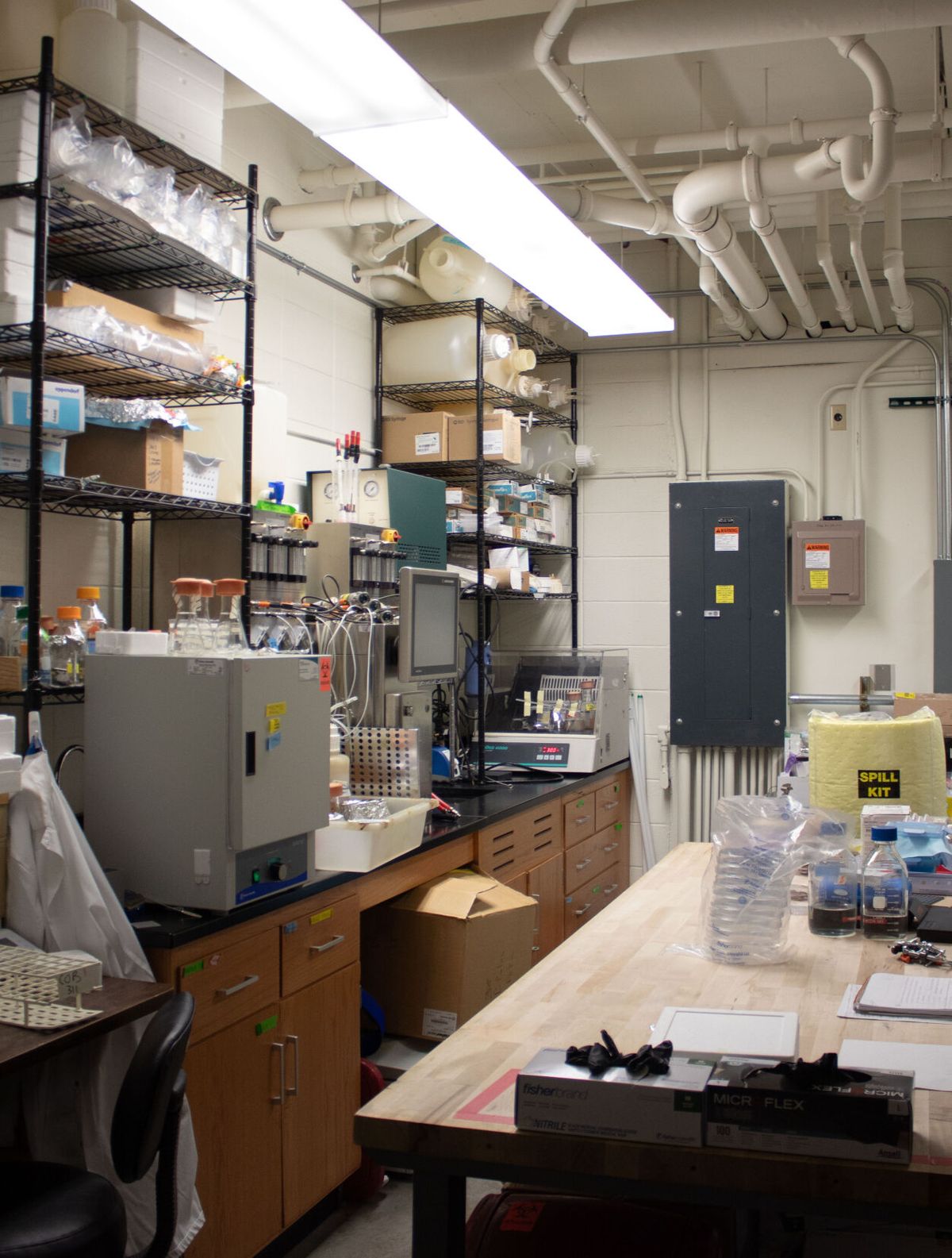
Research at MSU — currently an R1-ranked research institution that derives 90 percent of its research budget from the federal government — could also be affected by executive orders and budget cuts by federal agencies.
“The executive orders we’ve gotten have been so vague that we couldn’t possibly implement them,” said Alison Harmon, vice president of MSU’s office of Research and Economic Development (RED).
On Feb. 7, the National Institute of Health also implemented a cut to indirect cost rates (IDCs) for research grants from the previous average of 27-28 percent to 15 percent. Harmon said in a Feb. 13 email to MSU’s research community that this cut would be “devastating” for MSU’s research. IDCs are costs associated with research including building expenses, faculty and core facilities support — which are crucial for high-impact research, according to MSU’s website.
In the same email, Harmon advised conserving IDC funds for the highest and most essential priorities and said that her office is planning for greatly reduced IDC funds in fiscal year 2026. “If we’re going to get less [IDCs] — then all of a sudden we don’t have money to invest in research anymore,” Harmon said.
According to Harmon, freezes, cuts and reductions in federal funding will change how MSU research works. “We will see a significant reduction in the number of people that could be employed by MSU’s research enterprise,” Harmon said, explaining that there have not yet been many layoffs for MSU researchers.
She said the RED currently manages 1,600 federal grants and employs 1,400 people, including members of faculty, researchers and student researchers.
According to Harmon, although the funding freeze was blocked, MSU still has to worry about specific grants being canceled because of non-compliance with executive orders. “There’s a landscape out there that is the future research landscape, but we can’t see it because it's too foggy,” Harmon said.


Comments ()