
Experts discuss impacts, concerns related to Montana data centers
LEWISTOWN — Is central Montana ready for data centers?
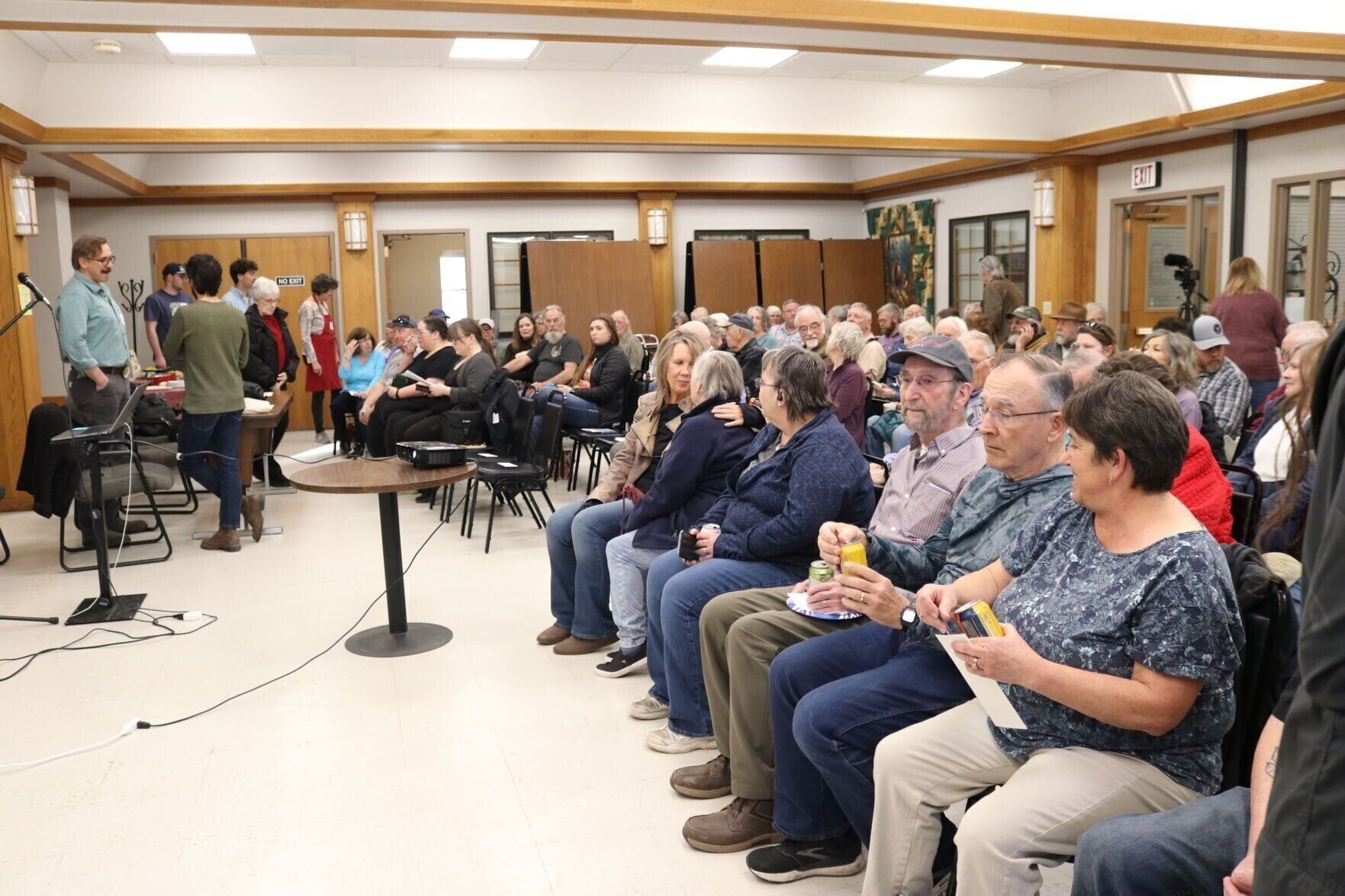
Nearly 180 people showed up Thursday evening to find out, packing the Council on Aging building to listen to a panel discussion on potential data center impacts.
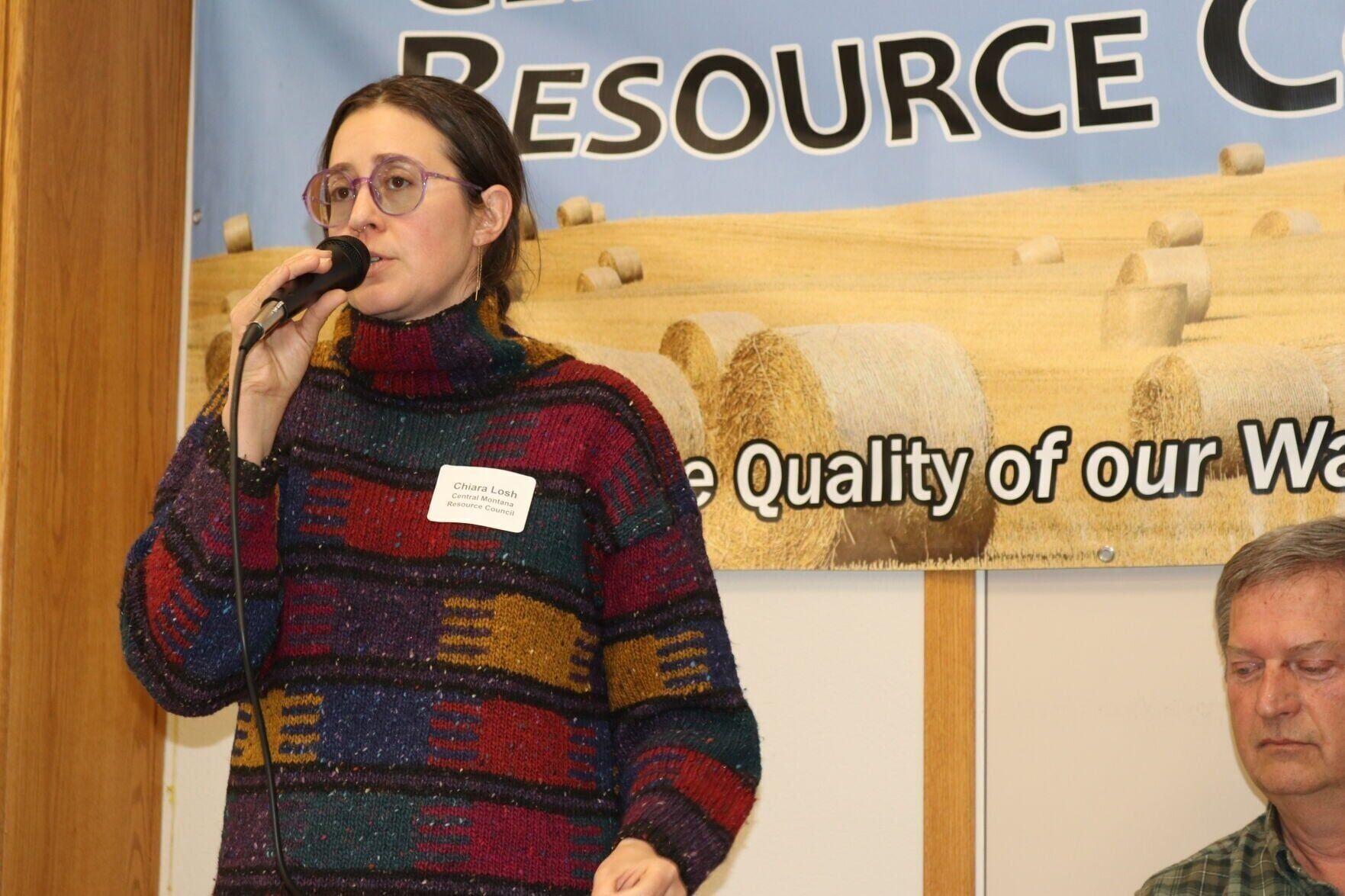
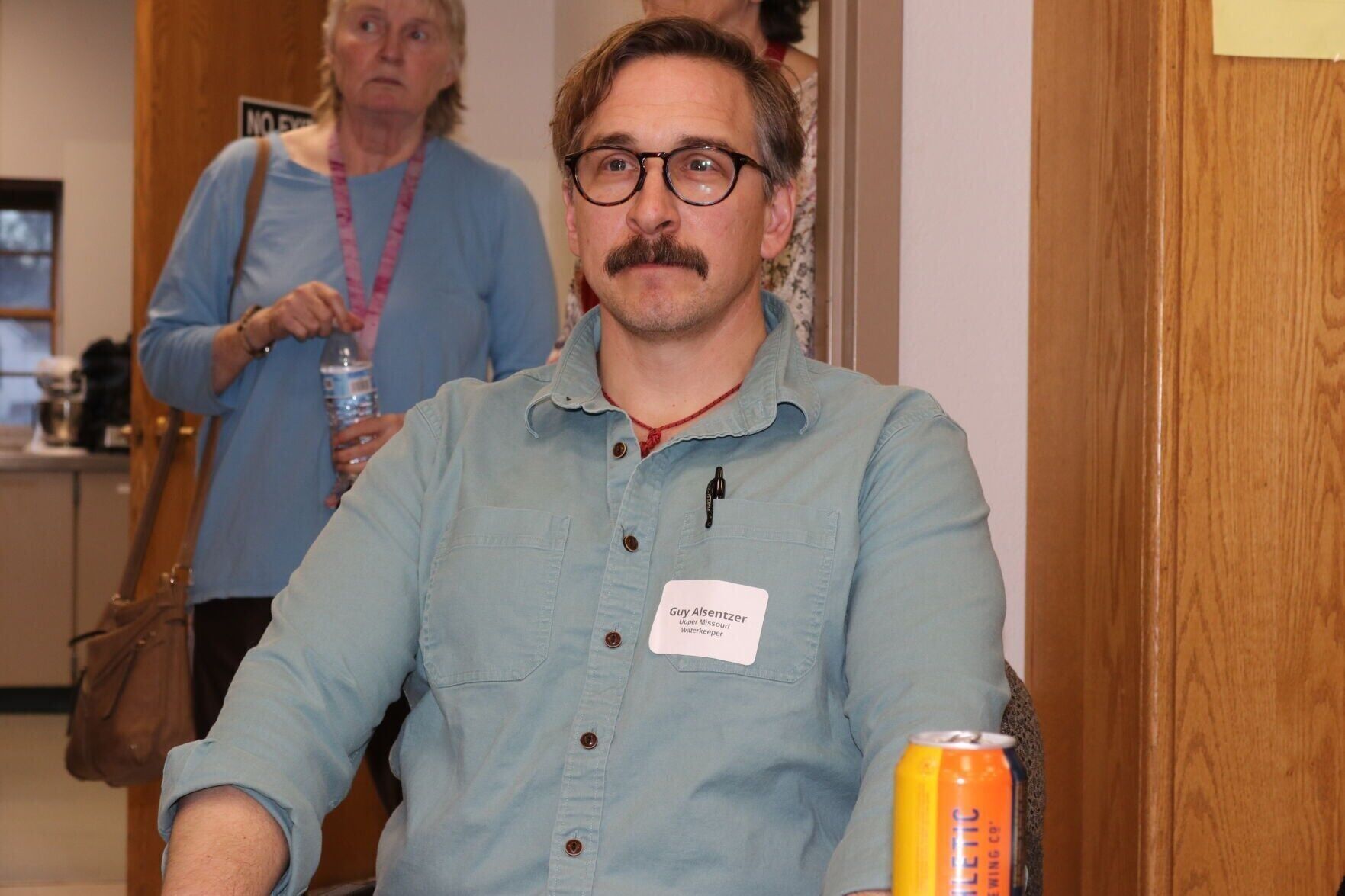
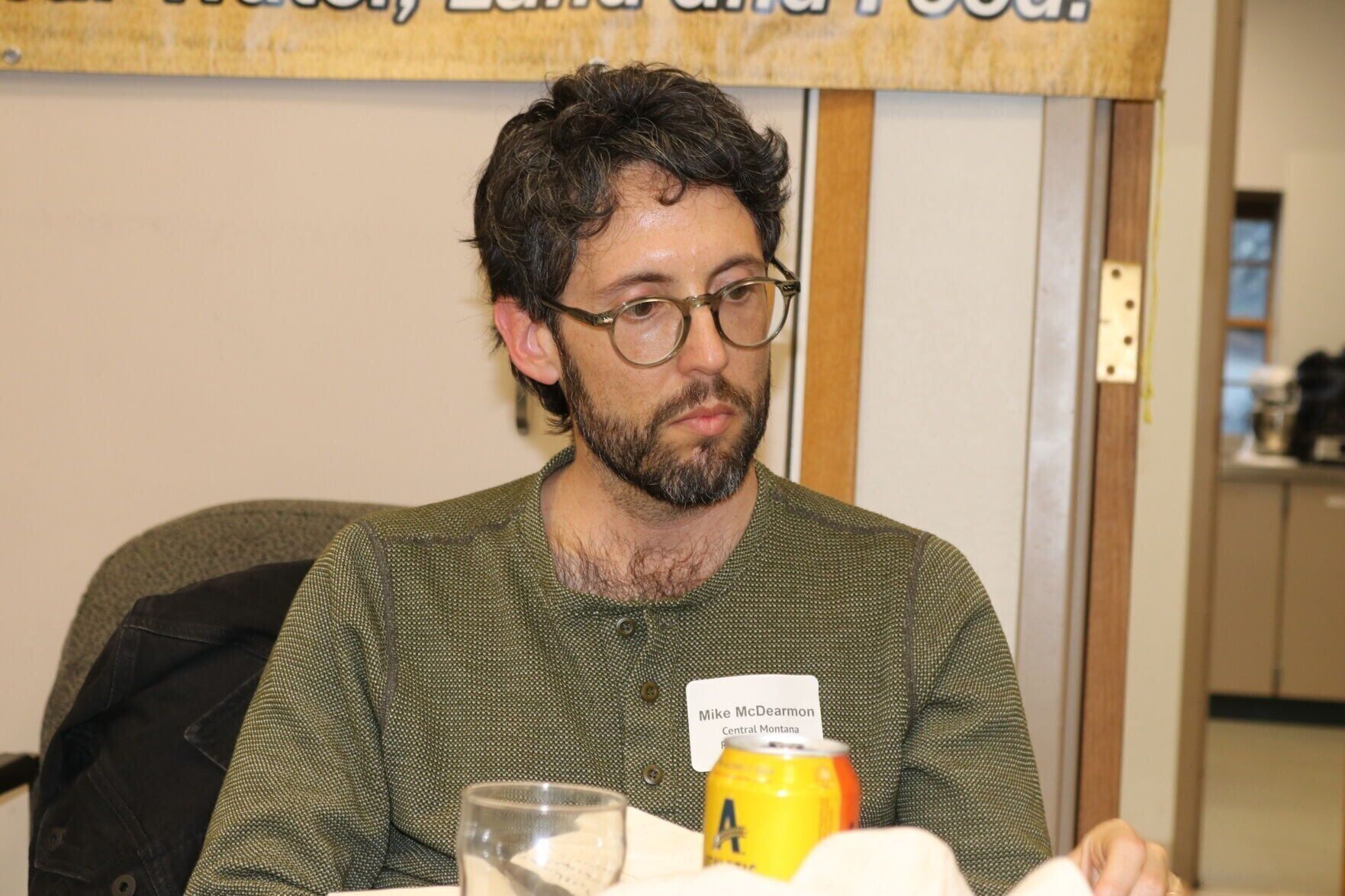
Sponsored by the Central Montana Resource Council, panelists included technology expert Mike McDearmon, Montana Environmental Information Center Executive Director Anne Hedges and Upper Missouri Waterkeeper Executive Director Guy Alsentzer.
What are data centers?
“Data centers are just buildings full of computers,” McDearmon said. “They’re not new. But what is new is the size, which is orders of magnitude larger than the ones we had in the 1980s and 1990s.”
It’s Artificial Intelligence, or AI, that is driving the immense scale of data centers being built. The race to create ever-smarter, more powerful AI programs requires “training” each generation of AI using tens of thousands of computers.
McDearmon described buildings the size of small cities requiring 5 gigawatts of power to run all the computers housed inside (according to the Department of Energy, one gigawatt is enough to power 750,000 to 1 million homes). Running those computers requires keeping them cool, which means circulating vast amounts of water through the data center. All of this costs massive amounts of capital.
“You need such vast capital that only a few companies can do it,” McDearmon said. “Four giant tech companies will spend $7 billion developing the next generation of AI.”
Whether the investment will pay off is undetermined, McDearmon said, adding there are some economists and tech experts who view it as a bubble.
“There’s a lot of volatility right now that makes it risky for communities. If they allow data centers to be built, they could be left with nothing if the business folds, and there are examples of that already. But this is not about saying ‘no’ to business; this is about making deals that are net positive for communities. In Montana, what will we prioritize?” McDearmon asked.
Who pays the power bill?
One large concern is who will pay the bill for powering data centers now and into the future.
Hedges pointed to a Harvard study that showed in 2025, 70% of rising electric costs were caused by data center demands. But although Montana has not seen huge data center projects yet, electricity rates are already on the rise.
“If you look at NorthWestern Energy rates, their residential use has been pretty flat since 2005, increasing around 3.6%. But residential rates have increased 87% since 2009,” Hedges said.
Hedges reported that NorthWestern Energy is considering providing power to 11 new data centers. Northwestern operates across three states: Montana, South Dakota and Nebraska. Hedges acknowledged that she did not know which state would be home to the 11 new centers. Her group, MEIC, has sued NorthWestern to try and force them to provide more information about the data centers they are working with.
“The Montana Constitution requires transparency. We deserve to know what NorthWestern Energy is agreeing to in their contracts with data centers,” Hedges said.
Hedges said some data centers are constructing their own power plants in order to offset energy impacts, although depending on the type of power (coal vs. renewables) there could be other issues such as air pollution to deal with.
“Small modular nuclear reactors have been suggested as a means of providing the energy data centers need. The problem is there hasn’t been one built, outside of, supposedly, one in Russia and one in China,” Hedges said. “The data centers need energy now; micro-nuclear technology won’t exist until the 2030s at best.”
What about the water?
Data centers need water, primarily to cool the tens of thousands of computers, a concern to the 80% of Montanans who get their drinking water for aquifers.
“This is a new industrial-scale use of Montana’s water,” said Alsentzer. “The companies promoting data centers are looking to locate in rural areas, and one reason is because we don’t have rules on the books for this scale of use. We need to make sure we have regulations for where they can get their water, to protect public water supplies and existing uses.”
Alsentzer suggested any data centers be required to disclose any coolants or additives put into the water they use.
“Let’s treat data centers as industrial users, with a BAT [Best Available Technology] standard,” he said. “We need some kind of local requirements that put the burden of proof on the data centers — what will they do to our water, air and electric rates. We need to hit ‘pause’ until we can put up some sideboards, so we do things right the first time at the state and local level.”
Next steps
Members of the Central Montana Resource Council encouraged those attending Thursday’s forum to sign petitions addressed to the Fergus County Commissioners, asking them to enact local regulations to govern data centers before such a project is proposed here.



Comments ()