
From Ireland to Butte: Author embarks on a journey into her Irish grandmother’s past
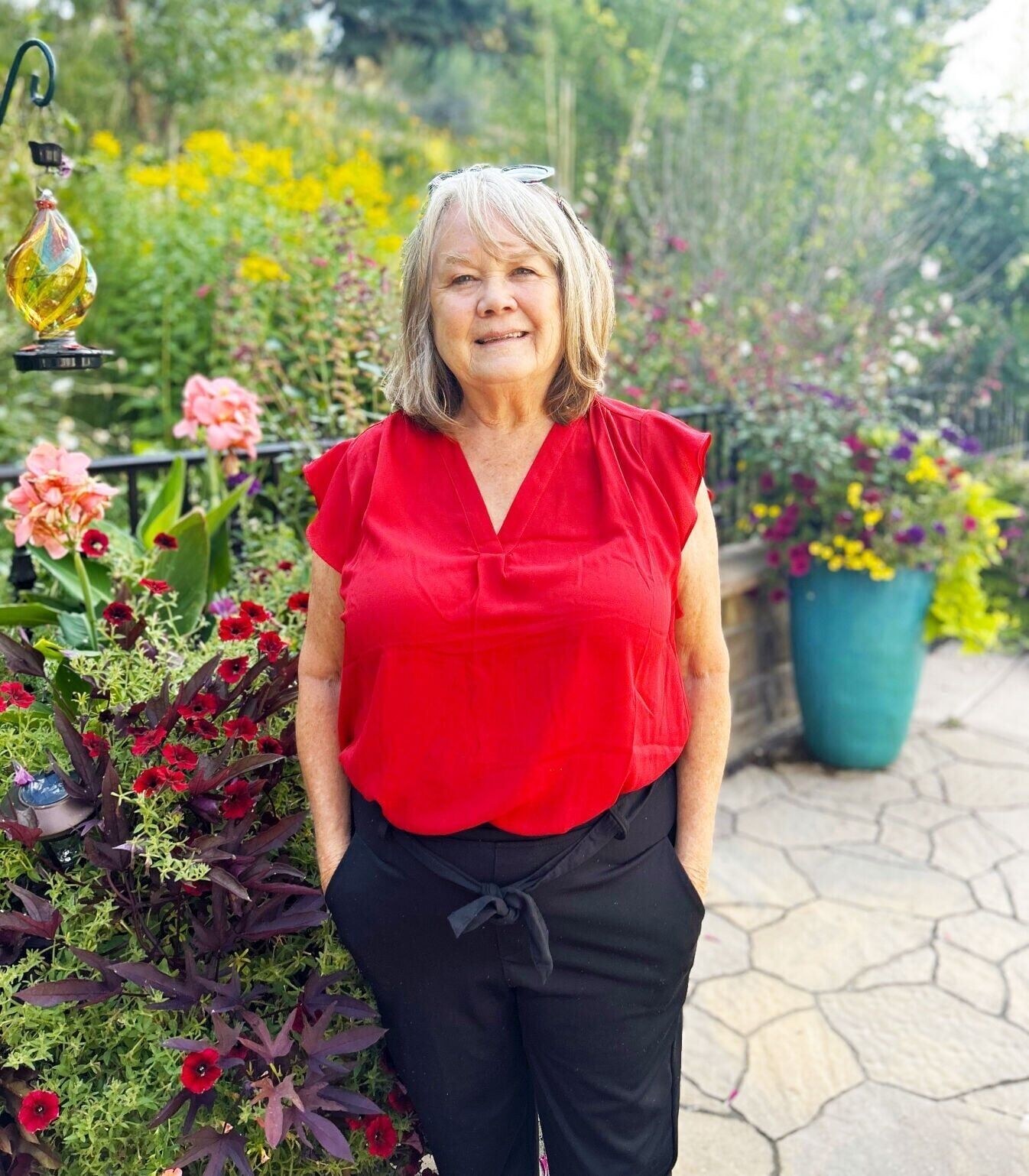
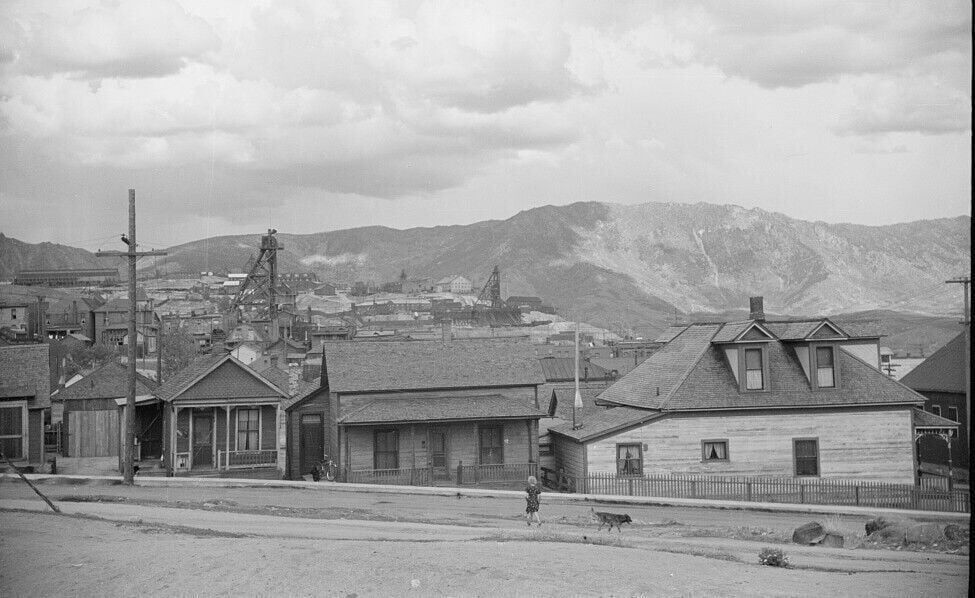
Like so many of Butte’s Irish descendants, Debbie Bowman Shea, a Butte author, has ancestral ties to Ireland’s Beara Peninsula.
It is estimated more than 2,000 people migrated to Butte from the Beara, including Shea’s grandparents, Abigail “Bina” Harrington Healy, who hailed from Allihies, and Michael Healy, born in nearby Eyeries.
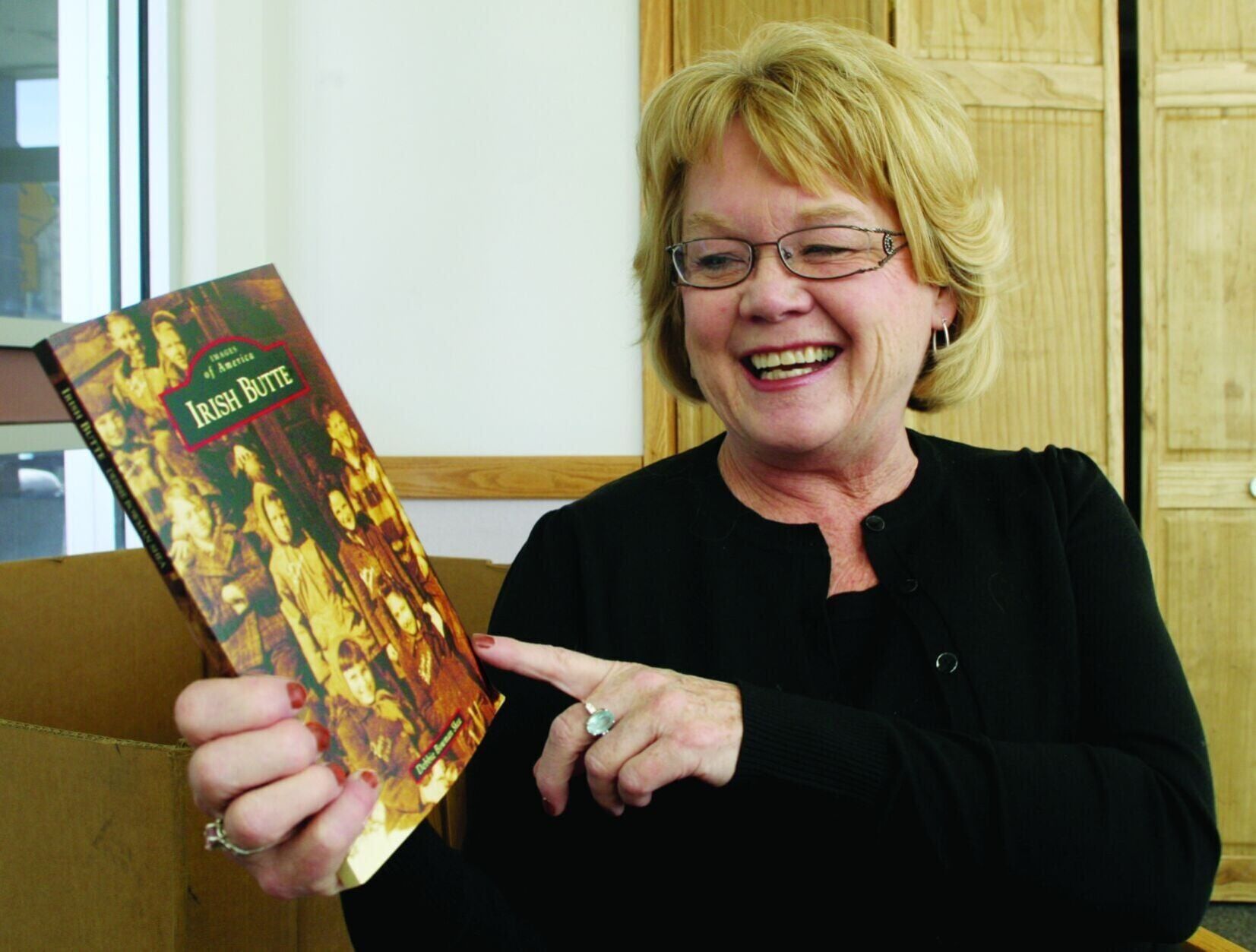
In 2011, Shea wrote a book titled “Images of America: Irish Butte.”
In the book’s introduction, Shea described Butte’s Irish matriarchs as the “center of the Irish family, but more noteworthy, the nucleus of the larger Irish community.”
“It was these wonderful women who tied the Old World to the New and instilled an Irish consciousness that kept family, faith, and neighborhood intact,” wrote Shea.
Irish women, Irish heritage
Lindsay Mulcahy, assistant director at the Butte-Silver Bow Public Archives, said the Irish women who emigrated to Butte played an integral part in creating the community that is known and loved today.
“They came here and kept traditions alive, whether it was through their parishes or sharing meals with their families and friends,” she said.
Mulcahy said that although many of the Irish men worked in the mines, it was the Irish women who were instrumental in building the community.
“They are the reason Butte has a rich Irish heritage,” she said.
In the years since “Irish Butte” was published, Shea embarked on a journey to learn more about one matriarch in particular, “Bina,” her maternal grandmother.
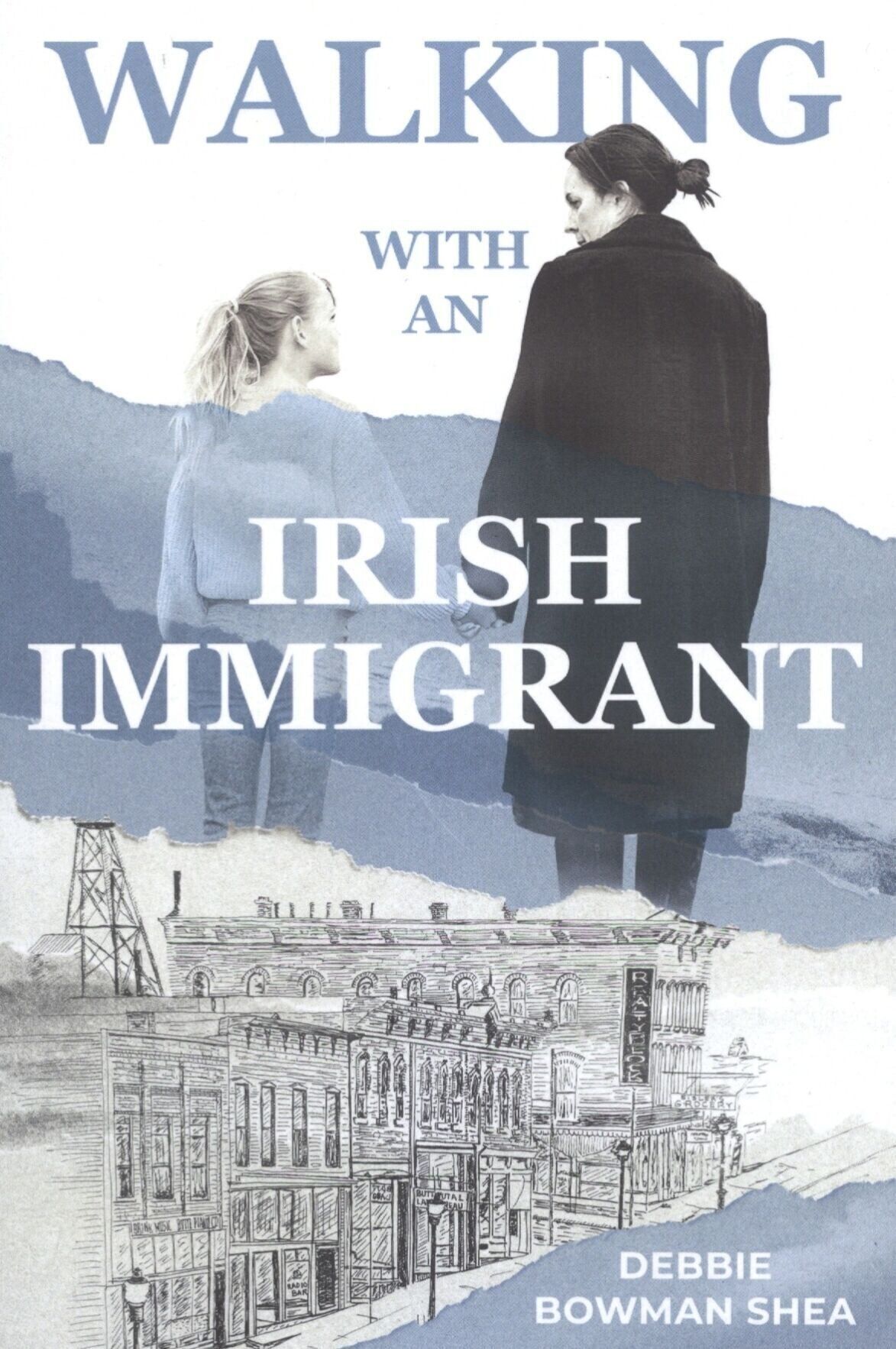
That journey culminated in her new book, “Walking with an Irish Immigrant.”
Shea shared in her book that through the years, her grandmother’s footprint on this earth had become faint.
“I wanted to find her story,” said Shea.
The book, a tribute to her grandmother, reinforced her love for the grandmother she never knew.
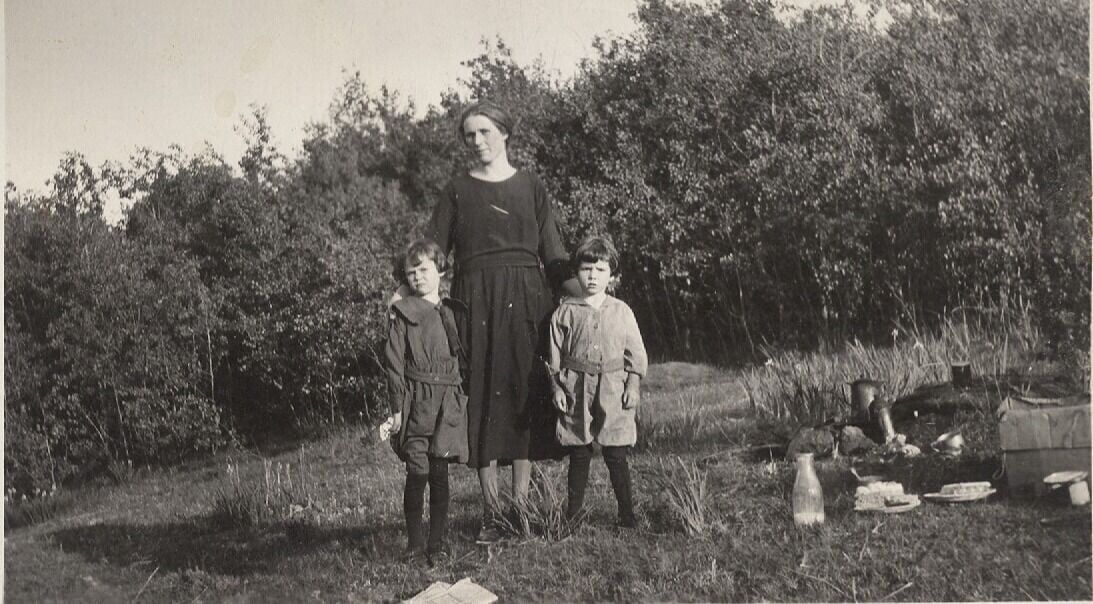
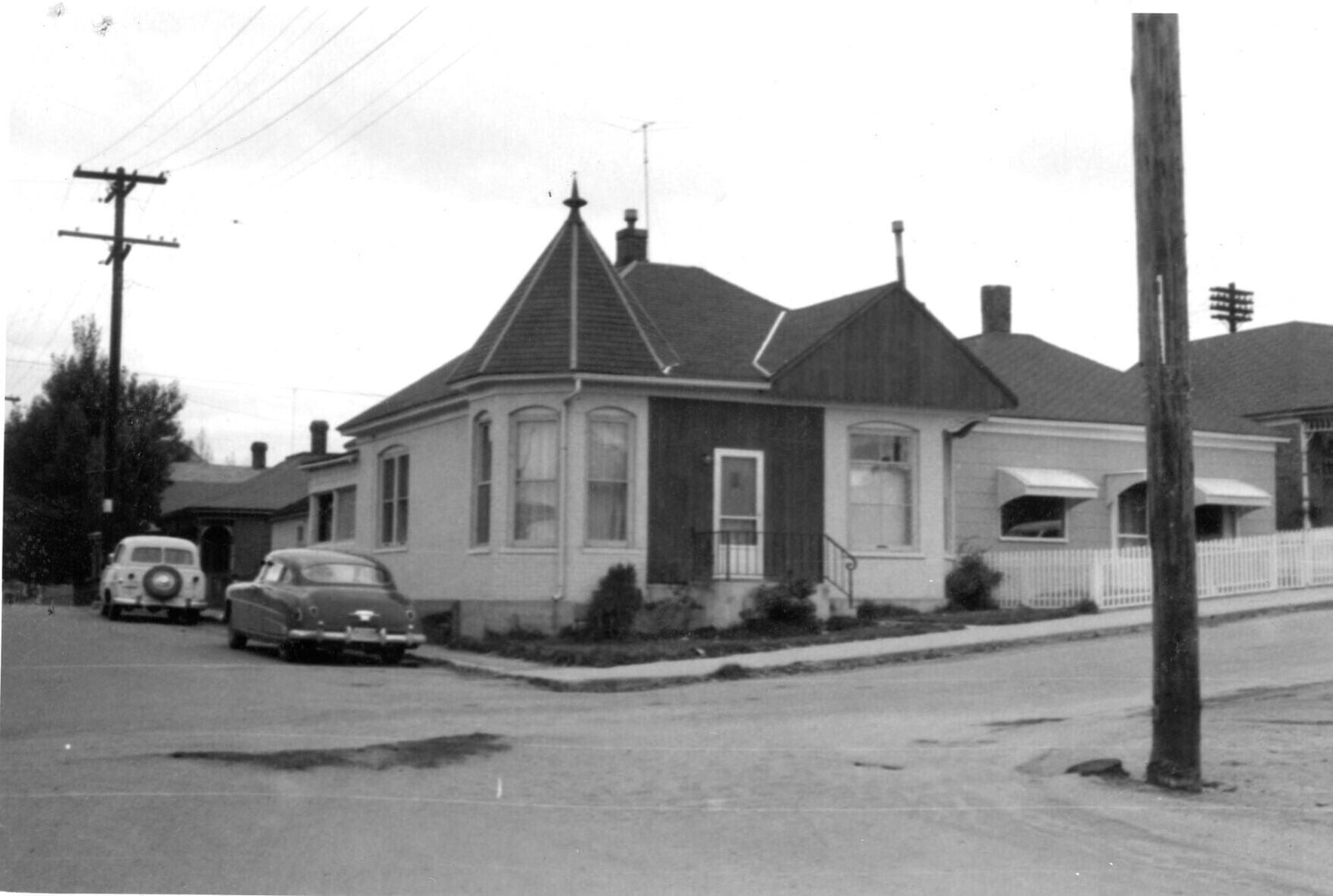
Shea was just 6 years old when she was first introduced to her grandmother, via an old, framed photograph displayed in the family home at 519 N. Montana St.
The snapshot of “Bina,” who died Sept. 6, 1940, at the age of 58, was taken as she sat on a blanket near the Madison River.
“That was my introduction to Abigail Bina Healy,” wrote Shea.
Bina leaves Ireland
Through old letters, newspaper articles and documents, along with family lore passed down through the generations in both Butte and Ireland, Shea learned that her grandmother, described as quiet, was also resilient, was a stickler when it came to saving money and was business savvy.
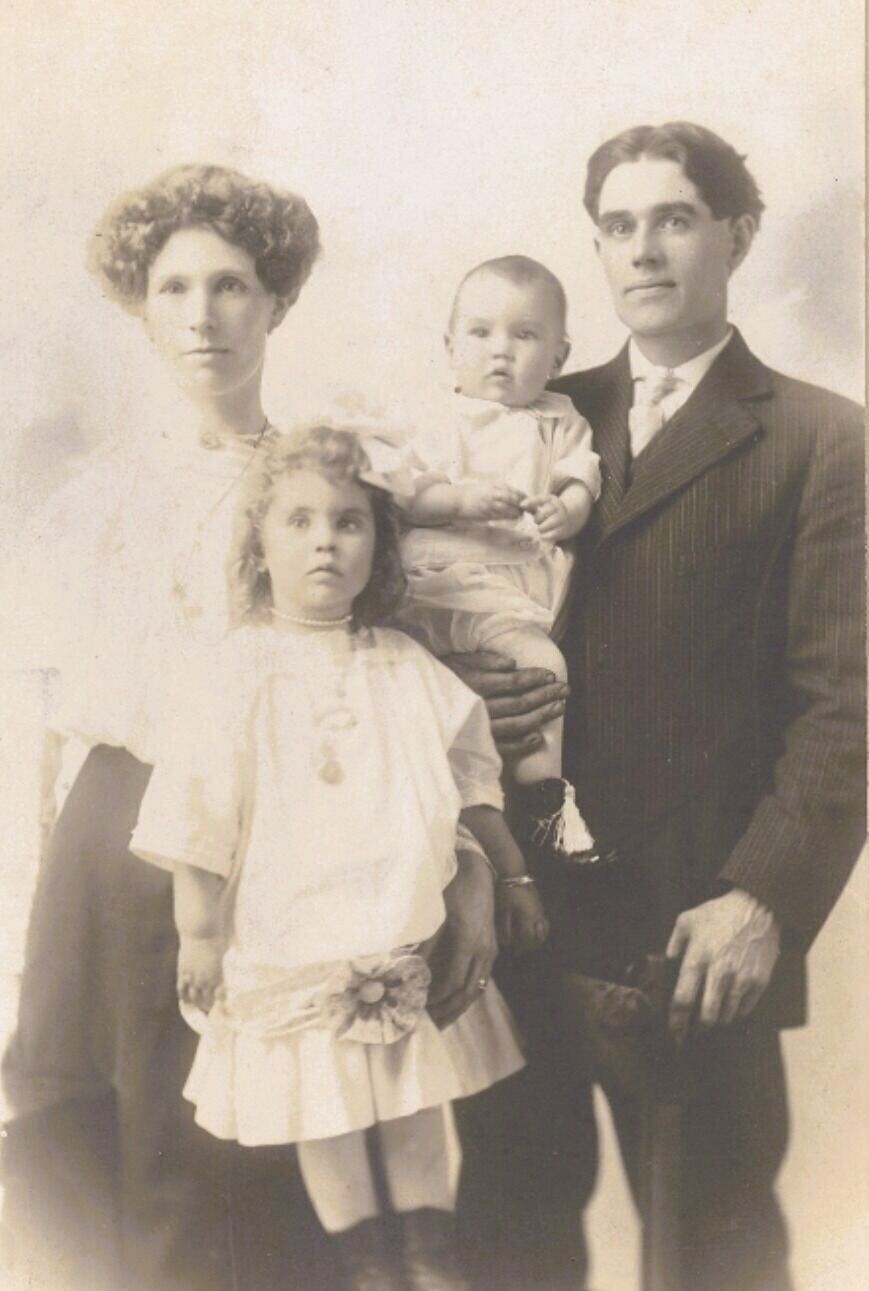
One of nine children born to Tadhg and Ellen (O’Sullivan) Harrington, Healy already had siblings living in Butte, including sisters Mary, Nora and Nellie, when she emigrated to America.
According to the National Museum of Ireland’s website, between 1856 to 1920, approximately half of the immigrants from Ireland to America were young single women searching for a better life.
Although poverty was prevalent in the Beara Peninsula, with Bina’s father farming a small plot of land and fishing to make a living, Bina had a job working in the local post office. She would leave her life in Ireland not because of poverty, but out of a sense of loyalty.
A letter posted from Butte on March 26, 1906, from her sister, Nora Holland, would bring Bina to the Mining City. Another sister, Mary Holland, had suffered a miscarriage and Bina’s help was needed.
“She took a leap of faith and came here,” said Shea.
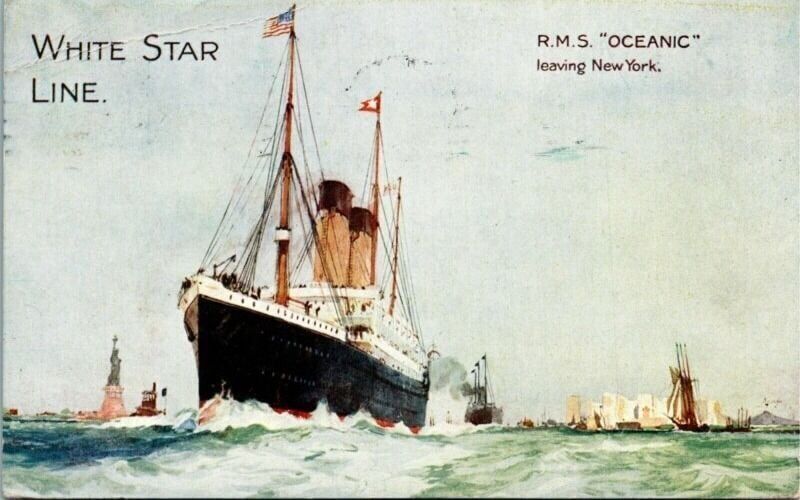
Once aboard the RMS Oceanic, Bina would read a letter written by her brother Pats.
“You are the life and blood of the family,” the brother wrote. “Stay safe, dear sister. May America bring you happiness.”
Bina in Butte
The first few years of Bina’s life in Butte revolved around her sisters and their families, and working as a domestic.
Shea said it must have been quite a cultural shock for her grandmother when she arrived in Butte.
“There was no Atlantic Ocean and no fields of green,” said Shea.
On Nov. 25, 1911, The Butte Inter Mountain reported on two recent weddings, including Bina’s marriage to Michael Healy at St. Mary’s Church.
“Two sturdy Irish laddies and two fair maids of the Emerald Isle were married this week,” wrote the newspaper.
Looking back at the life and times of her grandmother also required Shea to revisit not only the history of Ireland, but of Butte, as well.
The realization of how much her grandmother lived through and witnessed was humbling.
In her lifetime, she experienced labor unrest in her homeland and in Butte.
Strikes were commonplace in Butte, as were the many mining accidents that led to the deaths of hundreds and hundreds of men, including her brother-in-law, Jerry Holland, who died from injuries received in 1913 at the Badger State Mine.
So many Irish men were killed in the mines that Butte’s St. Mary’s Parish had become known as “the widows’ parish.”
As for their native country, Butte’s Irish, including Shea’s grandmother, remained dedicated to Irish freedom.
“She was committed to Irish causes and sent a lot of money home,” said Shea.
Butte’s Irish population grieved when news of the 1916 Easter Rising in Dublin reached the Mining City. In the aftermath, the mood in Butte would quickly turn to anger as the rebellion’s 16 Irish patriots were executed by the British. Later, the Irish War of Independence from 1919 to1921 and the Irish Civil War of 1922-23 brought hope to some and mixed emotions for others.
Amid those events, martial law was declared in Butte from 1914 to 1921, and the Mining City’s most catastrophic mining disaster occurred on June 8, 1917, killing an estimated 166 men. Added into the mix were the U.S. entry into World War I and the Spanish flu epidemic.
Bina would give birth to her youngest daughter, Enda, during the epidemic and managed to keep her other daughters, Veronica and Vivian, and son Emmet healthy and safe.
Prohibition would also take effect in Montana on Jan. 1, 1919. The ban on alcohol was difficult to accept since Butte’s 210 bars were forced to shut down, along with three breweries.
The Butte Miner reported, “Those who have to a greater or lesser extent been embalmed in Butte for various periods of time, last night placed the corpse of King Alcohol, whose fluid had been responsible for much pleasure and some sorrow, in a grave lined with empty flasks of all descriptions and of differing monetary valuations … It was beautiful.”
Bootlegging in Butte's Prohibition
Shea’s grandfather Michael was a miner by trade and during strikes would find work in Utah and Washington.
Tired of working underground, tired of the strikes, and more importantly, weary of not being able to spend more time with his family, Mike and Bina would purchase a grocery store and buy their home on Montana Street.
The couple also decided to start a side business. Even though alcohol was now illegal, it was still much in demand, so they invested in some stills to supplement their income.
Bina played an integral part in this newest venture.
“Oh, she definitely helped with his bootlegging business,” said Shea. “She came to see Prohibition as a market opportunity.”
Bina, who took care of the books, also prepared for the inevitable arrests of her husband.
“My grandmother kept a stash of $50 bills in a trunk in order to bail my grandfather out of jail,” said Shea.
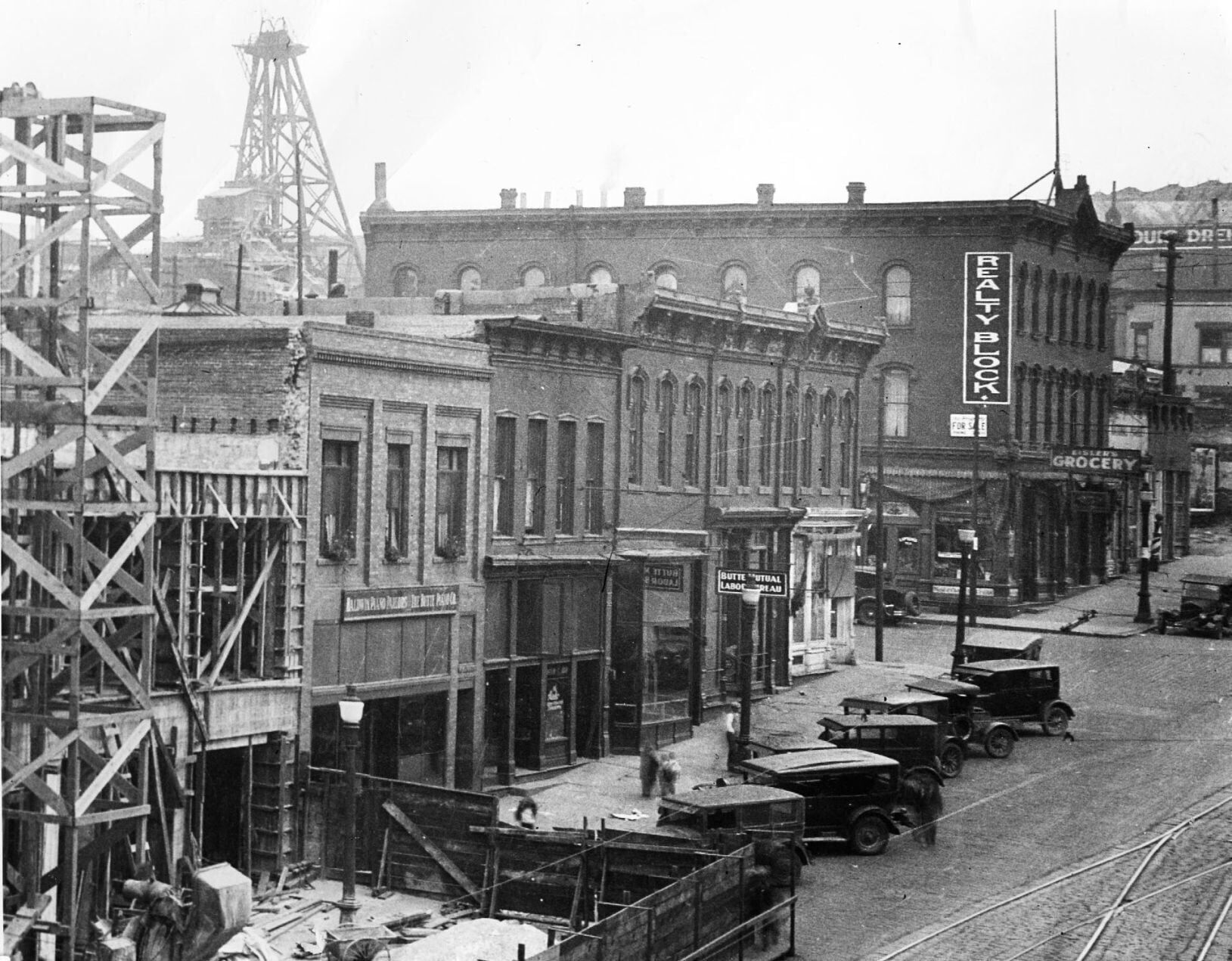
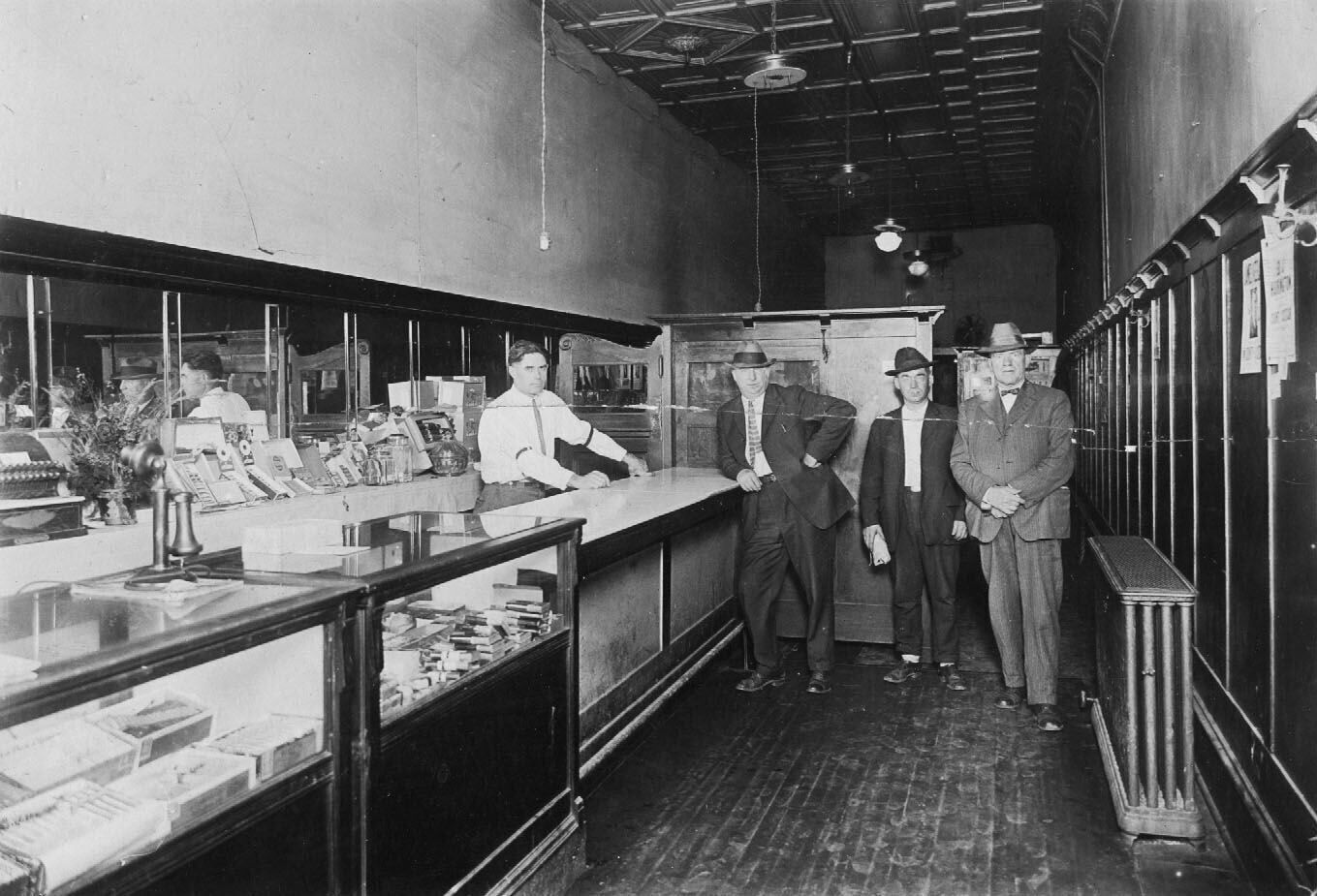
The Healy’s next business venture was a partnership with a Spokane man, A.F. Kelly. Their purchase of 219 and 219½ N. Main St. led to the ownership of the Radio Cigar Store, which, Shea said, was also used for “bootlegging activity.”
Stashing money away was a smart move on Bina’s part, as her husband was arrested several times during Prohibition.
One such arrest was reported in The Butte Daily Post of Feb. 3, 1928. “Night Raids Result In 6 More Booze Arrests,” was the newspaper’s headline.
Bond was set at $200 for Shea’s grandfather. That was a chunk of change back then and in today’s world is the equivalent of more than $3,820.
In the midst of the Great Depression, tragedy would strike the Healy family. Their son Emmet, 17, died April 12, 1932, from injuries received in an automobile accident.
Following Emmet’s death, Shea said no music was played in the Healy home.
“It took my grandmother a long time to recover,” said Shea.
Prohibition came to an end on Dec. 5, 1933, and the Radio Cigar Store ceased to exist. In its place, the establishment would officially become the Radio Bar.
According to Shea, her grandmother was in failing health for several years before her death in 1940.
A trip to the Rochester Clinic in Minnesota led to a diagnosis of pernicious anemia. Now manageable with treatment, back then the disease was a death sentence.
American author Liam Callanan once said, “We're all ghosts. We all carry, inside us, people who came before us.”
Callanan’s insightful words certainly held true for Shea.
Learning more about her grandmother’s life, her triumphs and tragedies were well worth the journey.
As she wrote in her book’s epilogue — “What I found, through wonderful avenues of discovery, was a warm, compassionate Irish woman.”


Comments ()