
Full lineup announced for Montana Folk Festival in July
Organizers recently announced the remaining eight performers joining the previously released 14 artists coming July 10-12 to the Montana Folk Festival in Uptown Butte.
Festival director George Everett said the lineup gives the complete picture of what to expect when they come to Butte in July.
No admission is charged for any performance over the three days of the festival, but attendees are encouraged to show their appreciation and contribute $25 per individual and $35 per family to ensure that the festival continues for years to come.
“For any one of these performers, you could expect to pay $50 or more to see them at another venue,” said Everett. “These performers will perform multiple times in Butte throughout the festival weekend and admission to all shows will be the same — free, thanks to the generosity of our sponsors and contributors who give $5 to $50,000 or more, so that this festival remains free of admission to all.”
Previously announced performers include Pine Leaf Boys, Cajun; Amanda Cook Band, bluegrass; Keith Johnson, Blues; Afro Dominicano, merengue tipico; Tamburaski Sastav Ponoc, tamburitza; Legendary Ingramettes, gospel; Cecilia, Quebecois; La Santa Cecilia, Mexican American; Prezident Brown, reggae; Be’la Dona, go go; Saraswathi Ranganathan, Carnatic veena; Dale Watson; honky tonk; Parangal, Filipino dance; and Nest of Singing Birds, Appalachian songs, stories and ballads.
The additional festival performers are:
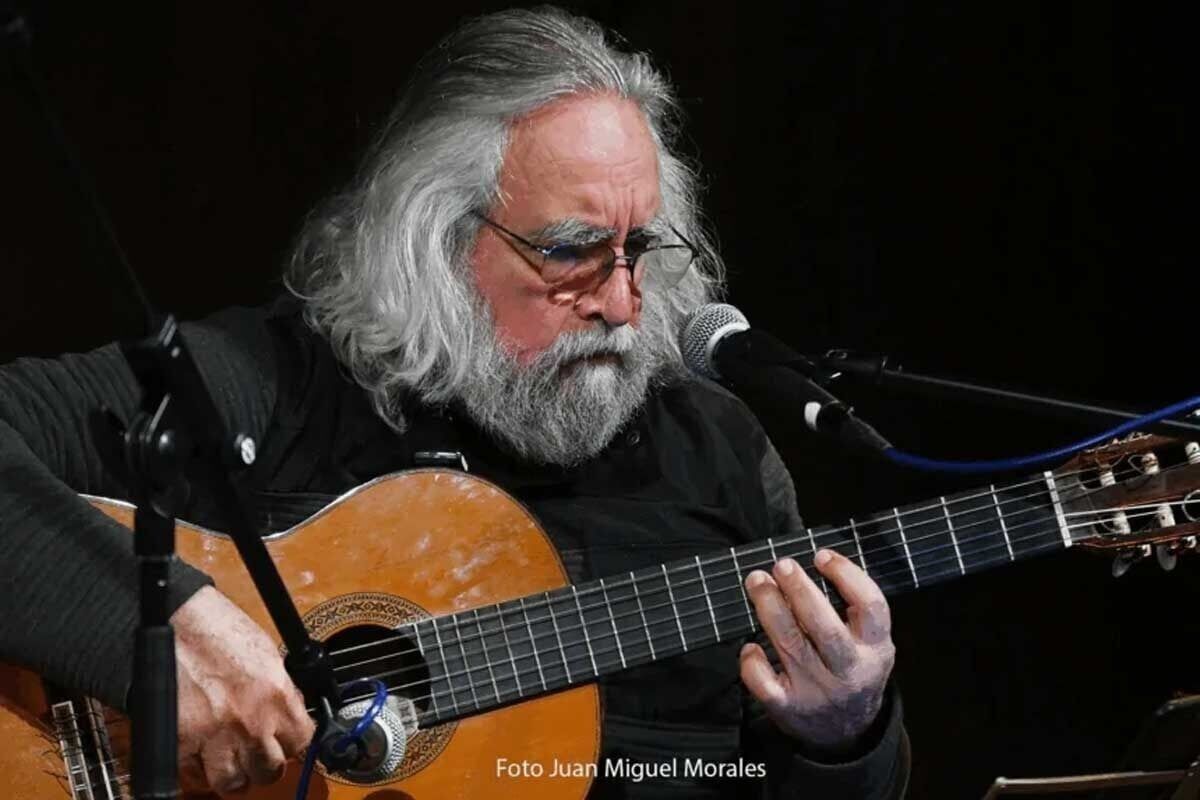
—Pedro Luis Ferrer of Miami, Florida, embodies the heart, mind and soul of Cuba. A legendary singer/songwriter, masterful vocalist, composer, poet and virtuoso on Spanish guitar and Cuban tres, he performs with his daughter, Lena Ferrer, who contributes stunning vocals, hand percussion and Marimbula (an African-derived Caribbean plucked box that provides bass lines).
The father-daughter duo creates unique and compelling harmonies, drawing on deep research into indigenous Afro-Cuban styles, like son, trov, and guaracha, while adding contemporary innovations.
Pedro Luis’ lyrics convey an organic philosophy of the important things in life — truth telling, good food, an appreciation of beauty and freedom, always with uplifting energy and a keen sense of humor.
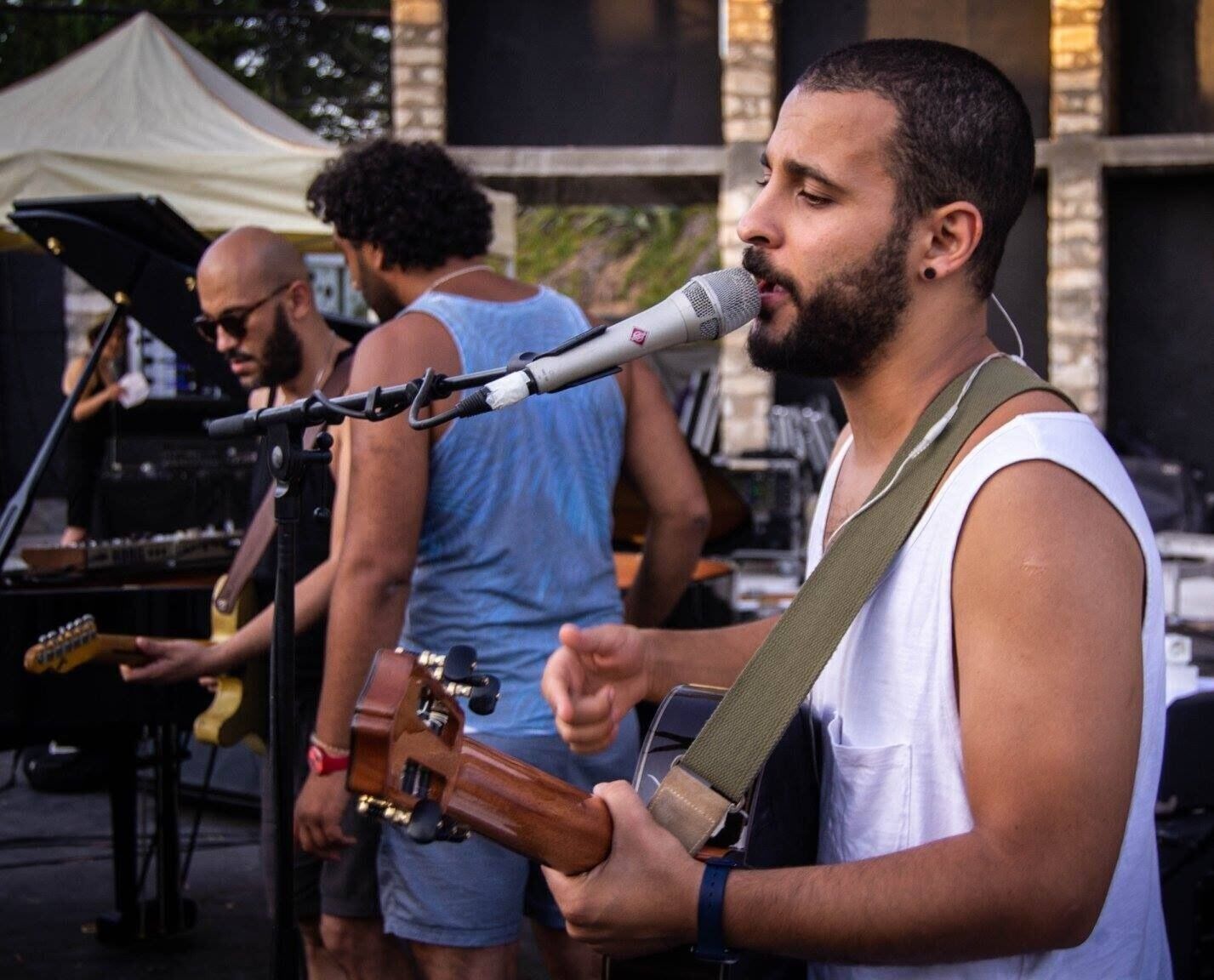
—Based in New York, Nour Harkati is a Tunisian desert blues musician, singer-songwriter, forging a powerful bridge between ancestral North African traditions and the raw pulse of contemporary urban sound.
Deeply rooted in spiritual Gnawa rhythms and the trance-driven spirit of desert blues, he blends the ancient resonance of the Guembri with gritty NYC drums, electronic textures and modern songcraft. The result is a sound that is both meditative and electrifying-philosophical in depth, yet irresistibly groove-driven.
With poetic lyricism and infectious rhythms, Moulena marks a bold new chapter— where the soul of the desert meets the relentless energy of New York City.
—Born and raised in Ioannina, Greece, Vasilis Kostas, a Grammy-nominated performer on the laouto (a long-necked, fretted lute with four paired strings), represents the next generation brought up in the musical traditions of Epirus, a region in northwest Greece known for music with strong melodic lines, mournful lyrics and slow rhythms.
Vasilis grew up listening to his grandfather sing each night — an early exposure that ignited his passion for this musical tradition. A key mentor in his journey was Petroloukas Halkias, a living legend of the clarinet and master of the Epirotic tradition. Together, they have toured extensively across the U.S., Europe and Greece, and recorded two acclaimed albums, The Soul of Epirus Volume I & II, which showcase their deep musical dialogue and commitment to evolving this rich tradition.
Vasilis, now living in Boston, Massachusetts, is the first to introduce a course on the music of Epirus in the U.S. At the Montana Folk Festival, Vasilis will be joined by talented rising musicians performing Greek traditional music on voice, violin and the laouto.
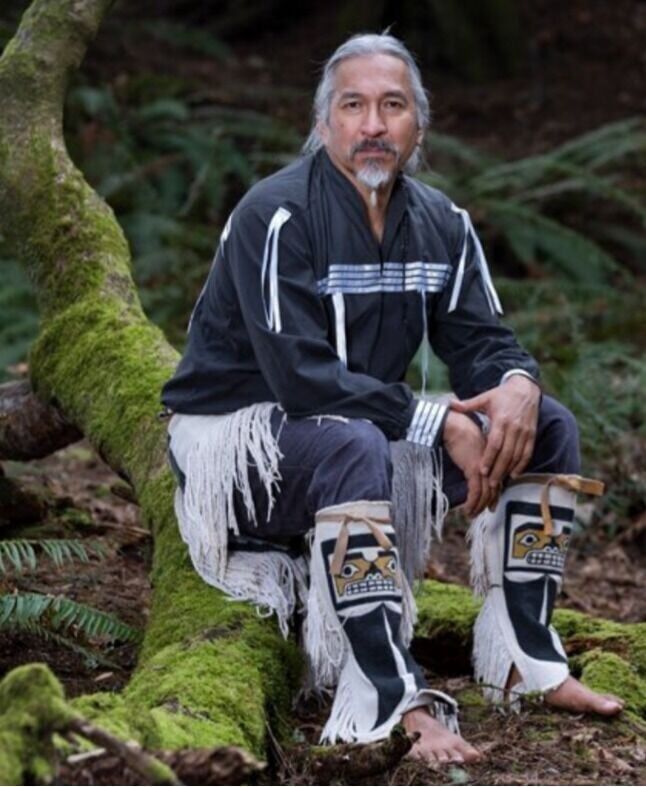
—Raven dancer and storyteller Gene Tagaban of Ruston, Washington, uses interactive stories, music and dance as tools to entertain, inspire and heal. He brings people of all ages and backgrounds into active participation with timeless Indigenous teachings centered on deepening self-knowledge, strengthening interpersonal connections, and developing compassion and respect for the natural world.
Tagaban, whose Tlingit name is Guuy Yaau, is a member of the Tak’deintaan Raven Freshwater Sockeye Clan of Hoonah, Alaska, and the child of the Wooshkeetaan Eagle Shark Clan of Juneau, Alaska. Of Cherokee descent on his mother’s side and Tlingit and Filipino on his father’s, he was raised in his father’s homelands in southeast Alaska.
He has devoted his life to sharing teachings gathered from a range of mentors and disciplines. He has performed for or appeared alongside such figures as the Dalai Lama, Desmond Tutu, Maya Angelou, and Jane Goodall, and is also a celebrated comedian, actor and motivational speaker — all of which he incorporates into his live performance.
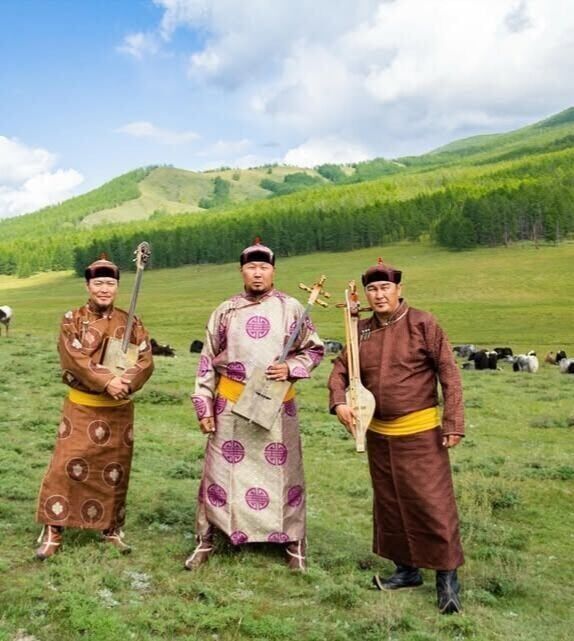
—The Tuvan throat-singing ensemble Alash are masters at their craft, a remarkable technique for singing multiple pitches at the same time.
What distinguishes this trio from earlier generations of Tuvan throat singers is the subtle infusion of modern influences into their traditional music. One can find complex harmonies, western instruments, and contemporary song forms in Alash’s music, but its overall sound and spirit remain decidedly Tuvan. Trained in traditional Tuvan music since childhood, the Alash musicians studied at Kyzyl Arts College just as Tuva was beginning to open up to the West.
They formed a traditional ensemble and won multiple awards for traditional throat singing in international xöömei competitions, both as an ensemble and as individuals. At the same time, they paid close attention to new trends coming out of the West. They have borrowed new ideas that mesh well with the sound and feel of traditional Tuvan music.
The Washington Post described their music as “utterly stunning,” quipping that after the performance “audience members picked their jaws up off the floor.” Their tours often include workshops in which they introduce Tuvan music to students in primary, middle and high schools, colleges, universities and music conservatories.
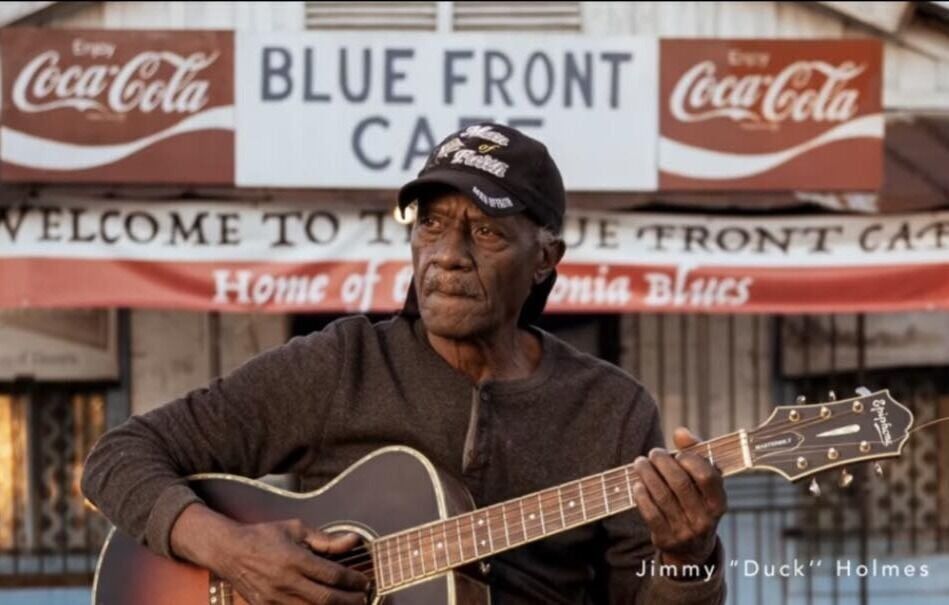
—Bluesman Jimmy “Duck” Holmes of Bentonia, Mississippi, is the greatest living proponent of the Bentonia blues, a highly localized style known for its haunting and eerie sound. Some have dubbed him “the last” master of this distinctive style, but his dedication to preserving and passing on his knowledge, his award-winning recent recordings, and his electrifying stage performances are building a renaissance for the unique music that bears the name of his tiny Mississippi hometown.
An unassuming yet lovingly tended building in rural Bentonia (current population around 300) on the southern edge of the Delta, it draws a diverse cast of local people and blues tourists from as far away as Europe and Japan to the sessions Holmes kicks off every weekend.
Holmes has toured and recorded since the early 2000s, yet his heart is with the blues, which he calls “the foundation [that] all American music was built on.”
“As long as I live, I’m gonna be on a stage somewhere, singing the old-style country blues,” said Holmes.
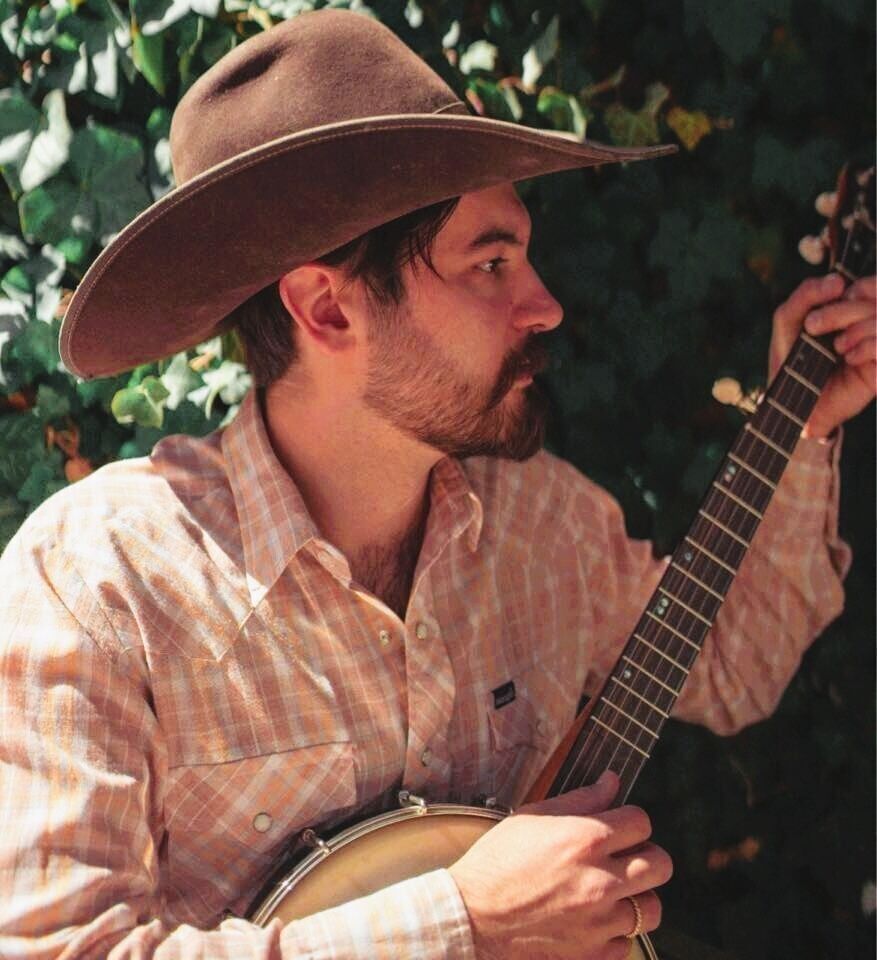
—Montana songwriter Sterling Drake has a penchant for honest storytelling, weaving his own perspective into the American songbook and rooting it in the landscapes and traditions that shaped him. His music carries the character of the rural West, often speaking directly to the people, places and working cultures that define it.
In recent years, Drake and his band have become fixtures at cornerstone gatherings such as the National Cowboy Poetry Gathering, Under the Big Sky, AmericanaFest and more, further cementing their place in the country and roots community. His work is deeply message‑forward, advocating for the issues facing his home region and rural America at large.
Drake, who lives in Philipsburg, champions the pride, diversity and shared heritage of American roots music. His songs aim to build unity, giving small communities a place in the broader cultural conversation and reminding listeners of the common threads that run through the American story.
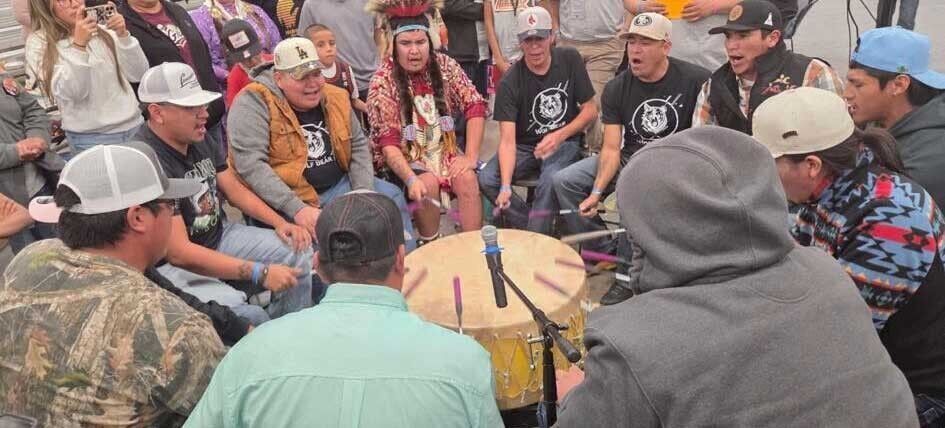
—Wolfbear Singers, an award-winning traditional drum group, are from Lodgegrass, in the heart of one of Montana’s seven tribal reservations, the land of the Crow or Apsaalooke nation.
Each drummer in Wolfbear Singers has grown up surrounded by the powerful rhythm of the drum, and they each feel a deep connection to their heritage and culture. One day, they decided to come together and form the group Wolfbear Singers, each sharing their passion for music and tradition.
The group brings their unique energy, voice and vibes to create a vibrant sound that resonates with audiences.
Through their music, Wolf Bear Singers honor their roots and fosters a strong sense of their community. They can be found busy in powwow season winning prizes and awards for their performances, as well as providing rhythm and cadence for ceremonial gatherings throughout the year.
For more details about the upcoming festival, call Everett at 406-565-2249.




Comments ()