
Gallatin Watershed Council hosts seventh annual river cleanup
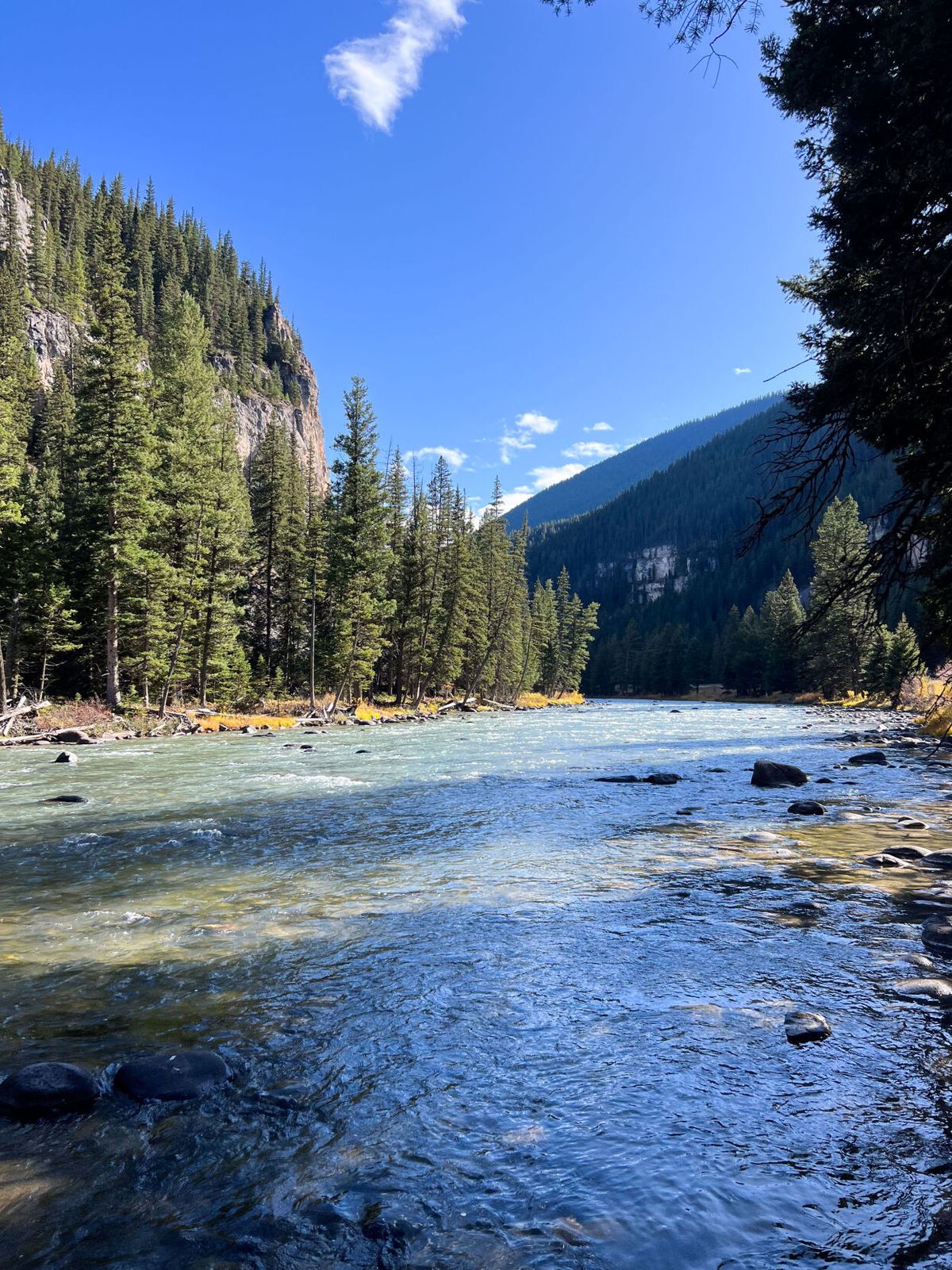
Over the last six years, the Gallatin Watershed Council (GWC) has collected 20,000 pounds of trash from local waterways. Last Saturday, Sept. 6, the seventh annual Gallatin River Cleanup continued this tradition of conservation work.
The GWC is a nonprofit organization that aims to sustain and protect the Lower Gallatin Watershed, according to its website. Established in 2004, the organization consists of MSU professors and scientists, environmental consultants, landowners and agricultural producers, according to its website.
“The Gallatin Watershed Cleanup started six years ago and it's a great way to bring together the Bozeman community, create tangible change and obtain input from our volunteers,” said Abigail Sloot, one of the event’s volunteer coordinators.
There were approximately 130 volunteers in attendance on Saturday working in small teams to cover 12 local watershed sites, according to Sloot. 10 of these volunteers were at the Bozeman Creek site and spent two hours pulling beer cans, discarded clothing, rotting groceries and other items out of the water.
Recent MSU alumna and volunteer Megan Moffet said the experience was disheartening. “It’s sad that we have to do this, but it’s amazing to see the community come together and that people are trying,” she said.
“It’s impressive how much [trash] we’re able to get,” said volunteer Elliot French. The Bozeman Creek volunteers recalled a specific moment from the cleanup: as they waded upstream, a small fish suddenly darted past their feet. To the volunteers, it was a hopeful moment that proved their efforts were not in vain.
Of the 23 major rivers and streams in the Lower Gallatin Watershed, 15 are classified as impaired by the Montana Department of Environmental Quality, meaning the water body or stream fails to comply with water standards.
“They’re not meeting water quality standards and there are a few reasons for that,” Sloot said. According to her, the major quality concerns are excess nutrient pollution, sediment and pathogens in the water.
Katherine Berry, GWC's water policy manager, said that working towards sufficient water quality, water availability and resilient lands will benefit everyone who relies on access to clean water. “We need water. We need it to be clean and we need it to be available,” she said.
“Seeing the community and the volunteers work together like this, it’s the most rewarding part of the job,” Sloot said. “We couldn’t do any of this without them.”
According to Berry, public awareness is important for GWC's mission of watershed stewardship. “What we do in Bozeman matters — what we do in the Gallatin Valley matters for so many reasons. We need to keep picking up trash and making a difference,” she said.
According to Sloot, there are multiple volunteer opportunities where people can help protect our waterways. These include streamside revegetation, building beaver dams or participating in more frequent and skilled cleanup crews like the GWC’s River Restoration Action Teams known as River RATs. This is a direct-action group that meets every Thursday to aid in ecological preservation, according to the GWC’s website.
To learn more about the GWC, go to https://www.gallatinwatershedcouncil.org/.


Comments ()