
Get the knowledge and gear - a guide on avalanche safety
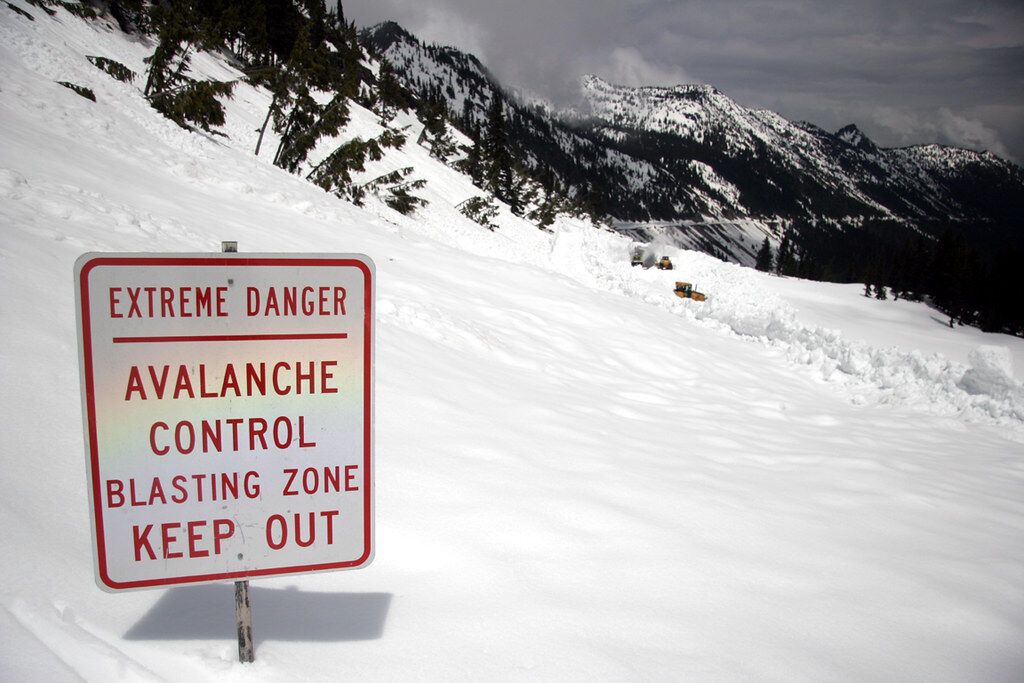
While it may seem that the probability of avalanches is very low for the average mountain-goer to worry about this time of year, the second that snow hits the ground they become a possibility — and something important to keep in mind.
According to the Gallatin National Forest Avalanche Center’s (GNFAC) Instagram page, “We just got our first report this season of a human-triggered avalanche. It was triggered in “The Great One” on Sacagawea Peak in the northern Bridger Range.”
With early-season conditions prevalent, the snow hasn’t had a ton of time to settle, meaning human triggered slides can be rather common.
“Even when there is shallow snow coverage, there is still avalanche potential. A common phrase is, “if there is enough snow to ride, there is enough snow to slide.” We already had one human-triggered avalanche near Fairy Lake on Nov. 8, and a couple natural avalanches near Cooke City,” Avalanche Forecaster at GNFAC Alex Marienthal said.
With the ever-present danger of an avalanche, having access to the correct knowledge and gear is essential to having a safe and fun experience on the slopes.
Whether you're riding Lone Peak at Big Sky, the ridge at Bridger or out-of-bounds, it’s still vitally important to know what’s happening with the current conditions.
“Get the daily avalanche forecast at www.mtavalanche.com/forecast before you head out in the mountains and hit the subscribe button on our website to get our forecast in your email every morning. Even if you don't go out that day, it is a great way to learn,” Marienthal said. “I think if you ride in-bounds at Bridger or Big Sky, including the Ridge and terrain that requires a transceiver you do not need to take a Level 1 avalanche class. Understand that the terrain immediately outside the boundaries of Bridger is avalanche terrain and can be very dangerous.”
If you’re looking to expand the amount of terrain to ride, getting the gear and proper knowledge along with always bringing a buddy are two of the most important steps to grabbing some turns outside of resort boundaries.
“Avalanche rescue gear is important in the case someone does get buried by an avalanche. Accidents happen. If buried, a person's best chance for survival is if their partner can dig them out in 10-15 minutes. This requires all members of a group to have a beacon, shovel and probe and have the training on how to use those tools to quickly recover somebody,” Marienthal said. “I would recommend at least attending the Friends of GNFAC Avalanche Fundamentals class if you plan to ride out-of-bounds. This class is a very affordable start for people who plan to spend time in the backcountry anywhere.”
To get the correct gear in town, Bozemanites can try Second Wind Sports, REI or Roundhouse Sports, just to name a few options. There’s also the option of renting equipment from the MSU Outdoor Recreation Center located by the Yellowstone Dorms on campus. For those looking to spend more time in the backcountry, an “Avy One” course is recommended for more knowledge regarding avalanches.
“You can sign up for classes from the Friends of GNFAC and other local course providers through the calendar on our website at www.mtavalanche.com. All providers are good, and many offer slightly different experiences depending on what you are looking for,” Marienthal said.
If you want to begin exploring the terrain that Montana has to offer, get the gear, get the knowledge, get a buddy and go catch those seemingly endless powdery turns.
To check out GNFAC’s class schedule: https://www.mtavalanche.com/workshops/calendar.
To find out further resources for gear to get, check out: https://www.switchbacktravel.com/backcountry-skiing-checklist.
To investigate GNFAC’s daily avalanche forecast, go to: https://mtavalanche.us17.list-manage.com/subscribe.

Comments ()