
Gianforte just signed a $16.5B state budget. Here’s what made the cut, and what didn’t
With only a little more than a week to spare until the start of a new fiscal year, Gov. Greg Gianforte on Friday signed off on the state’s primary $16.5 billion two-year budget bill, advancing all but $31 million worth of the spending priorities tucked into it by the 2025 Legislature.
House Bill 2 is the state's main spending measure. It funds government operations, chiefly agencies and their programs, through a mix of federal and state dollars.
Although the version of HB 2 passed by the Legislature is very similar to what he originally proposed — increasing by less than 2% — he has distanced himself from the rest of the spending greenlit by the legislative branch.
In his June 20 veto letter, Gianforte, a Republican, said "the budget I received from the Legislature wasn't as fiscally responsible as the one I proposed."
The governor has "line-item veto" authority to cut specific expenses from the budget without killing the entire bill, a liberty he took with initiatives like reimbursement money for air ambulances, funding for an expanded free school lunch program and a little-known allocation with ties to a political squabble from 2023.
"While the budget the Legislature passed is balanced, it includes unnecessary spending," the letter reads. "Therefore, I return House Bill 2 with my signature but with line-item reductions to protect Montana taxpayers and their hard-earned resources."
Gianforte also wrote that he had vetoed $349 million in expenditures from other bills passed by the Legislature.
A political football under even the most ordinary of legislative times, HB 2 has become a proxy for the deep ideological fissures that characterized the 2025 session.
Moderate Republicans joined with the majority of Democrats in both the Senate and House to pass a version of HB 2 that mirrored much of what GOP Gianforte proposed late last year before lawmakers convened in Helena.
The alliance spurred consternation among the right flank of the Republican party who tried time and time again to make the case for cutting spending with no success. It became a pattern so familiar that "the cake is baked" was a common refrain from hardliners by the session's twilight.
But the bipartisan bloc also rankled some more left-leaning Democrats who felt they were relinquishing influence by partnering with moderates on the budget rather than pushing for progressive priorities like growing the social safety net.
In the weeks since the session wrapped, far right fiscal hawks have launched a public pressure campaign rife with editorials in local newspapers, emailed press releases and even anonymous robocalls criticizing the Legislature for passing an "irresponsible" budget. Specifically, they say the budget fails to keep enough in the bank and spends too much on pet projects rather than putting money back in the pocket of the taxpayer.
The Montana Constitution requires the government to balance its own budget, and state code urges lawmakers to leave some money in the bank that can be tapped if things change.
A June 3 forecast from the state’s Legislative Fiscal Division estimated ongoing expenditures would outpace ongoing revenues in 2028. The same analysis projects there being about $311 million left of general fund dollars left in the bank at the end of the next two-year budget cycle before Gianforte's cuts to the budget put money back in the coffers.
What’s in this two-year budget?
Political pundits often say that a government's budget is a reflection of its values.
The budget bill funds the renewal of Medicaid expansion, a $1 billion-a-year program that provides able-bodied, low income earning adults with government-backed health insurance, and nearly across-the-board reimbursement rate increases for health care providers totaling about $54 million. Behavioral health care infrastructure across the state will see more resources, too.
Public education got an infusion of cash, namely the more than $100 million package to boost starting teacher pay and funds for workforce development. Tribal colleges will see more state money for non-Native students and community colleges will get extra help as well.
Lawmakers allocated about $20 million per year for 600 out-of-state contracted beds with CoreCivic, a private prison operator already doing business in Montana with Crossroads Correctional Center outside of Shelby. That "ongoing" designation is still fluid, however: The Legislature also approved $150 million in capital spending in a separate bill to expand its men's prison by roughly 500 beds, so while that out-of-state population will come down, it appears Montana will continue to use some degree of prison space outside its state lines.
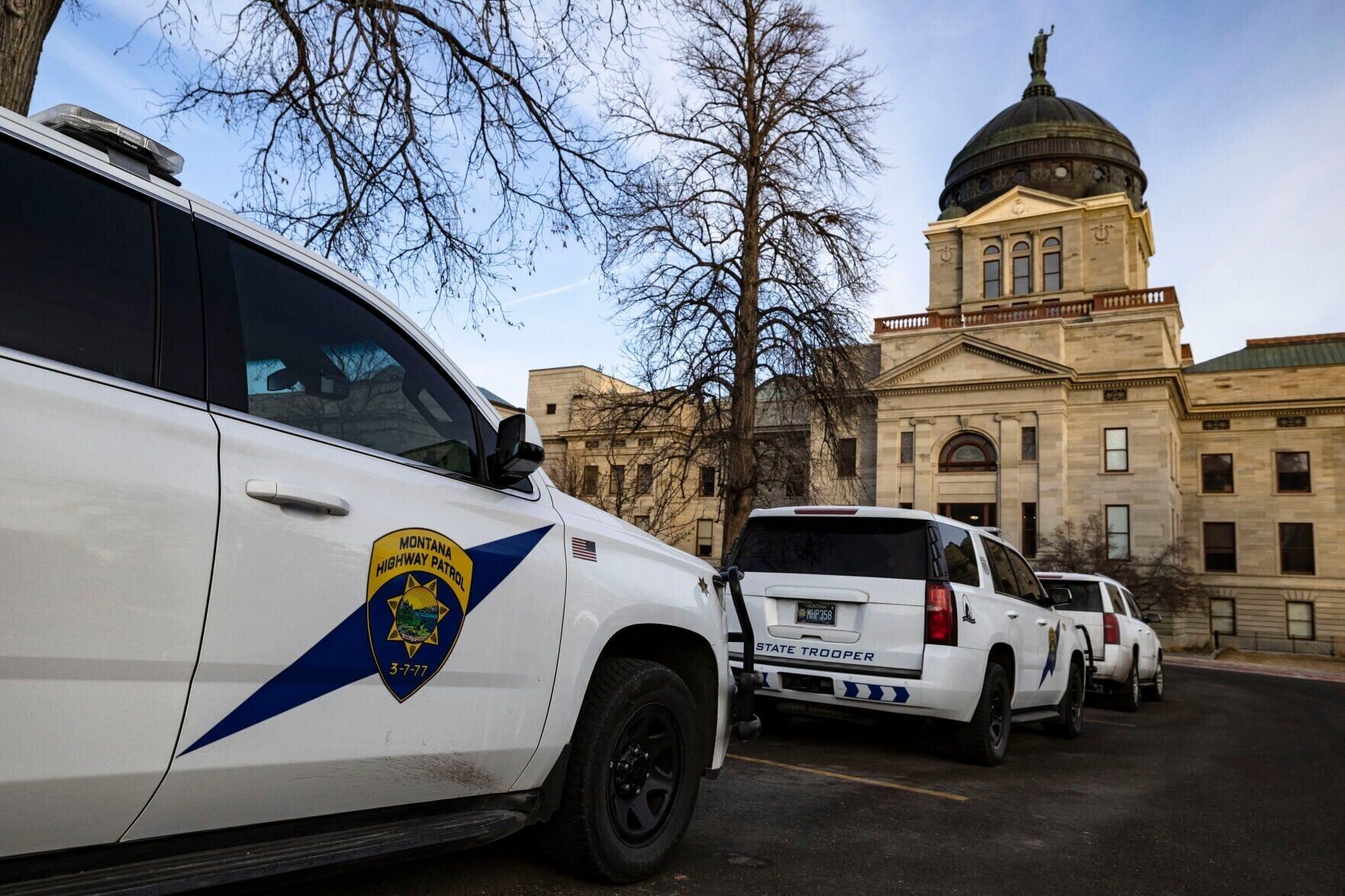
HB 2 funds two new judges for Yellowstone County, bringing that judicial district to 10 District Court judges, pay raises for Montana Highway Patrol and eight new public defenders for an agency that's historically leaned on contract attorneys to keep up with its caseload.
Though outside the scope of HB 2, the headline bills of the session were a pair of property tax proposals that aim to lower the property tax burden on primary Montana homeowners after they saw their bills skyrocket over the last few years.
Still, both measures impact the state's bottom line.
Certain homeowners will receive a rebate of up to $400 this fall, which comes at a cost to the state of an estimated $96.6 million which includes administrative costs. The two bills that became law are highly complex and make significant changes to the state's appraisal system, which will incur costs around new software, hiring staff including an attorney, advertising and other needs.
What did Gianforte cut from the budget?
Using his line-item veto powers, Gianforte said on Friday it was an exercise in "prioritizing what is necessary over what would be nice to have."
On the "nice to have" list was an $11 million increase for provider rate increase for air ambulance providers, $3 million for a student loan repayment program for health care employees at state-run facilities and less than $1 million each for expanding free school lunches, a public school STEM program and an agriculture initiative through the state's Office of Commissioner of Higher Education.
Gianforte also axed a Democratic-led initiative to allocate $6 million from Montana's growing pot of Temporary Assistance for Needy Families (TANF) funds to nonprofits that provide after-school programs. The feds provide states with TANF money as a lump sum every year to help lift low income families out of poverty. Funds don't expire; rather, they accumulate when unused, and Montana's total at the start of the 2025 fiscal year was about $105 million. With Gianforte's vetoes, those funds will likely trickle out as they have in years past, which Democrats and provider say makes too little impact given the available amount.
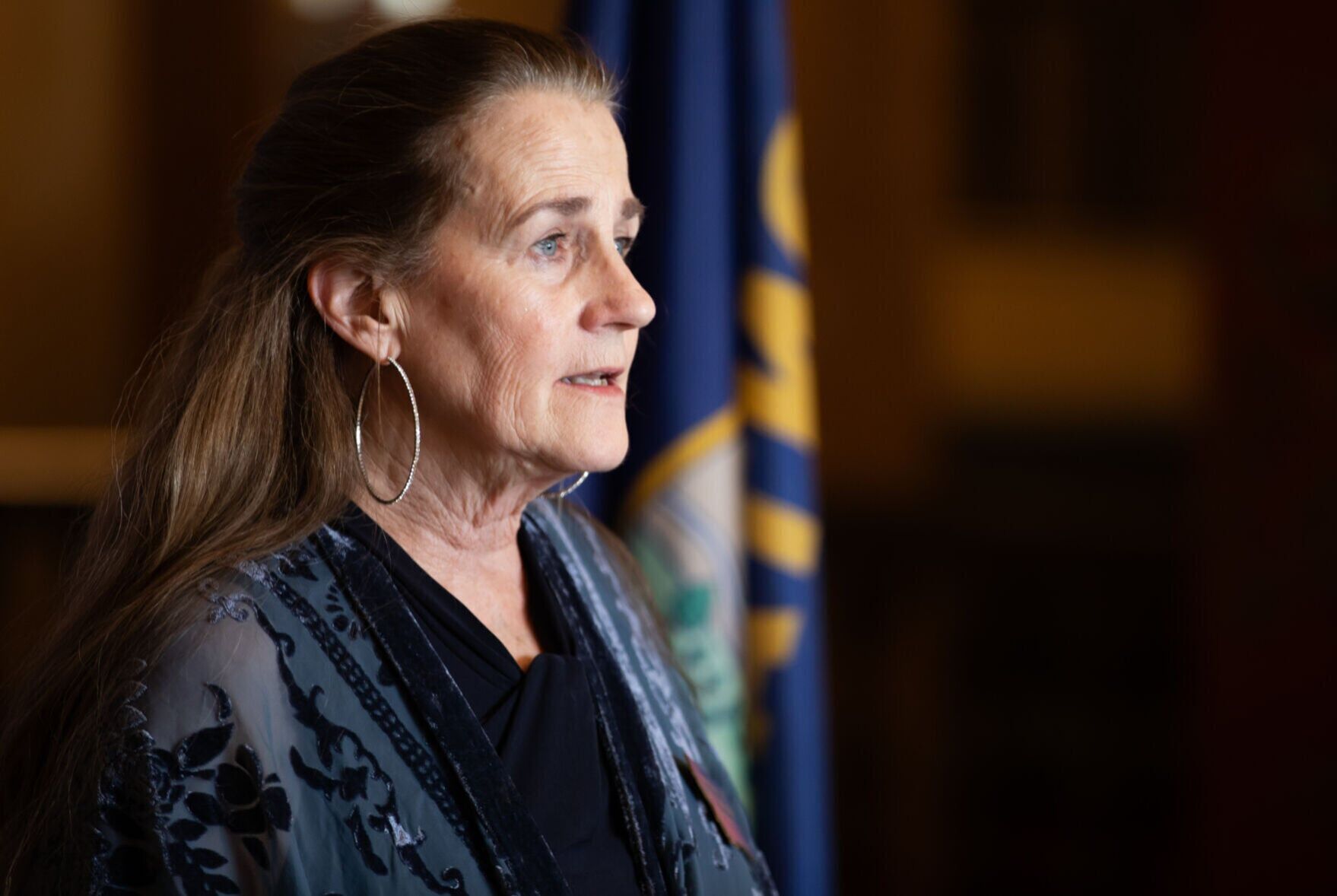
"It makes me feel sick that the Governor chose to rathole money away instead of providing basic services to help children who come from struggling families," said Rep. Mary Caferro, D-Helena. "This investment could have helped families stay together, rather than trying to put families back together once they’ve been broken. I am heartbroken today for Montana's kids."
In the public safety arena, the governor trimmed in two areas. He struck a Legislature-approved rate increase for contracted prisons, a figure that, by law, is tied to how much the state also pays county jails for housing state inmates when prisons are over capacity. Gianforte noted in his letter that the budget he proposed already included a $2.7 million rate increase, so he deemed lawmakers' additional $1.6 million for that purpose as unnecessary.
He also shaved $1.85 million in funding for a 2% rate increase for prerelease centers off of HB 2. The governor said his Department of Corrections is currently negotiating those rates with pre-release centers, so "this additional funding may be premature."
Gianforte also encouraged lawmakers to consider new policies to allow more prerelease centers, specifically for-profit companies, to allow competition in the industry to help manage the cost to taxpayers.
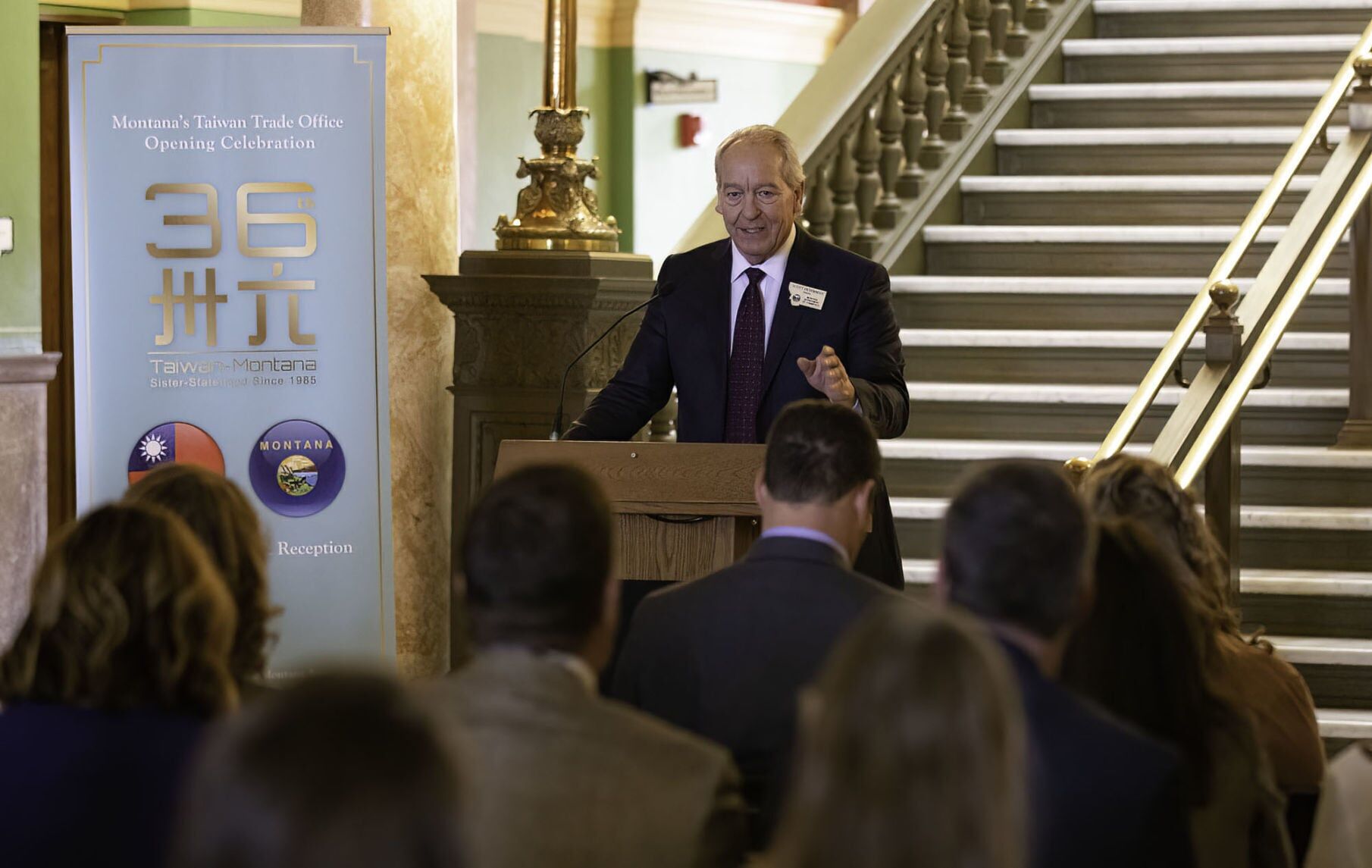
Gianforte also vetoed some small dollar items, like $29,702 that was going to the Department of Commerce, a line item that harkens back to a 2023 squabble that resulted in the resignation of then-director Scott Osterman.
Following an internal probe, Osterman was found to have improperly spent state funds on lodging and travel expenses while he was director of the Commerce Department, and Osterman paid the state back the $29,700. But later, a legislative audit report found that the allegations against him were unsubstantiated and this session lawmakers moved to pay Osterman back the money through that $29,700 appropriation in HB 2.
The Department of Commerce did not request that money to repay Osterman and in his veto letter Gianforte wrote that they also did not need it.
"The veto only proves that the administration must promulgate a myth in order to continue to discredit me for something that has already been disproven and cleared by legislative audit and voted on by the legislature for reimbursement," Osterman said in a text message.
Sen. Ellie Boldman, D-Missoula, said paying the former director back was "the right thing to do."
"I think we're all scratching our heads a little on why the Governor's Office felt it didn't need to reimburse him," Boldman said when reached by phone Friday. "I'm really disappointed."
The governor was willing to spend hundreds of millions in some places, however.
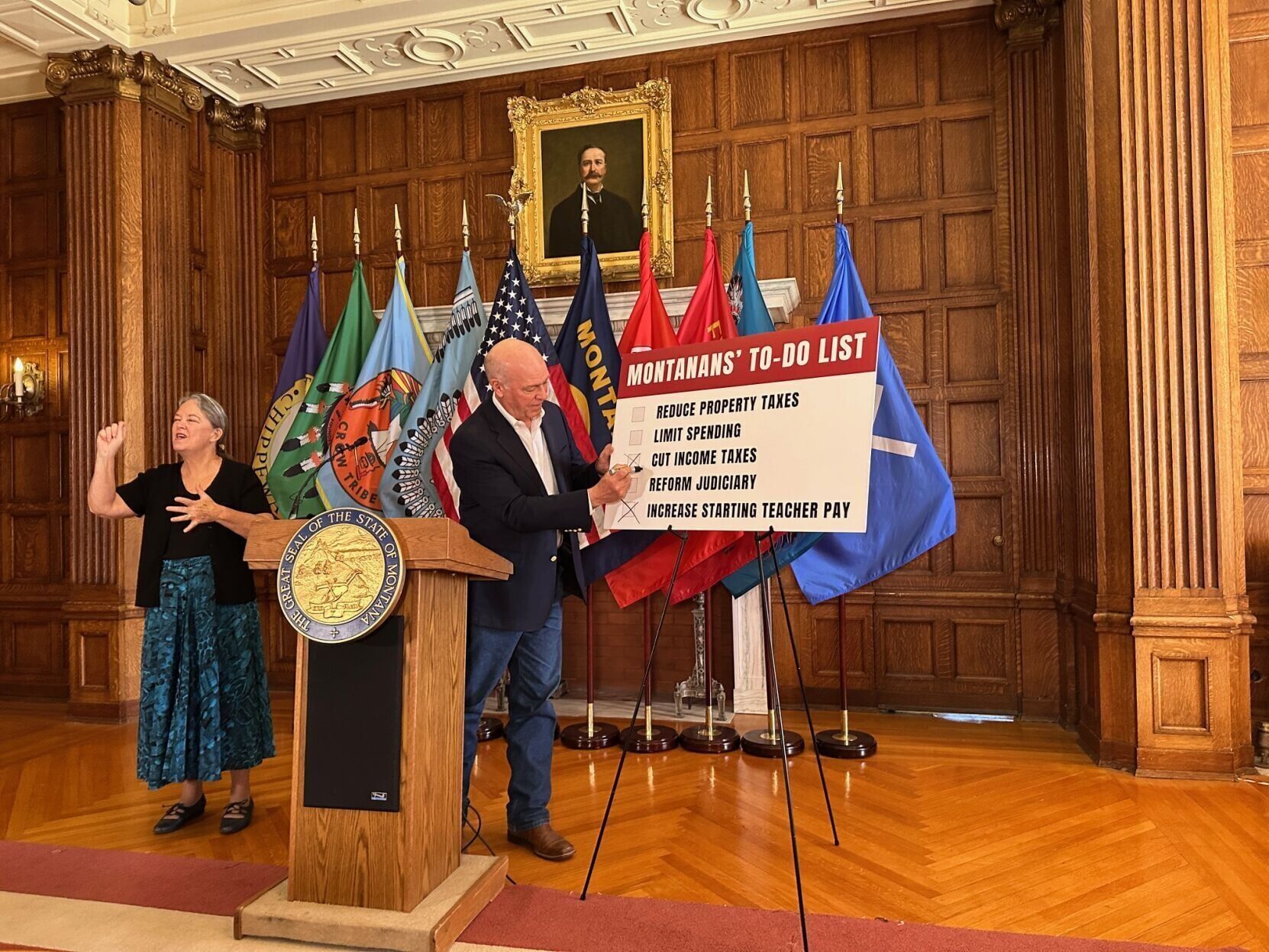
Gianforte signed an income tax cut bill into law, which was one of his top priorities this legislative session. The measure that became law will be an estimated $211 million hit to the general fund by the middle of 2027.



Comments ()