
Gianforte steps into property tax dispute, asks Supreme Court to decide before ‘27 session
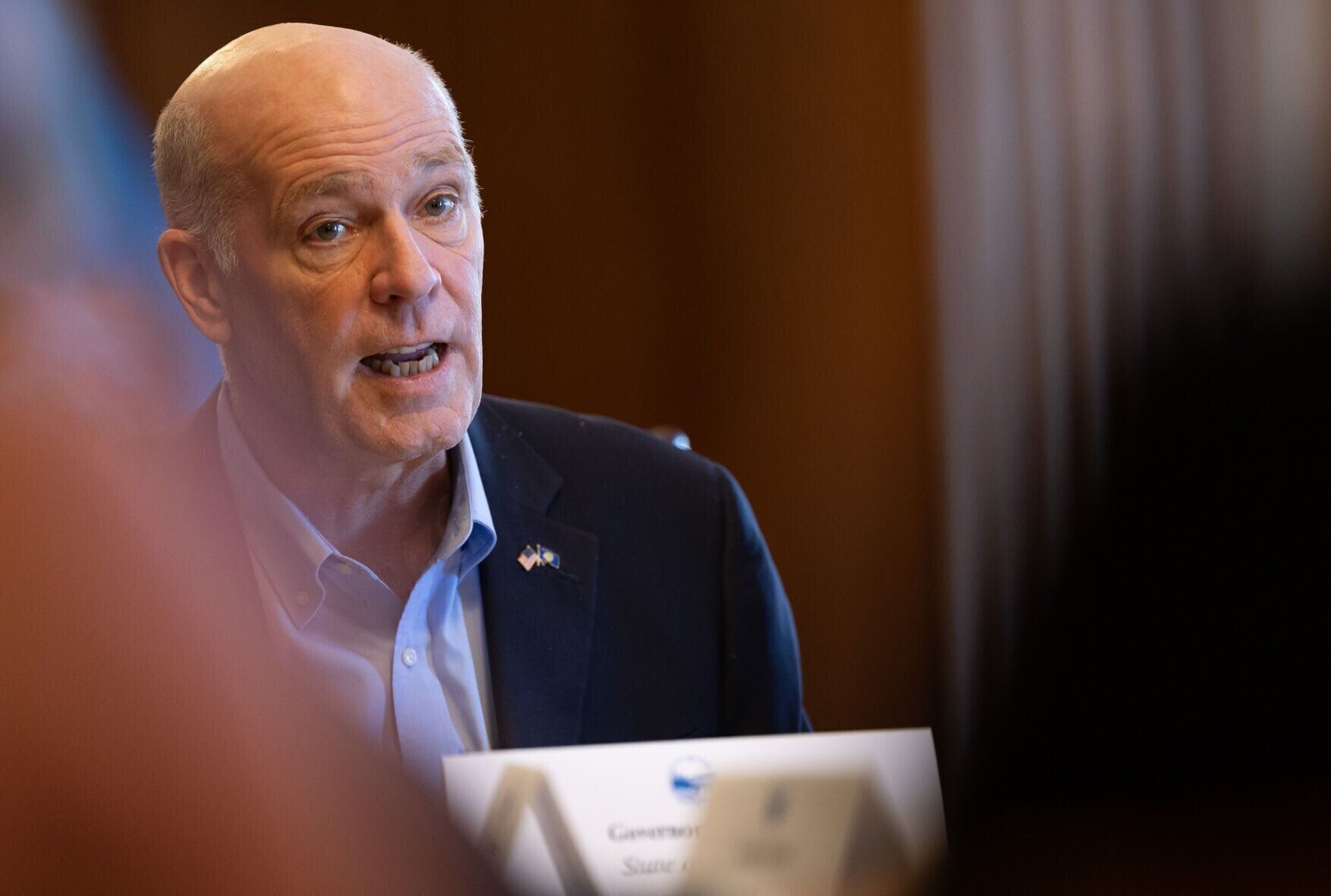
Republican Gov. Greg Gianforte on Monday waded directly into the conflict over a transformational property tax law that’s now being litigated by GOP lawmakers, urging the Montana Supreme Court to take up the case and settle the dispute before the Legislature gavels in next year.
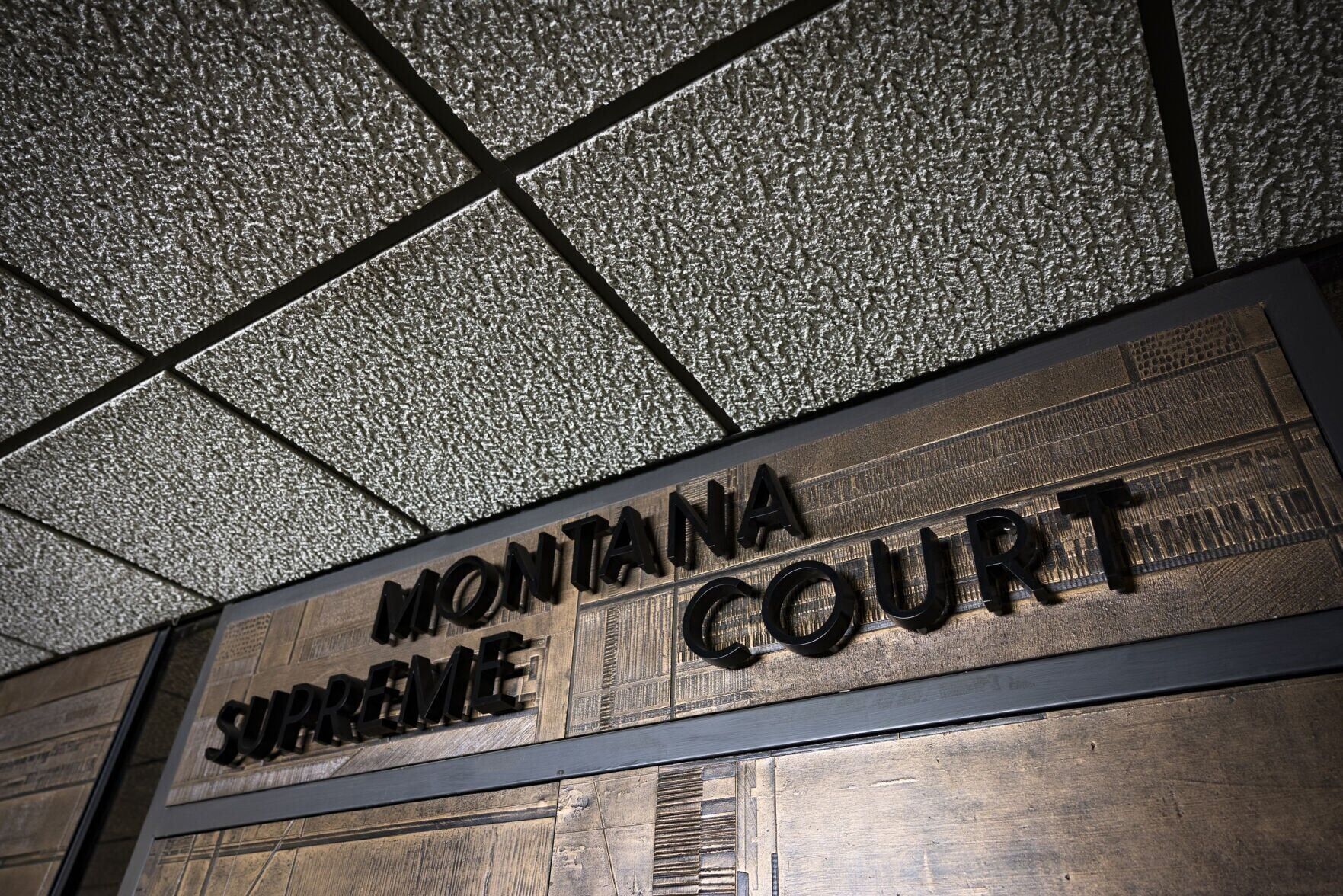
Attorneys for the governor requested that case be immediately elevated from its current proceedings in district court and said arguments should be heard in the high court. The petition carried Gianforte’s arguments on why Senate Bill 542 should be deemed constitutional and why foregoing the expedited option could wreak havoc on a property tax system that’s already gone through a year of assessments and tax collections.
“If SB 542's method of passage is unlawful, both the Legislature and the Governor need to know, urgently, from this Court what the lawful bill process must be,” Gianforte’s attorneys wrote.
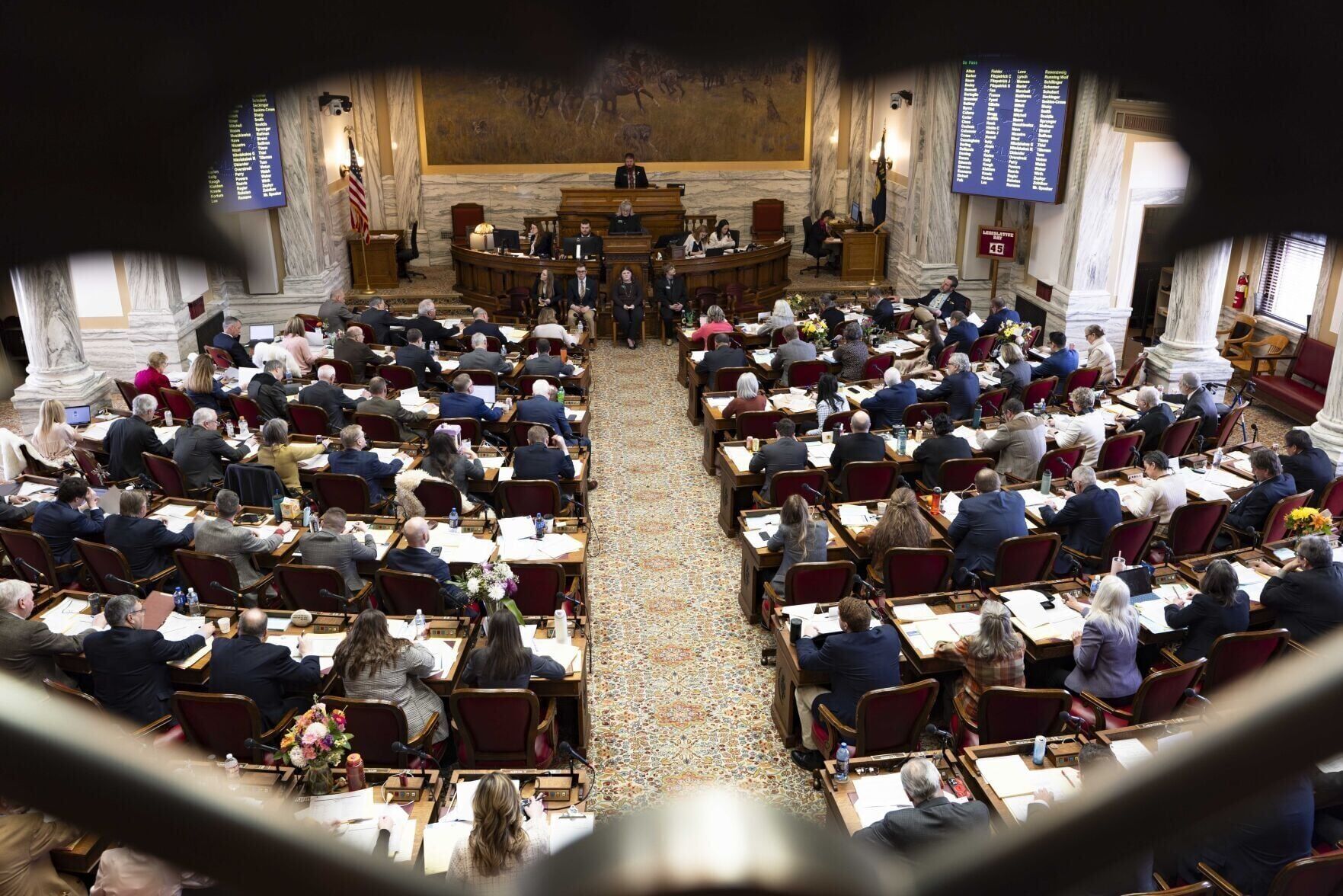
The Republican governor’s request is in response to a lawsuit filed earlier this year by Sen. Greg Hertz, R-Polson, Sen. Tom McGillvray, R-Billings, and former Republican Sen. Keith Regier. The three Republican legislators contend that Senate Bill 542 — which implemented sweeping changes to the state’s property tax system and also became a political cudgel for the governor’s opposition — is unconstitutional.
In their complaint, the legislators say the bill was altered too far from its original purpose during the lawmaking process and that it combined too many “independent and incongruous” provisions into one law, both of which they say violate the Montana Constitution.
The original version of SB 542 would have frozen property valuations and it had the title “generally revising tax laws.”
The bill was gutted entirely, and inserted into it were dozens of pages from another property tax bill. Ultimately, SB 542 was passed with a preferential tax rate for primary residents and long-term rental landlords in the 2026 tax year for those that successfully apply, an overhaul of the rate structure in 2025 and beyond and $400 rebates on 2024 taxes for primary residents (totaling roughly $95 million). It garnered a reputation among some as a “Frankstein bill” because of the way it was patched together.
“Since 2021 I have worked with the Governor to simplify our income tax and move Montana to a single income tax rate,” Hertz said in a statement for this story. “I’m extremely disappointed that he has done the exact opposite for property taxes, taking Montana from a single-rate system to a multi-rate, very progressive property tax system that liberal Democrats support.”
The governor does not typically comment on active litigation, but his response to this suit has been markedly different, from press releases to the arguments articulated in Monday’s petition.
Gianforte’s filing rejected the idea that the bill violates the state’s constitution, and wrote that voiding this bill or delaying the lawsuit could “create chaos” because people have already paid their 2025 bills and received rebates. Gianforte and his private attorneys wrote that pending the decisions in this suit, the Montana Department of Revenue may be required to claw back rebates and possibly issue revised tax bills.
Hertz contended a ruling against SB 542 would actually simplify the tax system in the long run.
“The Governor’s claim that declaring SB542 as unconstitutional would not create a nightmare for the [Department of Revenue], in fact it most likely would make DOR’s life easier,” Hertz said in a statement for this story. “No more applications, no multiple rates and no confusion for the taxpayers. The courts have the authority to allow what has happened in 2025, including the rebates to stand and not require recalculations of 2025 tax bills and possibly 2026 depending on when the court makes a ruling.”
The filing drew a difference between SB 542 and a bill from the 2021 session that was also altered significantly and was the subject of a lawsuit. Following the 2021 legislative session, a group of plaintiffs sued over Senate Bill 319, arguing that the Legislature violated the state’s Constitution by putting multiple topics under one bill title. One provision that was amended in required judges to recuse themselves from cases in which any of the attorneys recently donated $90 or more to their campaigns, while another blocked political committees from registering people to vote on public college campuses.
The Montana Supreme Court ruled in favor of the plaintiffs, but Gianforte argued in Monday’s filing that that case was fundamentally different because SB 319 included provisions on multiple topics, whereas SB 542 has always addressed property taxes.
“Here, the [SB 542] "property tax rebate" and the related "property tax" revision sections address the same subject: property tax,” the filing read. “The $400 payment was the "ways and means" to provide immediate relief for 2024 property taxes, since the property tax revisions apply to tax year 2025 and beyond.”
SB 542 has been years in the making and implemented substantial reductions on most homeowners’ bills.
Gianforte backed SB 542, in part because the key provisions were born out of his property tax task force that met for months in 2024 and whose members included McGillvray.
SB 542 and related legislation resulted in about 8 in 10 homeowners seeing their property tax bills drop from 2024 to 2025 by more than 5%. Under prior laws, only about 13% would have seen comparable reductions, according to state data.
“Last legislative session, our goal was to deliver permanent and meaningful property tax reform to Montanans in the place they call home,” Gianforte said in a press release. “With 80 percent of Montana homeowners seeing lower property taxes last year, we did. I’m now asking the Supreme Court to step in to ensure the relief provided to Montanans remains intact.”
While most residents saw their tax bill go down, some homeowners saw no change or their bills increase. Those who received higher bills compared to 2024 were mostly owners of high-value properties, such as Hertz. The Polson Republican’s home sits on the water on Flathead Lake and his property tax bill increased 47% from $14,500 in 2024 to $21,300 in 2025.
The governor’s Monday filing also noted that the court may determine that the rebate alone was improperly included in SB 542, while maintaining the rest of the law, which would presumably lead to less fallout.




Comments ()