
Hamilton officials mull options to control urban deer population
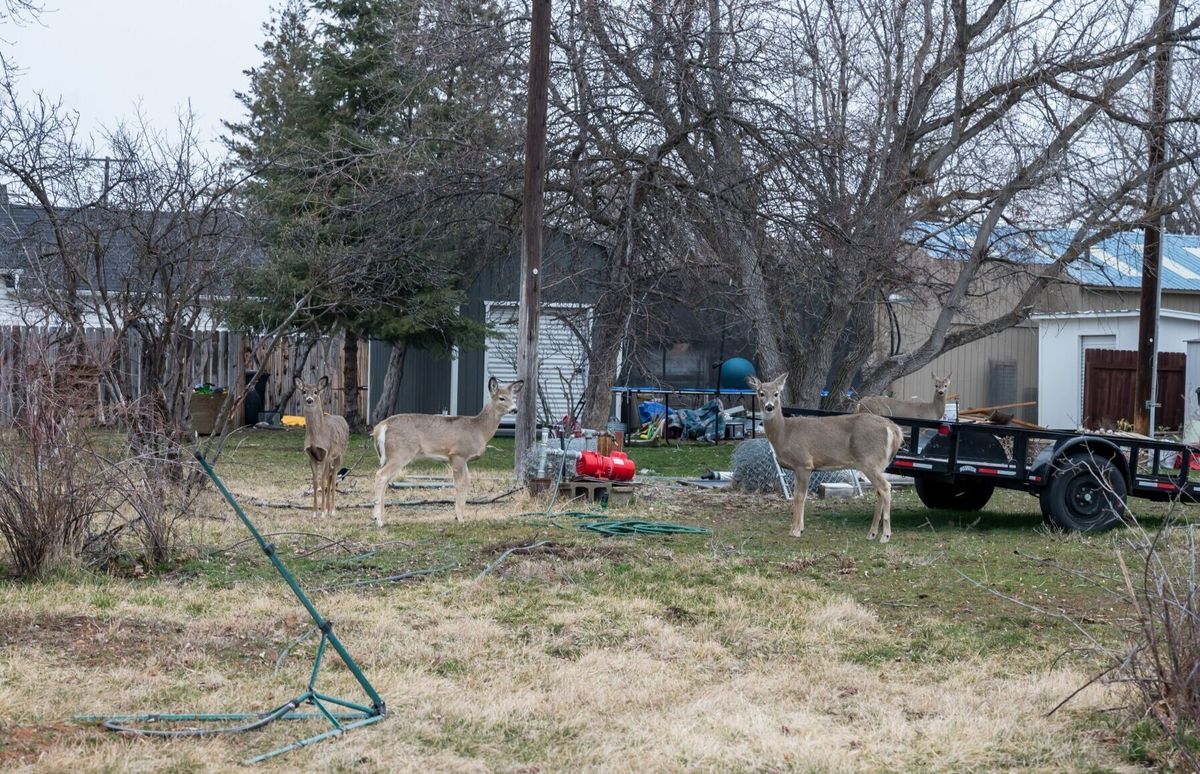
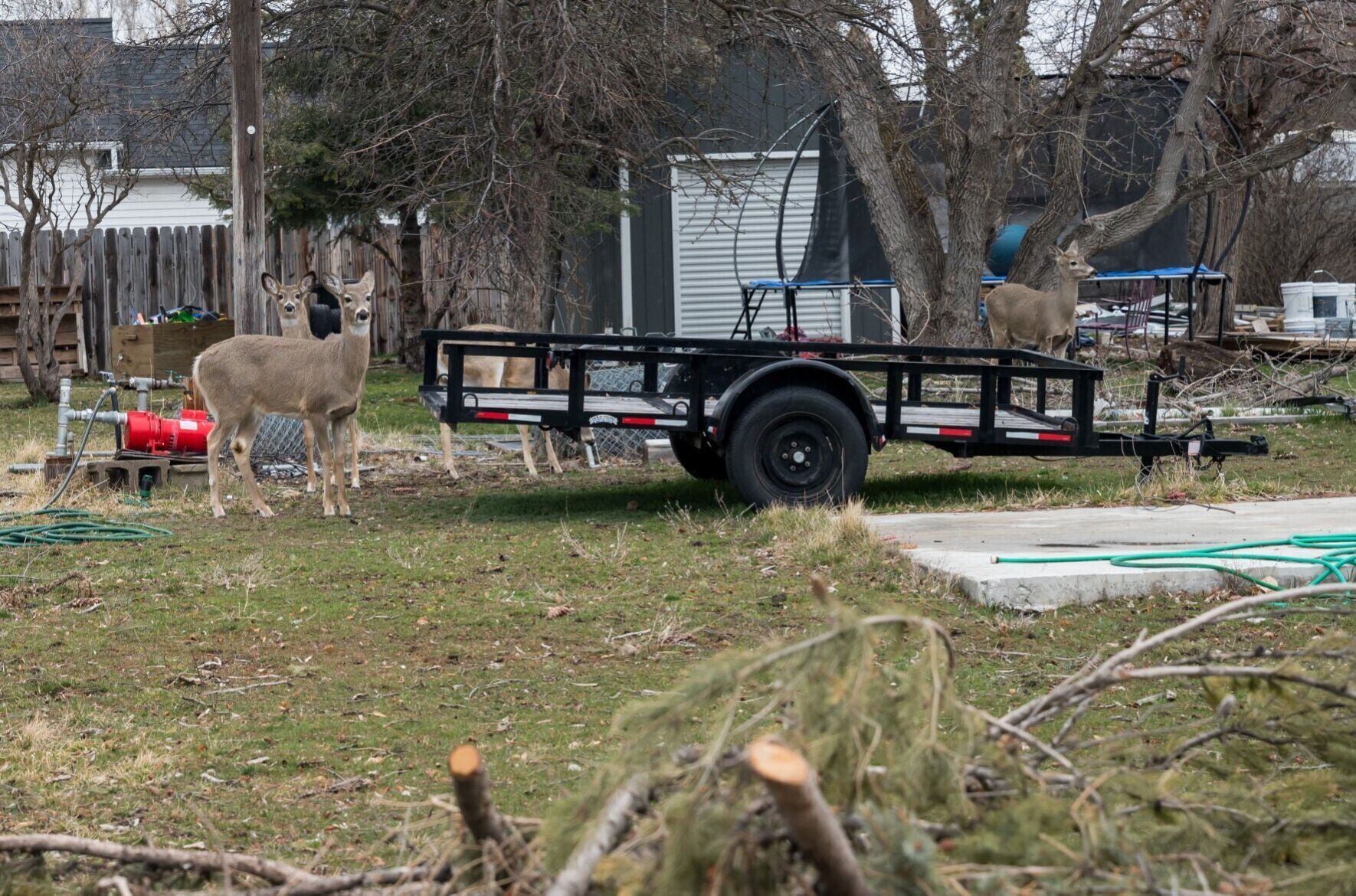
Hamilton officials are considering management options to control the urban deer population, including possible culling.
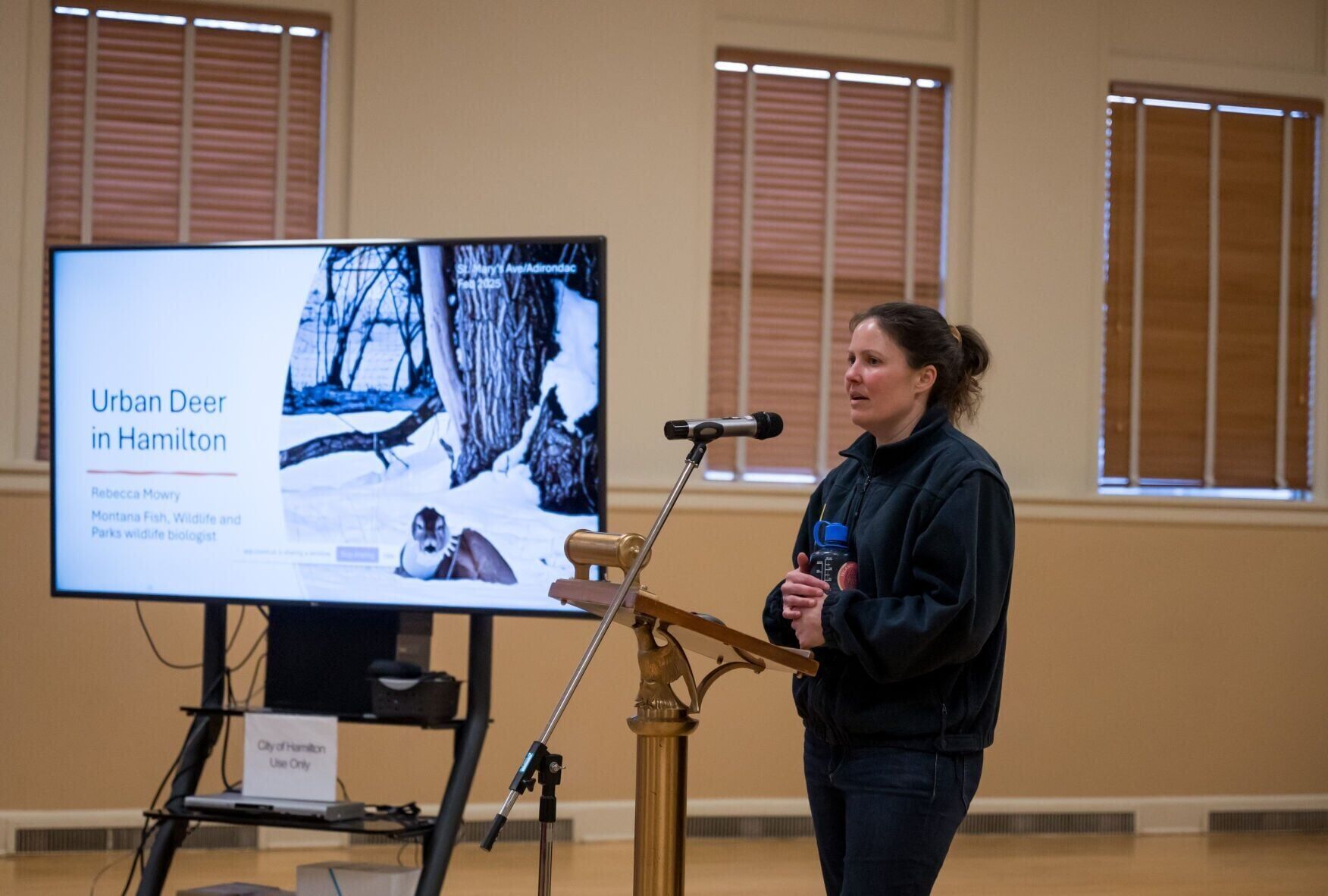
Montana Fish and Wildlife Parks (FWP) Biologist Rebecca Mowry spoke to the Hamilton Committee of the Whole (COW) Tuesday, March 10 regarding the urban deer, which she said are becoming more prevalent within the city limits.
Mowry told the COW they have the option of putting an urban deer management plan in place and detailed the methods other towns such as Roundup, Jordan and Phillipsburg have implemented to reduce population density.
One option is to allow bow hunting within city limits with restrictions on designated areas and times, with hunters responsible for dealing with the carcass and processing the meat.
Another option involves using large cages to trap the deer and bolt guns to kill them. The meat would then be donated to food banks or families could sign up to take the meat.
The third option is to have city law enforcement shoot the deer and donate the meat to families or food banks.
Mowry, a Hamilton resident, has been with FWP for 11 years and said she sees a lot of problems related to urban deer, which are deer populations that live primarily within city limits or areas of suburbs.
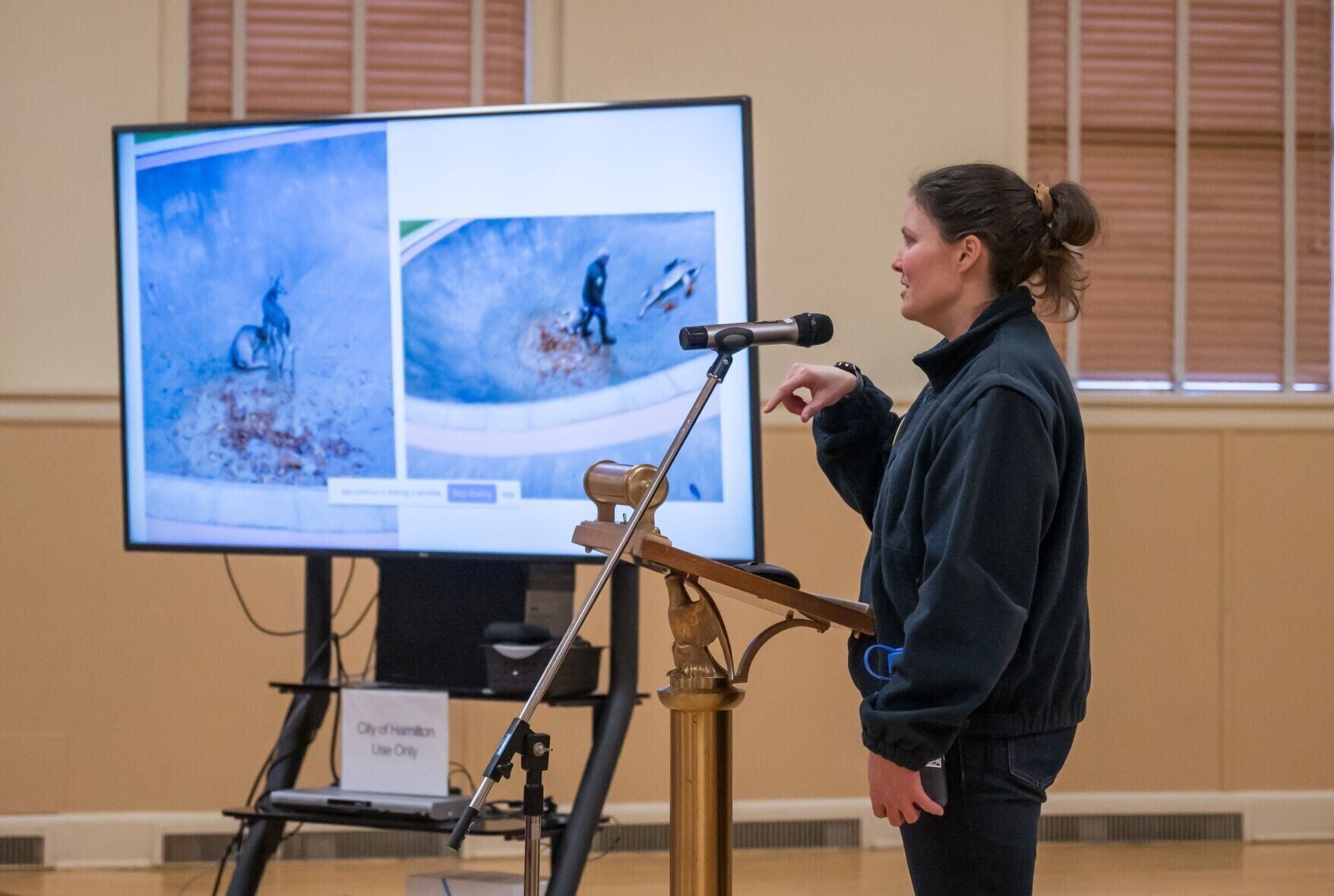
She showed photos of a deer with a chicken feeder bucket stuck on its head which she had to remove after tranquilizing it. Other photos show a deer behind Tire-Rama with a yellow coil almost like a giant slinky stuck around its neck, and two yearlings stuck in the Hamilton Skate Park cement bowl after it had become slick from rain. A game warden had tried to get them out with a rope and after their attempt failed, they had to sedate the deer to remove them.
Mowry also showed a picture of an iron fence with a common design nicknamed the "deer slayer." The ungulates can get tangled in between or gored by the posts as they walk or jump over it. Mowry said when deer get caught up in it, they get mangled and break their legs.
“We have to end up euthanizing them,” she said. “Very painful for the deer, obviously, and pretty uncomfortable for the residents to have to see that.”
One of FWP's main concerns with urban deer congregating in large numbers is the spread of disease, specifically Chronic Wasting Disease (CWD). CWD is 100% fatal transmissible neurological disease that can affect any member of the deer family. CWD first popped up in Montana in 2017 and has been spreading since, Mowry said. There have been no reported cases of CWD in the Bitterroot Valley, however, a sick deer spotted on Seventh Street in Hamilton raised concerns of CWD among researchers. They were unable to locate the animal and confirm if it did or did not have CWD. Mowry said there are many factors which could have caused the deer to have that appearance.
Other issues regarding urban deer include safety and property damage. Many of the deer are struck by cars either on residential streets or on Highway 93 she said. They can also destroy landscaping which causes frustration for homeowners. Bucks in rut can also be aggressive and have attacked people in the Hamilton area. Mowry said her neighbor has been attacked two or three times over the years.
“We also have reports of the deer getting aggressive and chasing people,” Mowry said. “My neighbor across the street from me, was walking her little dog and got chased by a buck last year and had to hide in someone's garage.”
Urban deer can also attract predators. She says they have had reports of black bears and mountain lions coming into Hamilton and even a wolf.
“In 2023 we did have a wolf legally trapped on the property right across the river from River Park,” Mowry said. “So, it is definitely possible that they're around and they can be coming through our parks, you know, specifically targeting these deer.”
There are also issues related to people feeding deer even though it is illegal. Sometimes people think they are helping deer in winter by feeding them without realizing it puts them in danger. Deer can get sick from eating foods they're not familiar with.
"It can kill them too, especially if you're feeding them corn in the winter, it can cause acidosis and it can kill them," Mowry said. "I think a lot of people don't know that."
The Hamilton City Council will have to approve a management plan for the urban deer if they decide to create one. Once an urban deer management plan is approved by council it would be presented to FWP for approval.
Mowry said quotas for how many deer are culled can be changed each year depending on population. Ravalli County Commissioner Jeff Burrows would be the final sign off on the yearly quotas. Burrows also sits on the Montana Fish and Wildlife Commission.
No decision was made at Tuesday’s meeting. COW members asked Mowry to come back in April to discuss the matter further.



Comments ()