
Helena Commission rescinds immigration resolution to ‘pause’ AG threat, write new draft
Mayor Dean, commissioners vote 4-1 to rescind resolution, make changes citing financial risks
After threats of a lawsuit from Montana Attorney General Austin Knudsen, the Helena City Commission late Thursday rescinded an immigration resolution “to push the pause button” on a state investigation and potential immediate litigation.
They said they plan to write a revised version and engage in negotiations with Knudsen.
“We are being baited into a fight that is rigged,” Mayor Emily Dean said. “I want to be clear, I don’t take any of this lightly. I am not taking this vote because I think the attorney general is right.”
The Commission and Dean voted 4-1 to rescind the resolution, passed Jan. 26, upon a recommendation from hired outside counsel Tasha Jones over what they said were concerns about what an immediate legal fight could cost the city's already tight budget heading into the next fiscal year.
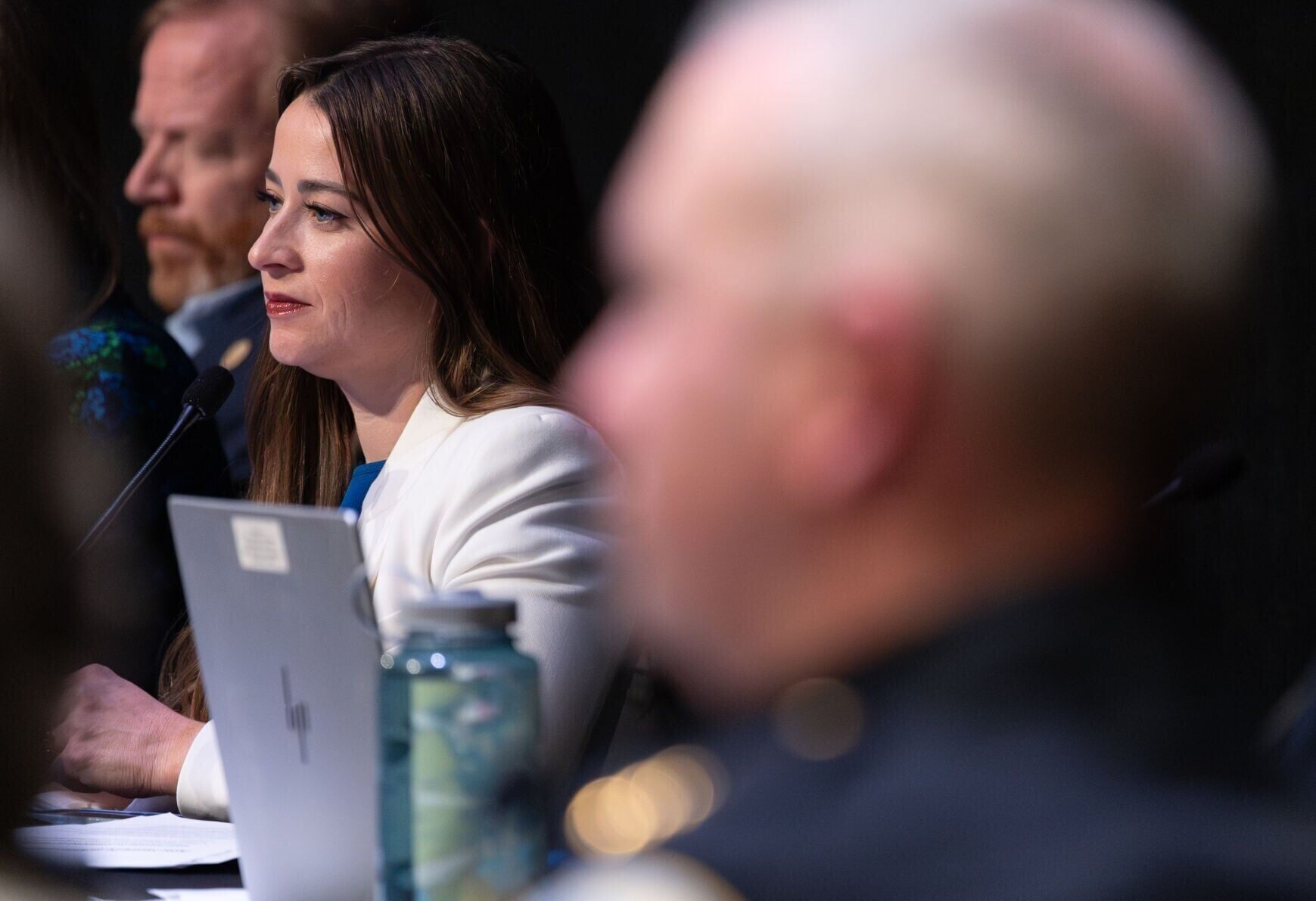
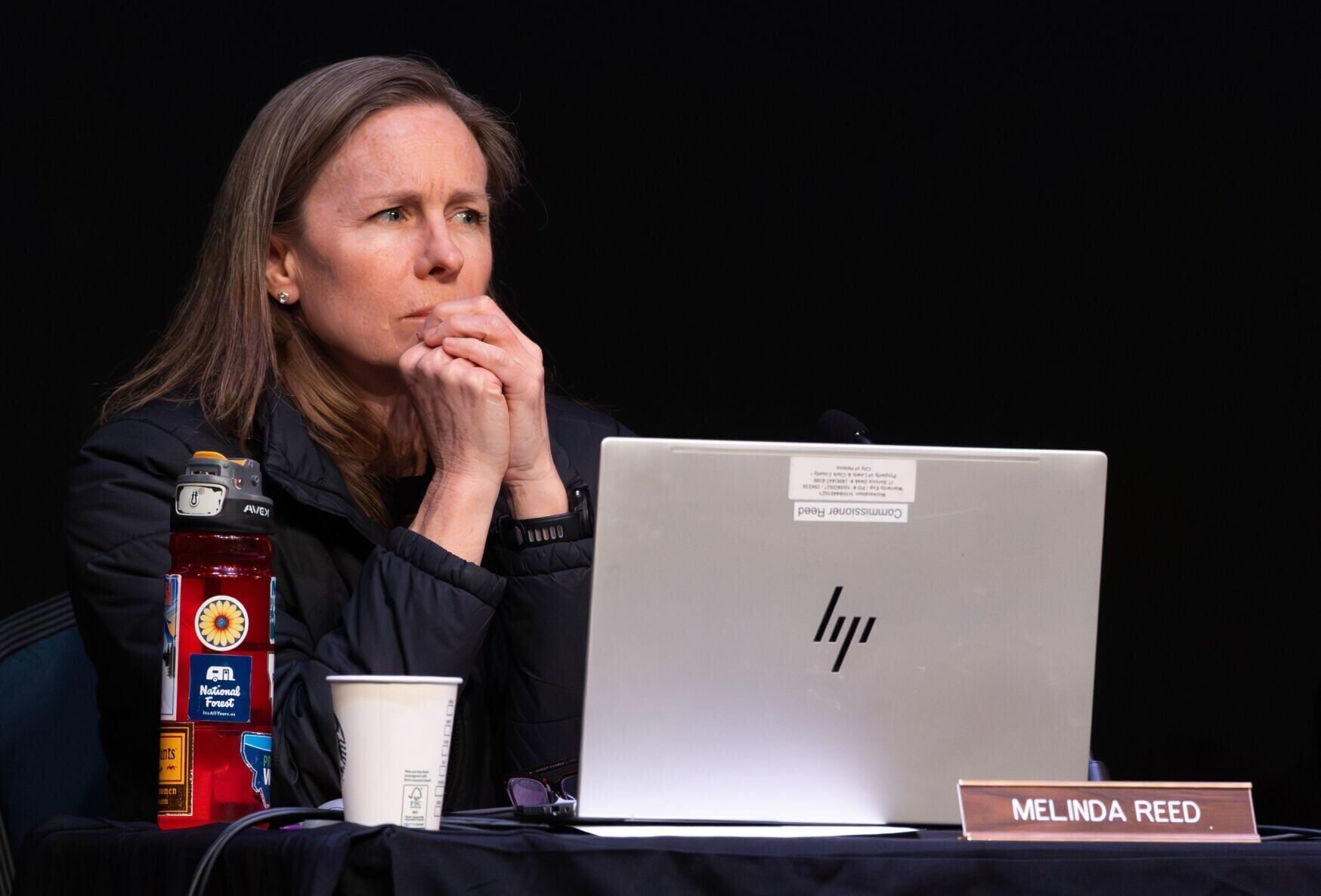
Commissioner Melinda Reed voted against the resolution's rescission; she had offered amendments she said would legally strengthen the document and said that voting to rescind the measure would be caving to political pressure from the Republican AG and governor.
The six-hour special meeting was called March 18 as the city faced a deadline to respond to Knudsen's cease-and-desist letter and news conference he held with Gov. Greg Gianforte on March 10 in which he alleged the resolution violated a state anti-sanctuary-city law passed in 2021. The letter demanded the city explain the legality of the resolution and make changes or face a lawsuit.
The resolution advised Helena city employees not to aid in immigration enforcement beyond what is legally required, echoing many preexisting Helena Police Department policies.
An extension from the Attorney General’s Office bought Helena enough time to hold Thursday night's meeting with the understanding the city would report its decision Friday morning, City Attorney Rebecca Dockter said Monday.
The city will draft revised language for the resolution and send Knudsen a letter with the proposed revisions, a city spokesperson said. They hope he will engage in an "interactive process" and send a response in 14 days of receiving the letter. Jones would then report back to the commission on any discussions in 30 days.
State, local officials react to Helena vote to rescind immigration resolution
Knudsen in a statement the commissioners "made the right decision voting to keep the Helena community safe."
"This resolution should never have been passed in the first place," he said. "My office will continue to hold any jurisdictions in violation of Montana's sanctuary city prohibition accountable."
Knudsen's office did not answer a question about whether he was open to talking changes out with Helena officials.
The city’s legal recommendation
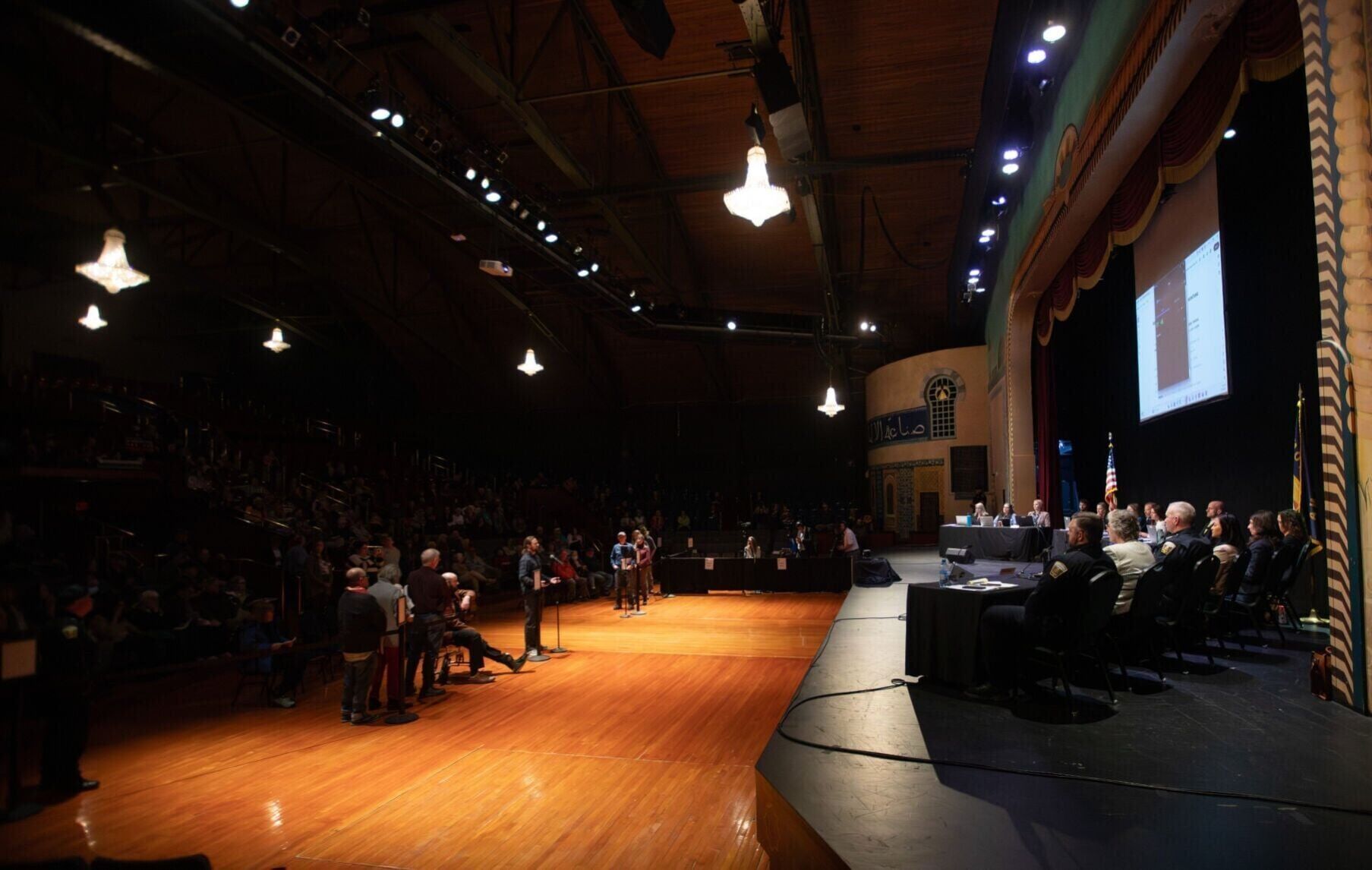
On Thursday, before a Civic Center Auditorium of 200 to 250 attendees, the city's hired outside counsel on the matter, Missoula-based Jones, recommended rescinding the resolution with plans to rewrite it after meeting with state officials.
Although similar anti-sanctuary-city statutes have been passed and challenged in Florida and Texas, Montana’s statute has not been tested in the courts, Jones said.
The statute’s penalties, which include a fine of $10,000 for every five days the violating policy is in place and harsh restrictions on certain state funding, are “very significant risks” meant to intimidate Montana cities from challenging the statute, she said.
Although the Commission could have left the resolution as-is and seen if Knudsen filed suit on Friday, such litigation can take months and sometimes years, she said, and would weigh heavily on city budgets and employee time. The federal government has also shown signs of “weaponizing funding” when it comes to “politicized” issues, she said.
“Testing your rights comes at a very high cost,” Jones said.
By rescinding the resolution, Knudsen loses his immediate investigative power over the matter granted by the 2021 bill, and Helena can “level the playing field,” Jones said in her comments at the start of the meeting. She offered that city officials should be able to sit down with his office and negotiate a new draft of the resolution that accomplishes its initial goals without risking a burdensome lawsuit.
She recommended coming back with a new draft in 30 days. Though Reed recommended making edits to the resolution without rescission, Jones said she was confident the Attorney General’s Office would find something wrong with it regardless.
Dockter backed Jones’ legal opinion, she said. Jones has 26 years of legal experience specializing in representing Montana cities and their law enforcement, and her decision came with insight from Dockter and fellow attorneys, Jones said.
Public rallies for revision, not rescission
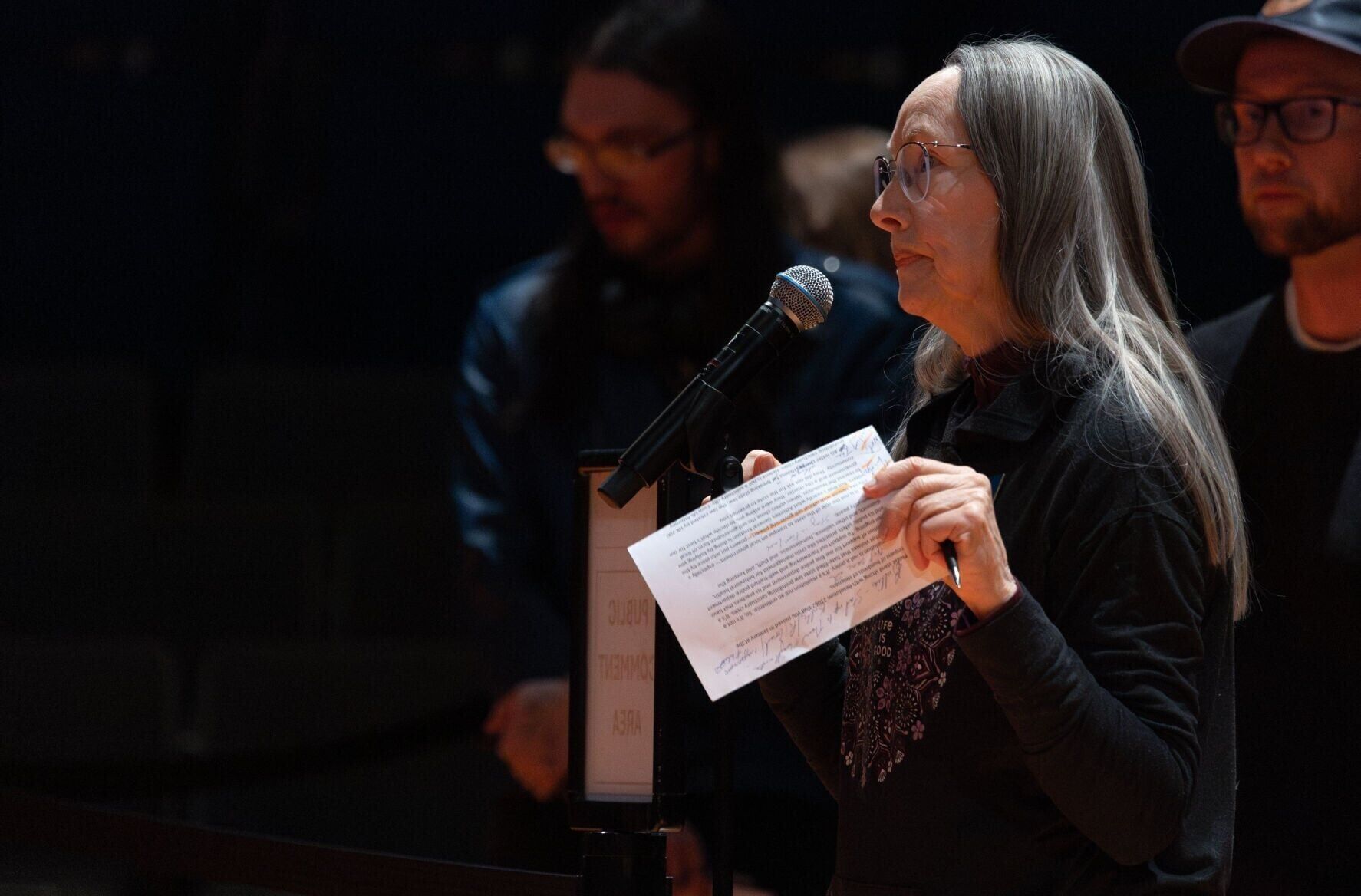
Before the official vote in the 11 p.m. hour, members of the public offered more than three hours of tense and colorful public comment. When the first public commenter spoke against the resolution, saying “sanctuary cities don’t work,” scoffs rippled through the audience.
“Paid protesters,” the commenter said while pointing to the crowd, which erupted in laughter.
“Please act with decorum,” Dean said. “Please be respectful. We are here to have a dialogue.”
Though the meeting had a larger turnout from those against the resolution compared to the Jan. 26 meeting that saw its adoption, the majority of commenters Thursday were in favor of keeping the resolution in place, whether it be with Reed's proposed edits, a rescission and quick rewrite, or no changes at all.
Many commenters said taking a stand against what they see as political bullying from Knudsen and Gianforte was what mattered, and if that meant rescinding and rewriting, then they’d be satisfied.
Attorney Brian Miller, also a Democratic eastern congressional district candidate, said he backed the resolution and agreed with Jones’ analysis — as long as it wasn’t the final step.
“You shouldn’t give up this fight,” Miller said.
“I thank God and Christ I’m not in your position,” Caleb Wallace said. “It is your burden as an official to try and fix it.”
But the majority of the resolution's supporters doubted Helena would accomplish anything by negotiating with Knudsen, calling the idea “naïve” and pushing the Commission to edit the resolution without rescission. Many described rescinding the measure as “obeying in advance.”
“There is absolutely no way this AG will work with you afterward,” Shani Henry said. “Please do not kid yourself that he will.”
Multiple lawyers recommended seeking a declaratory judgment — having a judge decide an unsettled question of law outside of existing litigation — before Knudsen could sue, or taking a legal stand on the existing resolution's merits. With no legal precedent, the city rescinding the resolution could cause its own “chilling effect” by scaring off any other Montana cities that might seek to pass such a resolution or challenge the attorney general on similar matters, some commenters argued.
“You know, the best way to stand up to a bully is to stand up to them,” said state Sen. Mary Ann Dunwell, D-Helena. “They’ll bully you. They’ll pick another target. They’ll pick another city.”
Many of those against the resolution said the financial risks were too great.
During the legal presentation, city Finance Director Sheila Danielson told commissioners that large chunks of the general fund depend on state dollars, and services like transit, law enforcement and water would be deeply impacted if the state withheld funding under the anti-sanctuary-city law.
Katie Fruits, a Republican candidate for Montana House District 80, said lawyers in public comment don’t have the same skin in the game as Jones. She said lengthy litigation would be a waste of Helena taxpayer dollars.
Some opposing speakers also hinged their arguments in support of law enforcement and against sanctuary cities at large. Brenton Craggs, a former candidate for the Helena City Commission, called those in favor of the resolution a “vocal minority.”
The decision
After just under an hour of discussion, the Commission voted 4-1 to rescind the resolution. Dean and City Commissioners Ben Rigby, Sean Logan and Julia Gustafson voted in favor of rescission; Reed was the lone vote against.
The four in favor said the move would buy the officials more time to create a revised draft that can withstand the attorney general's scrutiny, ideally with Knudsen’s input. After the initial vote, a 4-1 vote approved what will be an ask to negotiate with the AG and present a new version of the resolution.
Immediately after public comment, Jones advised against seeking a declaratory judgment and instead moving forward with more thoughtful edits.
Jones said the recommended edits from Reed weren’t bad ideas, but there hadn’t been time to thoughtfully review them. She said other legal facets of the matter had been discussed that they couldn't bring up in the public forum.
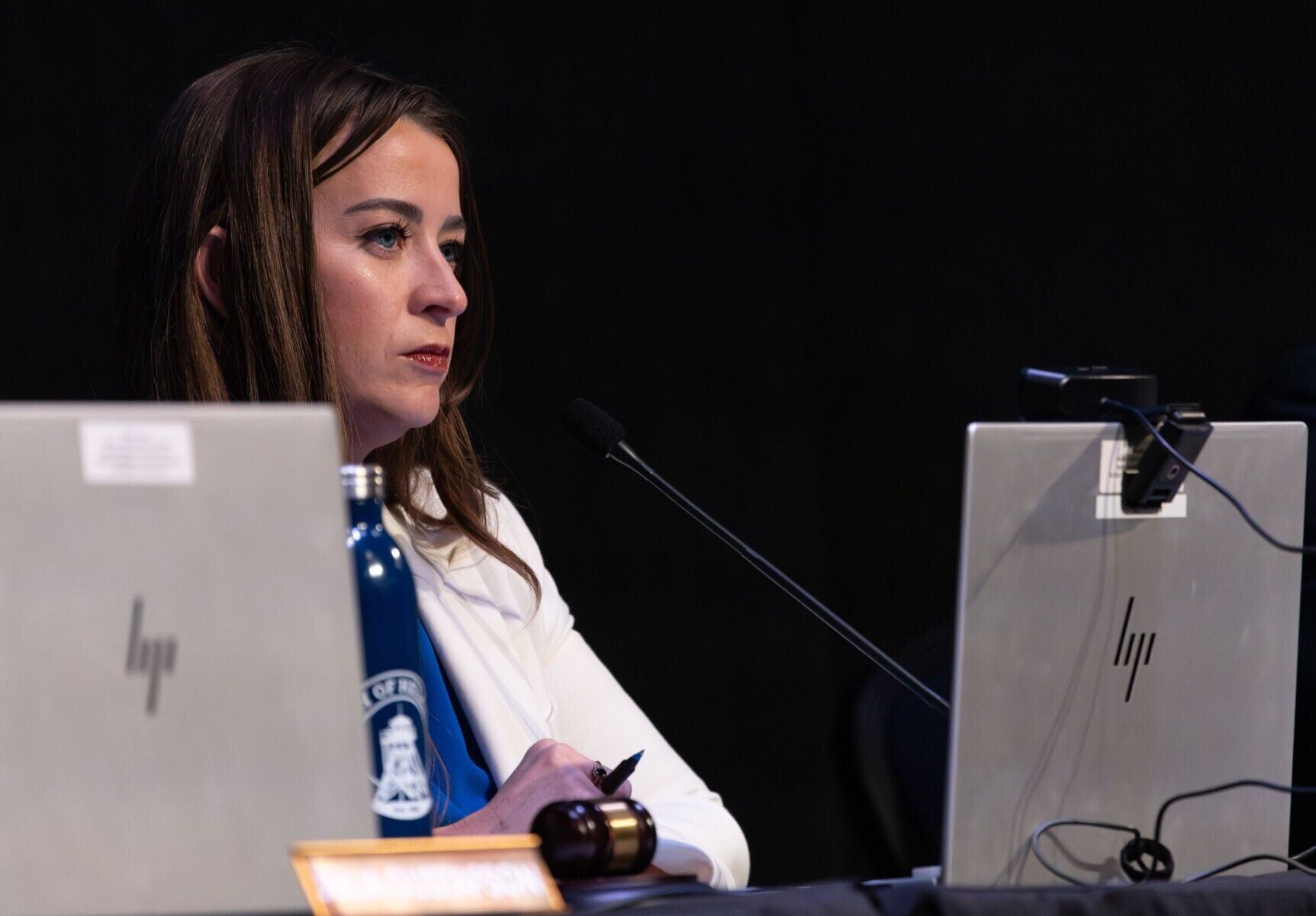
Gustafson said two things can be true at once: the resolution can be meaningful to Helenans, and Helenans can uphold its values without it. She said she felt very torn, but that she supported the resolution's spirit.
Rigby said the city was looking at a “monetary journey.” Though he felt rescission had been seen by some as “an excuse,” he said he had to listen to the city’s legal counsel when the Queen City’s funding was at risk.
“I can’t take that gamble to see … (if Helena were) to continue or to sink,” Rigby said. “We need to be honest about the limits of what this body can do.”
Around 1,000 staff hours have been dedicated to Helena’s resolution so far, Logan said. Defending the resolution would cost hundreds of thousands in attorneys' fees, plus whatever fines Helena would see if it lost, he added.
“I think the outside attorney’s approach gives us a good path,” Logan said. “I think we do have a lot to risk here.”
Reed said she couldn’t in good faith vote to rescind.
“My fear is if we were to rescind, how would we know when we get it back?” Reed said. “Once it’s gone, it’s gone. … What’s the price point for retaining our local rights?”
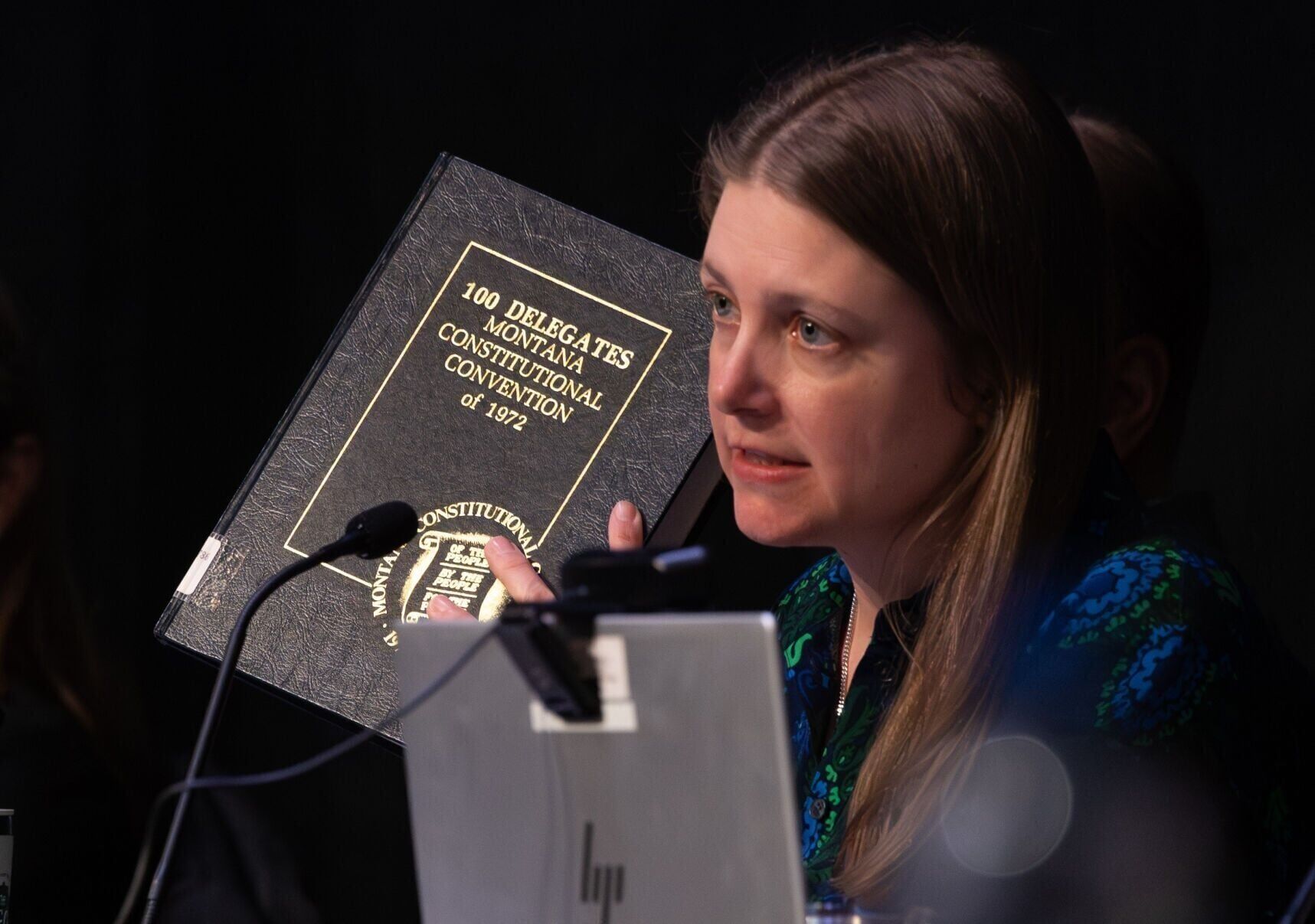
Dean said the way the attorney general had behaved — including not contacting the city to talk before making his legal threat in a news conference — was “shameful,” adding he was effectively limiting local freedom of speech on the basis of ideology and threatening Helena’s basic needs, such as police funds, to do so.
It was deeply upsetting to discover the attorney general was threatening a lawsuit against Helena via social media, Dean said. She described it as a “political playbook imported from somewhere else and dropped onto Montana,” designed in a way so “Helena loses either way.”
“I will be honest; this has been infuriating,” Dean said. “I am more concerned than ever about state overreach telling Montana communities what they can and can’t think, what values they can and can’t have, and then limiting our ability to fund essential services including police."
However, Helena doesn't have the money to engage in a lengthy legal fight and no safety net if it loses, she said. While she stands by the resolution, she said she feels rescinding and revising was the safest option for Helena.
“This community asked for assurances when there were none from above,” Dean said.
When the vote was passed, some remaining attendees shouted at the Commission, calling them “cowards.” A brief intermission was called when the crowd became too rowdy.
Editor's note: This story was updated to include comments from Knudsen and more details about the next steps for the Helena Commission.







Comments ()