
Helena judge denies request from state DOJ lawyers to throw out sex ed lawsuit
The legal challenge against two laws that dictate how sexual education and gender identity can be taught in Montana public schools will proceed after a Helena judge last week denied the state justice department’s request to throw out the case.
Senate Bill 99 and House Bill 471 were passed by the Legislature and signed into law by Gov. Greg Gianforte in 2021 and 2025, respectively. Together, they require schools to notify parents at least five days ahead of any lessons that might veer into sexuality or gender. Educators must also receive written permission from parents before discussing gender identity or sexual orientation.
ACLU of Montana lawyers representing two teachers, a parent and the Montana School Counselor Association argue in the lawsuit that the measures unconstitutionally restrict rights to free expression, privacy, due process and equal educational opportunity and marginalize LGBTQ+ students.
“They allege that application of the law may result in children having no exposure to the wide range of literary, artistic, and historical topics that involve LGBTQ figures, artists, authors, and musicians, essentially erasing them from the common culture,” Lewis and Clark County District Judge Christopher Abbott summarized in the ruling.
State attorneys, on the other hand, asked the court to dismiss the case, arguing plaintiffs could not prove they had been harmed, only that they were concerned they might be down the line.
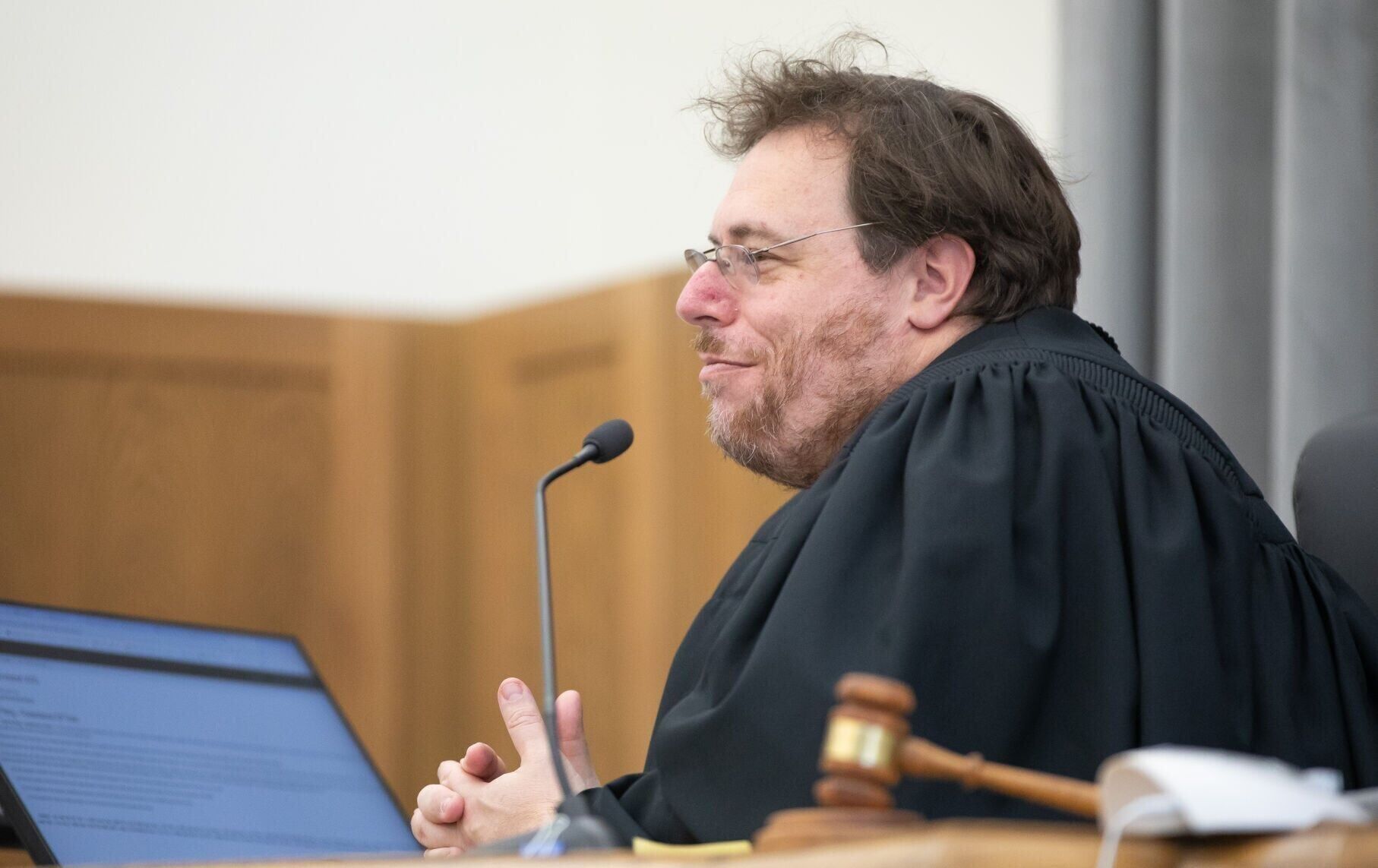
In his denial of the Montana justice department motion to dismiss the case, Abbott wrote that more than one of the state's arguments “barks up the wrong tree.” His decision allows the case to play out and affirms the plaintiffs’ case that educators and students believe they have experienced harm as a result of these two laws, and can therefore challenge their constitutionality.
“This order gives educators, students and school administrators the opportunity to have their day in court,” said Ashlee Rossler, one of the ACLU attorneys on the case, in a statement.
SB 99 and HB 471 cast a long shadow over material that could be curtailed under the law.
The laws define “identity instruction” — which parents must opt their kids into — as anything that “has the goal or purpose of studying, exploring or informing students about gender identity or gender expression, or sexual orientation.” Sex education, more narrowly confined to anatomy, sexual reproduction and sexual acts, requires advance notification, but only gives parents the right to opt their kids out of the lessons.
They also expand the definition of instruction beyond traditional classroom curricula, applying to any “conduct of organized learning activities, including the provision of materials … regardless of the duration, venue or method of delivery.”
Advocacy groups and the ACLU lawyers on behalf of their clients warned that this would target LGBTQ students, negatively affect the mental health of an already-marginalized group and restrict teaching of sexual education that helps teenagers navigate complicated relationships.
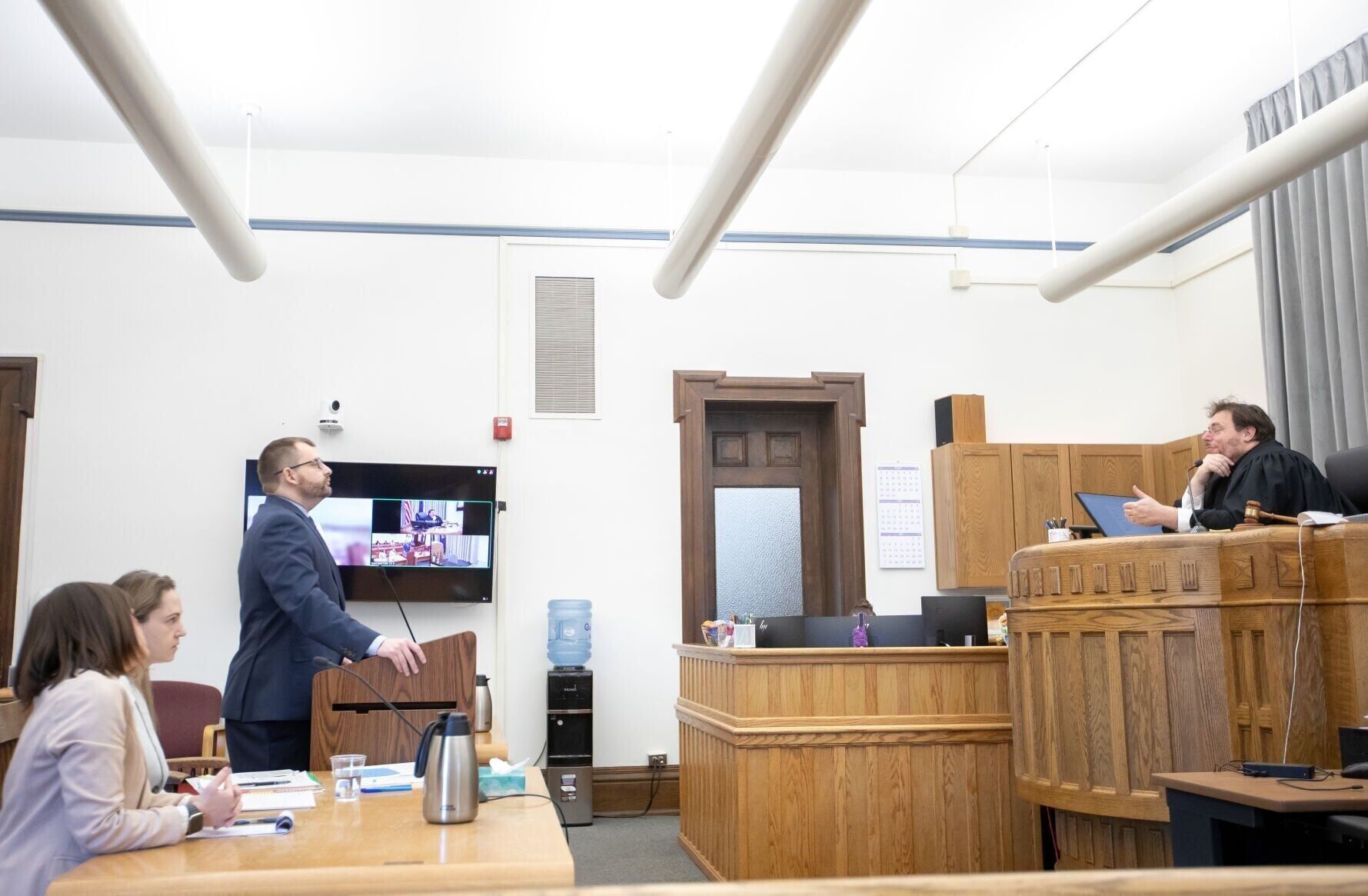
In January, Montana justice department attorney George Clark argued in court that the state has the right to direct the upbringing of their children, and these laws are simply a way for them to do so. Striking them down, he said, would violate the religious expression of parents.
He also added that curriculum in public schools constitutes government speech and should fall outside traditional freedom of expression protections.
Abbott declined to weigh in on this legal doctrine in last week’s order, noting that “For standing purposes, the question is not whether Plaintiffs will ultimately prevail, but whether they have suffered an injury in fact that can be redressed by the courts,” which, he wrote, they have.
Additionally, Abbott agreed that the group of plaintiffs had gone far enough to show that the vague definitions tucked into the measures could catch any number of clubs or spaces in a public school in its crosshairs. He continued that subjects that fall under the legislation’s definition of human sexuality could easily be found in the pages of iconic texts.
“From Herodotus’s Histories to Shakespeare’s Romeo and Juliet, Freud’s The Interpretation of Dreams, and Mozart’s The Marriage of Figaro, it is difficult to articulate many matters of the arts, the social sciences, or the humanities where either some aspects of gender and ‘human sexuality,’ might not at least sometimes be ‘explored’ or ‘studied.’”
Where the judge conceded a bit was on whether one of the plaintiffs, a parent involved in the case on behalf of her high schooler, could legally allege that her child’s educational opportunity and that of the LGBTQ community in her school had been compromised.
Because the student herself is not a member LGBTQ community, Abbott said she can only speak about the ways in which her education had been harmed, not that of an entire group of which she isn’t a part.
He also asked the parties to submit additional information about the potential applicability of a parental rights case at the United States Supreme Court.
"We are disappointed the court didn't dispose of this case in its entirety; however, this case is far from over and we look forward to defending these important laws,” said Amanda Braynack, a spokesperson for the Attorney General’s Office. “The Supreme Court of the United States agrees that parents have the right to direct the care and upbringing of their children and schools cannot shut parents out of their child’s gender identity decisions. Attorney General Knudsen will continue to advocate for parental rights and work to keep woke gender ideology out of Montana schools."



Comments ()