
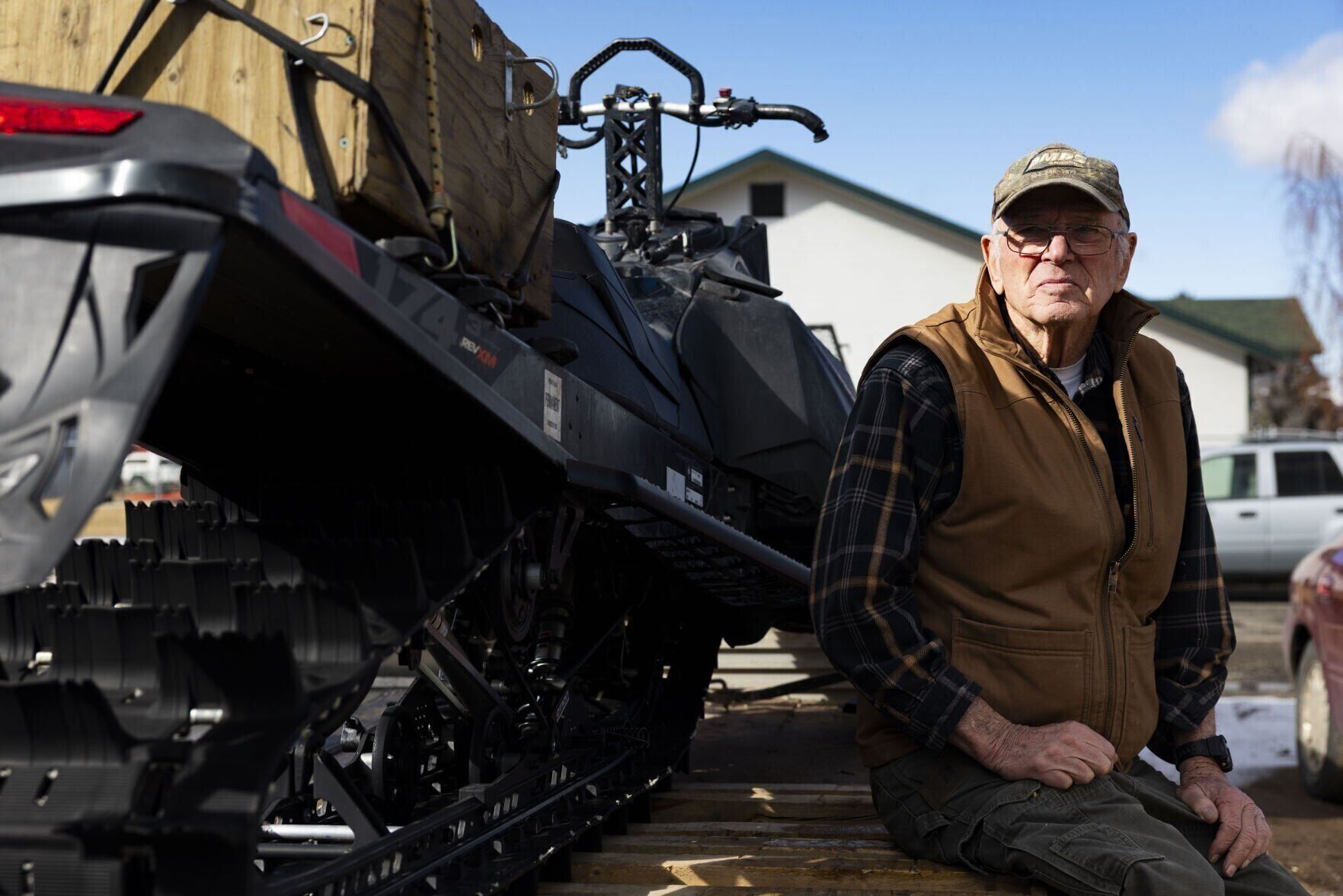
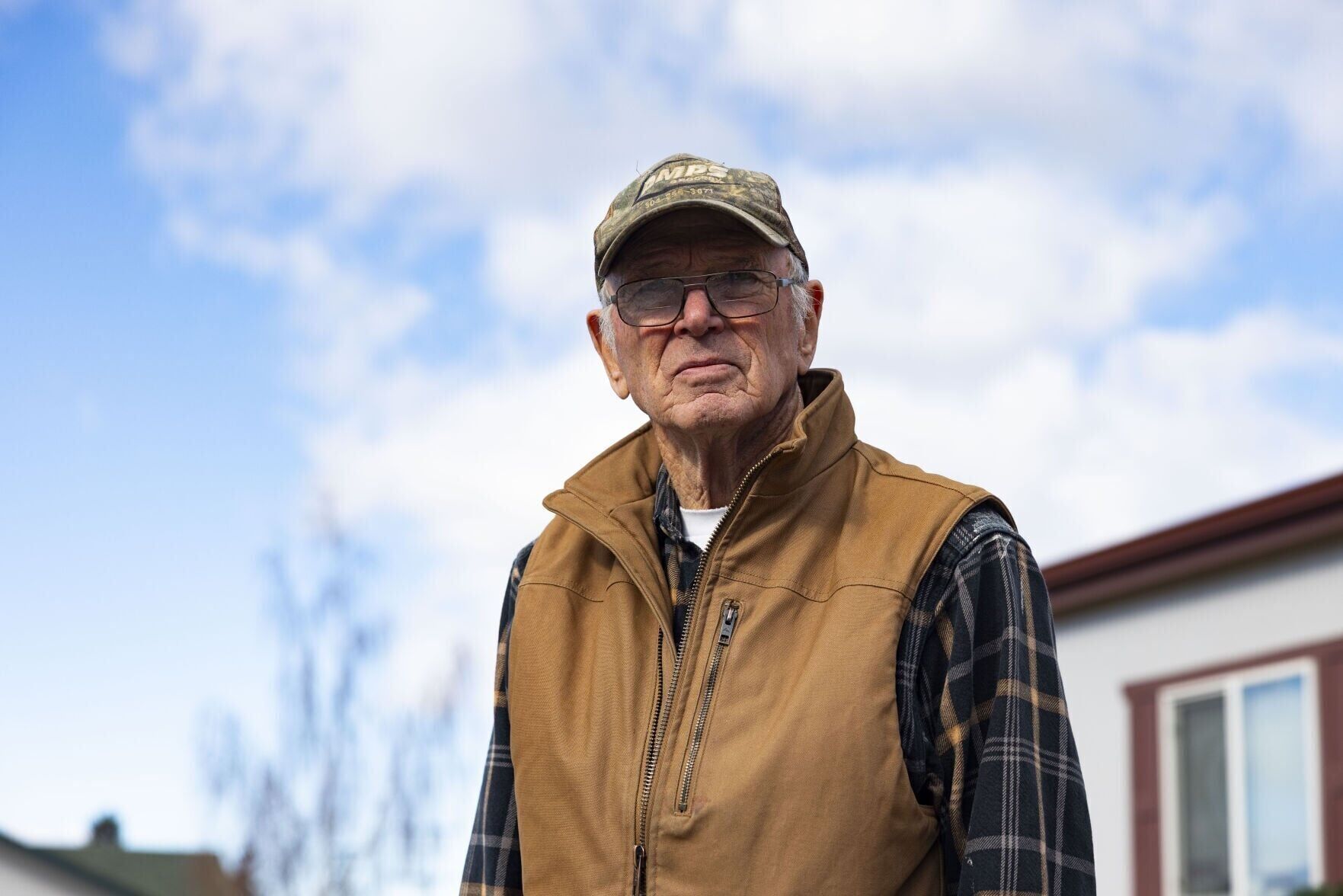
He's 85 and on a mission to document Montana wolverines. Meet Butte's Don Heffington.
One palatable plan for exiting the land of the living would involve a steep snowfield stumble and a life-snuffing descent — all yielding a buffet for scavenging wolverines.
Don Heffington, 85, proposed that scenario with a wry smile. Not a bad way to go.
The Butte resident admires the stalwart, fierce and rarely seen wolverine.
“They have to be just supreme physical specimens or they die,” he said.
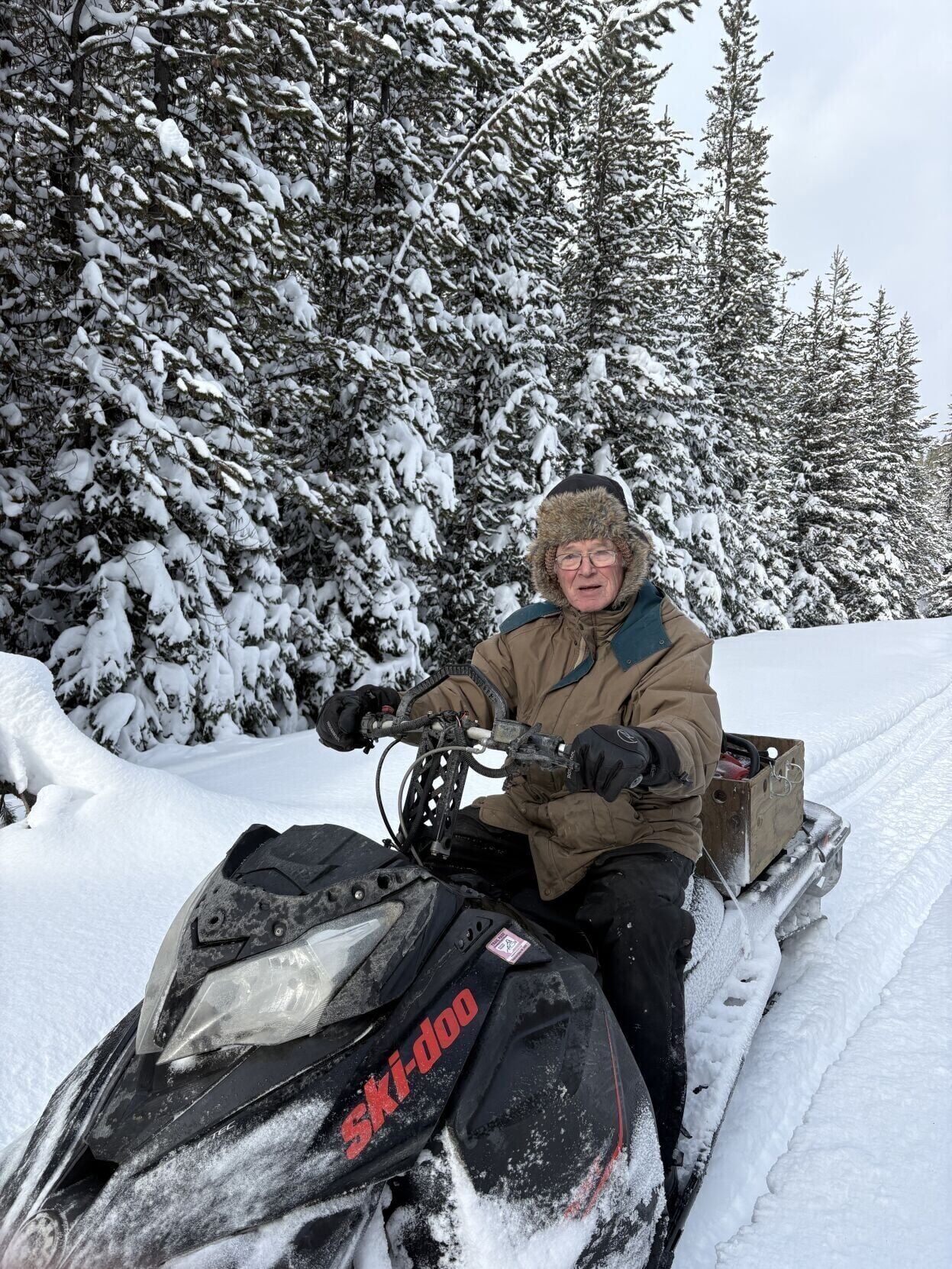
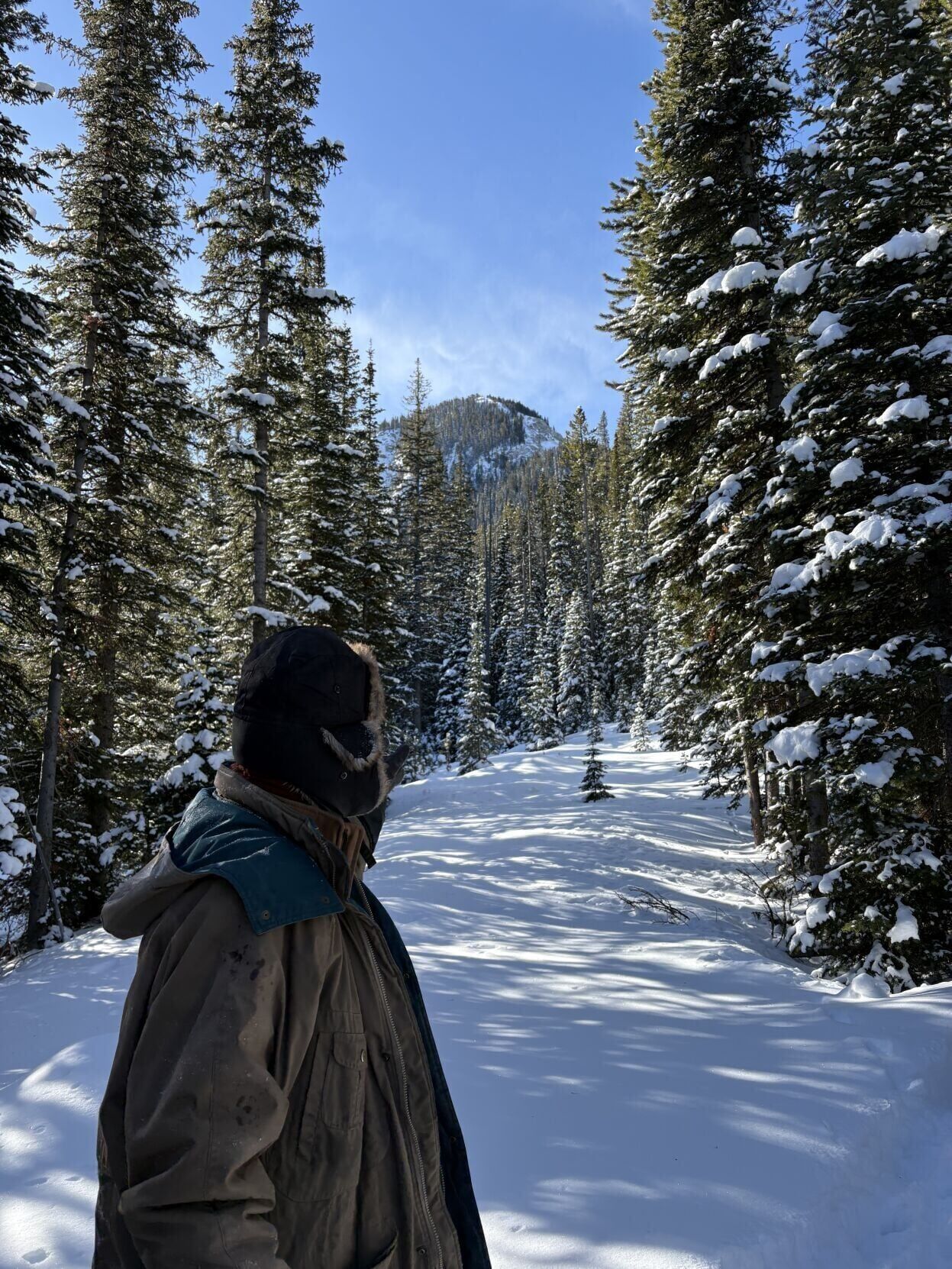
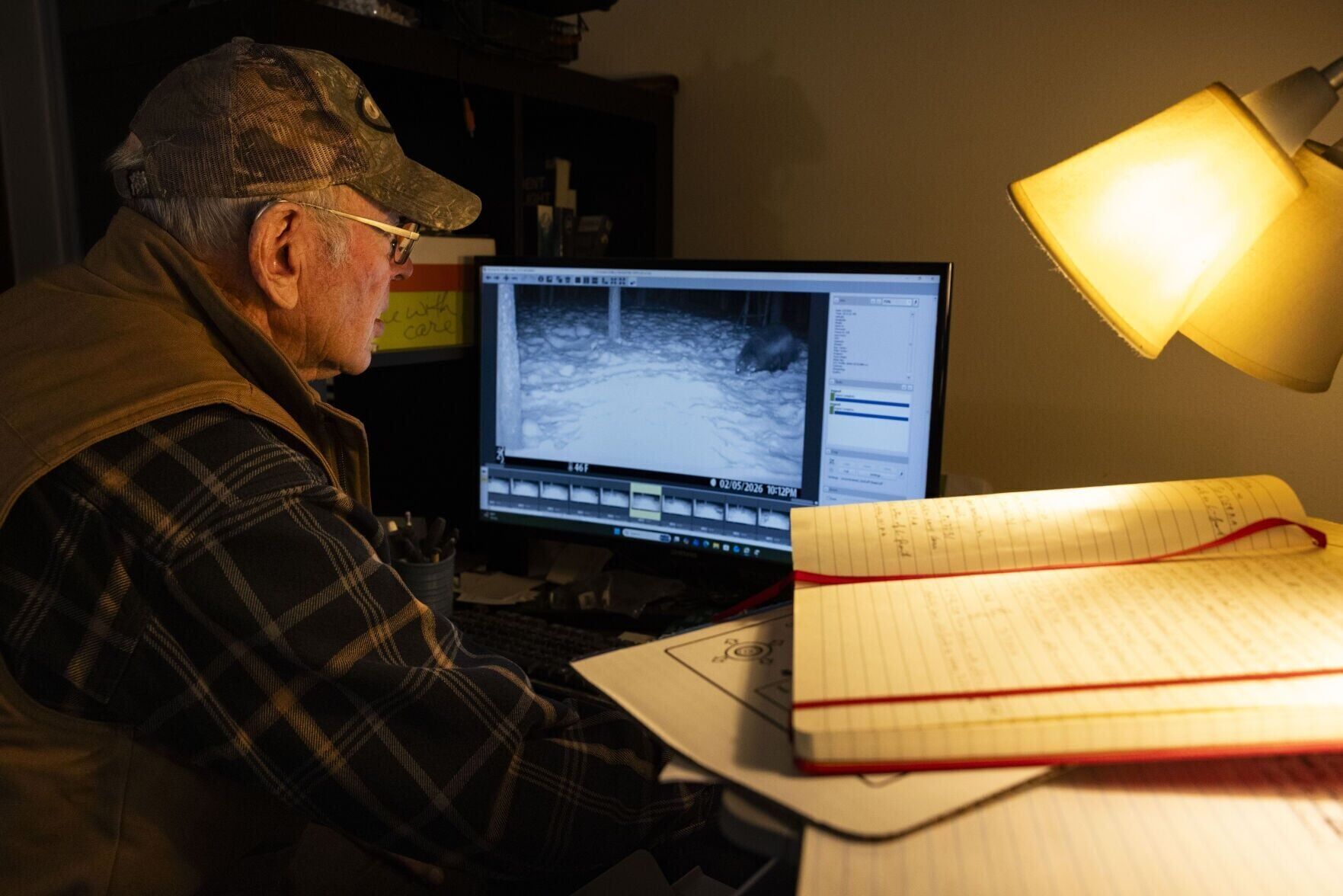
Each winter, Heffington typically ventures twice each week via snowmobile into the snowfields of the Anaconda Range, known informally as the Pintlers, to conduct wolverine research, an endeavor not typically associated with an octogenarian.
He packs in roadkill or something smelly, along with memory cards for game cameras and supplies for his bait stations.
Heffington’s independent volunteer efforts, financed by Heffington himself, have been helpful to wildlife biologists.
Nathan Kluge is the state furbearer coordinator for Montana Fish, Wildlife and Parks.
“Don has been an integral part of recording very fine-scale wolverine detection data in the Pintlers,” Kluge said. “He has been primarily autonomous in his efforts, with some assistance and support from Vanna Boccadori, FWP’s Butte area wildlife biologist.
“This research further informs our knowledge base about reproduction, wolverine density, wolverine behavior and detection rates, and can help state and federal agencies better understand the greater wolverine population,” he added.
Heffington’s field work has been joined in recent years by Shane Park of Butte. And he has been accompanied this winter by Jordan Bauer, an undergraduate at the University of Montana Western majoring in ecology with a fish and wildlife minor.
Bauer said she has been surprised, given Heffington’s age, by his mobility, agility and toughness.
“Most days he can outwork all of us,” she said. “He has dedicated years to this. He has such a passion for the work.”
Heffington’s home in the Flats in Butte reflects the eclectic interests of a Renaissance man. Scattered around are books about geology, astronomy and chemistry. Two microscopes are staged in the vicinity of Chilton auto repair manuals. A heap of power tools occupies about 2 square feet of floor space.
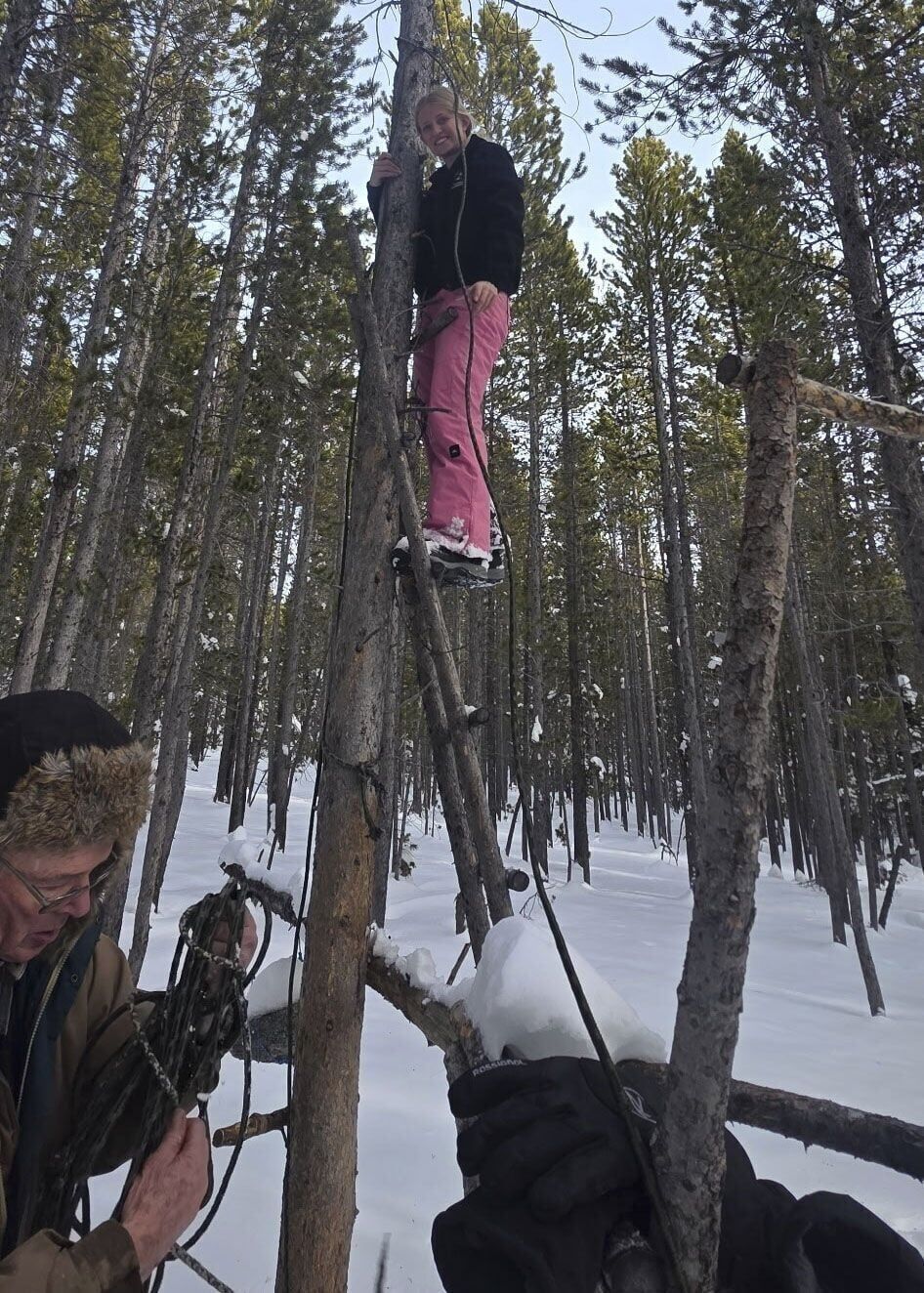
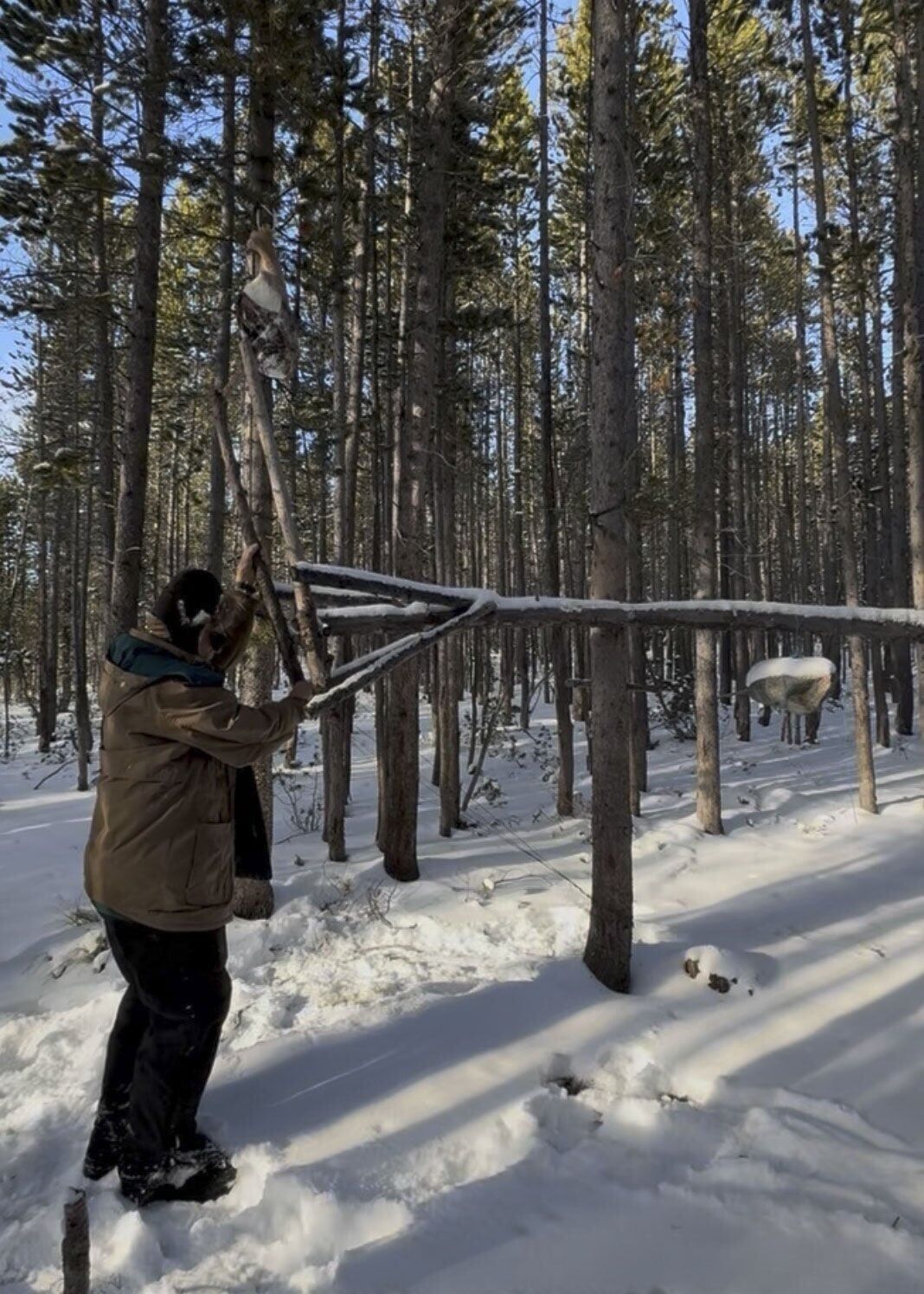
Heffington, a former building contractor and regional laundromat tycoon, has incorporated innovative tactics in his wolverine research. He adapted plans developed by a wolverine researcher in Alaska and refined by a resident of Lincoln to build a unique, counter-balanced platform at the study sites.
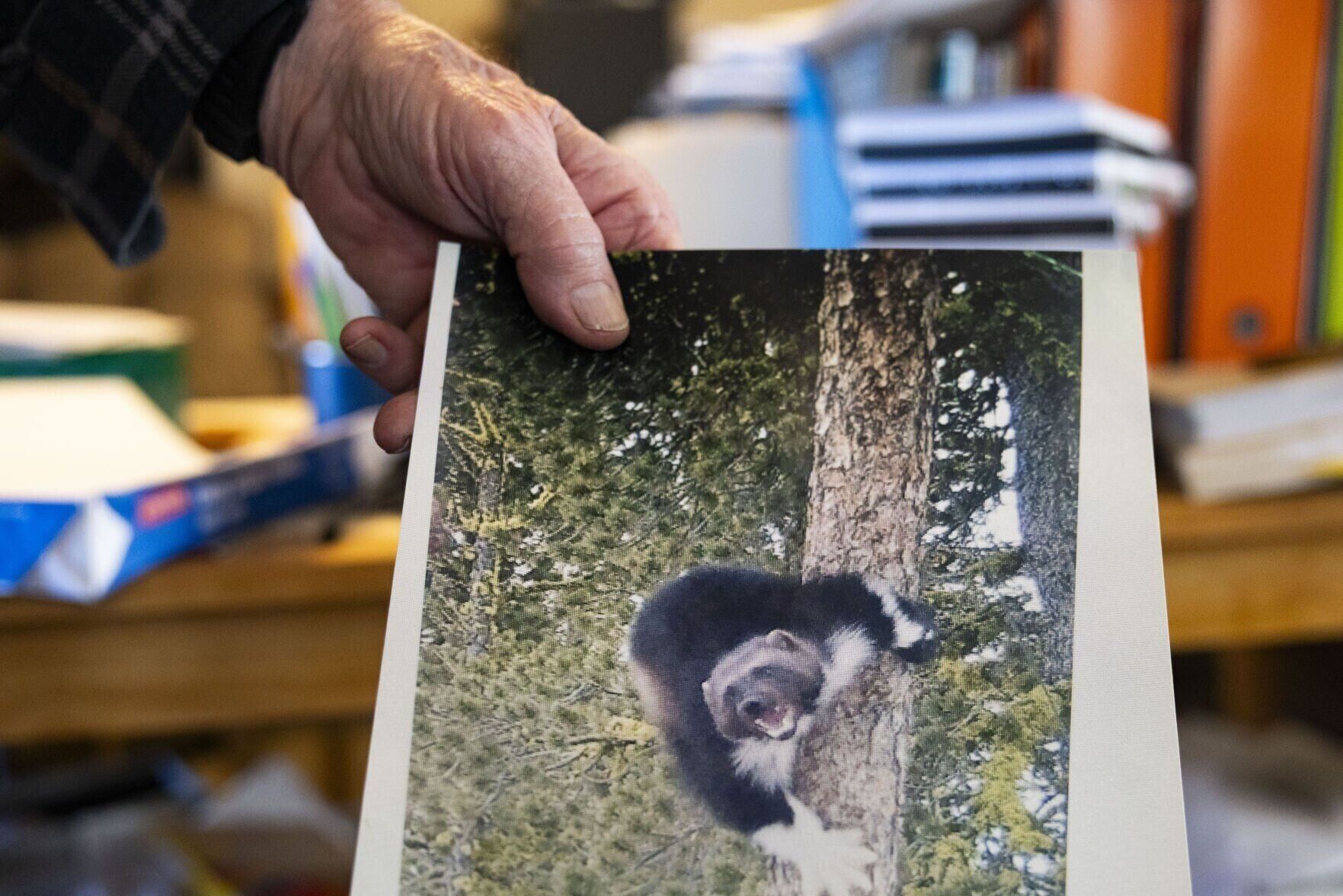
He hangs road-killed deer, beaver carcasses or especially pungent bait at three stations in the Pintlers. The counter-balanced platform is slightly elevated, which allows game cameras at the sites to capture images of each wolverine’s distinctive markings and, on occasion, glimpses of the animal’s sex as the wolverine climbs to gain access to the bait.
The platform, built from materials found onsite, is designed to collapse under the weight of a larger predator, such as a bear, denying access to the bait.
Heffington has deer carcasses tested for chronic wasting disease before using them to lure wolverines.
Kluge referenced Heffington’s innovative approaches to fieldwork.
“Don has developed his own scent dispensers that deposit lure daily dependent on barometric pressure, so they don’t take any batteries and can last in cold conditions for months,” Kluge said. “Don has been able to generate a very detailed log of individuals and much of their life history, reproductive status and offspring. Don is one of a few other private researchers in Montana that are doing very similar work at these fine scales.”
The U.S. Fish and Wildlife Service in November 2023 designated the wolverine in the Lower 48 as a threatened species under the Endangered Species Act.
“Current and increasing impacts of climate change and associated habitat degradation and fragmentation are imperiling the North American wolverine,” said the Fish and Wildlife Service at the time.
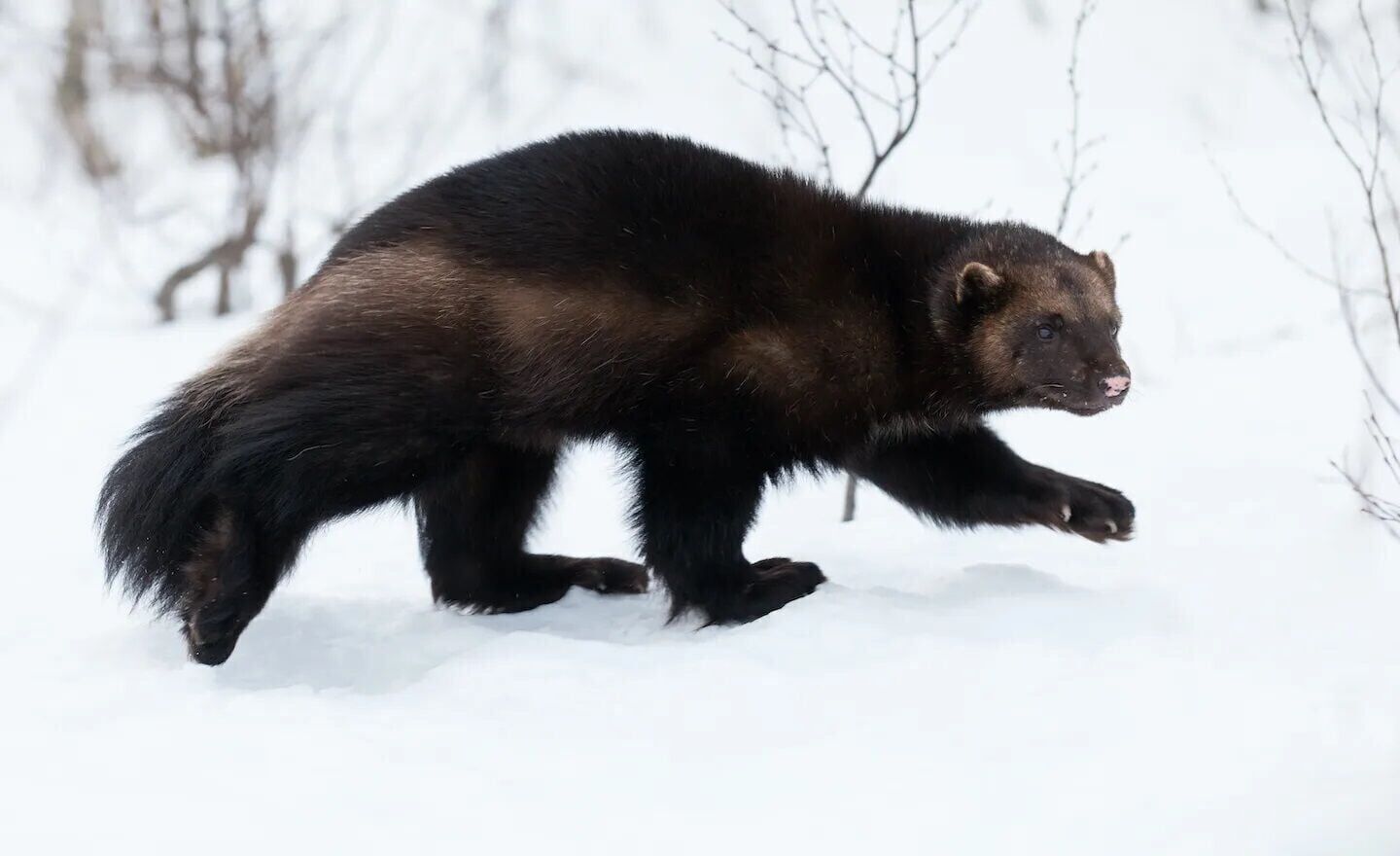
Wolverines are fierce predators but also scavenge. They are adapted to cold environments where snow is present much of the year. The animal’s large feet act like snowshoes, allowing it to spread its weight.
A wolverine’s bite force is powerful, allowing the carnivore, a member of the weasel family, to scavenge and feed on carcasses already ravaged by other predators.
The animals have low reproductive rates and rely on snow for denning. Numerous lawsuits filed on the animal’s behalf in the Lower 48 identify climate change as a threat and chastise the Fish and Wildlife Service for failing to designate critical habitat for wolverines.
The Service defines critical habitat as specific areas “that contain the physical or biological features that are essential to the conservation of endangered and threatened species."
The Center for Biological Diversity filed a related lawsuit in late February.
Doug Chadwick, a wildlife biologist and author, has observed that wolverines “might be the toughest animals in the world.” Which is likely one reason Heffington feels such kinship with the animals whose likenesses he captures.
His involvement in wolverine research begin in 2017.
“I saw an article in the newspaper about an upcoming study by the Fish and Wildlife Service,” Heffington recalled. “They were proposing to do a five-state study and said they were looking for volunteers. So, I started then and just kept at it.”
His contact was Boccadori.
“I went down and knocked on her door and she said, ‘Yep. Sure.’ I’ve worked with her a lot since then,” Heffington said. “She’s been a real helpful person."
He established his first bait site up the Jerry Creek drainage, to the west of Fleecer Mountain.
“I think I went down there every day for a week, real excited about finding wolverines. And nothing. Nothing. Nothing,” Heffington said. “After about a week, I thought, ‘Well, I don’t need to go that often.’”
He backed off for a few days.
“I finally went down and decided I’d just pull that station. So, I pulled the cameras and the cards and brought them home and I had two wolverines in one day,” Heffington said.
One was a female and the other was a male following her scent. At least that’s what Heffington guessed.
“He was kind of on the run,” he said. “He just kind of ran through the site, right toward where she had gone.
“Anyway, I was hooked,” Heffington said, smiling.
His appreciation for wolverines echoes Chadwick’s.
“They are the toughest animals on the planet,” Heffington said. “I mean, think about where they live. You know, 10,000 feet. Think of the wintertime at 10,000 feet on a sharp ridge. And they’re out there every day. Every day.”
And Heffington is out there every week during the winter.
“I’m a lot slower than I used to be,” he said. “But I’ve always been pretty active. I’ve always done things that were pretty vigorous.”
Heffington decided to abandon a productive bait station at Carpp Ridge because getting there had become too daunting.
“We could get within about a half-mile from the site and then it was just as steep as the snow gets,” he said.
That leaves three stations being baited and monitored by game cameras.
He’s never seen a wolverine with his own eyes but sorely hopes that will happen. He came close once. He’d worked a station near Twin Lakes west of Anaconda and found fresh tracks of a wolverine crossing his parked snowmobile sled.
Heffington had never driven a snowmobile before beginning the wolverine research. He clearly has mixed feelings about the machines. Both he and Bauer described snowmobile breakdowns in the backcountry.
“One of the biggest expenses has been snowmobiles and their upkeep,” he said. “Just had a repair bill of $1,100-plus, with parts now on order for another thousand.”
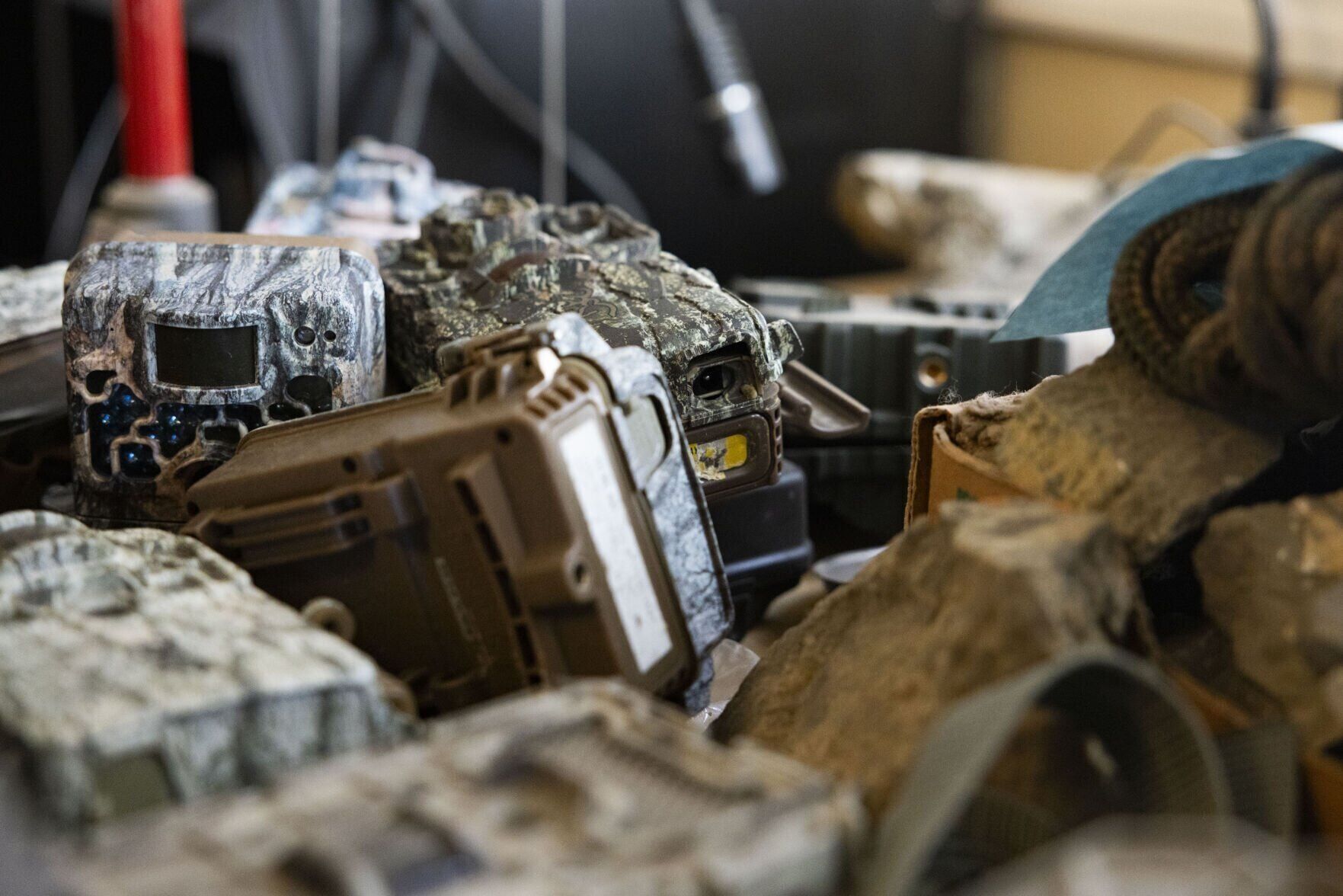
Game cameras can be temperamental too. He has about a dozen deployed now at bait stations.
Heffington finances the whole operation: gas for vehicles and snowmobiles, game cameras, SD memory cards for the cameras and more.
“You go through a lot of SD cards,” he said. “The last two times I’ve been to Walmart I bought them out.”
His research-related compensation since 2017 totals $1,000.
Bauer said Heffington's passion for wolverines fuels his work.
Don Heffington was born in Yuma, Arizona, but grew up in Weaverville, California. His father, Armon, worked as a lobbyist for the earth-fill Trinity Dam. His mother, Ila, ran a gift shop.
Heffington completed a few years of college in Missoula, worked with a passenger elevator installation crew and then as a small-scale building contractor. He has lived in Butte for 25 years.
In the Mining City he bought apartment buildings and then built three laundromats, including one each in Butte, Dillon and Livingston.
“I built them and ran them,” Heffington said, but sold them three or four years ago.
He acknowledged that the wolverine research helps provide the sense of meaning and purpose many retirees crave.
Heffington has nicknamed some of the animals who have become familiar, with monikers tied to markings or their ability to reproduce — “tube sock” and “two bit” and “Supermom.”
“Their markings are just like your fingerprints,” he said. “They’re absolutely definitive.”
Heffington said he has identified 25 or 26 individual wolverines.
It’s grist for the mill.
“We have a good population of wolverines in Montana and we detect them throughout much of their historic distribution,” Kluge said. “They are a wide-ranging species, with male wolverines having a home range size of 350 kilometers squared. Wolverines naturally occur at low densities, which doesn’t reflect any concern about their population.
“During Don and other researchers’ work, we have detected up to six wolverines at one station over one winter,” he said. “We even get verified detections as far east as North Dakota, showing that they are dispersing out to areas of lesser quality.”
Kluge said Heffington's research has enhanced biologists’ understanding of wolverines.
“The number of wolverines that Don has detected is similar to detections in other areas of their range such as Glacier National Park, the Greater Yellowstone Ecosystem and the Bitterroot,” he said.
Meanwhile, a month ago, Heffington suffered three broken ribs after a mishap with a snowmobile and trailer. He abandoned fieldwork for just two weeks.
Chadwick’s “The Wolverine Way” has a sentence that likely resonates with the octogenarian in Butte.
“You could do worse than help build wolverine muscle and blood when your time comes around,” he wrote.


Comments ()