
‘Hitting the wall’: Americans have record amounts of debt, and for many, it’s getting worse
Many Americans are drowning in debt — and their financial peril is getting deeper and deeper.
U.S. households currently face a record $18.78 trillion in debt, according to the latest figures from the New York Federal Reserve Bank.
That is up $4.63 trillion from the end of 2019, when household debt totaled $14.15 trillion, before the COVID-19 pandemic’s disruptions and resets.
That’s a 33% jump in debt loads, according to the New York Fed.
”Every major debt category has been growing,” said Alexander Specht, associate director of the University of Wyoming’s Center for Business and Economic Analysis.
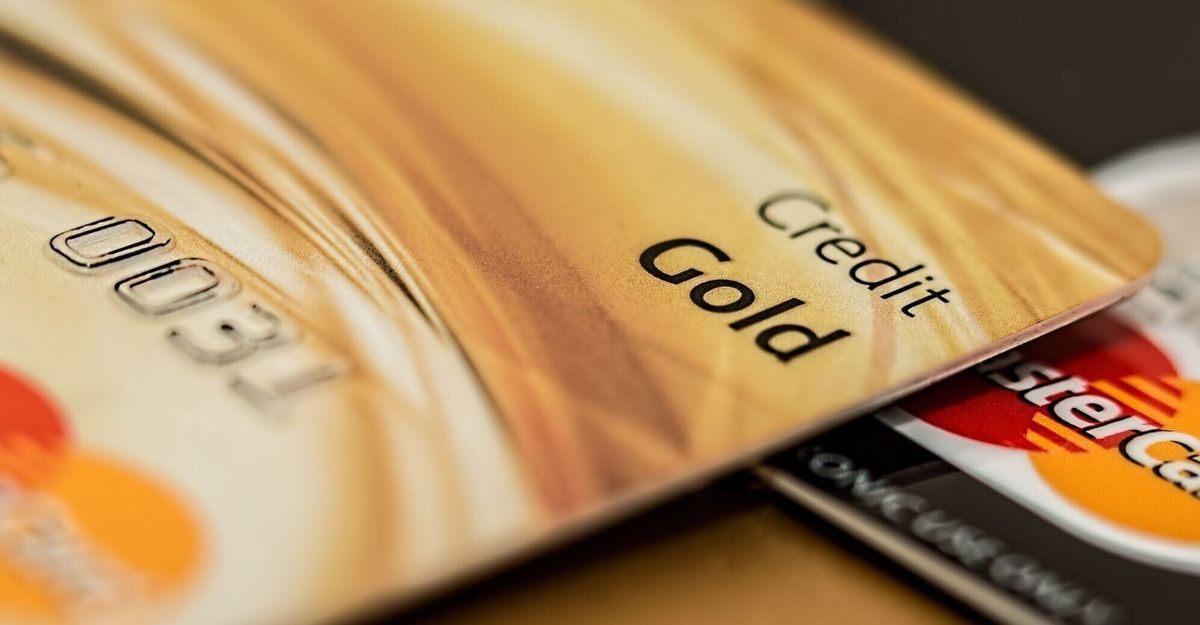
Credit card debt stands at $1.28 trillion, up 29% from pre-pandemic levels, according to the New York Fed’s recently released year-end data.
Debt for auto loans stands at $1.67 trillion, up 26% from the end of 2019.
Mortgage debt has increased 38% from pre-pandemic levels and now sits at $13.17 trillion, according to the regional office of the U.S. central bank.
Specht said a variety of factors, including inflation, high interest and financing rates, and a softening labor market are all part of the overall debt situation.
That includes higher utility rates and increased costs for housing and transportation.
The median home price nationally is more than $423,000, according to real estate firm RedFin.com.
The average price of a new car is more than $49,100, while used car prices average $26,000, according to Kelley Blue Book.
“The price of automobiles has gone up quite a bit, especially post-pandemic,” Specht said.
CREDIT CRUNCH
Higher interest and financing rates aren’t helping debt-strapped American households with their finances.
“We’ve seen car payments that look like mortgage payments,” said Bruce McClary, senior vice president for the Washington-based National Foundation for Credit Counseling (NFCC).
His group is also seeing cash-strapped American households paying for necessities with credit cards.
“People are using their credit cards for groceries. People are using their credit cards to put gas in the tanks of their cars,” he said. “People are using their credit card to sometimes cover housing costs; to pay rent and to pay for utilities.”
That has a lot of peril if borrowers are only making minimum payments and reducing their credit capacity while facing high interest rates, McClary said.
McClary said borrowers are also facing high interest rates, in the range of 24%, for credit card debt.
Specht said higher lending and financing rates can help dig financial holes deeper and deeper.
“Interest rates have gone up. That doesn’t help your ability to pay off the debt you take on,” Specht said.
President Donald Trump has pushed for the Federal Reserve to lower interest rates to help lower financing and lending costs. The central bank has been reluctant to cut rates as it keeps tabs on inflation.
'TECHNICALLY INSOLVENT'
A financial stress barometer compiled by NFCC forecasts a historic high for the first quarter of 2026.
NFCC says “an increasing number of counseled consumers struggle to stay afloat, indicating that a growing segment of the population is not just overextended — they are technically insolvent. They have income, but no remaining disposable cash flow to fund a more affordably structured repayment plan after covering basic necessities.”
Specht said in Wyoming his research shows approximately 20% of the state’s households have zero or negative net worth.
He said many in that group are younger people, saddled with student loans and other debt who don’t own real estate and have lower income levels.
A softening job market is also not helping with career opportunities or upward pressure on wages.
The U.S. economy lost 92,000 jobs in February, missing Wall Street expectations of 59,000 added jobs.
Artificial intelligence (AI) is biting into some jobs, while workers and businesses face higher crude oil and gasoline prices stemming from the U.S. and Israel’s war with Iran.
Oil prices jumped to more than $100 per barrel as of March 9 on concerns about the war cutting off Persian Gulf oil supplies. That’s up 50% since the start of the war, according to Google Finance.
That’s pushed up gasoline prices, with the national average at $3.48 per gallon as of March 9. That is up 17% since the start of the Iran war on Feb. 28.
All that adds to a disparate economic landscape that saw America’s billionaires add $1.5 trillion to their wealth last year, according to Americans for Tax Fairness.
That is a 21.8% wealth gain for the wealthiest, according to the liberal tax group backed by labor unions and progressive advocates.
At the other end, a significant number of American households say they are living at or near paycheck to paycheck.
Research from Bank of America shows 24% of American households and 27% of lower-income U.S. households say they are living paycheck to paycheck. Other surveys put that figure higher.
“It’s becoming difficult for people to stay afloat,” McClary said. “They seem to be hitting the wall.”
McClary recommends those facing financial stresses and problems paying their bills to reach out to nonprofit credit counselors for help earlier, rather than later.
“People need to reach out to get help before letting it get so bad that there are no options,” he said.





Comments ()