
‘I care about you’: CARE and CAPS programs here to help students
Editor’s Note: The contents of this article contain mention of suicide. Readers who may find this content distressing are encouraged to proceed with care.
If you or someone you know is experiencing a mental health crisis, support is available.
In Southwest Montana, Help Center, Inc. provides crisis counseling, advocacy, information, outreach and support to clientele in a safe, confidential environment. The Help Center operates a 24/7 Suicide and Crisis Line at 988 or 406-586-3333.
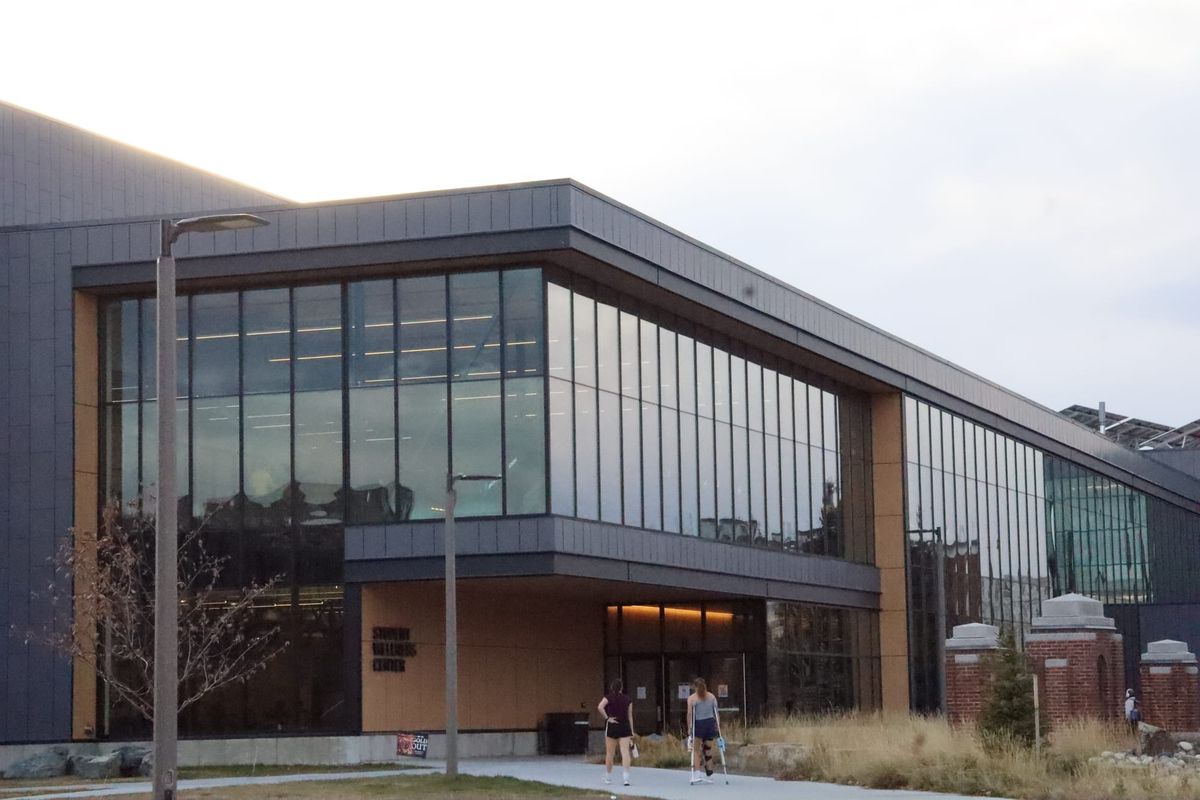
MSU students can access confidential mental health support at Counseling and Psychological Services. For more information visit, montana.edu/wellness/counseling.
On Friday, Nov. 6, Dean of Students Matt Caires sent an email to the MSU community reminding them to take care of all aspects of their health. The email outlined resources available to students, such as the Counseling and Psychological Services (CAPS), the 988 National Suicide Hotline and MSU’s Campus Assesment Response Evaluation (CARE) program.
The MSU CARE program allows students, faculty and parents to submit referrals when they think someone may be struggling with their mental health or may be a threat to themselves or others. “MSU CARE is designed to be proactive in providing swift, coordinated, caring and developmental intervention to members of the campus community prior to crisis,” according to the Office of the Dean of Student’s website.
Alli Gidley, dean of students specialist and leader of the CARE program, said that students of all ages and situations get referred to the CARE program. “We get quite a few freshmen, but also a lot of graduate students from our graduate student housing struggling with housing insecurity, financial insecurity, balancing raising kids and going to school and work and all of that kind of stuff,” she said.
According to Gidley, CARE referrals can often happen when someone notices a change in someone's demeanor. “If they see something that's a deviation from who a student presents as in the beginning of the semester — six weeks in — that might be an indication that their mental health is deteriorating and that a CARE referral would be appropriate,” she said.
Gidley said the program is divided into two teams, a Behavioral Intervention Team (BIT) that handles high-risk cases of individuals that may be a threat to themselves or others, and a CARE team focused on supporting lower-risk cases such as students having difficulty with their transition to college, and students who are struggling with their mental health.
“If I reach out to a student, it does not mean they are in trouble. Students still have that feeling when they get that phone call from the Dean of Students Office that they are in trouble,” Gidley said. “We are just reaching out. We want to support them. We want to connect them to resources.”
Brian Kassar, a senior staff psychologist and suicide prevention coordinator at CAPS, outlined some ways to help a friend in need. “Just listening, showing care and support and encouraging them to access counseling or other resources. We know people are more willing to get help when those close to them are supportive of it,” he said. “Check in regularly with friends, particularly if you know they’re having a rough patch or showing signs of distress.”
Kassar also said openly talking about suicide is not dangerous. “Ask about risk or suicidal thoughts; talking about it openly isn’t harmful and can ensure a person gets help ASAP,” he said.
According to Kassar, some people can be apprehensive about getting the care they need for their mental health, which is why supporting friends in need is so important. “Oftentimes people don’t know that what they’re experiencing can be treated, or they don’t know about all the various counseling and support services available,” he said. “Because of stigma around mental health, a lot of folks think that they should be able to handle things on their own and then see it as a form of weakness — this is particularly true for folks from rural areas, men, veterans and first responders.”Kassar said if you suspect someone is struggling with thoughts of suicide, make sure to check in with them and ask them directly about it. “It can be tempting to try to talk them out of it, but this can backfire and make the person shut down if they feel like they are being judged or their feelings are minimized,” he said. “Listen non-judgmentally, let them know you care about them and want them to live and get help for them immediately by calling 988, walking them to CAPS or taking them to the ER. Avoid alcohol or substance use or anything that may add fuel to their distress.”This point of the semester can be a busy time for students and it can be difficult to keep in touch with family. “The other thing I'd like to remind students right now, if they have good parents, call their parents,” Caires said. “They actually can be helpful. The other reason why — they miss you more than you miss them.”
The CARE program is available for students and faculty to call every weekday with some same-day availability. “If you're worried about that, come talk to us. And we're happy to answer your questions,” Caires said. “I care about you,” Caires said. “There's a whole infrastructure of people, professors, caring individuals that want to help. We can't help if we don't know. And so students, if you're struggling, reach out and tell us. Students, if you're watching a friend struggle, tell us.”
If you or someone you know is experiencing a mental health crisis, dial or text 988, or reach the Help Center at 406-586-3333.
To make a CARE referral, visit https://cm.maxient.com/reportingform.php?MontanaStateUniv&layout_id=7.
To learn more about mental health resources on campus, visit https://www.montana.edu/assist/.
To learn more about suicide prevention, visit https://www.montana.edu/suicide-prevention/.

Comments ()