
'I saw their eyes ignite': Corvallis students participate in Rocky Mountain Lab program
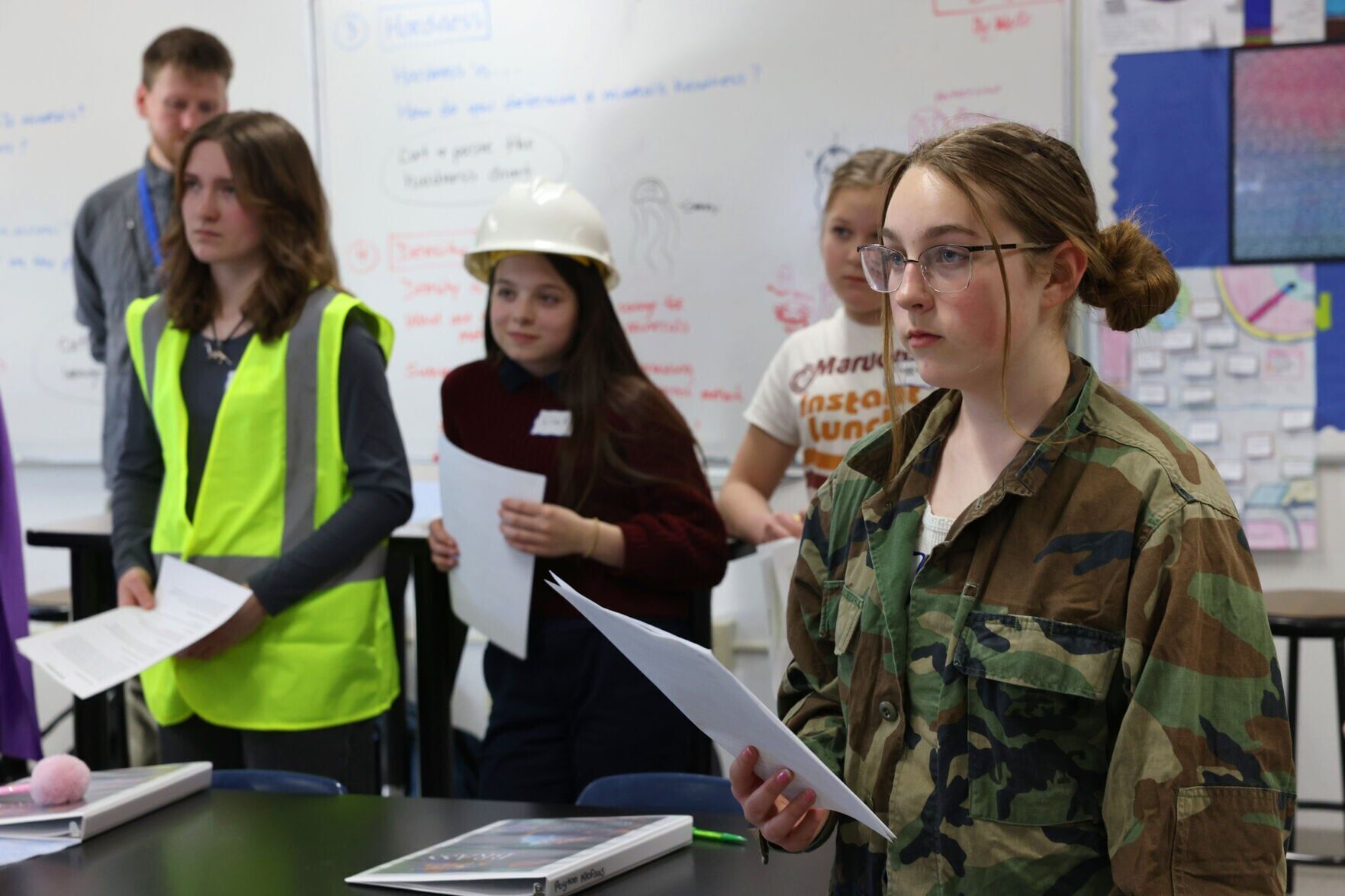
About two dozen Corvallis middle-schoolers stood in a circle to form a “cell” on Thursday afternoon, with different students taking on roles like “Lieutenant Lysosome” and “Captain Membrane” in a play about a city called “Organellia” — meant to represent the different roles of different parts of an animal cell.
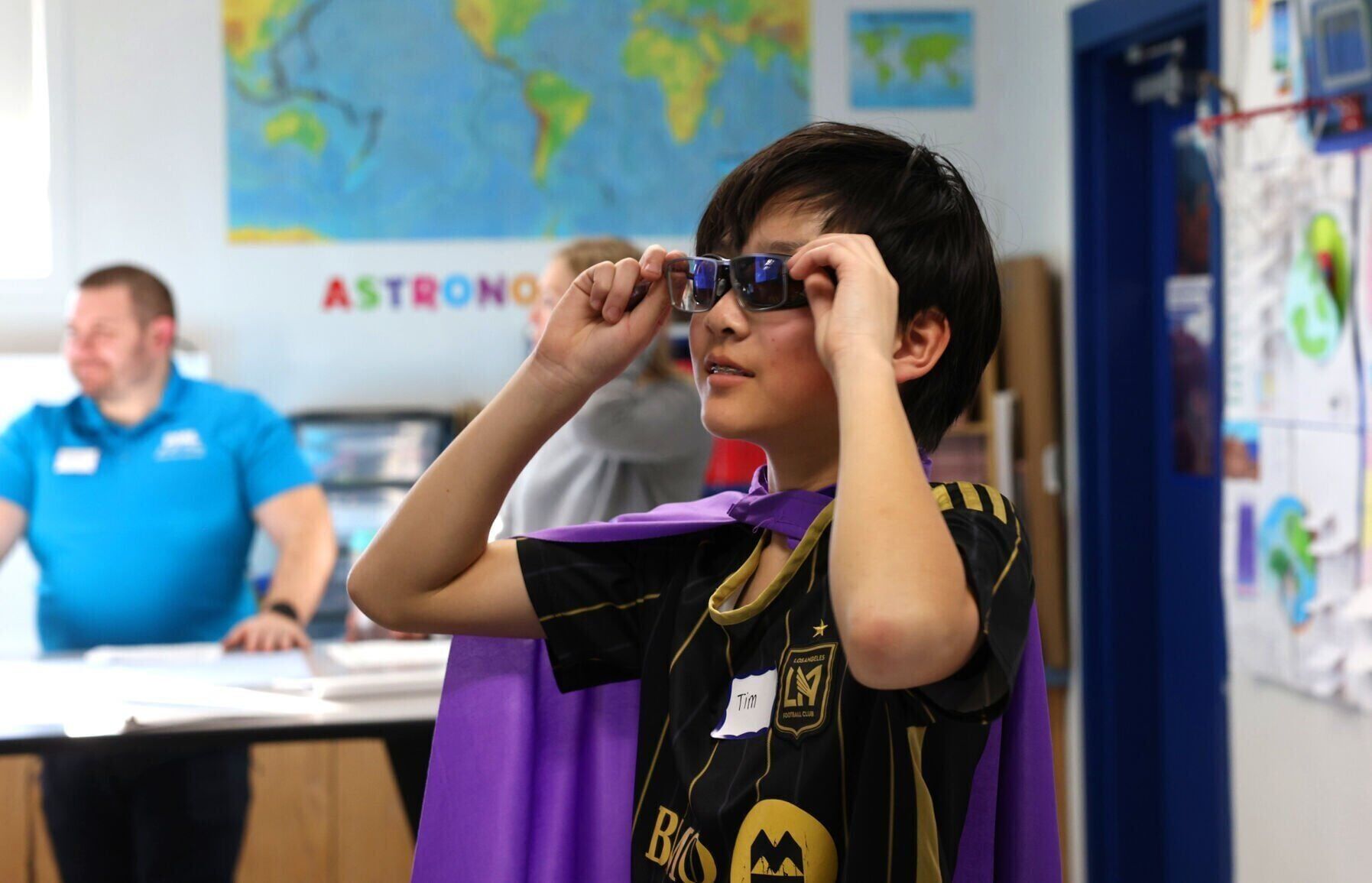
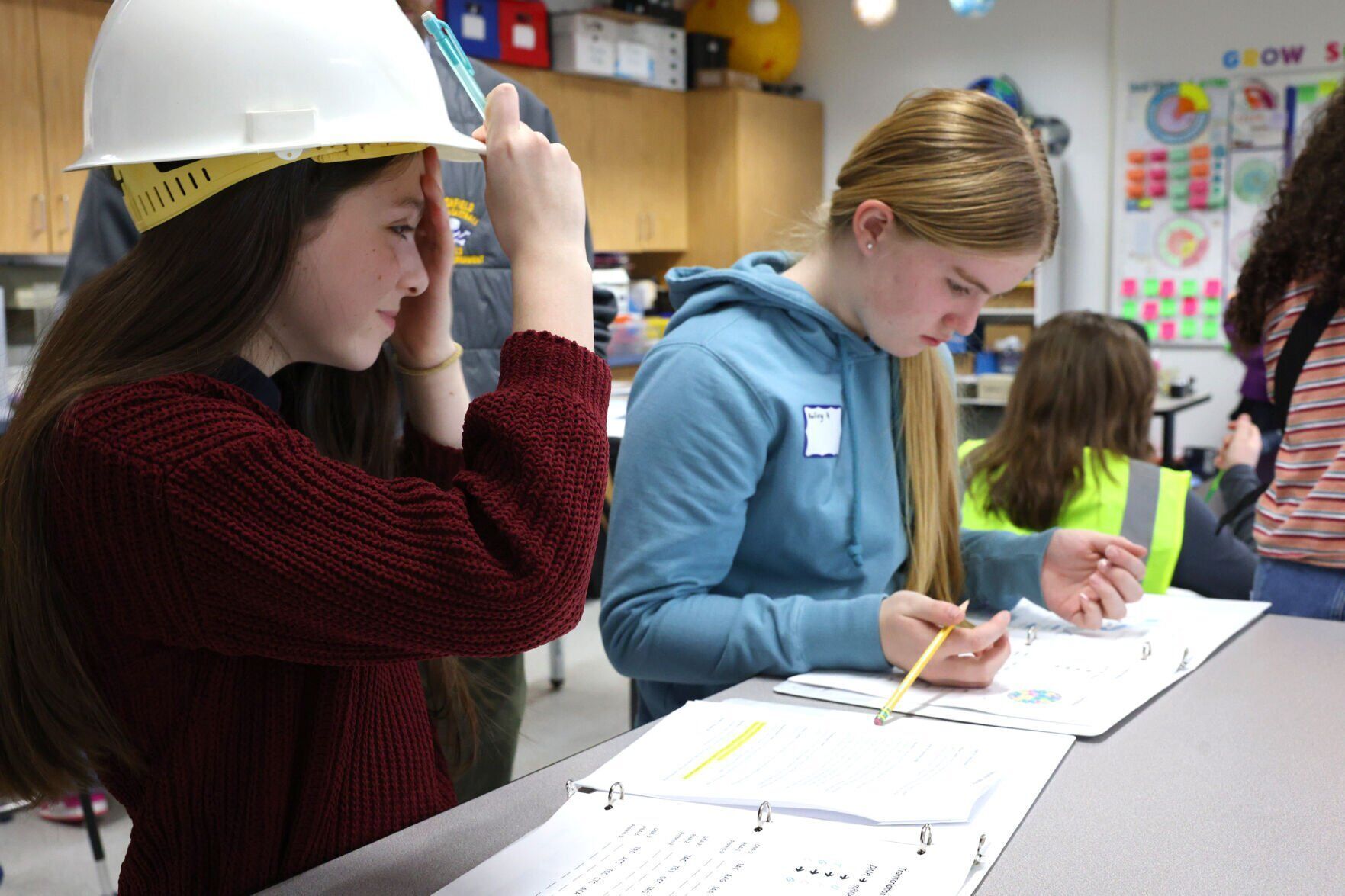
Students volunteered themselves for different roles and sported costumes befitting their character. Lieutenant Lysosome, seventh-grader Ella Ostby, wore a camo jacket and Captain Membrane, seventh-grader Tim Zhang, a purple cape and sunglasses.
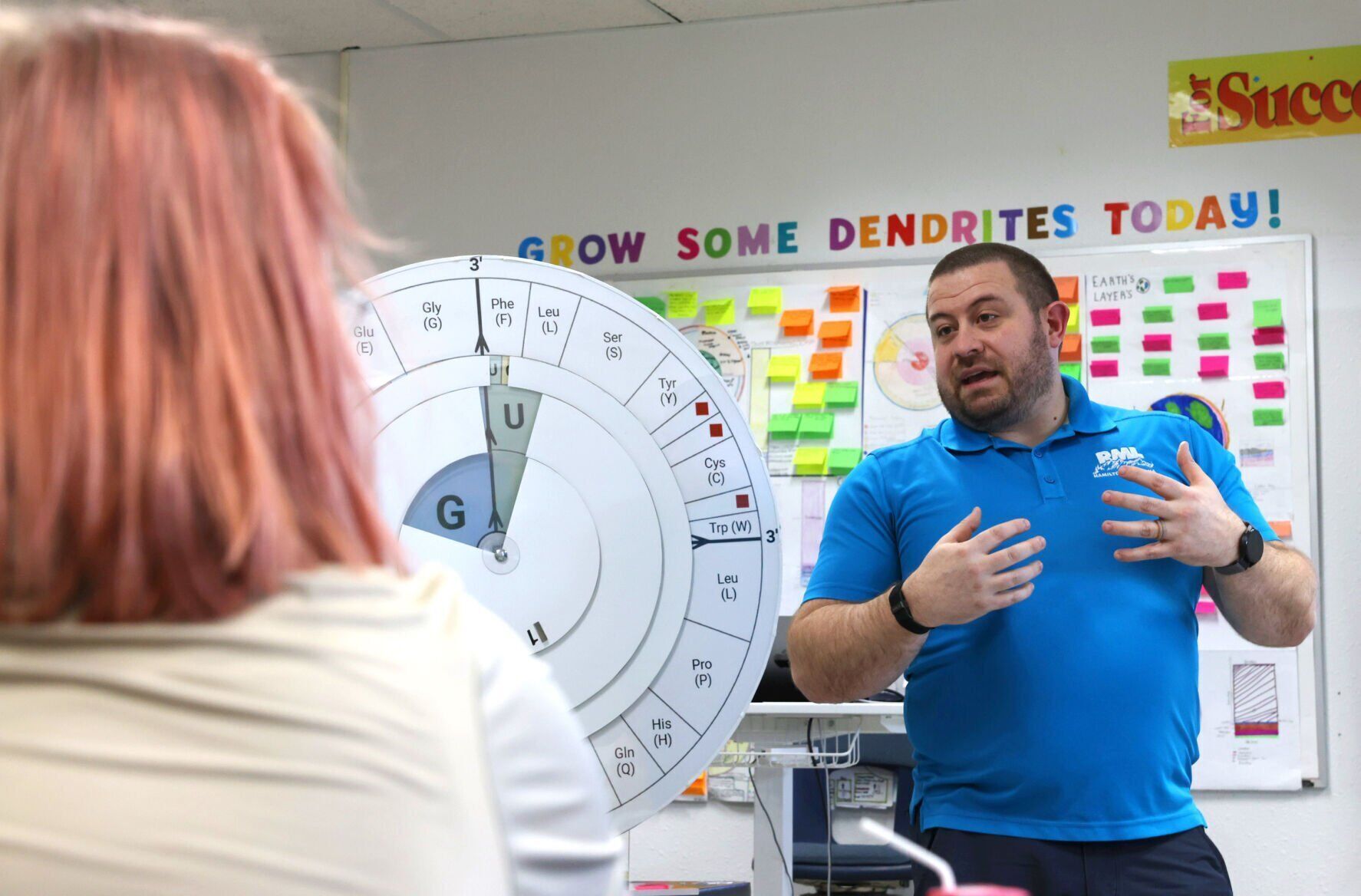
The play was put together by the Biomedical Research After-School Scholars (BRASS) program developed by National Institutes of Health researchers at Rocky Mountain Labs in Hamilton.
Bryan Hansen went from being a student in the BRASS program nearly 30 years ago to now co-leading it as a Rocky Mountain Lab scientist with nearly ten patches on his lab coat representing labs he’s worked in around the country.
“When BRASS first started, it was one employee from the lab and a high school student,” Hansen said. “Now we have groups of four to six [employees] rotating through and doing the different modules.”
This week’s module on cell biology is the first of five different weekly science modules including lessons on infectious diseases and comparative anatomy. The module included the play as well as an exercise where students isolated their own DNA to put in a necklace.
About a quarter of the students in the BRASS program are also a part of Corvallis Middle School’s Science Olympiad team, which just won its fourth statewide title in a row and is heading to nationals in Los Angeles in May.
In the play, the city Organellia is under threat by the villain of the play, Salmonella who — donning a black cape and hat — got past Captain Membrane and shut down the energy plant of the city, the Mitochondria.
When the plant had been active, students representing the Mitochondria had cups with candy they would hand out during different intervals saying “You get energy!”
When Salmonella shut the Mitochondria down, the students sat on the floor to represent the energy being out.
By the end, Lieutenant Lysosome escorted Salmonella out of the city “walls,” aka the cell membrane.
The student playing Mayor Codon, aka the holder of the “blueprint of the city” or the DNA/RNA sequences of the cell, then announced Organellia “is safe again!”
“Powerplants are coming back online — now let’s get back to living our best life,” the student said.
The Mitochondria then celebrated, “Energy is back, baby!”
At least two seventh graders said they want to come back and do the program next year.
Eighth-grade Science Teacher Rich Durgin said he likes to see middle school students choose to come in for science after school.
“You can just see how excited they are for this program,” Durgin said.
Seventh-grade science teacher Rylee Trendell said students kept turning to him during the play because it featured things they learned about in class.
“I saw their eyes ignite when they saw that this was a similar topic,” Trendell said. “When I told a few that the translation piece and the DNA piece was our next unit, they got really excited, because they're looking forward to being ahead of the game.”
Seventh-grader Clint Jackson said he wanted to be a science professor when he grew up because of Trendell.
Zhang’s dad works at Rocky Mountain Labs and he said he wants to go into dentistry when he gets older. He said he would tell other students who might not be science inclined the program is “really fun.”
“It’s still really fun, there’s just science incorporated,” Zhang said.
Comments ()