
Interior Secretary Burgum emphasizes urgency of critical minerals during Montana Tech stop
The U.S. Secretary of the Interior visited the Richest Hill on Earth Friday to talk about mining and critical minerals. He came to a city notable both for a mining history deeper than the Mountain Con and the forever impacts of the unregulated extraction of minerals.
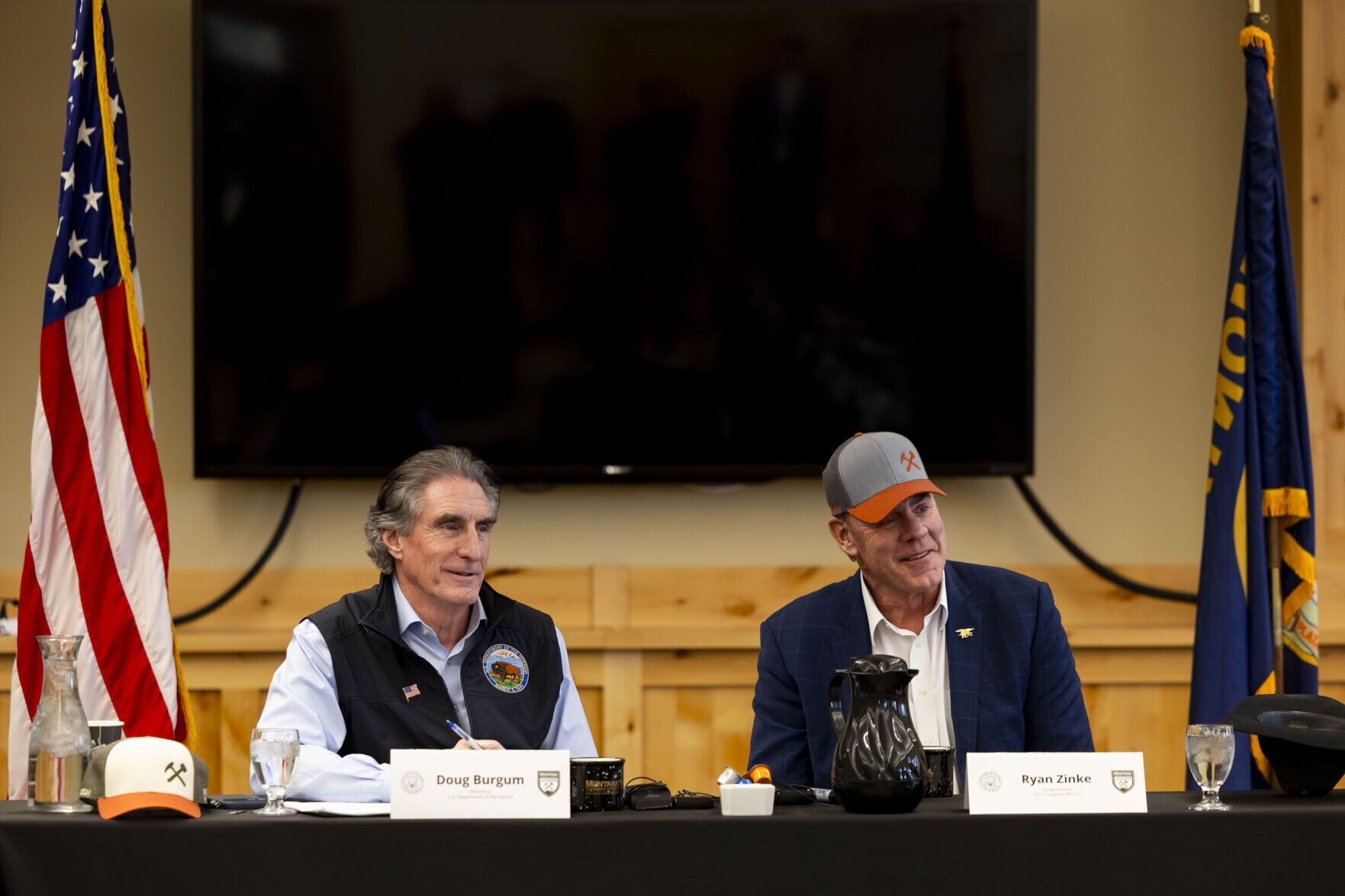
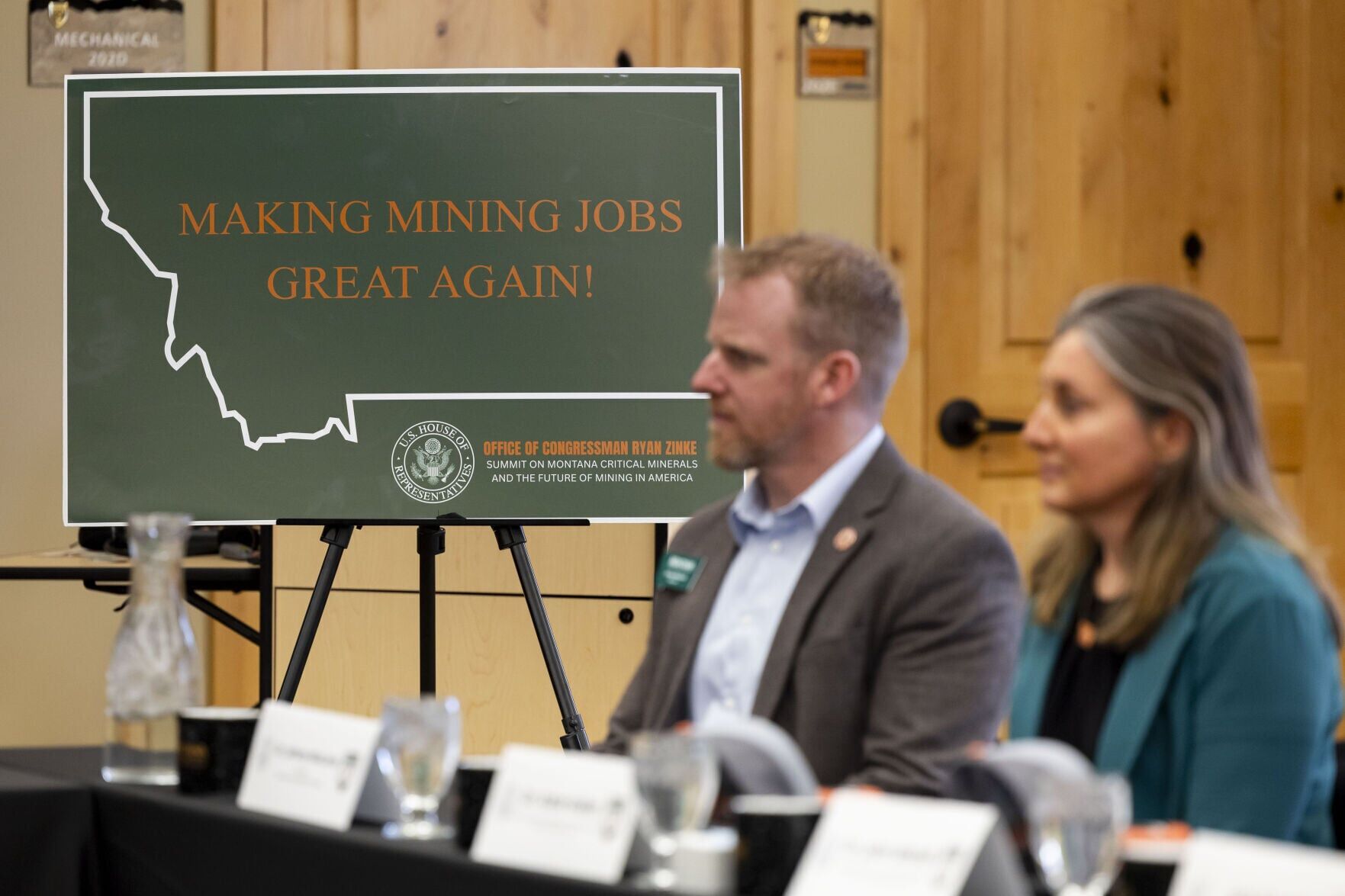
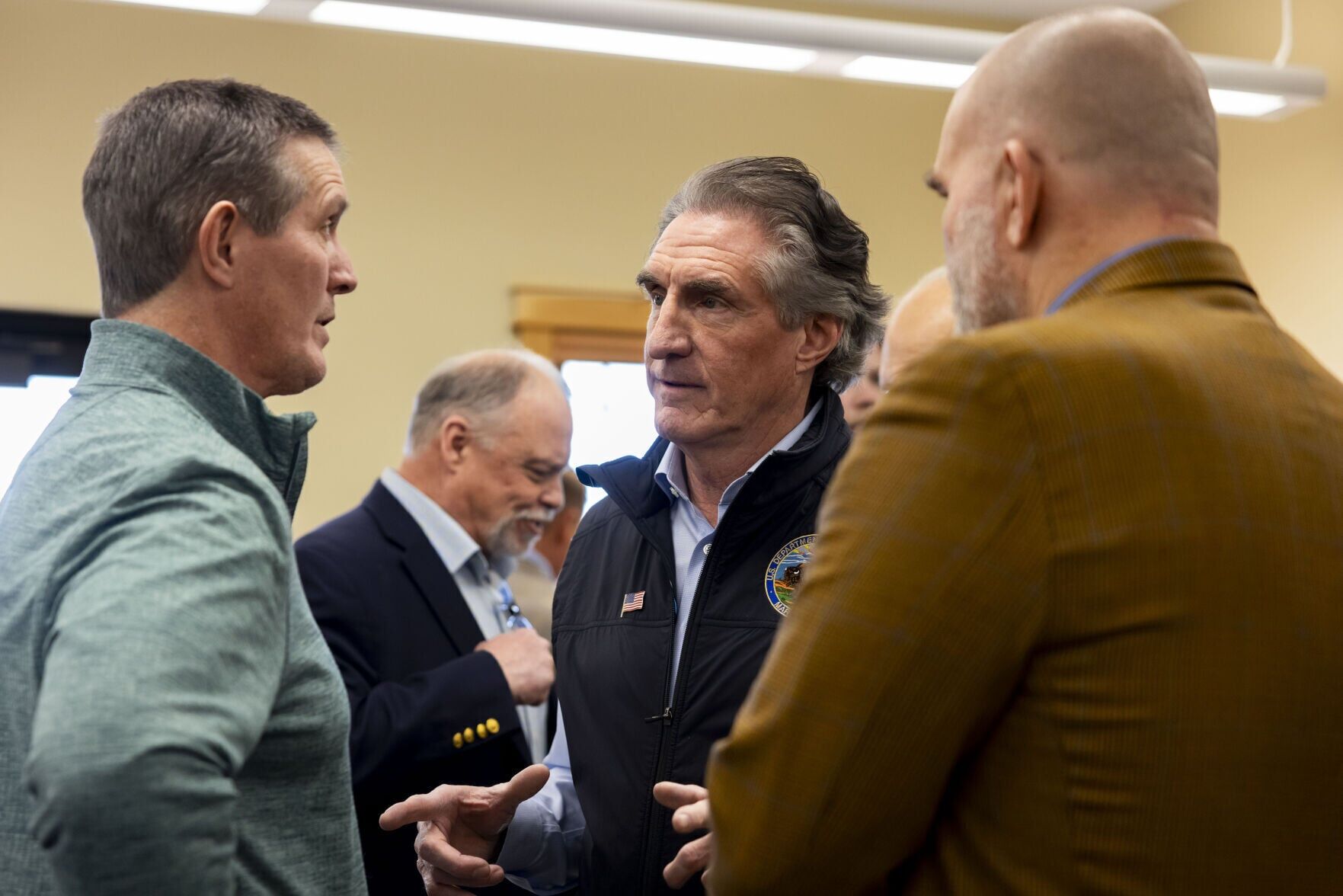
Doug Burgum, a Trump appointee, joined what was described as a roundtable discussion at Montana Technological University about the future of critical minerals and mining in America.
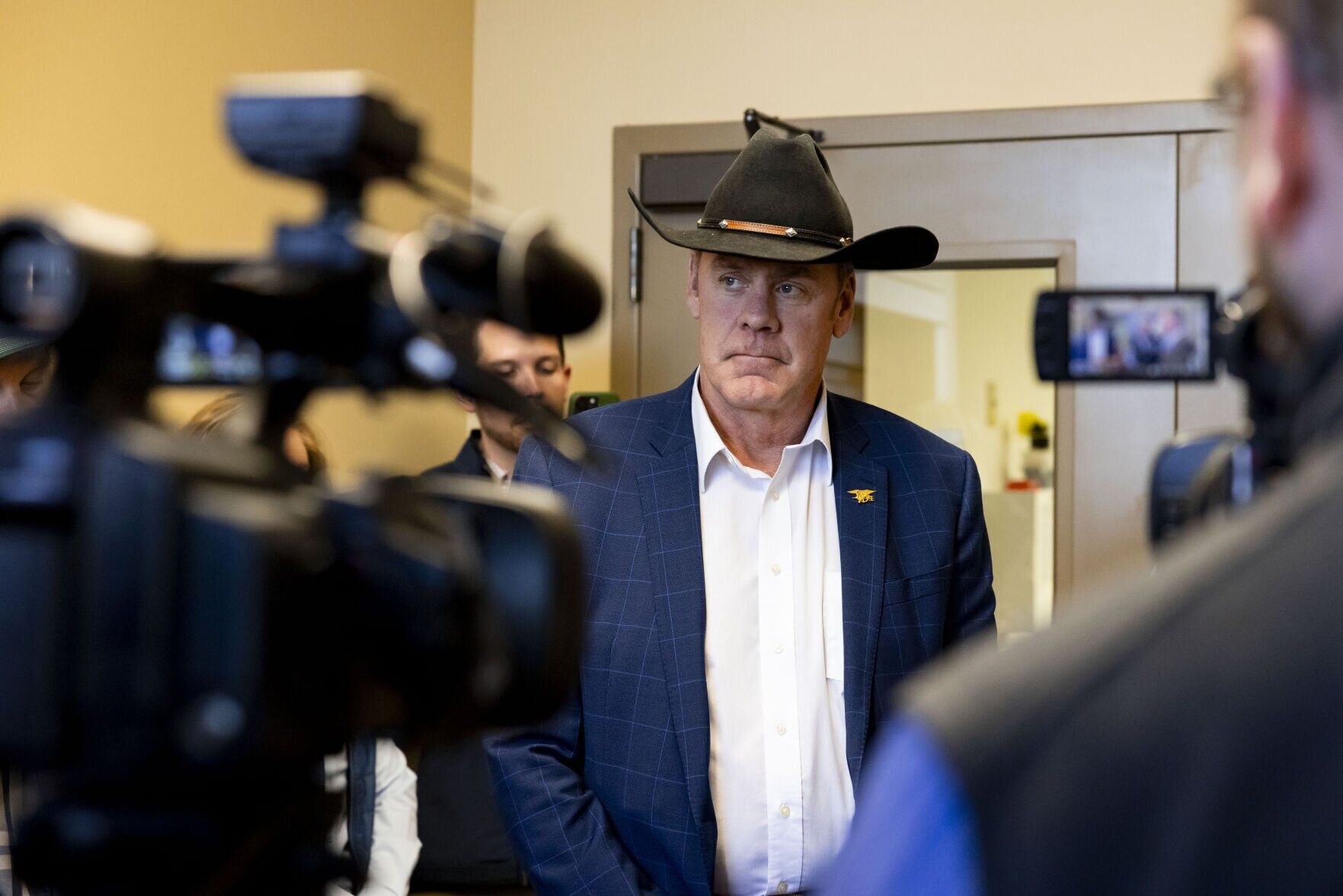
He was joined by U.S. Rep. Ryan Zinke, R-Montana. Hosts included Johnny MacLean, Montana Tech's chancellor.
It was clear that the nation’s strategic and economic competitor in the critical and rare earth minerals race is China.
“We can’t have peace abroad and stability in the world, and we can’t have prosperity and affordability here at home if we don’t have control of our supply chains around critical and rare minerals,” Burgum said.
The U.S. Geological Survey describes critical minerals as “minerals vital to the U.S. economy and national security that face potential risks from disrupted supply chains.”
According to USGS, “rare earth elements [are] a subset of critical minerals whose supply disruption would impose the highest cost on the U.S. economy, which are essential to technologies like smartphones, hard drives, and advanced defense systems. In 2024, the U.S. imported 80% of the rare earth elements it used.”
Burgum lamented that even when critical and rare earth minerals are mined in the U.S. they are often shipped overseas for processing.
“It’s just absurd that we allow our defense systems in our country to be dependent on our adversaries for key elements that we need for them,” he said.
Both Burgum and Zinke emphasized the need to accelerate mining and processing of critical and rare earth metals in the U.S.
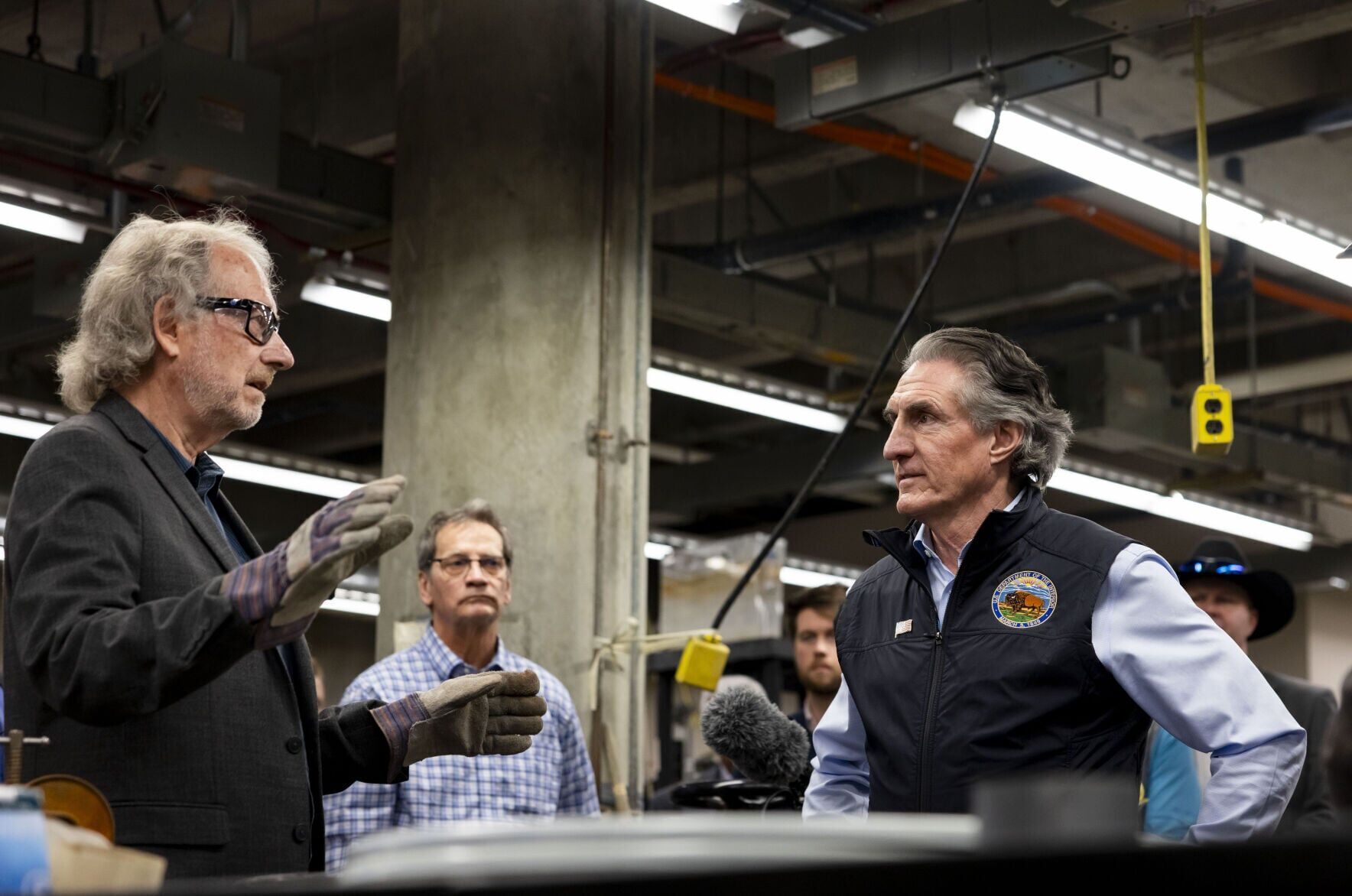
Burgum, impressed by minerals research in a Montana Tech lab, asked researcher Jerry Downey Ph.D. what his team needed to scale up to a full pilot project.
The basic answer was consistent funding.
Burgum talked about how graduates of law schools in the U.S. vastly outnumber graduating engineers, a ratio he said he’d like to change. He said the U.S. is vulnerable now to being a country run by regulators.
During a break, The Montana Standard asked about the Trump administration’s dramatic changes to the nation’s bedrock environmental law, the National Environmental Policy Act, or NEPA.
Critics of those changes have characterized them as gutting the act.
One has been Jayson O’Neill, a spokesman for Save Our Parks, quoted in a Feb. 23 press release.
“Today, Interior Secretary Doug Burgum celebrated the administration's sweeping dismantling of the National Environmental Policy Act, dramatically compressing the time for environmental reviews,” O’Neill said. “The gutting of NEPA, justified under President Trump’s ‘national energy emergency’ order, effectively eliminates the twin pillars of NEPA: informed decision-making and meaningful public participation.”
O’Neill added, “Icing the public out of decisions that impact our public lands and outdoors is a surefire way to make sure polluters get to exploit them, which is exactly what Secretary Burgum wants.”
Michael Garrity, executive director of the Alliance for the Wild Rockies, also weighed in via email.
"The purpose of the National Environmental Policy Act, or NEPA, which was signed into law by President Nixon in 1970, is to ensure the federal government incorporates environmental considerations into their decision-making process for projects,” Garrity said. “Most importantly, it states that the American people shall be given an opportunity to comment on the environmental impacts and consideration of alternatives to ensure that the federal government is following the law so we don't return to the days when our rivers ran red with toxins, our air was polluted and fish and wildlife habitat was destroyed.”
During his Friday visit to Montana Tech, Burgum told The Standard that NEPA remains in place. He said advanced minerals development and mining in the U.S. is profoundly less damaging to the environment than in countries with little to no environmental regulations, no water laws and child labor.
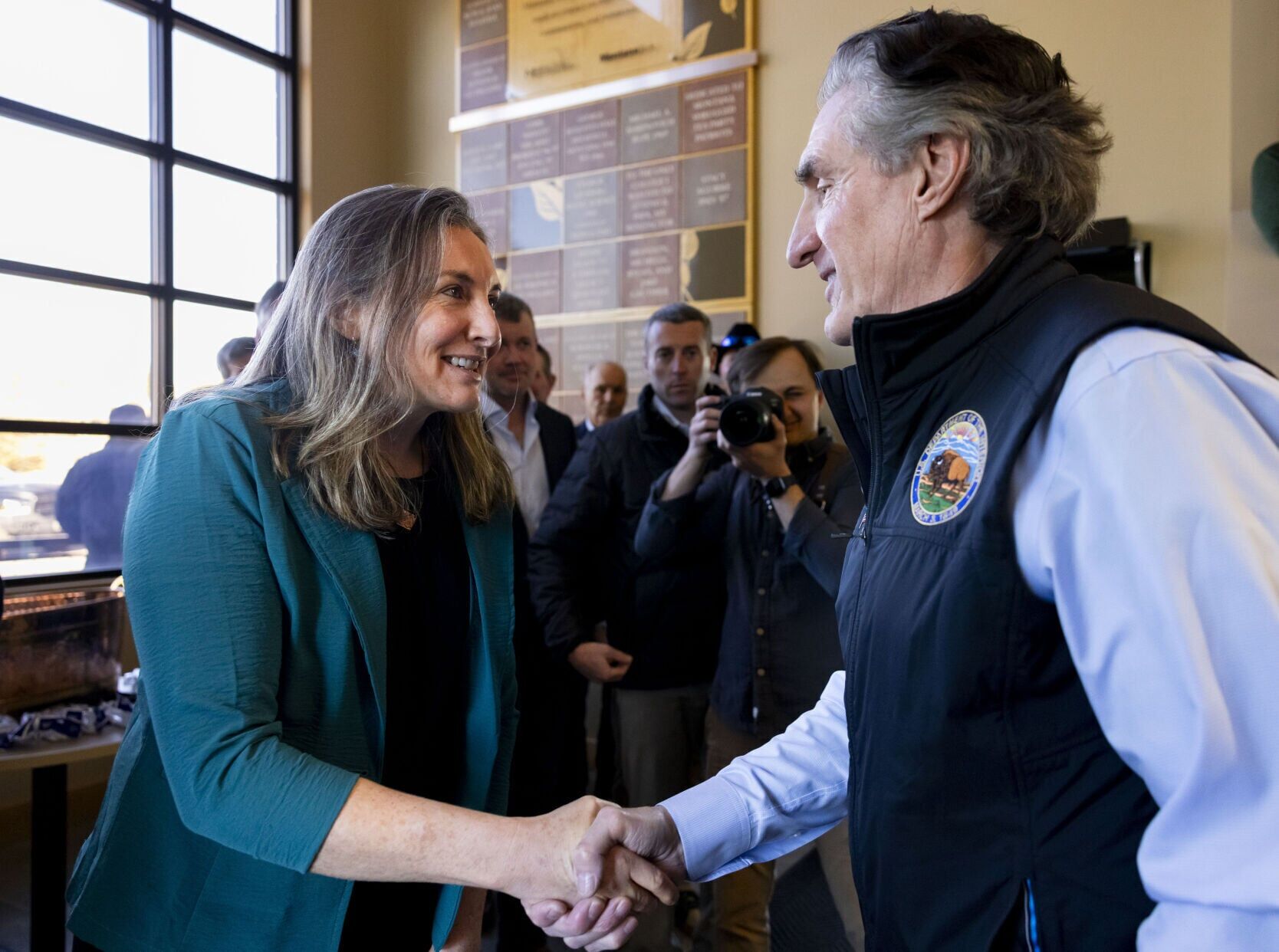
The roundtable participants included Sonja Nowakowski, director of the Montana Department of Environmental Quality.
“We can have mining in Montana,” she said. “We can have energy generation in Montana and we can still ensure the environment is protected.”
The consistent message during the day was that the critical minerals race is vitally important to the U.S., both strategically and economically, and that a sense of urgency permeates the campaign to boost the nation’s capacity for mining and processing the minerals.
Both Montana Tech and Montana seem poised to be key contributors to reinvigoration of the state and national mining industries.
Matt Vincent, executive director of the Montana Mining Association, described efforts underway to extract critical minerals from mining wastes and from the contaminated waters of the Berkeley Pit.
Meanwhile, Travis Naugle, CEO of Silver Bow Mining and a Montana Tech graduate, was one of several people who sang the praises of Butte.
“The people, the technology, innovation, location — it’s phenomenal,” Naugle said.
Roundtable participants included Dave Sabey, CEO of Sabey Corp. He emphasized to Burgum and others that his company, one of the world’s largest data center companies, needs the rare earth supply chain to work.
Sabey cited the importance of Artificial Intelligence and Artificial General Intelligence.
“This is the biggest paradigm shift in humanity,” he said. “We need to win this AI race. It’s much bigger than anyone knows. If you talk to Xi Jinping right now, what he’s thinking about, I don’t think you’d like it.”
Other roundtable participants included J. P. Gallagher, chief executive of Butte-Silver Bow County, and Jack Standa, president of Montana Resources.
Among other responsibilities, the U.S. Department of the Interior manages most federal lands, with others managed by the Forest Service.



Comments ()