
International Fly Fishing Film Festival reels in record number of attendees in Hamilton
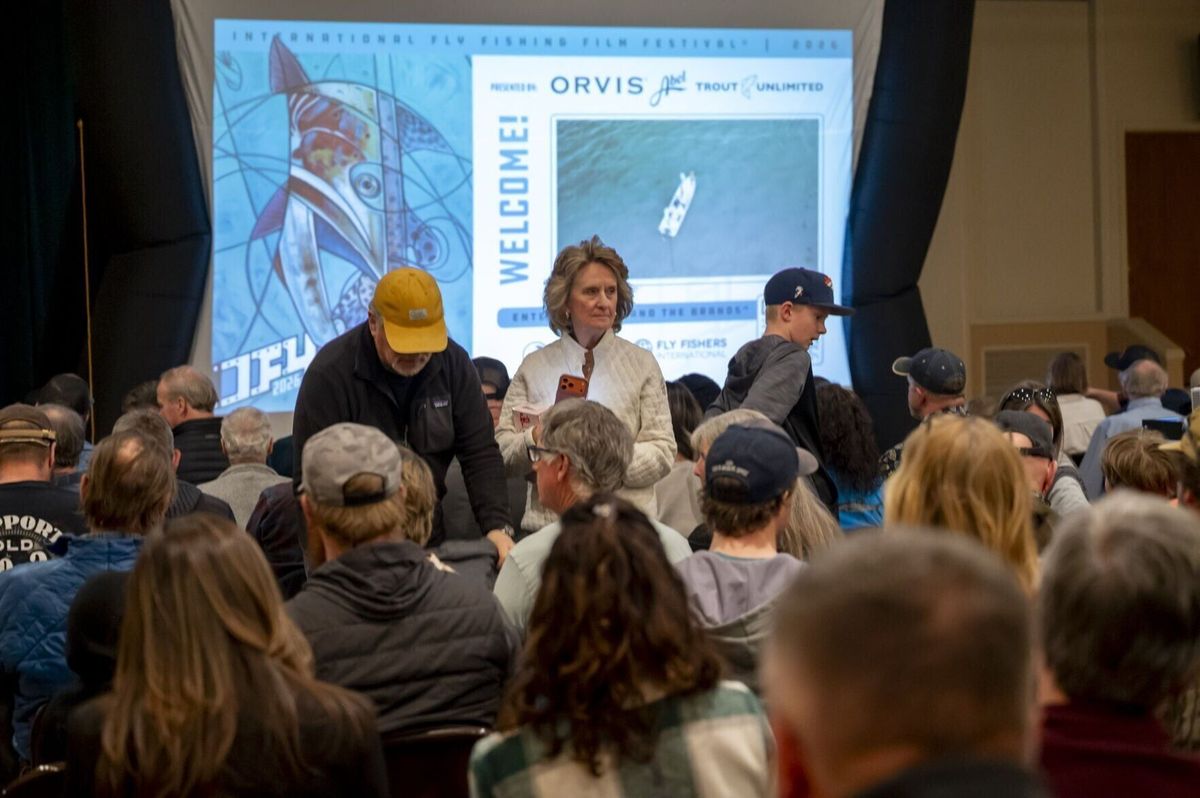
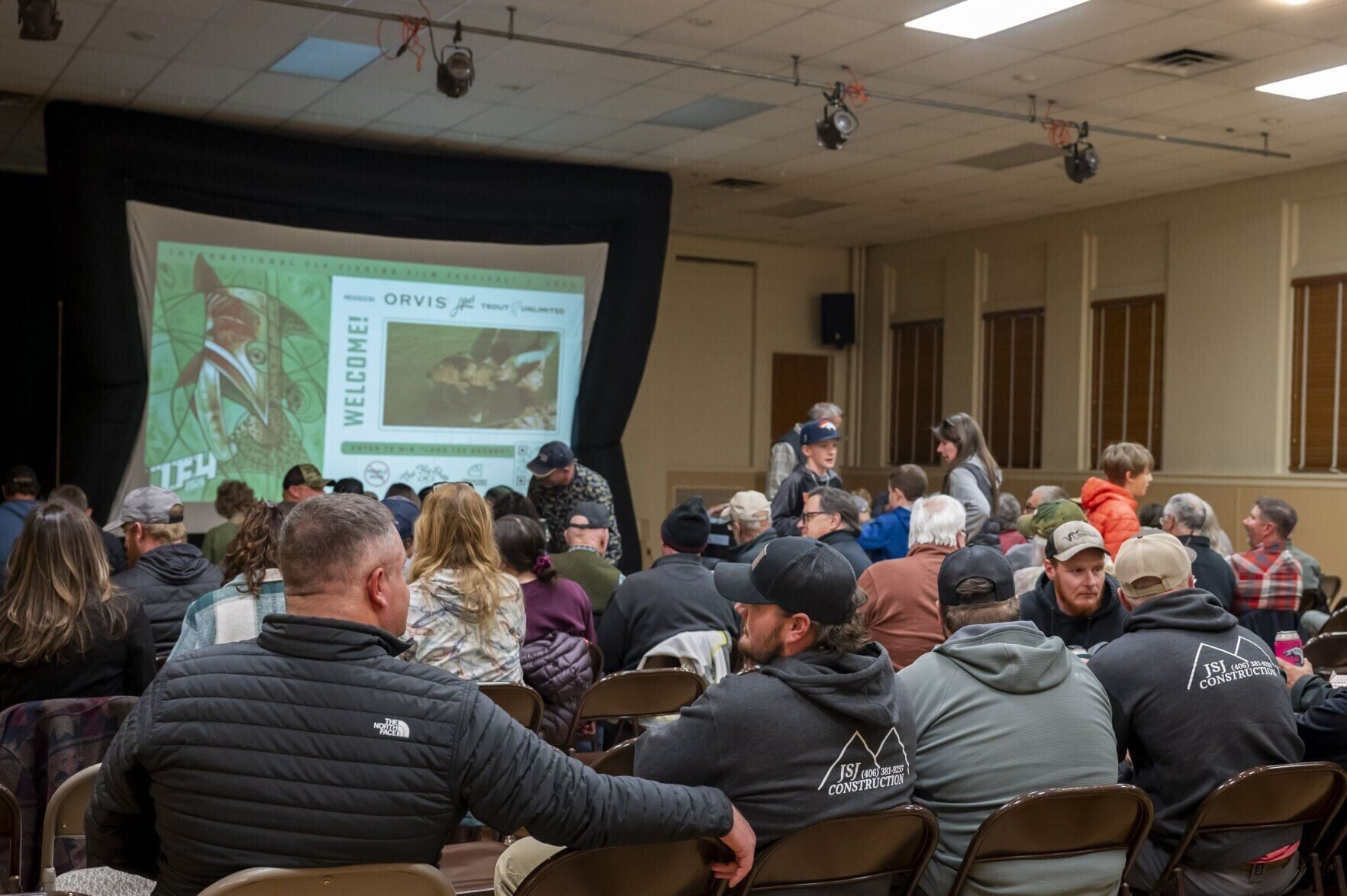
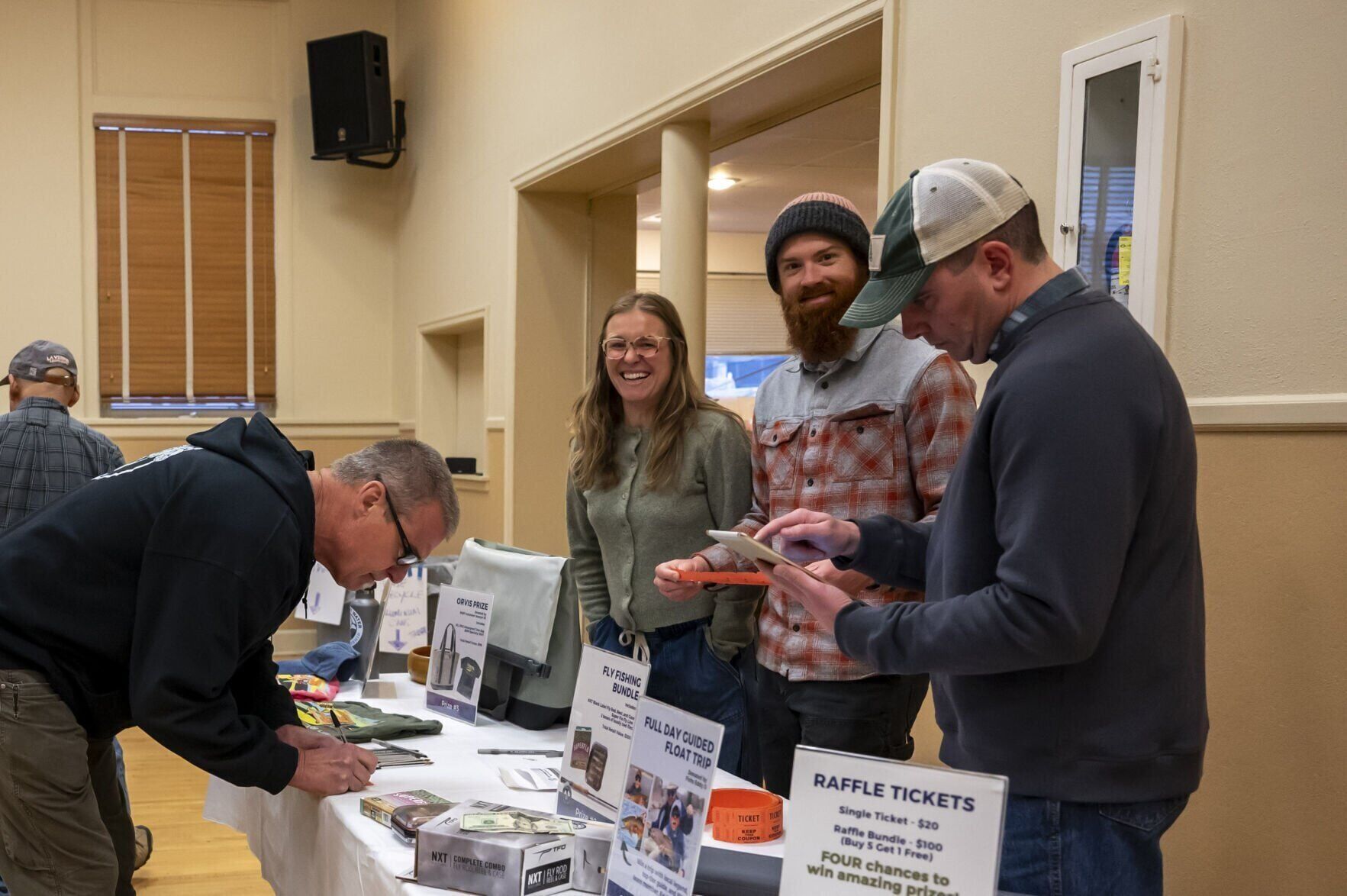
Almost 200 people attended the International Fly Fishing Film Festival (IF4) on Friday in Hamilton, which according to organizers from the Bitterroot Water Partnership (BWP), is the largest turnout they have seen for the event.
The festival showcased a selection of 11 films centered on fly fishing and conservation efforts around the world and also included one film made by BWP. Proceeds from the event will go to fund BWP conservation projects like habitat restoration.
BWP Executive Director Heather Barber says she has been with the organization for 15 years and has seen the amount of people coming to events growing exponentially. As the nonprofit group has gained more community support, they have added more staff, and she says it has helped them be able to carry out their mission of engaging people in conservation and appreciation of the Bitterroot Valley waters.
“Nights like this remind me of the community we have in the Bitterroot, who are so connected to these resources and care so deeply about fish, wildlife, habitat and conservation,” Barber said.
Audience members watching films during the festival screening like “Dhala What You Must” directed by Simon Kay, collectively gasped and audibly reacted when fishermen pulled giant tigerfish from the Tanzanian freshwaters of Africa and showed off the fish’s fangs which can reach up to seven inches long. The audience also laughed together in moments where the fishermen were having fun pretending to be caught and reeled in by each other and Tanzanian locals.
Tyler Rowe worked as a fly fishing guide in Glacier National Park before working currently for the Forest Service and brought his family to see the IF4 films. He says they are active in the Bitterroot Valley community and go out fishing regularly. He says it is important for his family to come out support the film festival and to teach his son the importance of conservation.
“He really enjoys being on the boat catching fish with his dad and we’re all about conservation at a young age, it’s super important,” Rowe said. “We got to protect our waters.”
Barber says working with IF4 is intentional to bring out the fly fishing crowd because they are some of BWP's biggest supporters. They have hosted other film festivals and the IF4 always has the biggest turnout. She said it's something the community can look forward to in the winter as they wait for the skwala hatch.
Barber feels fortunate BWP were able to bring their own film to the festival this year, showing their restoration work at Tolan Creek area, 100 miles into the headwaters of the East Fork.
“We have a number of other restoration projects planned for the East Fork and tributaries to the East Fork,” Barber said. “We're going to expand restoration on Cameron Creek, one of the warmest tributaries entering the East Fork of the Bitterroot River and will complete nearly a mile of additional restoration on that in the coming year.”
The film featuring Tolan Creek was made by BWP Community Conservation Manager Alex Ocanas who says she wanted to be able to show people in the community who help make the work BWP do possible when they might not see the work otherwise since areas they go to are not always easily accessible.
Ocanas says they partnered with the Bitterroot National Forest as well as Two Wolf Foundation and says it was an effective and lovely partnership opportunity.
“We felt like we needed to honor all of the work that those people put in as well, and just share their story with others,” said Ocanas.
Ocanas said it's a team effort with IF4, BWP and Hamilton Community Cinema to put on the festival and every year there are more people. She said it's important to BWP to bring not just films from around the world for the community, but ones that have a place close to home.
“It feels really special to also have a film about a beautiful place where people love to go fishing, and it's also important to us to be able to show a story to people in the Bitterroot that's about the Bitterroot,” Ocanas said. “It's important for us to bring our own stories to our own community.”


Comments ()