
‘It's worth addressing’: The Exponent explores healthy relationships for Valentine’s Day
On any given college campus, relationships are unfolding everywhere: during late-night study sessions, in shared apartments and on social media.
But while students spend years learning how to write academic papers, solve complex equations and build their careers, few are taught how to foster a healthy romantic relationship.
With Valentine’s Day approaching, the Exponent aims to explore how media influences relationships, how students can improve interpersonal communication and what ultimately defines a healthy romantic connection.
Jessica Stasinowsky, a sophomore agricultural education major, said media — specifically TV shows and movies — creates unrealistic standards for dating.
“It is not how I've experienced a lot of relationships,” she said. “I think it's something a lot of people want, but the media portrays that people can read each other's minds a lot, and I think that's definitely an unrealistic expectation.”
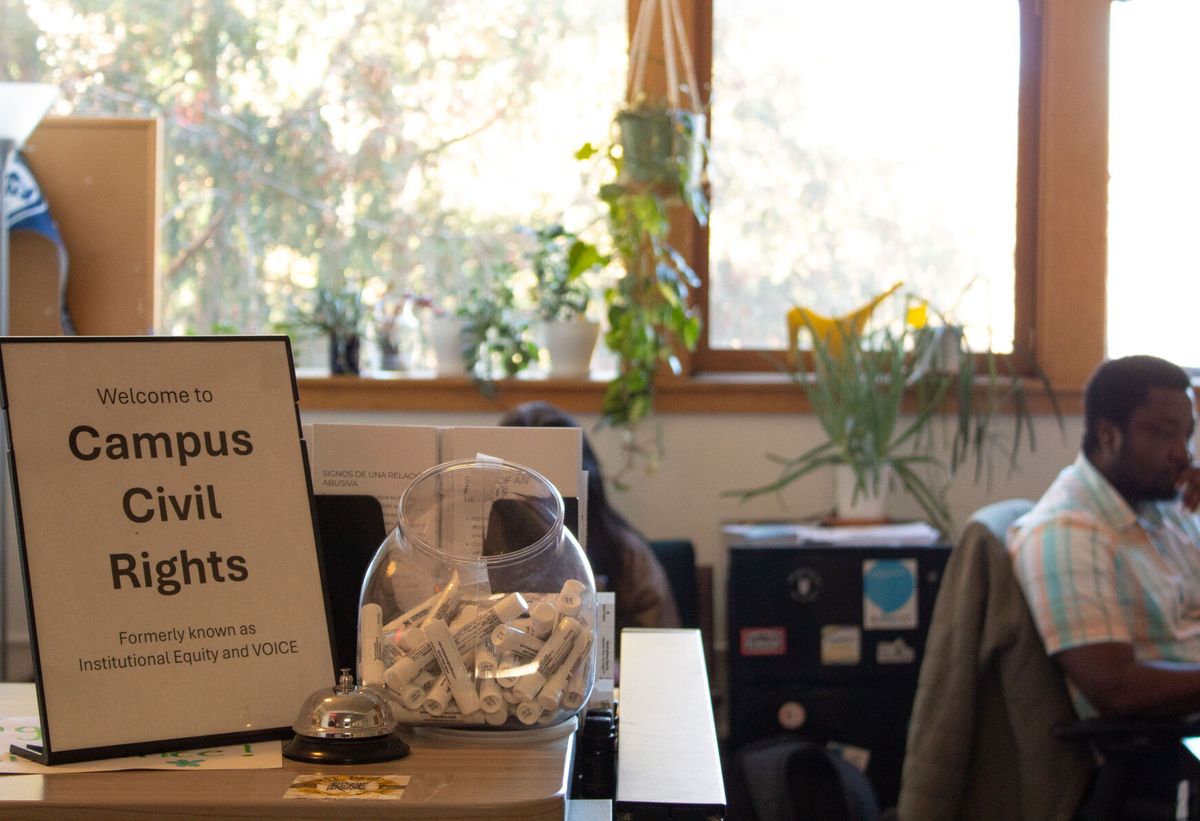
Madi Herman is the training development coordinator at Campus Civil Rights (CCR), an office that supports students, staff and faculty who are impacted by discrimination, sexual assault, relationship violence and stalking. She said that shows and films orchestrate drama for engagement, which can be confusing for impressionable viewers.
“What we see in media is this idea of, ‘Well, if it's not a little chaotic, if it's not dramatic, then that must mean something's wrong with the relationship; that must mean there's not a spark; that must mean we're not connected,’” she said. “If I'm not feeling these really big emotions all the time, then that just must [mean] that this person's not the one, and that's not necessarily the case.”
According to a study done by MSU professor Mitchell Vaterlaus, adolescents and young adults have been shown to model behaviors seen in entertainment media. Vaterlaus, who is also a certified marriage and family therapist, said that these demographics may assume that romance looks a certain way, but reality may be more disappointing.
“Technology is a part of relationships now — and I would say media has been for a while — so, I think we need to consider what we're consuming and realistically think about, ‘How is that influencing what I expect or think about in a relationship?’”
Technology can also make it difficult to foster a healthy relationship, said freshman civil engineering major Matthew Ramsey.
“For being able to text, call — whatever else phones do — people suck at using them in relationships,” he said. “There is a lack of trust that shouldn’t exist in an era where you can literally be like, ‘I’m going out with my friends, I will be back at this time.’ That doesn’t happen a lot, I see it happen to my friends all of the time.”
According to Ramsey, many struggle with achieving a healthy level of attachment in their relationships.
“Do more of caring about [your partner] — the nonchalantism pisses me off,” he said. “If you’re not about your person, then why are you dating them? But also, be cool about it. I think people can be really overbearing in their first relationship, or conversely really underbearing. They biff it.”
Herman said that extreme possessiveness and jealousy are often portrayed as cute or endearing in media, but can cause problems in real life.
“We all get jealous, we all get envious, because we're human beings,” she said. “How do we [tell] the difference between what's a typical jealousy experience versus not?”
She said recognizing problems in a relationship can be empowering, especially when it helps people understand their self-worth.
“We're allowed to then assess: ‘Okay, I think maybe this is a red flag’ — is it a red flag that indicates that this is an unhealthy relationship, that this is an unhealthy moment, or that maybe this is abusive?” she said. “What I often tell people is that the sign of one red flag does not automatically indicate that this is an abusive relationship. However, it's worth addressing.”
According to Herman, people often misinterpret red flags as signs that the relationship is hopeless. She said that, except in extreme situations, it is possible to address red flags with open communication, active listening and follow-through on promises.
“How that person responds is a really good indication,” she said. “Is this a workable thing that we're going to get through together? Do they respond by making you feel stupid and crazy? Do they make you try to brush it under the rug? Do they just want to ignore it? Do they say, ‘Yes, let's work on it’ and then never do anything?
“It's important to feel comfortable with going back to communication, acknowledging what feels off, talking about it and assessing how people respond to that,” she said.
Vaterlaus pointed to psychologist John Gottman’s research-based approach to fostering healthy communication. One of his key concepts, named the “Four Horsemen of the Apocalypse,” outlines four behaviors that inhibit effective conflict resolution: criticism, defensiveness, contempt and stonewalling.
“We want to avoid personalizing issues, so let's keep the problem separate from the person's [character],” he said. “We want to avoid harsh language.”
Vaterlaus said that during a conflict it can be helpful to step away for a short period of time as long as both partners return to the conversation once emotions have cooled.
“We all deal with conflict every day in any relationship. Part of the challenge is maybe we don't feel like we have the skills sometimes to manage it,” he said. “But those can be learned if we are willing to commit time and practice, but sometimes the first step is identifying, ‘How do I deal with conflict?’”
According to him, although conflict is inevitable in relationships, there are healthy and constructive ways to resolve disagreements
“I think maybe one confusion is that people think conflict equals arguing or fighting,” he said. “Conflict is simply when we have different opinions about something. We have to have conflict to progress, but the only way we can do that is with good conflict resolution skills.”
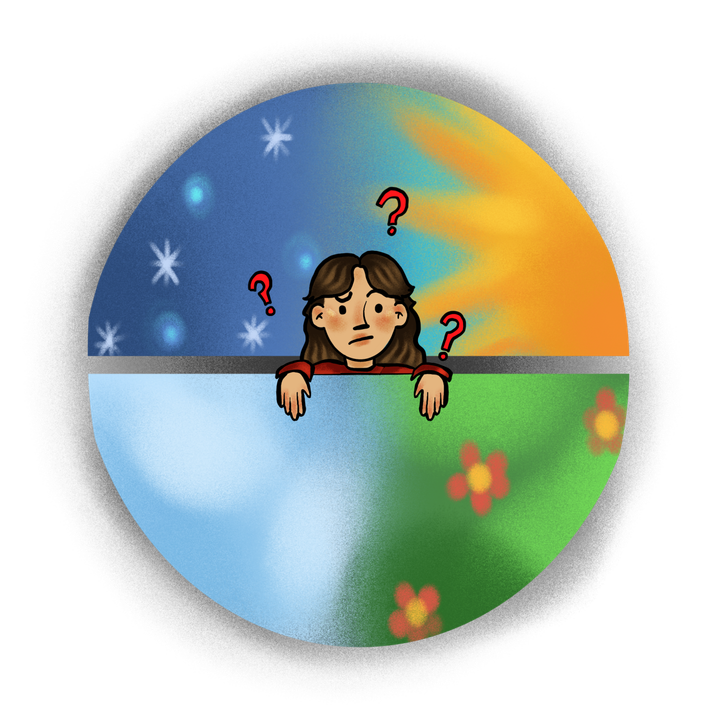
According to Herman, problems in any relationship are never black and white. While a relationship can be generally healthy, there can still be unhealthy dynamics that need to be addressed.
“It's so contextualized. It's so dependent on you, and it's so dependent on the other person actually making meaningful, trackable change,” she said.
Vaterlaus said he recommends that students seek opportunities with credentialed community educators or take classes on communication strategies and healthy relationships.
"It's not like we're born with, ‘I know how to have a healthy relationship’ — and not all of us have had healthy relationships modeled to us,” he said.
Reflecting on her lived experience, pre-nursing sophomore Ava Anyan said her parents’ dynamic impacts the way she shows up in her romantic and platonic relationships.
“I’m working on communicating even when I don’t want to. It’s the hardest,” she said. “[My parents] probably should be divorced but aren’t. They have a stubbornness for each other, but it might not always come from wanting what's best for each other.”
According to Anyan, for a relationship to be healthy, you have to learn to communicate and truly want what is best for your partner.
“I am a big believer that you should strive for what's best for you. You shouldn’t spend your energy on relationships that are draining you, and relationships that will take years off your life,” she said.
“You only have one life — you should surround yourself with the people that build you up, and make you happy so that you can live every day without being so stressed,” she said. “That’s my two cents: don't stress yourself out and surround yourself with the right people so you can be happy in the world of unhappiness.”

Comments ()