
John Stegmaier & 3 others: Fate of Montana’s backcountry deserves public meetings
The 2001 Roadless Area Conservation Rule has long served as a critical safeguard for the places that sustain Montana’s way of life and our state’s $3.4 billion outdoor recreation economy.
Despite strong public support for the rule, political appointees at the Forest Service are rushing to eliminate this critical safeguard for our public lands. Rescinding the Roadless Rule will directly harm the lives and livelihoods of Montanans who depend on clean water, healthy wildlife, and wild, accessible backcountry experiences.
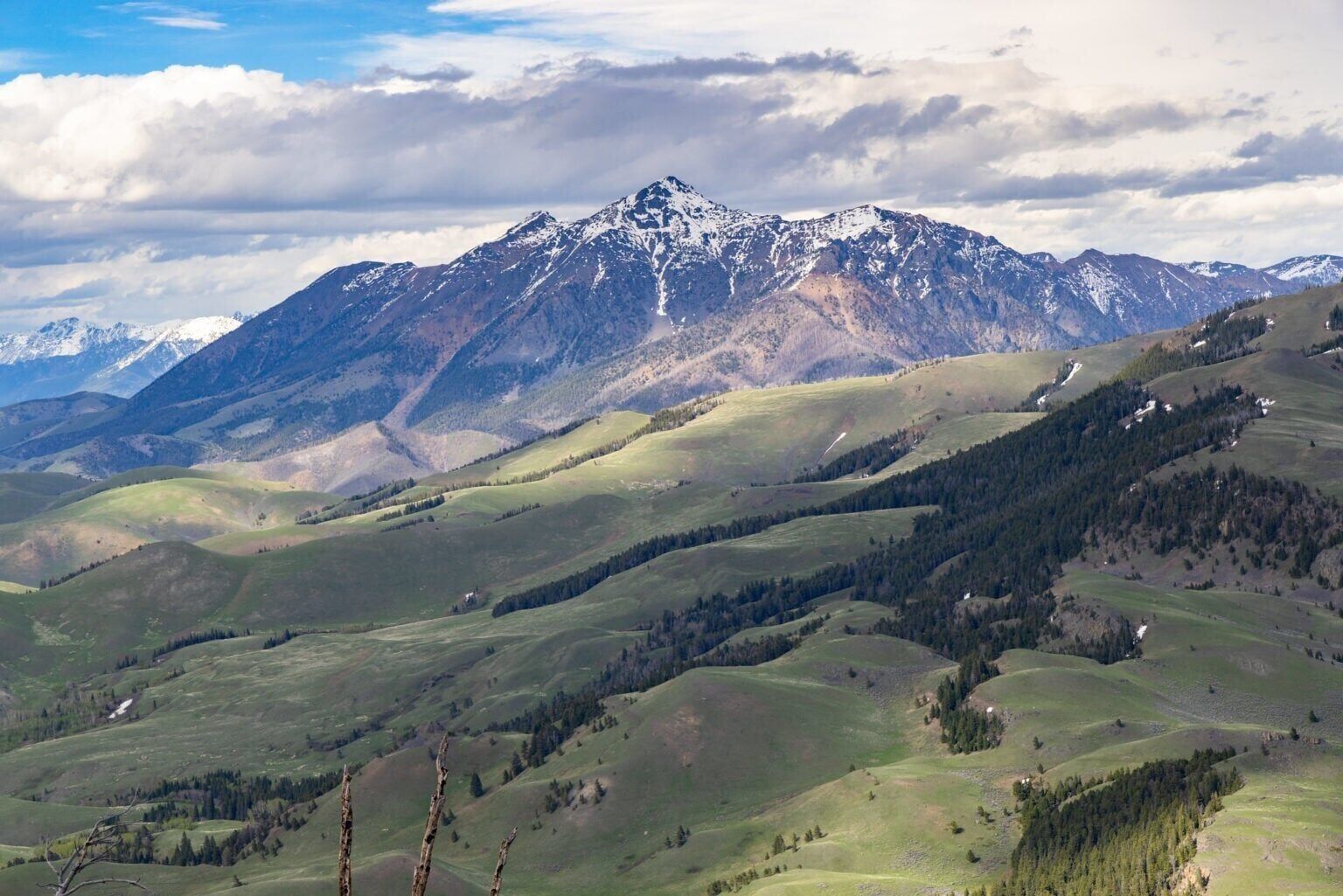
Montana’s roadless areas are often remote but they are not inaccessible — they are the places we visit to immerse ourselves in world-class recreation. They are where we fill our freezers with elk and venison, where we cast for native trout in cold, clear streams, where we ride through forests untouched by industrial development, and where we find untracked powder.
Whether it’s hunting for trophy elk in the Gravelly Range, scaling the massive vertical cliffs of the Bitterroot Range’s Blodgett Canyon, snowmobiling in the Crazy Mountains, backcountry skiing and riding in the Swan Range, or biking the epic “Mile to Sheep” route in the Lionhead Range, roadless backcountry areas are integral to recreation experiences in Montana.
The economic consequences of rescinding the Roadless Rule are dire. Montana’s $3.4 billion outdoor recreation industry supports tens of thousands of jobs — from outfitters and guides to gear shops, lodging, and local restaurants.
This industry thrives because of the intact, roadless landscapes that draw visitors from across the country and provide Montanans with unparalleled access to the outdoors.
Fragmenting these areas with unnecessary roads to facilitate reckless logging projects would degrade the very qualities that make them economically valuable. Once lost, these wild spaces cannot be replaced — and neither can the jobs and small businesses that depend on them.
Rescinding the Roadless Rule would open the door to piecemeal, forest-by-forest decisions that fragment landscapes and chip away at the quality of our backcountry recreation, hunting, and fishing opportunities. When the Forest Service developed the Roadless Rule, it undertook an extensive public involvement process that included more than 600 public meetings nationwide, with 34 in Montana.
To-date, in its effort to rescind the rule, the Forest Service has held zero public meetings. Given that Forest Service leadership have stated that rescinding the Roadless Rule is necessary to restore local control to national forest management, it is only logical that this process should be rooted in local conversations with the public.
We recently joined with 17 recreation and sportsmen’s organizations across Montana to write to the chief of the Forest Service, urging him to hold public meetings and actively engage with the communities that know our nation’s roadless lands the best: The people who live near, work and recreate on these lands.
We feel that the Forest Service should, at a minimum, hold public meetings, with virtual options, on every forest where roadless lands exist.
Rather than rescind the Roadless Rule, the Forest Service should work with Montanans to strengthen it, adapt it, and ensure it continues to protect the wild, accessible, and economically vital landscapes that Montanans — and all Americans — hold dear.


Comments ()