
Lecture, tour highlights Paradise Valley's use by native hunters
It's a bison bonanza in the windy community of Livingston March 10, 11 and 14.
The Yellowstone Heritage Museum starts things off with a reception on March 10 at 5:30 p.m.
Then on March 11 Montana State University professor Craig Lee will give a public talk at 6 p.m. at the Shane Lalani Center for the Arts called "Hunting the high country: Drivelines and ancient strategies in Greater Yellowstone."
To end out the deep dive into all things bison, on March 14 the museum will be hosting a guided coach field trip to bison hunting sites in the Paradise Valley. Tickets are available through the museum.
If you're not familiar with the topic, or professor Lee, here's a story from the 2023 Billings Gazette that provides some background.
Bison hunting in Paradise
They sprout like uneven whiskers growing on a teenage boy’s face — a jumble of irregular lines concentrated in one place with long, isolated strands spread out nearby.
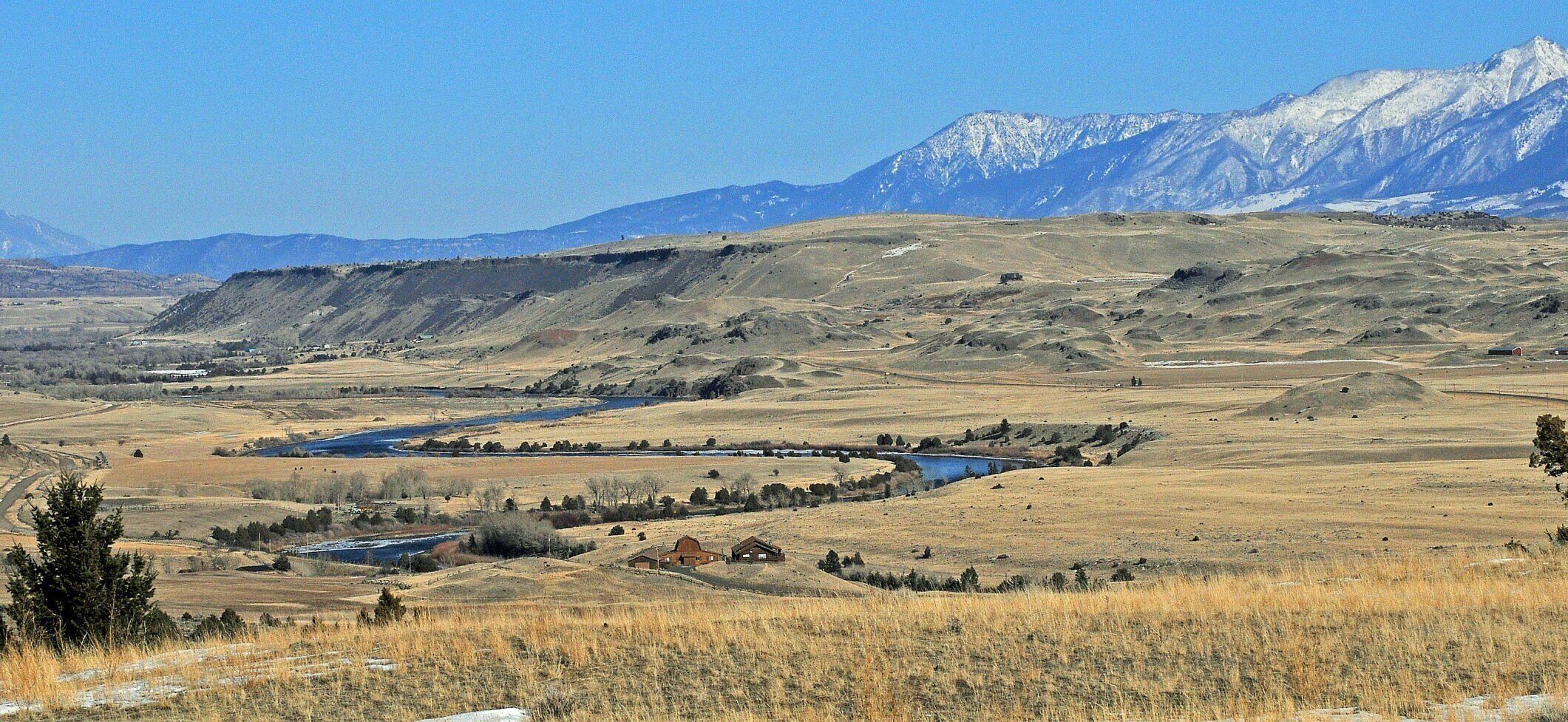
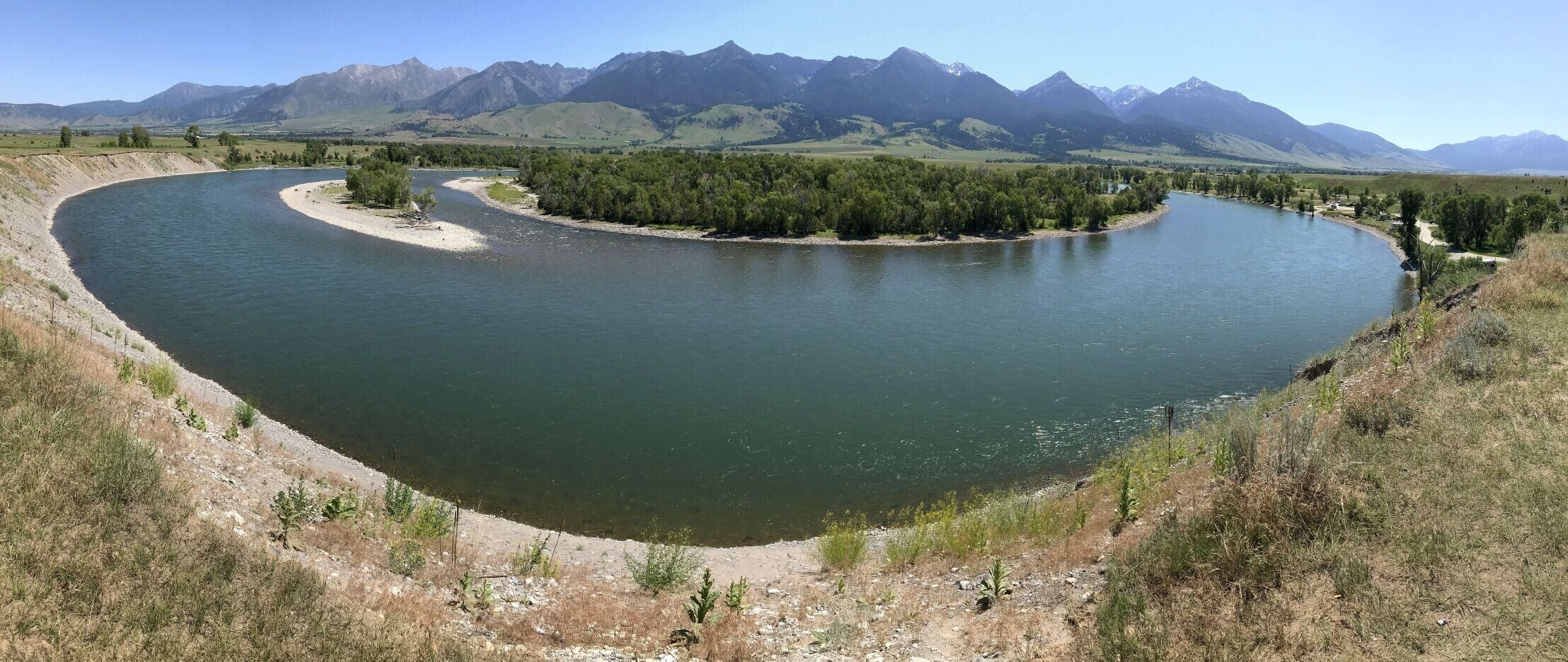
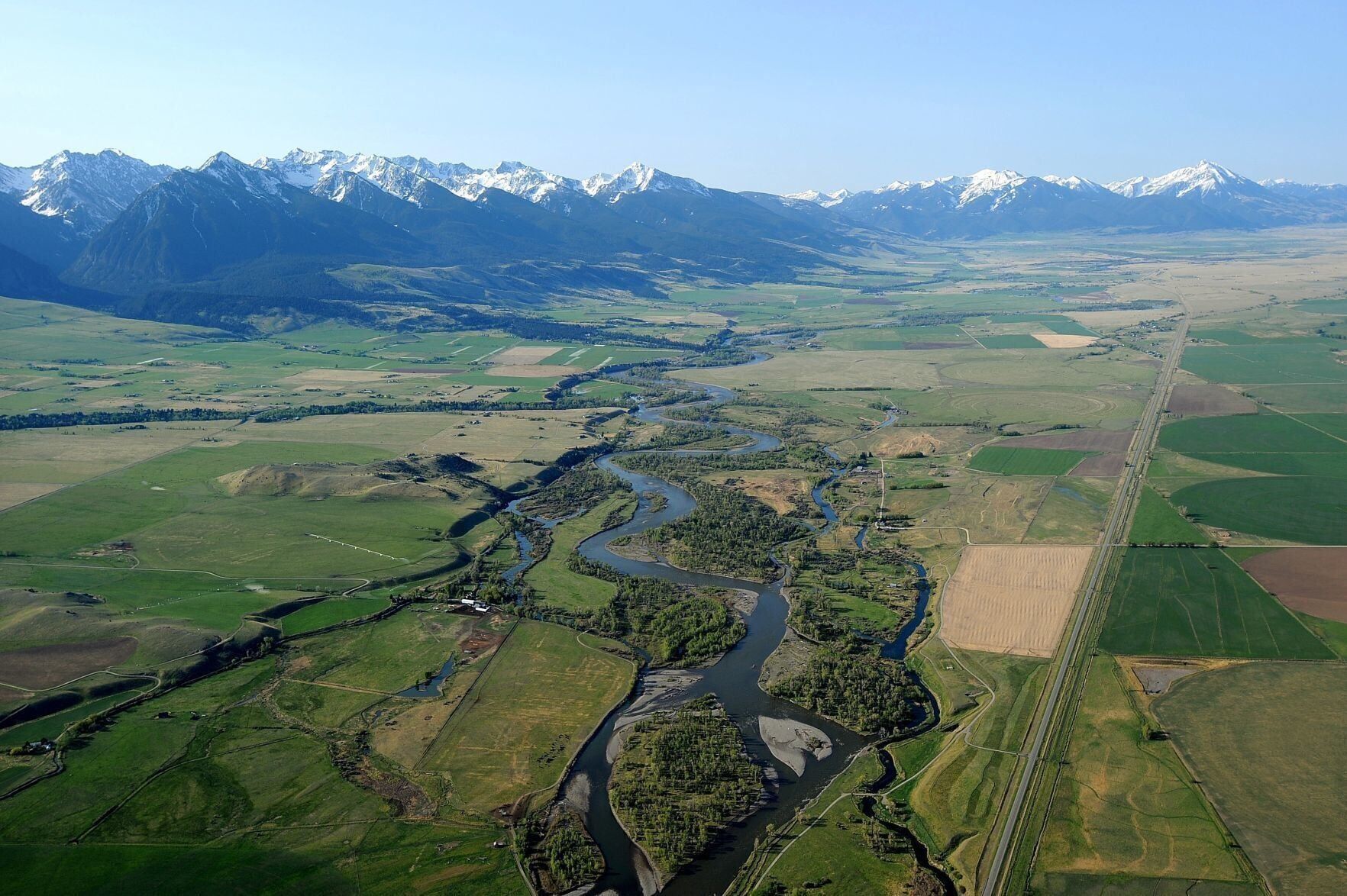
Traced across the landscape of the Paradise Valley, and divided by the Yellowstone River, the marks record prehistoric drivelines made of stone that Native American hunters used to funnel bison and other migratory animals to their death.
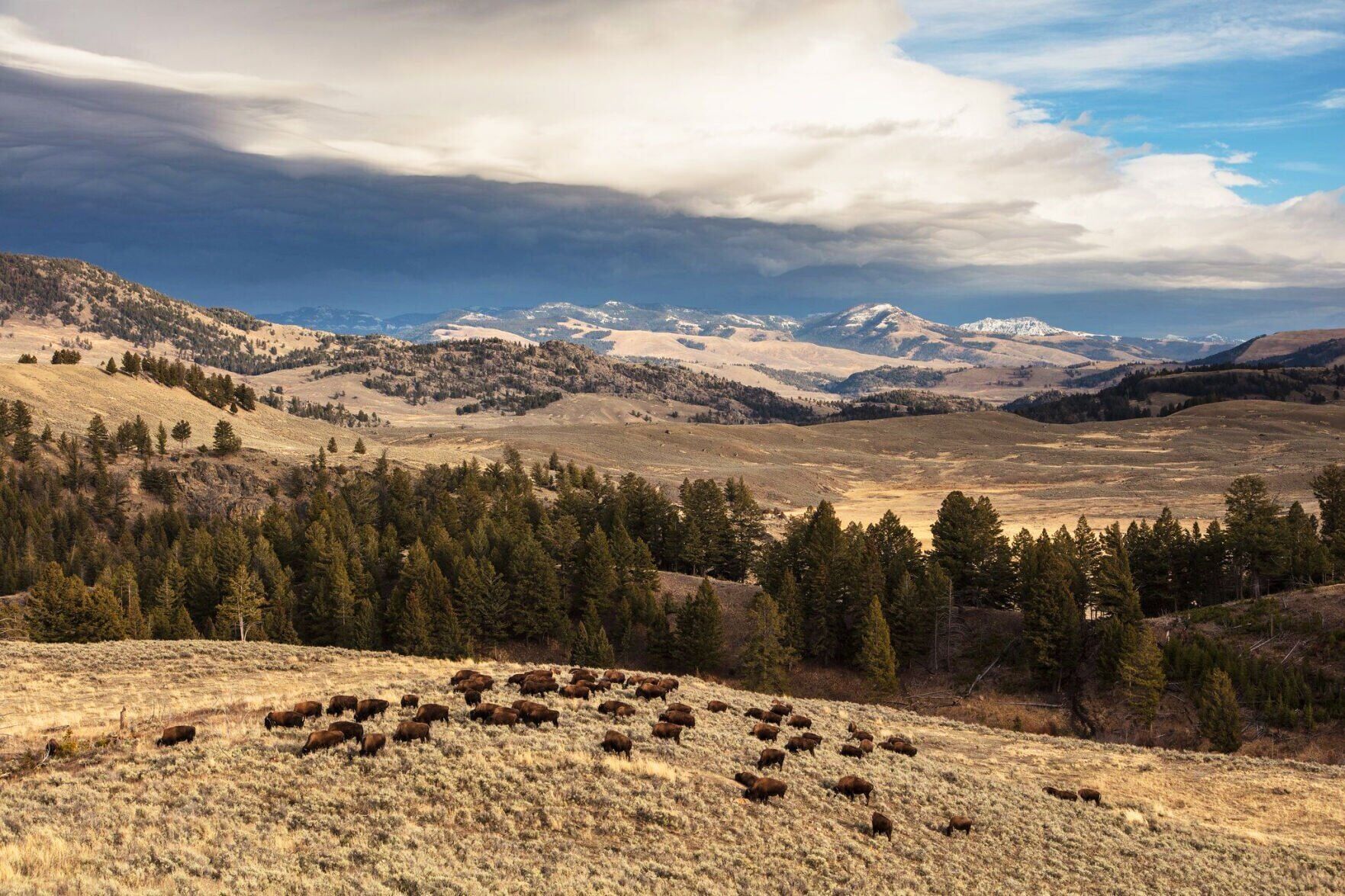
As a whole, they represent “one of the largest driveline complexes in North America” and highlight an ancient wildlife migration corridor between what is now Yellowstone National Park and surrounding lowlands used as winter range.
High altitude
The drivelines are acknowledged in a study written by Montana State University researchers Craig Lee, Michael Neeley and David McWethy, along with Yellowstone National Park archaeologist Elizabeth Horton and Aaron Brien of the Apsaalooke Nation.
The researchers use the Paradise Valley complex as a lead-in to their identification of a driveline in the mountains along the Montana-Wyoming border at an elevation of 10,320 feet. By documenting the site, the researchers hope to spur “broader awareness, investigation and understanding of these engineered landscapes,” since they can easily be overlooked.
When first observed in 2009, a low rock wall along the alpine driveline was believed to be a wind break for sheepherders. After returning to the area in 2015, the location of other rocks sunken into the ground led to the determination that the “unique high-alpine driveline” was leading to an ice patch. The windbreak is believed to have been used as a hunting blind.
“The ice patch itself is presumed to be an animal attractant, with the driveline(s) and blind(s) positioned to serve as an intercept to animals making their way to the ice patch from the plateau to the southwest,” the study’s authors wrote. “Fresh elk and bighorn sheep feces are regularly observed on the surface of this ice patch during the summer months, and horn sheathes from bighorn and bison as well as bison bone have been identified around the perimeter.”
While driveline use appears prevalent at lower elevations, the authors wrote, “Aside from the game drive reported here, no other stone drivelines have been recorded in association with an ice patch in the alpine of the GYE.” They have, however, been identified in alpine settings farther south, including the uplands of the Colorado Front Range, as well as in the Yukon Territory to the north.
Wilderness
Previous ice patch research by Lee, including the recovery of a 10,000-year-old atlatl shaft, has shown high elevations and ice patches have long been utilized by hunters — use that continued until relatively recently. As proof, the writers reference wooden fence-like drivelines constructed in the Greater Yellowstone Ecosystem to trap bighorn sheep that are around 500 years old.
While the “major log pen sheep traps” and valley bison drivelines would have resulted in larger kills by several hunters, the researchers believe the ice-patch driveline was designed for use by smaller hunting parties — “just a few individuals at most — to intercept animals making their way to the ice patch.” Taken together, the different technologies show the diversity of techniques utilized by native hunters. The alpine driveline also demonstrates the use of high elevations by humans for centuries.
“These relationships have been historically glossed over in many of the dominate narratives including the construct of ‘wilderness,’” defined by the Wilderness Act — “an area where the earth and its community of life are untrammeled by man, where man himself is a visitor who does not remain.”
The presence of effigies, fasting beds, medicine wheels and the driveline “underscore and illustrate the deeply engrained histories of many tribal groups in the GYE,” the researchers noted. “With this effort, and the continued effort of others, we continue to build on the charge of (archaeologists Peter Nabokov and Larry Loendorf) to integrate humans into the biome and to see the GYE ‘as a multicultural habitat that has been visited, inhabited, shaped and instilled with meaning by American Indians for millennia.’”
Paradise
The first “archaeological” investigation in the Paradise Valley area was reported in the Livingston Enterprise on May 30, 1884, according to research by Livingston archaeologist Larry Lahren. In 1932, the American Museum of Natural History conducted an excavation at one of the drivelines that led to a buffalo jump. At the site, 1,500 arrowheads were recovered, despite the fact it had been disturbed by previous arrowhead hunters.
Based on the style of arrowheads recovered, the sites date to the 1200s, with later use by Shoshone and Crow tribal members.
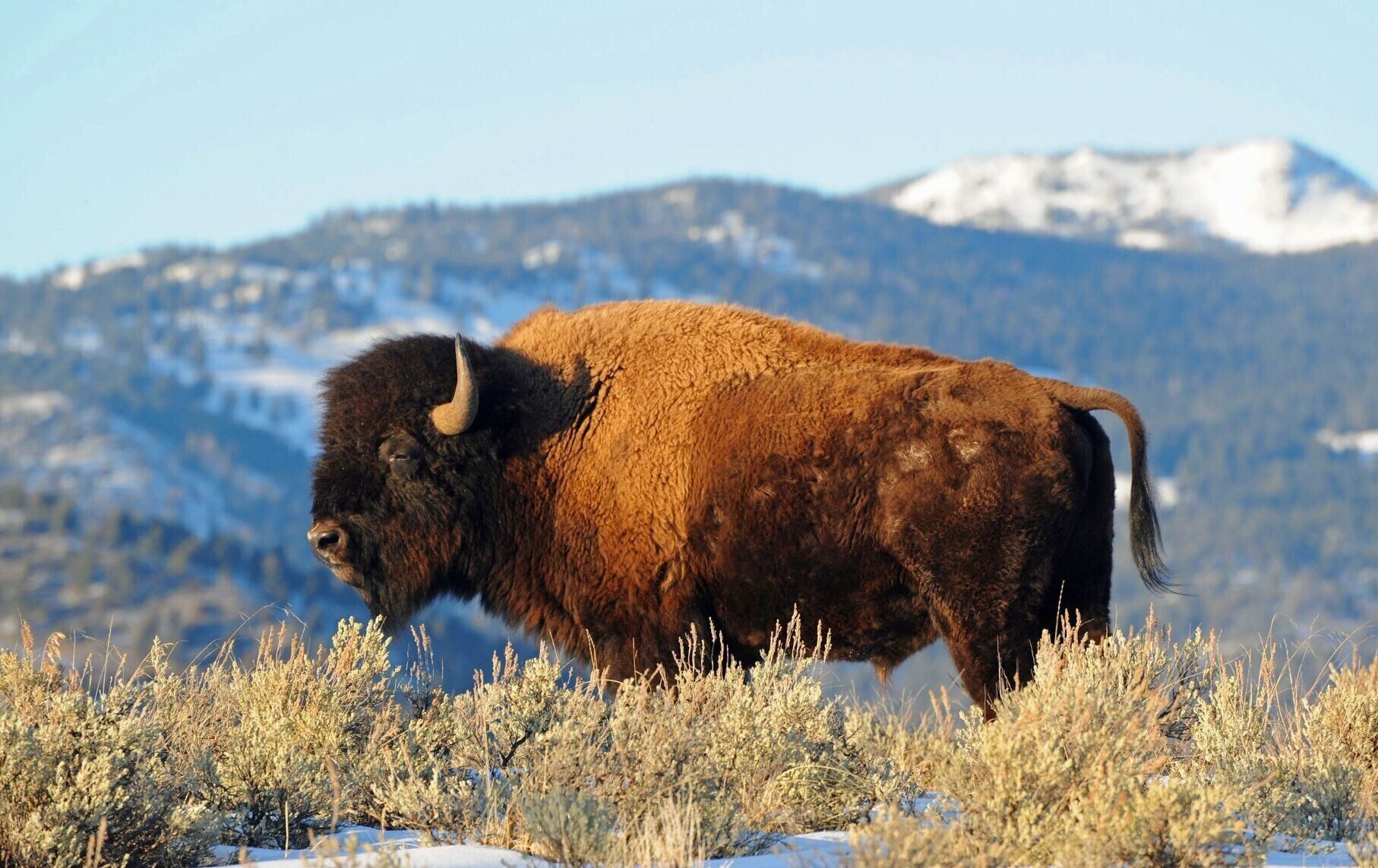
“Mass hunting of mixed herds occurred in the fall when larger groups formed for communal bison hunting and other social functions,” according to a research paper authored by anthropologist Kenneth Cannon. “During fall, bison have greater fat reserves and their hides are better for making into clothing. Mass kills typically took place in unique topographic features that hunters use to their advantage”
Lee refers to the technique of using drivelines as an “intercept hunting strategy emplaced along a regular foraging and migratory route.” One of the longest drivelines in the Paradise Valley was measured at 3.5 miles and continued on.
Archaeological site near Malta broadens understanding of ancient people
“A successful bison drive would normally result in the killing of about 15 to 20 animals which when processed would yield about 10,000 pounds of pemmican and numerous other usable byproducts such as marrow, bone tools and hides,” Lahren noted.
The extent of the kill sites is impressive. “Over the past 40 years, Tom Jerde has mapped and recorded four bison kill/drive line complexes in the Gardiner Basin and at least 38 kill/drive line sites in Upper Yellowstone Valley.”
In the winter of 2022-23, eight tribes killed 921 bison just north of Yellowstone National Park in the Gardiner Basin. No drive lines were used, but the bison moved out of the snowy park in a migratory rhythm that research has shown far predates Yellowstone’s creation. For now, however, that migration is constrained.



Comments ()