
Less snow, new strategies: How Bitterroot businesses are adapting to weather uncertainty
For the past four years, Elizabeth Griffin’s daffodil buds she grows for her flower farm, Bizzy Blooms, haven’t come out of the ground until April. This year, the warmer weather pushed the buds up early, already emerging by about 3 inches in late February. But instead of feeling delighted about the early bloom, Griffin was worried.
“It’s really strange because normally it’d be really exciting,” Griffin said. “But I don’t have water for irrigation right now.”
At her Hamilton-based farm, Griffin uses ditchwater to irrigate her crops, which typically isn’t turned on until late spring. With the daffodils — which make up more than half of her flower sales — blooming early, she’s been brainstorming ways to pivot.
Across the Bitterroot Valley, many businesses have built their enterprises around the weather. But with record-high temperatures and starkly low snowpack this winter, those who rely on steady snowfall are finding ways to adapt. From agriculture to tourism, businesses are diversifying inventory, offering spring activities early and looking ahead to what this might mean for fire season.
Griffin relies on snow melt to feed her ditchwater. Typically, her season begins at the end of April. The ditchwater turns on as the buds emerge and she can cut flowers for sale until the water shuts off, usually at the end of September.
But with no ditchwater yet and snowpack in the valley down 75% of the median this month, according to a U.S. Department of Agriculture report, she’s been considering rainwater collection instead.
She’s been praying for more snow, but cold temperatures could also mean a freeze, which could kill the buds that have already begun emerging.
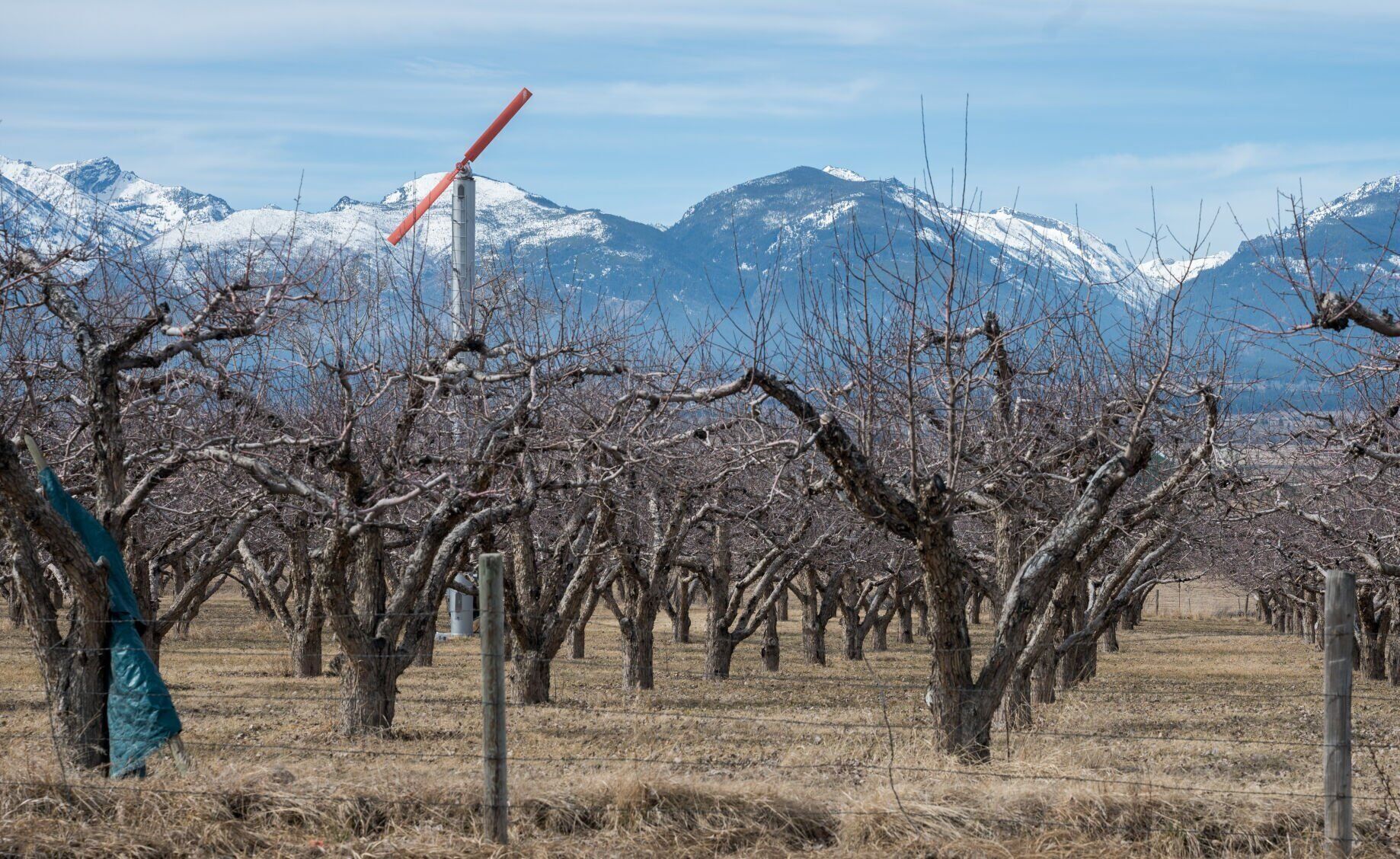
Similarly, Kendall Mouw, who manages Swanson’s Mountain View Orchard in Corvallis, has seen early growth due to high temperatures. Her apple trees have started silver-tipping, the first stage of bud development. But if temperatures fluctuate too drastically in the next couple months, she could also lose the crop.
With the typically coldest temperatures of the year most likely behind her, Mouw is hopeful she’ll be able to scoot by. But, as she says, “when it comes to weather, everything is completely out of our control.”
Beyond temperatures, other weather events such as wind or hail could damage the apples. To prepare for a potential loss, she and her husband have looked for ways to diversify their offerings. Mouw signed up for the Hamilton fair in September to sell apple cider donuts and slushies, something she could make with lower grade apples if the crop doesn’t produce the large, beautiful fruit she’s hoping for.
“To achieve a grade A, fancy apples on these trees is an undertaking that takes all season and we hope we get it, but we’re in a high risk area in Montana,” Mouw said.
Other businesses are also adapting.
Kristen Snavely, co-manager of Triple Creek Ranch, has learned not to rely solely on the “unpredictable business” of snowfall. The ranch, which has operated outside of Conner for more than 40 years, offers an all-inclusive luxury experience. From horseback riding to guided fly fishing, it has marketed itself as the quintessential Montana experience. For guests, who book out their reservations a year in advance, Snavely said they tend to expect snow, and snow-related activities when they arrive in the winter months.
But the ranch prepares their guests in advance to avoid surprises, creating itineraries that work with the weather. For the last three winters, that has meant no dog sledding. Instead, they started offering more spring-focused activities earlier, including e-biking and ATVing, while still allowing guests to meet the dogs and musher if they choose.
“We’re really fortunate that if we can’t do one thing, we can do something else,” Snavely said.
The ranch has had roughly 500 reservations between December and March this year, down about 50 from last year. Snavely attributed the decline to travel complications, specifically problems with airlines like cancelled flights and backed up TSA lines, rather than the lack of snow.
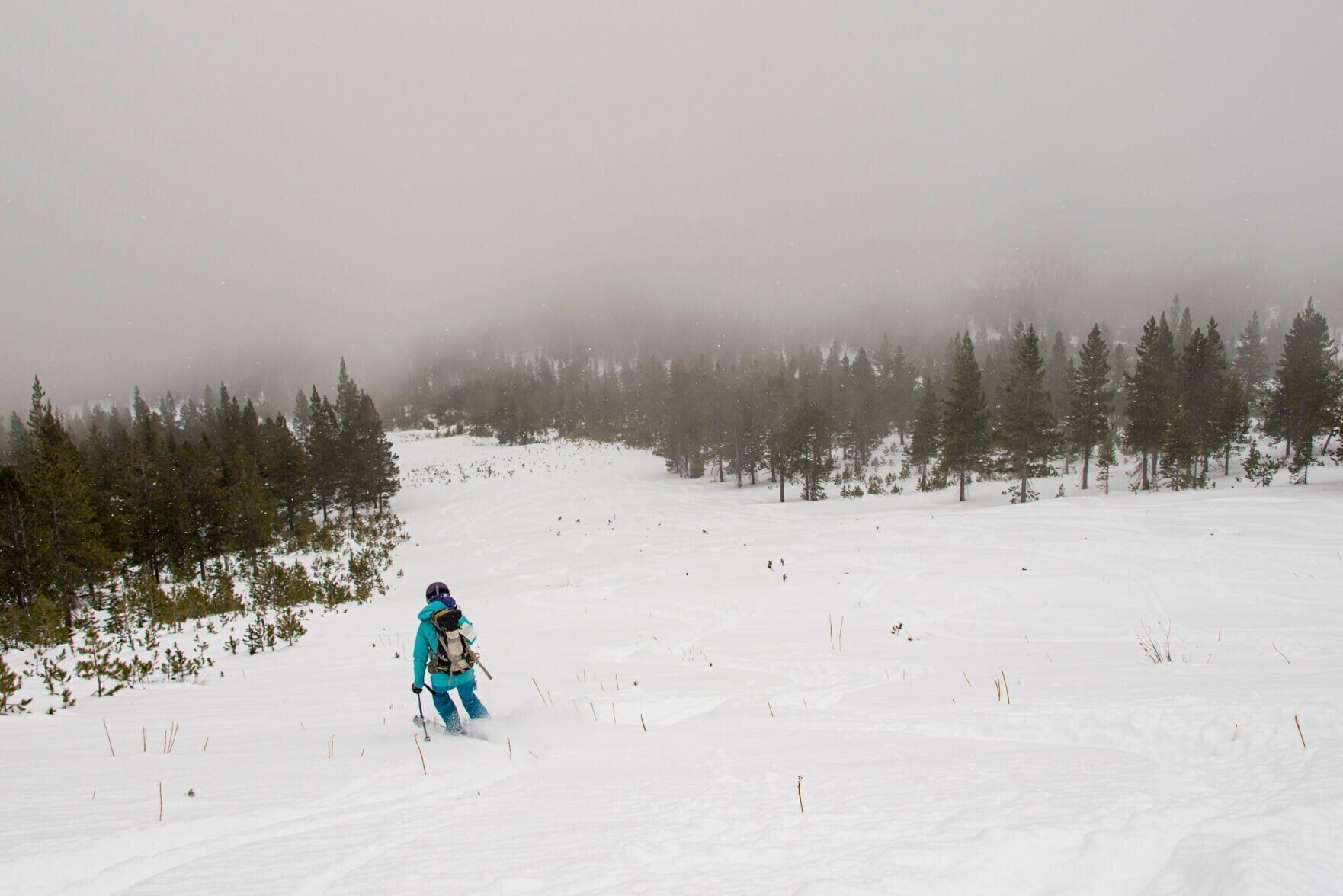
Even with fewer flurries down in the valley, Snavely said many guests are still finding powder in the mountains, and plenty of ways to play in it.
The mountains surrounding the valley house thousands of miles of trails for snowmobiling, backcountry and cross country skiing, as well as the popular local ski hill outside of Darby, Lost Trail.
The Bitterroot National Forest has an estimated 543,840 acres of snowmobile access, according to the agency’s website, in addition to two major cross country ski areas, Chief Joseph Pass and Como Trails.
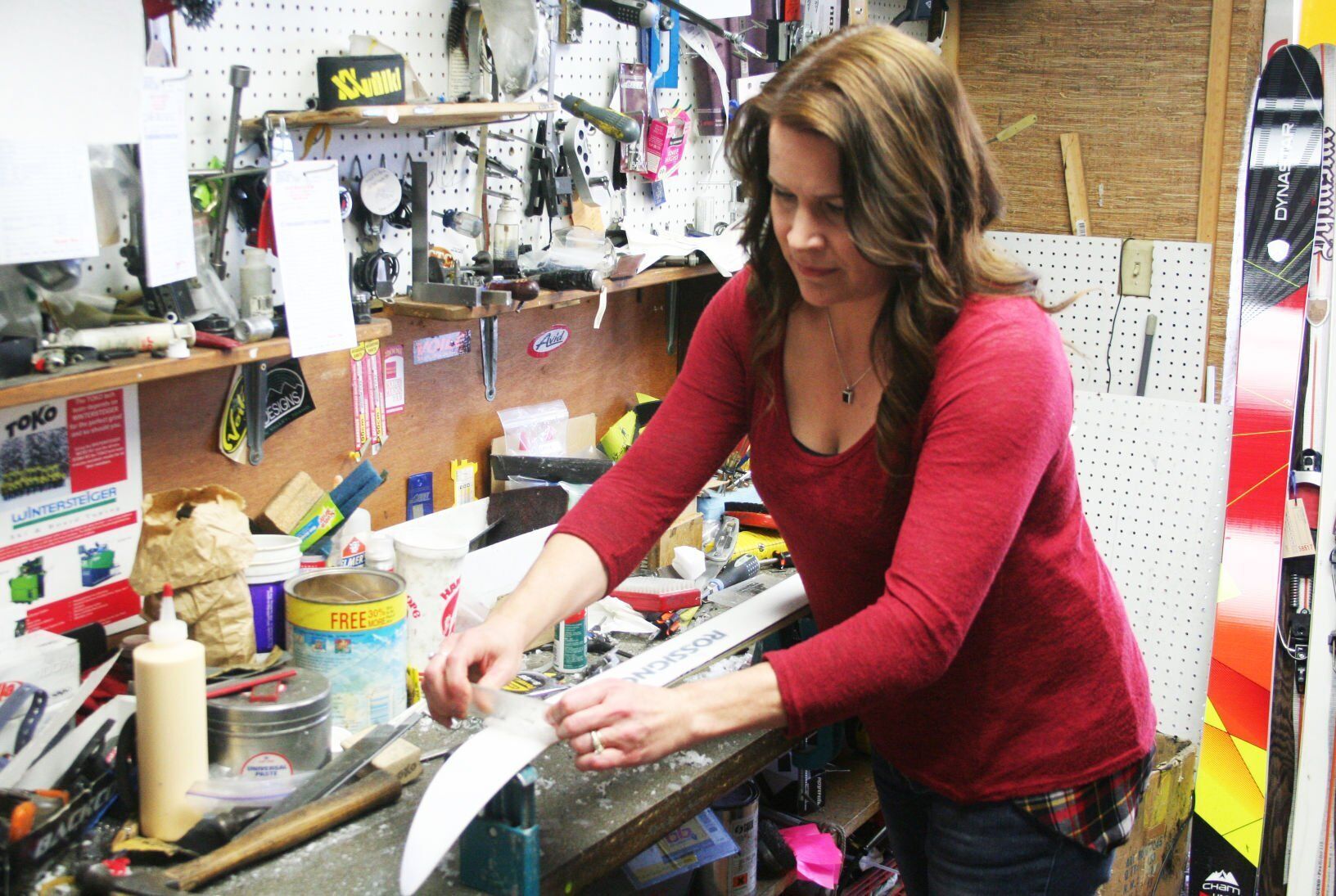
Catering to those activities is Valley’s Bicycle & Ski, a Hamilton-based shop that offers snow gear, bicycles, spare parts and services such as tune ups and waxing.
Kerri Leavell, the shop’s owner, says they’ve had better years, but they’ve also had worse ones. Over the 30 years that Valley Bicycle & Ski has operated, they’ve built a loyal local following, and have structured their business to meet customers’ needs.
The shop has sold plenty of snow-related gear this year, Leavell said, but they’ve also stayed steady with a “bicycle season that never stopped.” With clear trails in the valley, the store has pivoted to their spring gear, offering skateboards and bike supplies alongside the typical winter inventory.
No matter the weather, Leavell said, “people still want to be able to get outside, get out of their head and get healthy.”
The only thing that might stop outdoors enthusiasts? Smoke.
This is something Jodi Mitchell, executive director of the Bitterroot Valley Chamber of Commerce, has been worried about. She hasn’t seen snow stick around on the ground since November and she’s anxious about how a heavy wildfire season could impact businesses.
“I’m more scared for the summer months and the fall than right now,” Mitchell said.
The severity of Montana’s fire season, which typically begins in May, depends on many factors, including snowpack. The National Significant Wildland Fire Potential Outlook stated in its latest report that most of Montana is experiencing a “top-ten warmest winter,” and while, according to the report, even one large weather event in February could reduce fire threats, no such weather event has hit the valley yet.
Whether or not the valley will be engulfed by the fire season remains to be seen. But for now, businesses remain resilient, reconforming themselves to offer what their community needs.
“When you live in a place like this, if you’re not willing to adapt to what’s available, you’re not going to be doing a lot,” Leavell said. “Getting outside is what there is to do.”





Comments ()