
Little known battlefield near Broadus is where the Great Sioux War began
This story was originally published in 2024.
You could drive right on past the site of the Battle of Powder River and not even know it.
It was 148 years ago, on March 17, 1876, that members Northern Cheyenne tribe, along with a handful of Oglala Lakota, clashed with United States cavalrymen along the banks of the Powder River, about 35 miles southwest of Broadus.
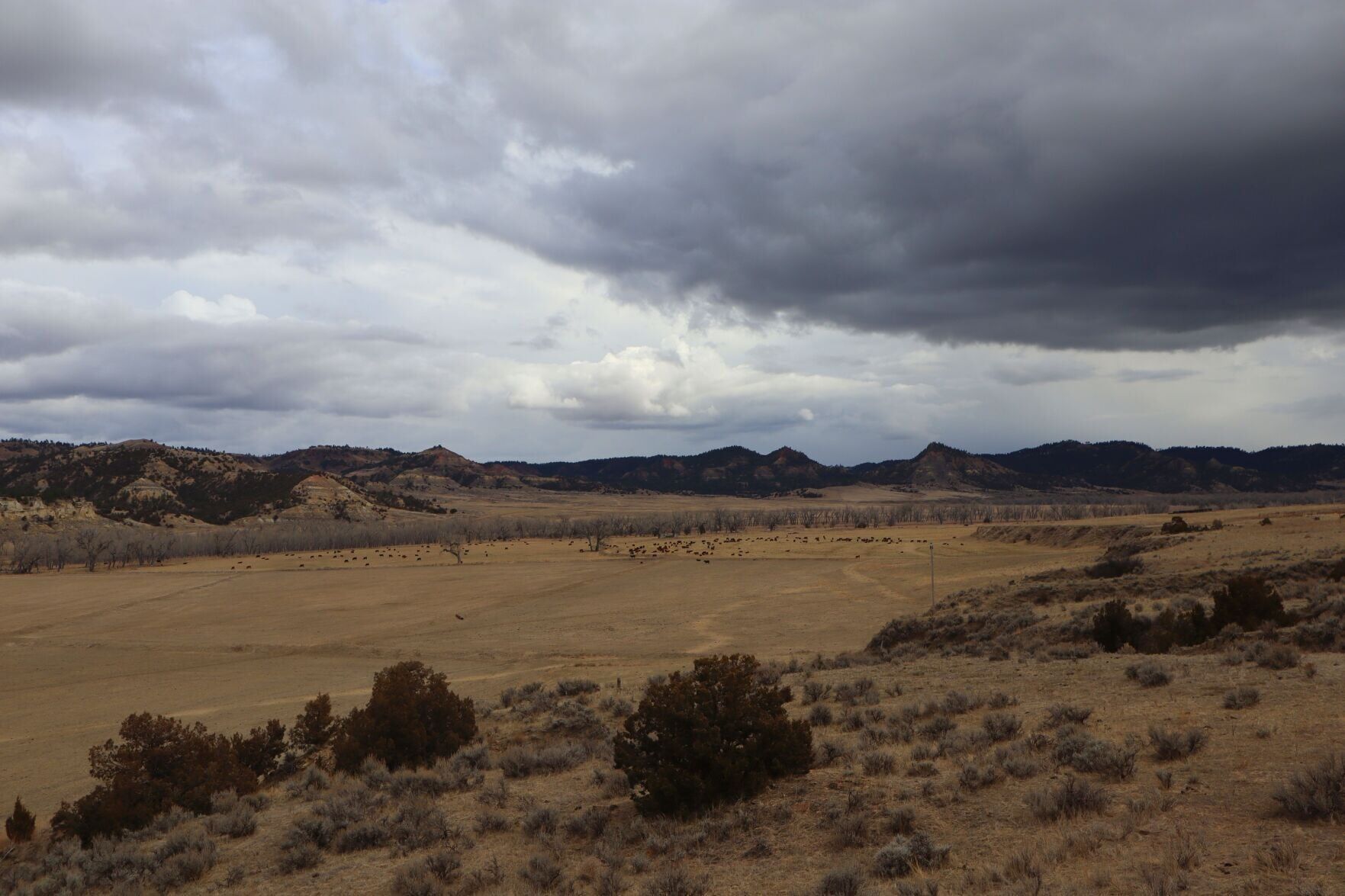
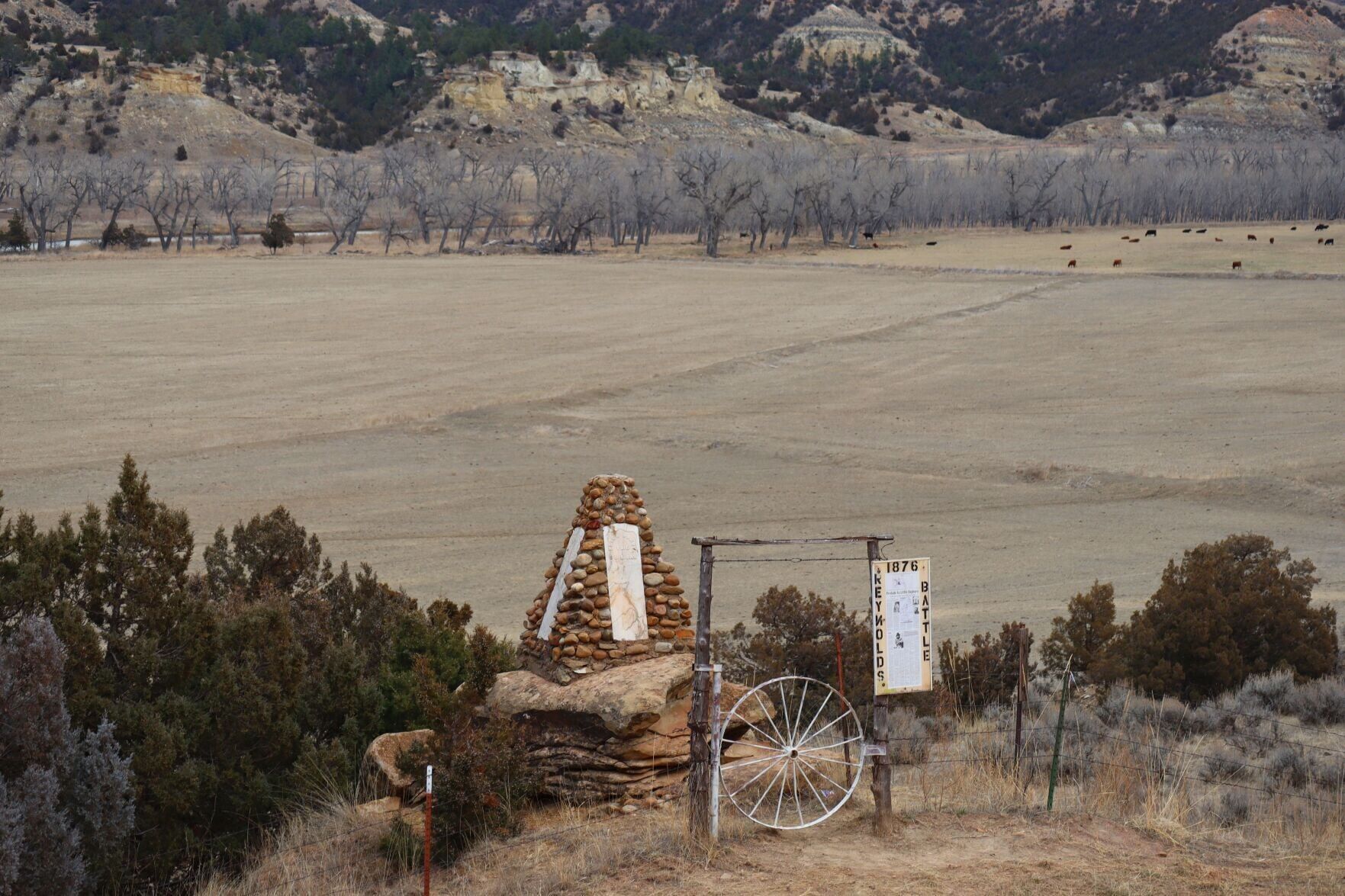
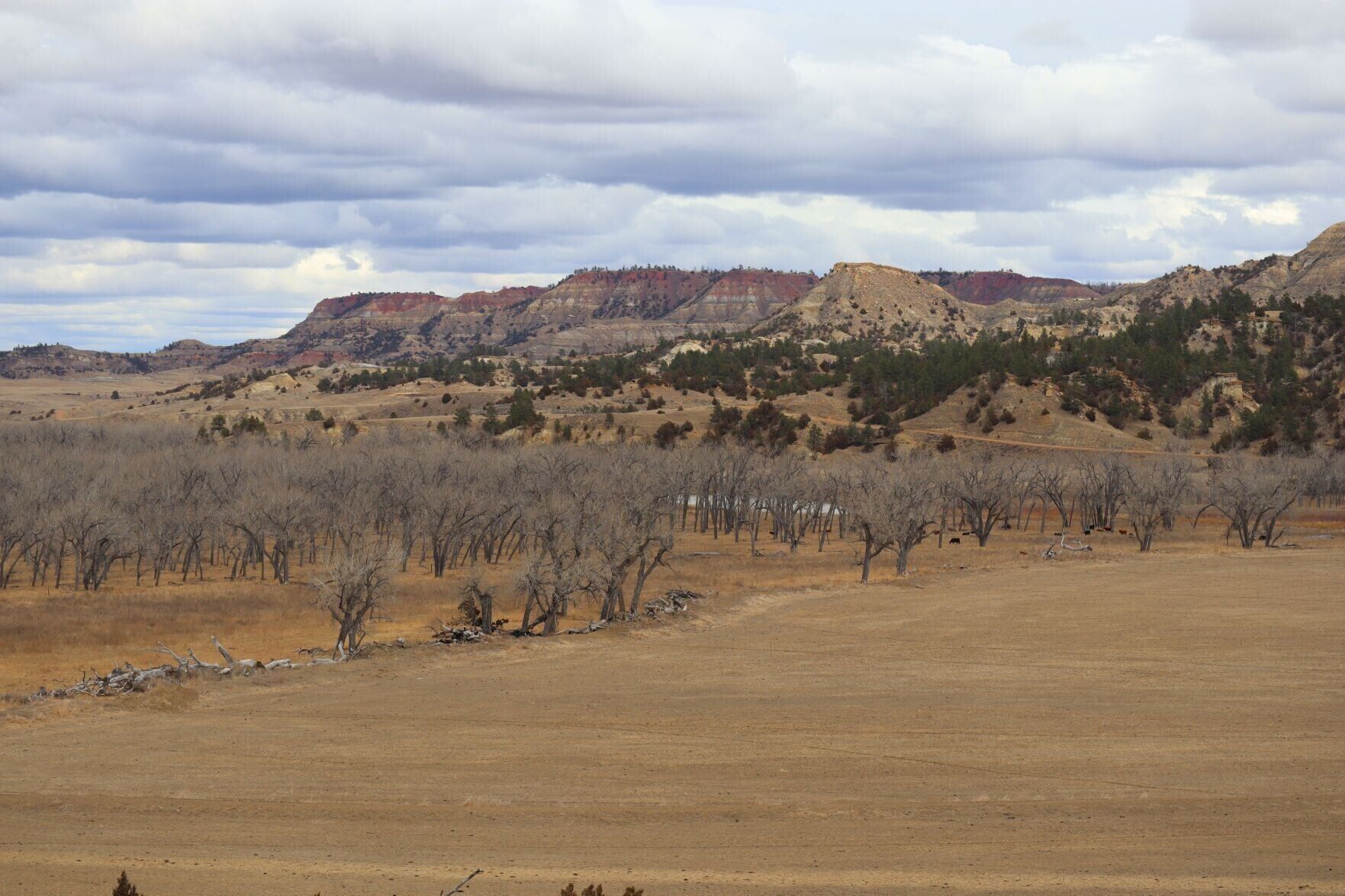
Today the spot feels nearly anonymous, a cow pasture in a sea of cow pastures. But it’s achingly beautiful, the type of lonely desolateness you can only find in the American West. The namesake Powder River burbles and meanders through the battlefield site, and wide plains rise from the river banks. Those prairies are open and enticing. It feels like the adjacent hillsides even want in on the action, as they slowly erode — revealing layers of brightly colored sediments — back into the valley below.
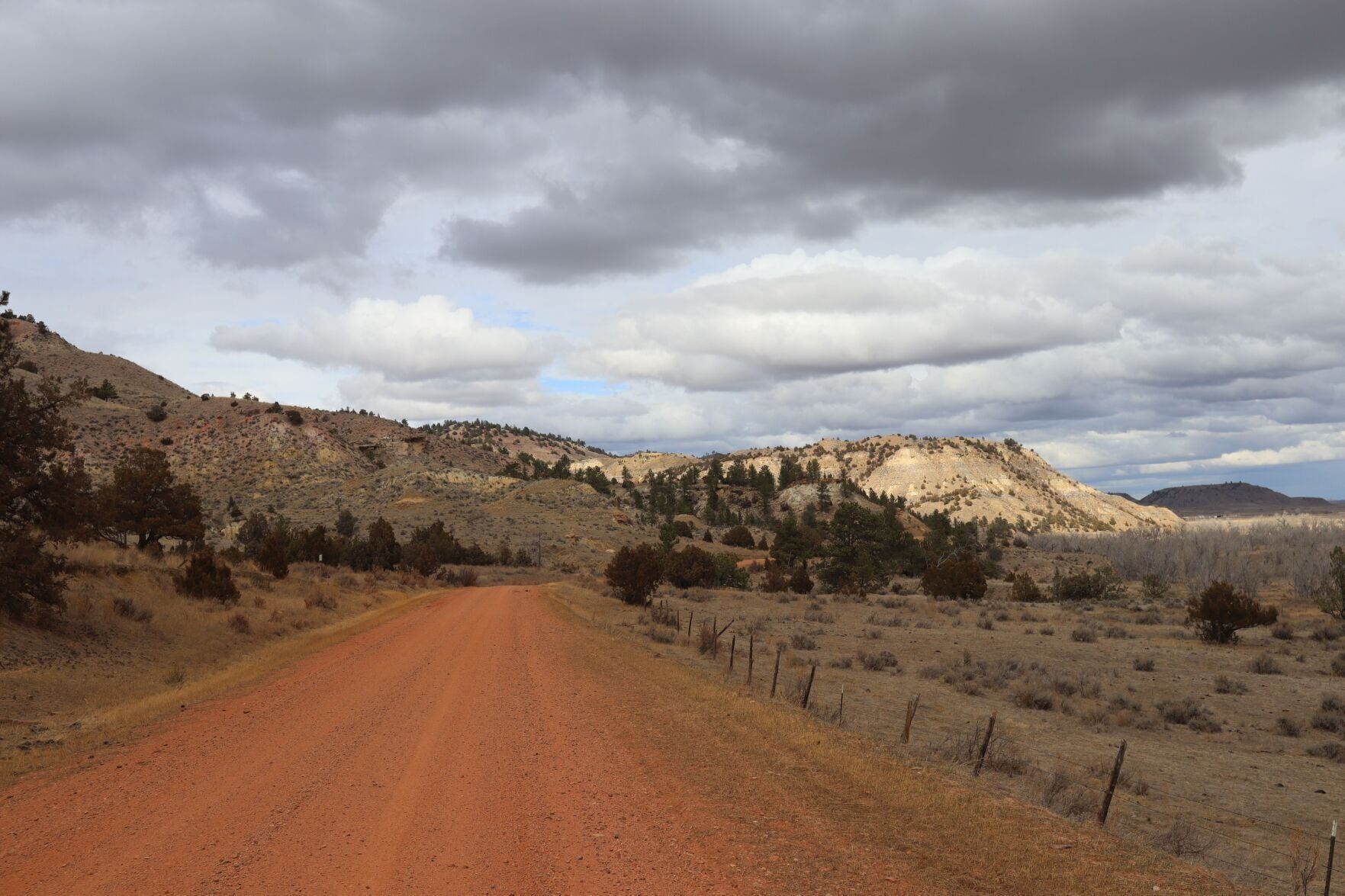
The battlefield is accessible via Montana Secondary Highway 391, a glorified name for a dirt road. It’s a good dirt road, made of the dark red clay that’s so prominent down in southeastern Montana. But it’s a dirt road. You connect with the road in Broadus, where street signs call it Moorehead Road, named after the unincorporated community a few miles south of the battlefield.
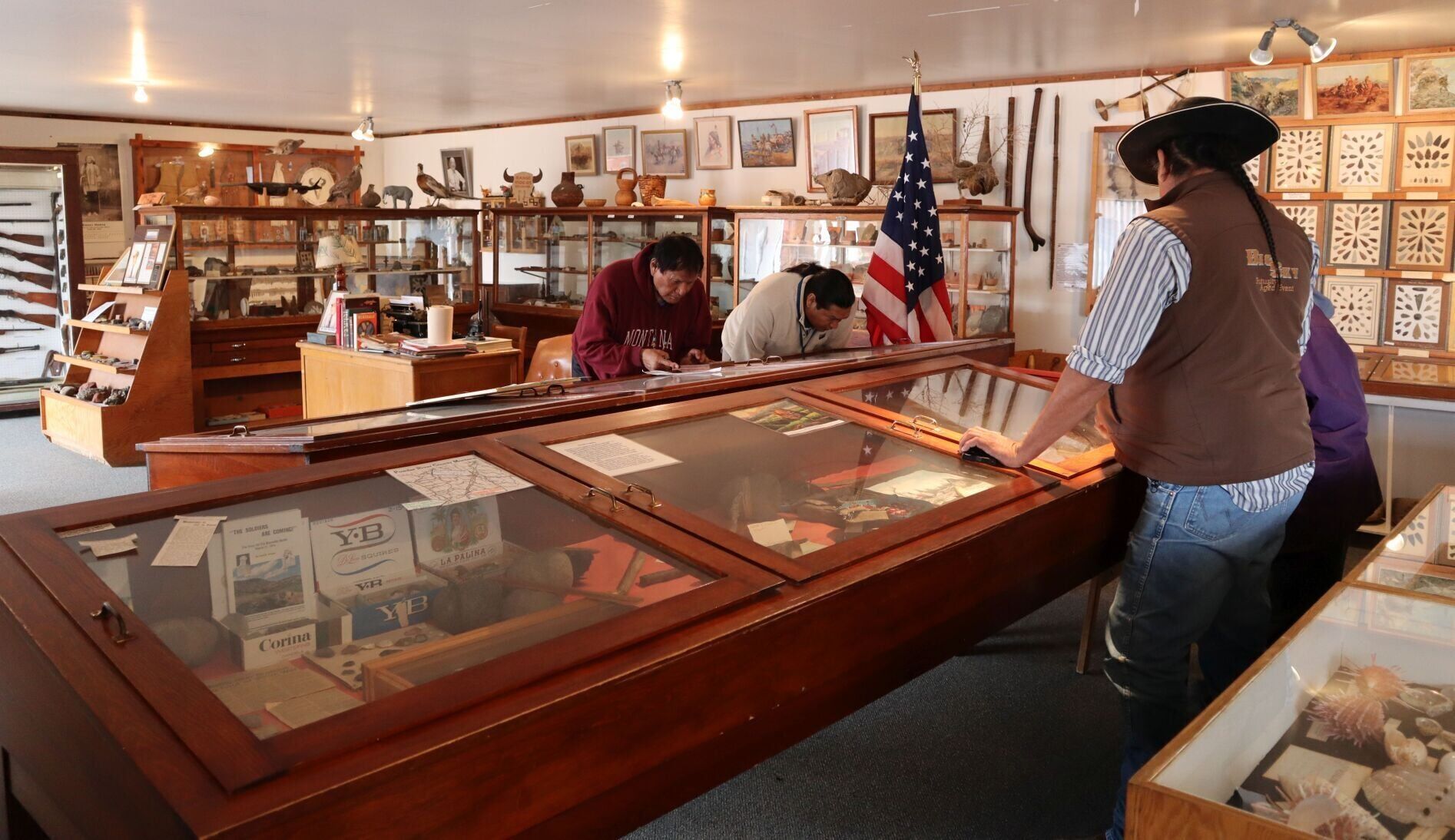
Last Wednesday afternoon, a cadre of Northern Cheyenne tribal members visited the battlefield. Tribal Vice President Ernest Littlemouth, Sr., Executive Assistant to the Vice President Eugene Little Coyote and Chairman of the Northern Cheyenne Culture Commission Vincent Whitecrane made the long trek from Lame Deer to the battle site. They were joined by Sharon Small, the museum curator at the Little Bighorn Battlefield National Monument.
No one in the group, comprised of people who have myriad ties to this battle, had ever been here before. They wanted to come out here because of how important this place is, not only to the Northern Cheyenne, but to American history. Without this battle, it’s possible that the history of the West unfolds in a very different way.
“This battle is not well known,” said Little Coyote. “But it should be.”
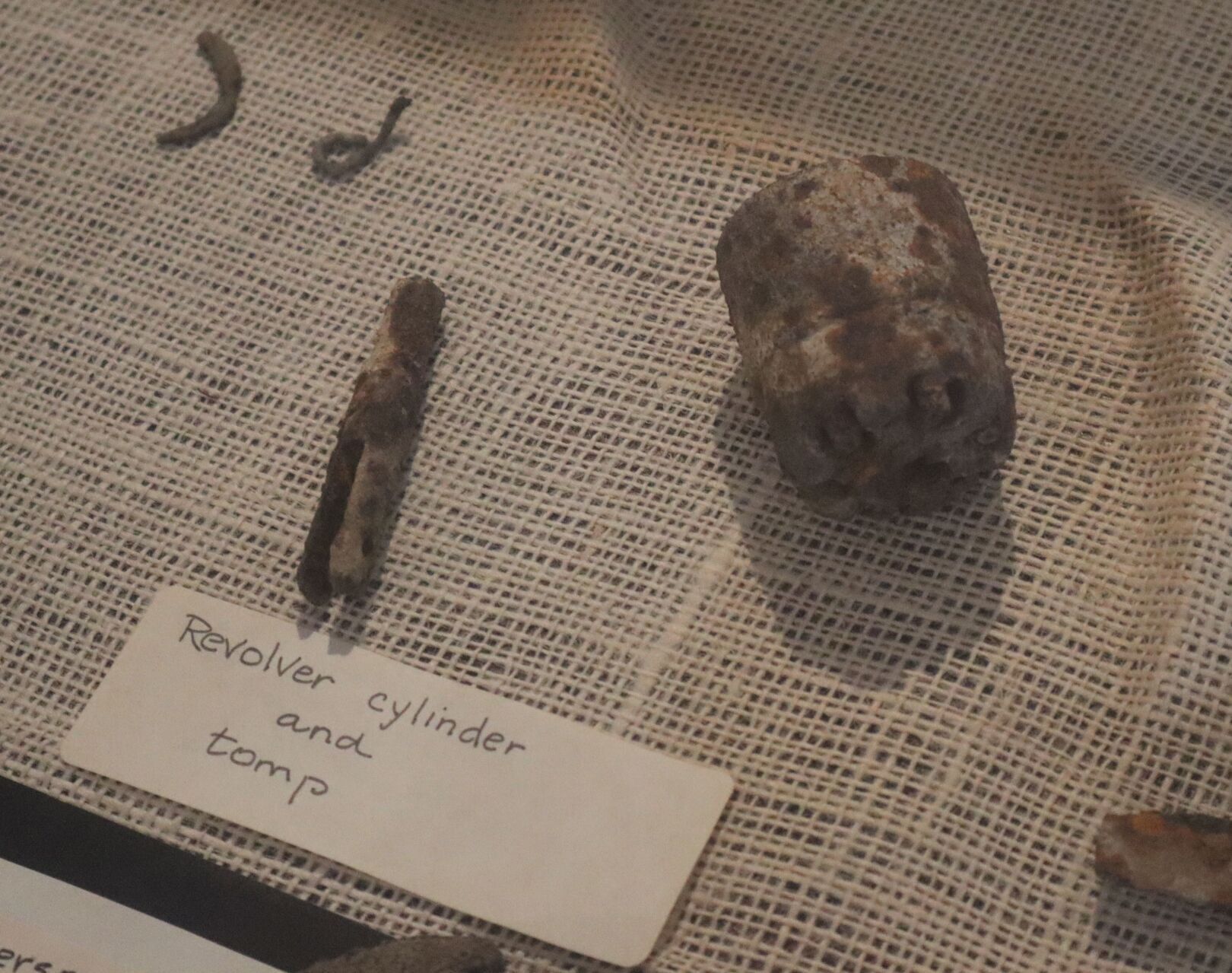
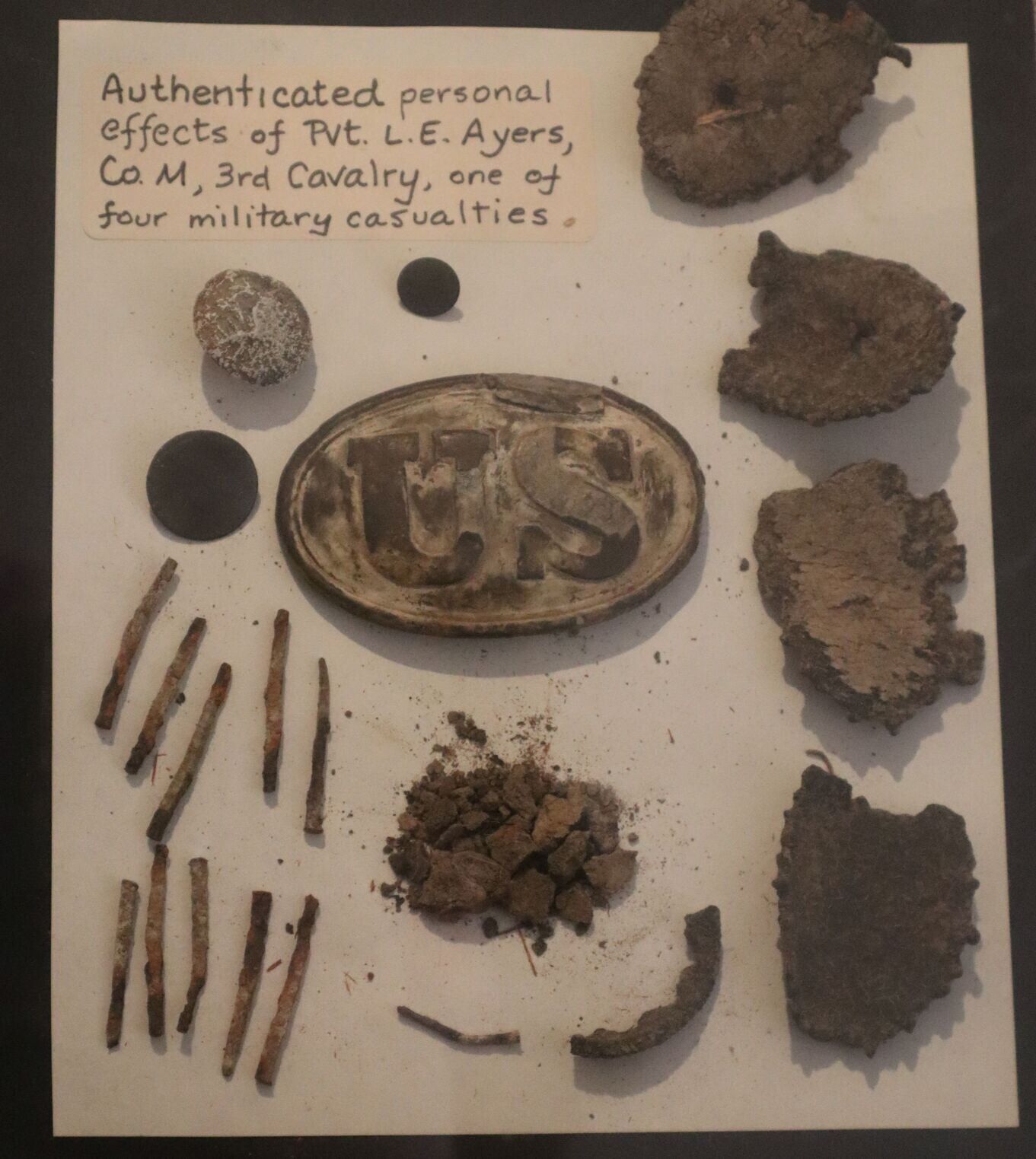
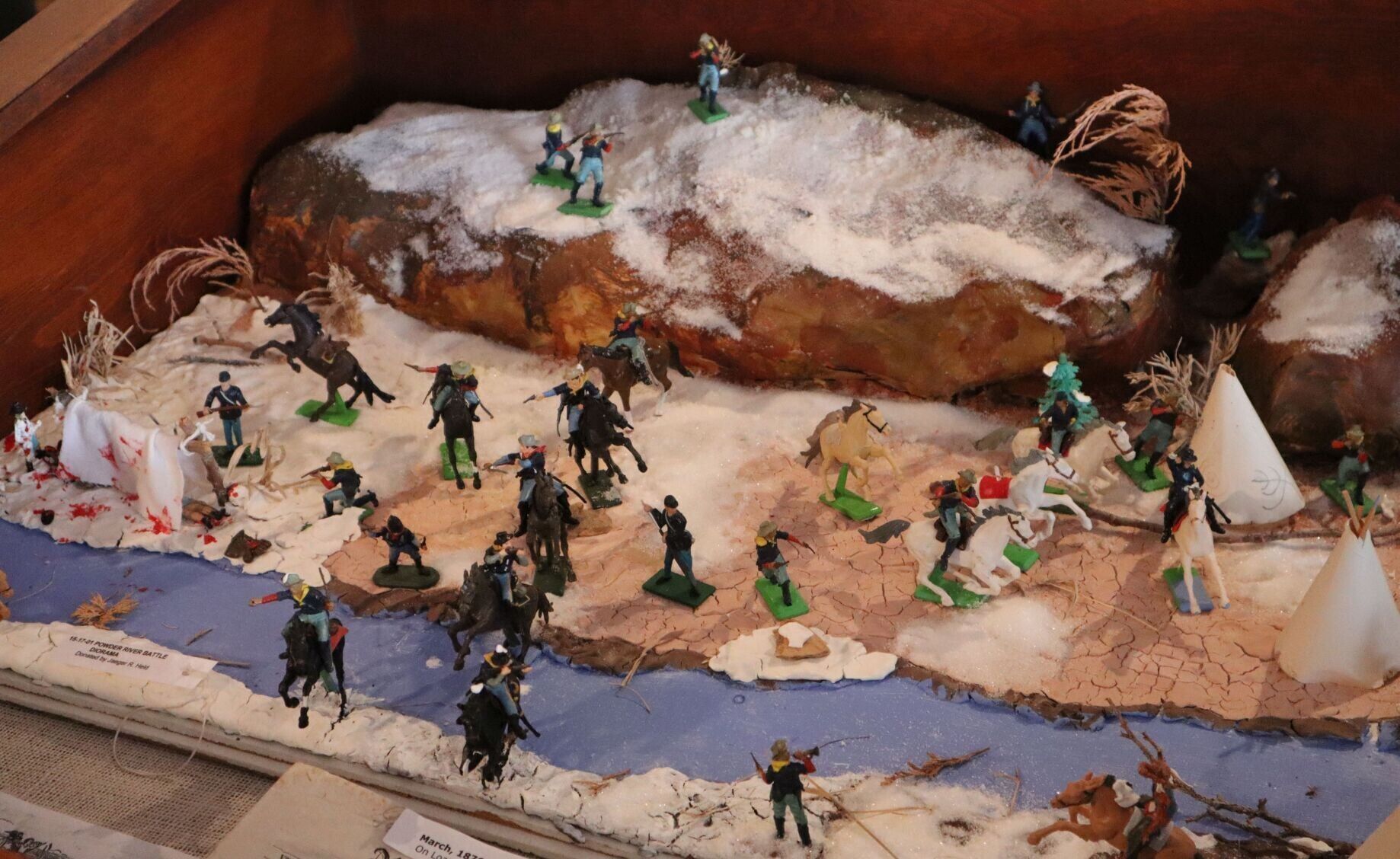
To learn it, stop by the Powder River Historical Museum in Broadus. It’s closed during the winters, but call and they’ll usually let you in. In the back, in a room that also holds a collection of 20,000 seashells (the museum swears it’s the biggest west of the Mississippi River), they’ve got a display on the battle. There are newspaper clippings and other things to read for context, but the real showstopper is the artifacts gathered from the battlefield. There’s a fist-sized revolver cylinder and a belt buckle and other items that belonged to Private Lorenzo E. Ayers, who died in the battle.
A lot of that scholarship is thanks to George Fulton, who owned and ranched on land that included the battlefield. There have been a couple books written about the battle, like J.W. Vaughn’s “The Reynolds Campaign on Powder River” or Paul Hedren’s recently published “Powder River: Disastrous Opening.”
Here’s the short version: In 1874, an expedition led by Colonel George Custer found gold in the Black Hills. Thousands of white people started pouring into the area, living in frontier netherworlds like Deadwood and Hill City. But the Black Hills, which have been sacred to the Lakota, Cheyenne and other tribes since well before Europeans showed up on this continent, were not open for the taking. Per the 1868 Fort Laramie Treaty, they were part of the Great Sioux Reservation. From the moment gold was found, violence was seemingly inevitable. In a way, Custer signed his own death warrant when he set out from Fort Abraham Lincoln.
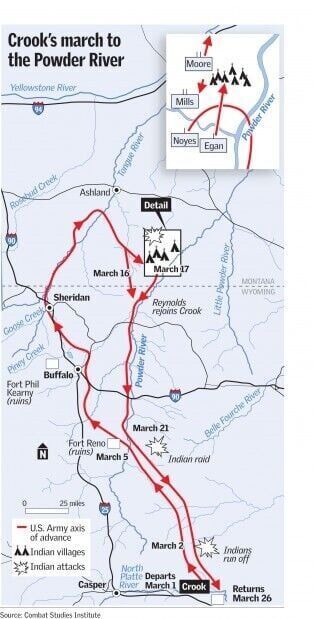
The fight over the Black Hills simmered for a few years, and when groups of Lakota and Cheyenne refused to negotiate a sale of the lands, they were ordered back to their reservations by Jan. 31, 1876. When that deadline passed, General George Crook, along with over 800 soldiers, set out from Wyoming to force the tribes back.
The Big Horn Expedition, as it was called, was searching for Lakota leaders like Sitting Bull and Crazy Horse. Instead, after a bitterly cold march through blizzards that literally froze the army’s thermometers, they found a group of Northern Cheyenne in winter camp along the Powder River.
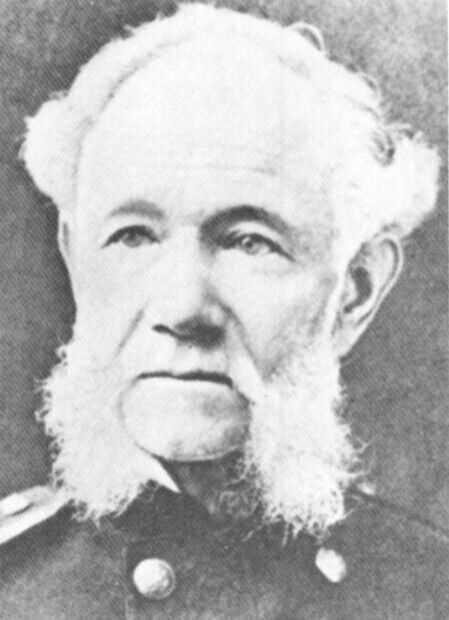
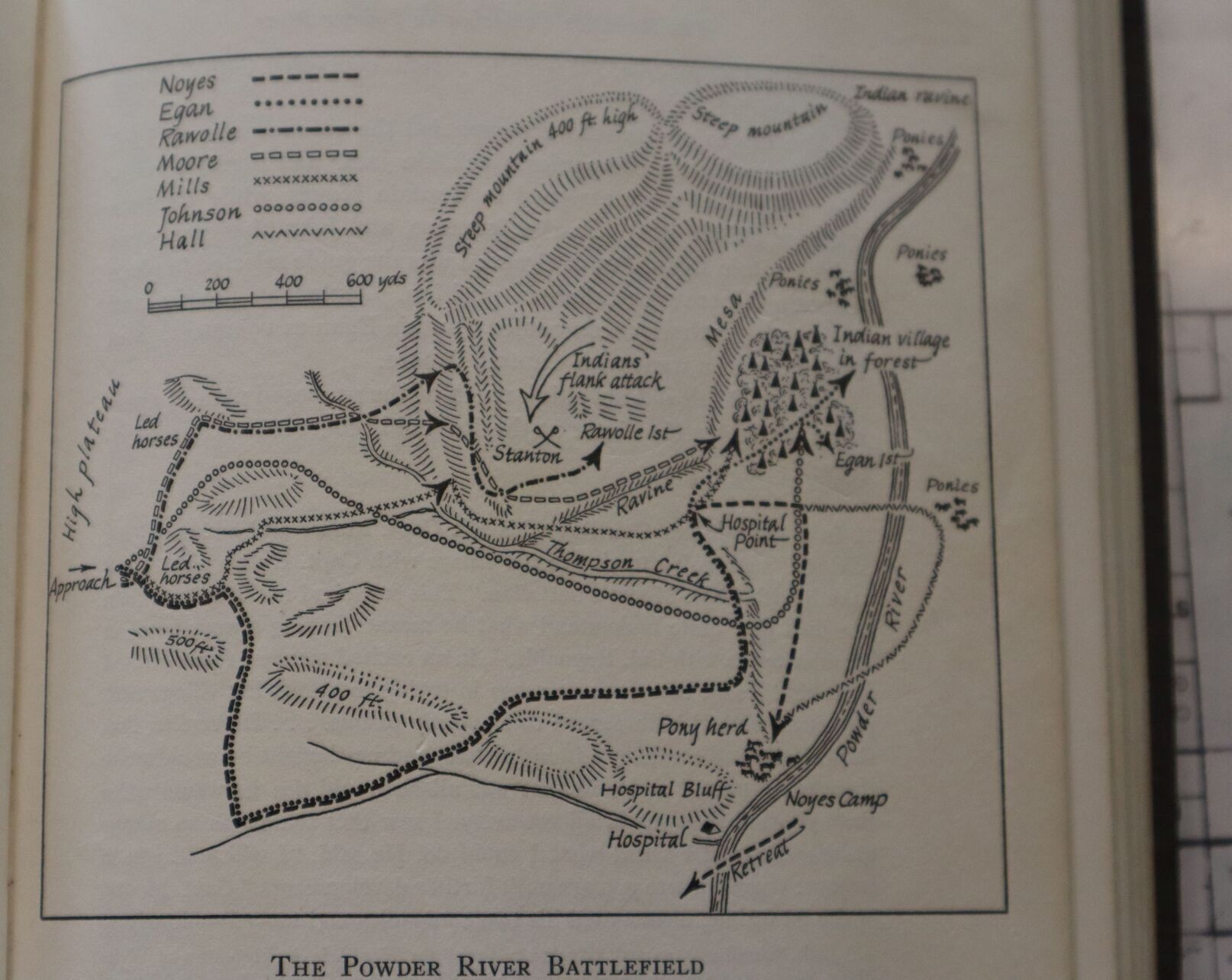
The battle, which began on the morning of March 17, was a disaster from the beginning. Crook split his men, sending Colonel Joseph Jones Reynolds to attack the village with around 300 men. Echoing mistakes Custer would make later that summer, Reynolds didn’t properly scout before advancing. His attack plan failed spectacularly when his men got bogged down in difficult terrain. The Cheyenne were able to mount a defense and eventually escape.
Reynolds was able to capture most of the Native American’s horses, and ordered their camp destroyed, along with all the food and supplies in it. By the time it was all over, three Native Americans had been killed, along with four cavalry men.
Except it wasn't really over. For one, several Cheyenne warriors snuck back the next morning and recaptured over half of their horses. And for failing to properly deploy his men, burning all the supplies that could have been useful to the starving, freezing cavalrymen, and allowing the horses to be recaptured, Reynolds was court-martialed and stripped of his command.
But The Battle of Powder River echoes through history not because of what happened during the fighting, but what happened after. The Cheyenne, left destitute after Reynolds destroyed everything they owned, were taken in by Crazy Horse’s Oglala Lakota village. That group then joined a Hunkpapa Lakota band led by Sitting Bull.
Now together and united against the encroachment of the United States, the Cheyenne and Lakota became the massive village that repelled Crook’s forces at the Battle of the Rosebud, and which Custer tried — and failed — to attack at Little Bighorn later that summer. The Battle of Powder River started the Great Sioux War of 1876. The seeds of the destruction of the 7th Cavalry — one of the most mythic events in American history — were first planted at Powder River.
Yet, most people, even around Montana, haven’t heard of it. Even fewer have been to the site.
Maybe it’s the low causality rate that’s allowed this fight to slip through the historical cracks. Or maybe it’s just the remoteness — you barely have to exit the highway to visit the Little Bighorn Battlefield.
But that’s actually the exact thing that makes the Powder River Battlefield worth the trip. You can drive for miles and miles after leaving the highway, and never see another car. Even the homesteads out here are spaced so far apart you’ll feel like you’re the last person on Earth. When you’re at the battle site, there’s no noise, nothing but the river and the cattle.
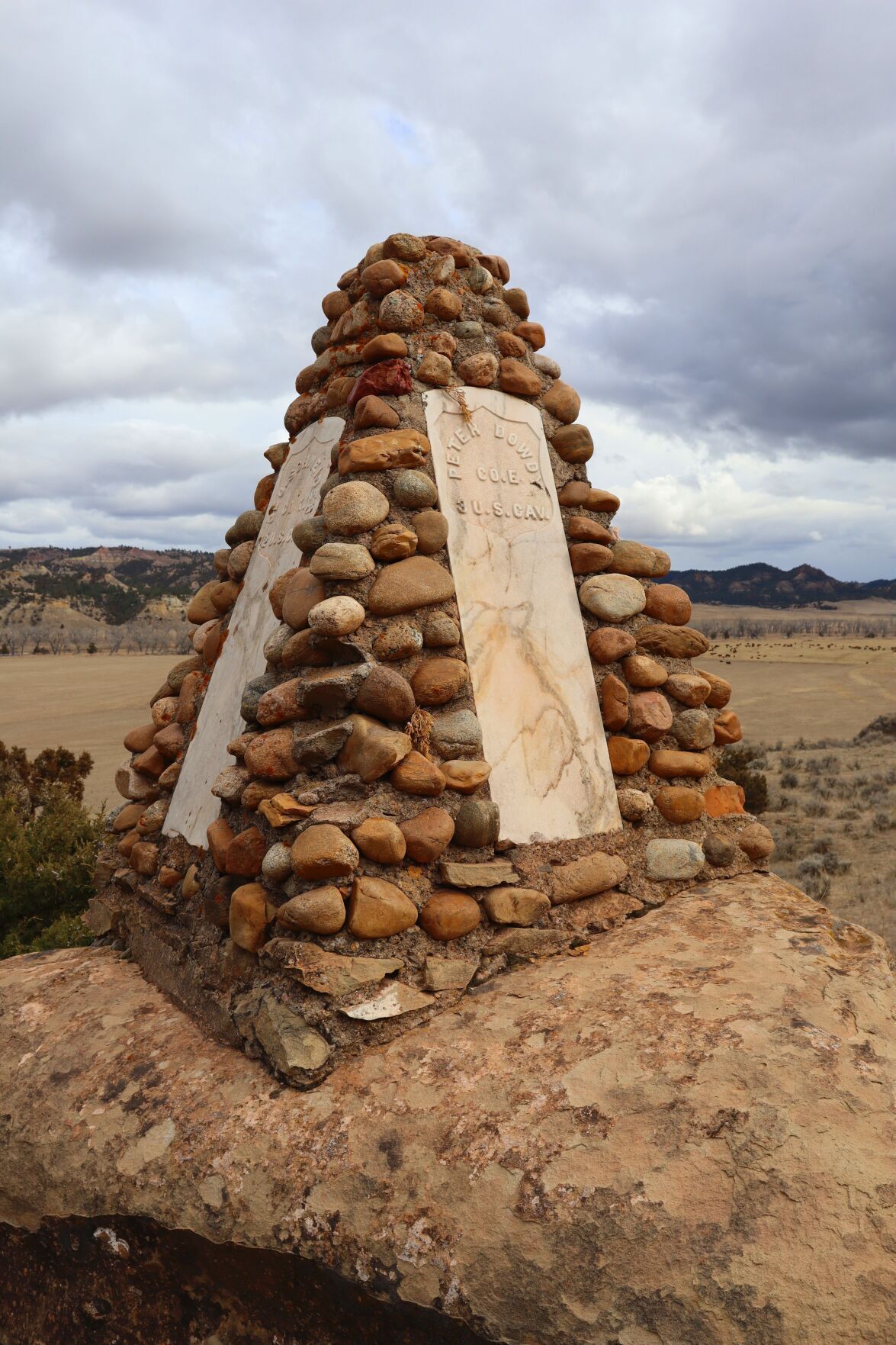
The battlefield is on private land, but there are two memorials on either side of the dirt road. One, a pyramid made of stones and built atop sandstone boulders, commemorates the four cavalrymen who died in the battle. Their headstones, which weren’t placed on the site until 1934, are embedded into each side of the pyramid.
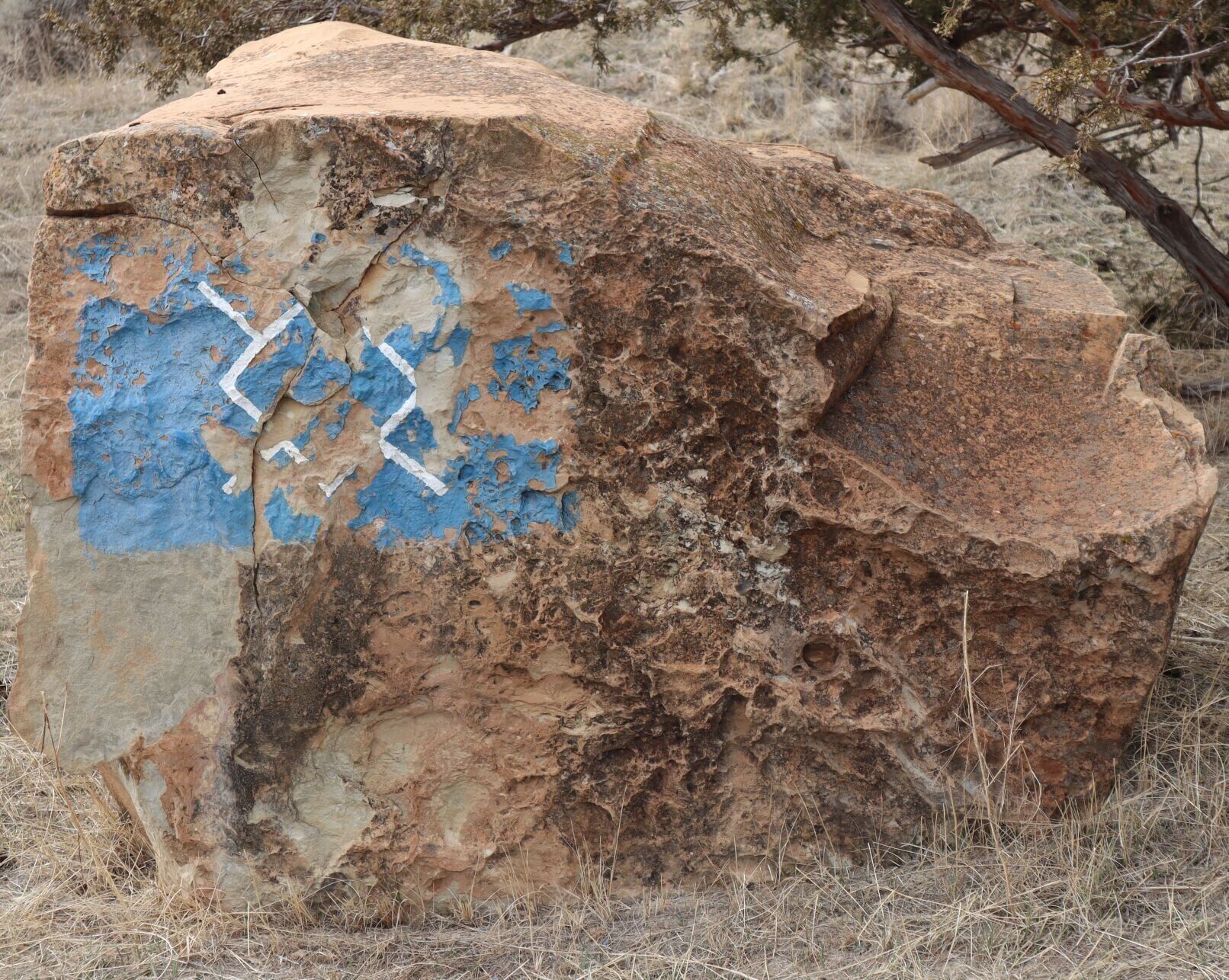
Across the road, there’s a Northern Cheyenne memorial, which feature’s the tribe’s flag painted onto a large sandstone boulder. The only interpretive work at the site is a laminated copy of Lorna Thackeray’s Billings Gazette article “Prelude to Little Bighorn.”
Little Coyote, who is a former Northern Cheyenne Tribal President, has another theory on why the battle is so little known.
“Our culture, our history, our identity were actively discouraged for generations of boarding school,” he said. “We don’t know about these things, but we’re trying to rediscover them. For a long time, it wasn’t a very nice thing to be tribal and take pride in your history.”
Now he envisions a future where Indigenous people struggling with addiction and other issues could come to places like this and reconnect with their own history. This is one of those places where history isn’t an abstract idea. It’s baked into the land around you, the very dirt you stand on. It’s unavoidable.
“The attention is really focused on the Little Bighorn,” Little Coyote noted, overlooking the battlefield. “Within the last 20 years, we’ve started paying attention to the Battle of the Rosebud. And now as we rediscover our own history, which has been actively discouraged, you find out what a special place this is.”
Comments ()