
Local Conservation Groups File Lawsuits Against U.S. Forest Service Over Logging, Burning Of Bozeman Canyons
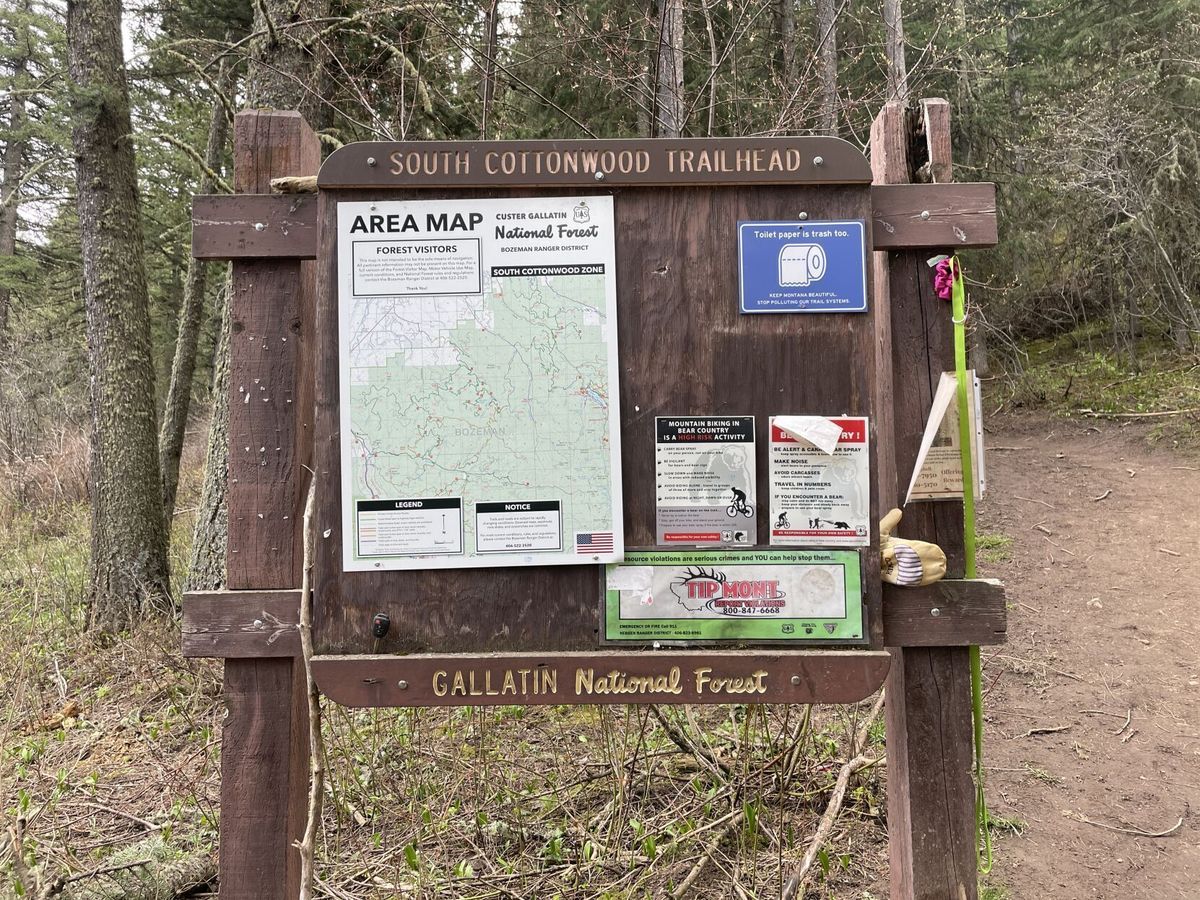
Bozeman, Mont. — New court challenges have been filed over proposed logging and burning in South Cottonwood Canyon and Hyalite Canyon, raising questions about the future of Bozeman’s well-known outdoor recreation areas.
Four conservation groups filed lawsuits against the U.S. Forest Service: Gallatin Wildlife Association, (gallatinwildlife.org), Alliance for the Wild Rockies, (allianceforthewildrockies.org), Native Ecosystems Council (anthropocenealliance.org) and Council on Wildlife and Fish (anthropocenealliance.org).
Attorneys for those groups argue the Forest Service is moving forward on the project without the research required to do so and warned the work could affect endangered species that reside in the canyons.
One concern centered on the whitebark pine, which is considered an endangered species. Its pinecone seeds are a food source for grizzly bears.
The Alliance for the Rockies says the project area covers more than 7,900 acres of forest land stretching from Hyalite Canyon Road to the South Cottonwood backcountry area.
Clint Nagel, President of the Gallatin Wildlife Association, says the groups are worried about the broader impact of multiple projects across the forest.
“Well, what they’re doing is saying you’d have a project here and a project over there and a project here. Eventually you’re going to have a national forest that’s dying because of a thousand cuts,” said Clint Nagel.
Nancy Ostlie, a board member with the Gallatin Wildlife Association, says the canyon areas are crucial, as they support a range of native forest types and wildlife habitats.
“So, now it's been discovered and is just a fabulous place, with native forests of many varieties and types. But if we were to go in and cut roads and log the old growth trees in that landscape, it will no longer provide a habitat for the wildlife that it does today,” said Nancy Ostlie.
The U.S. Forest Service says the project is focused on hazardous fuel management as a way to reduce the likelihood of wildfires. While Nonstop Local reached out to the forest service for comment, we have yet to hear back at this time.



Comments ()