
Local veteran has rare neurodegenerative disease
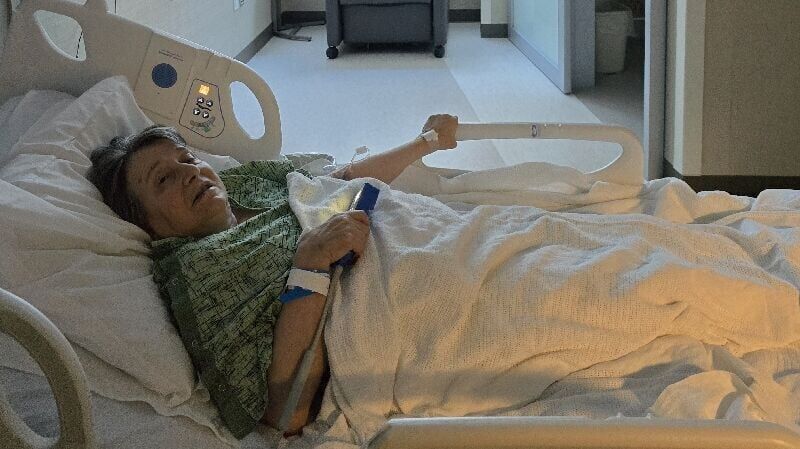
A rare neurodegenerative disease has left Belgrade resident 4 unable to care for herself.
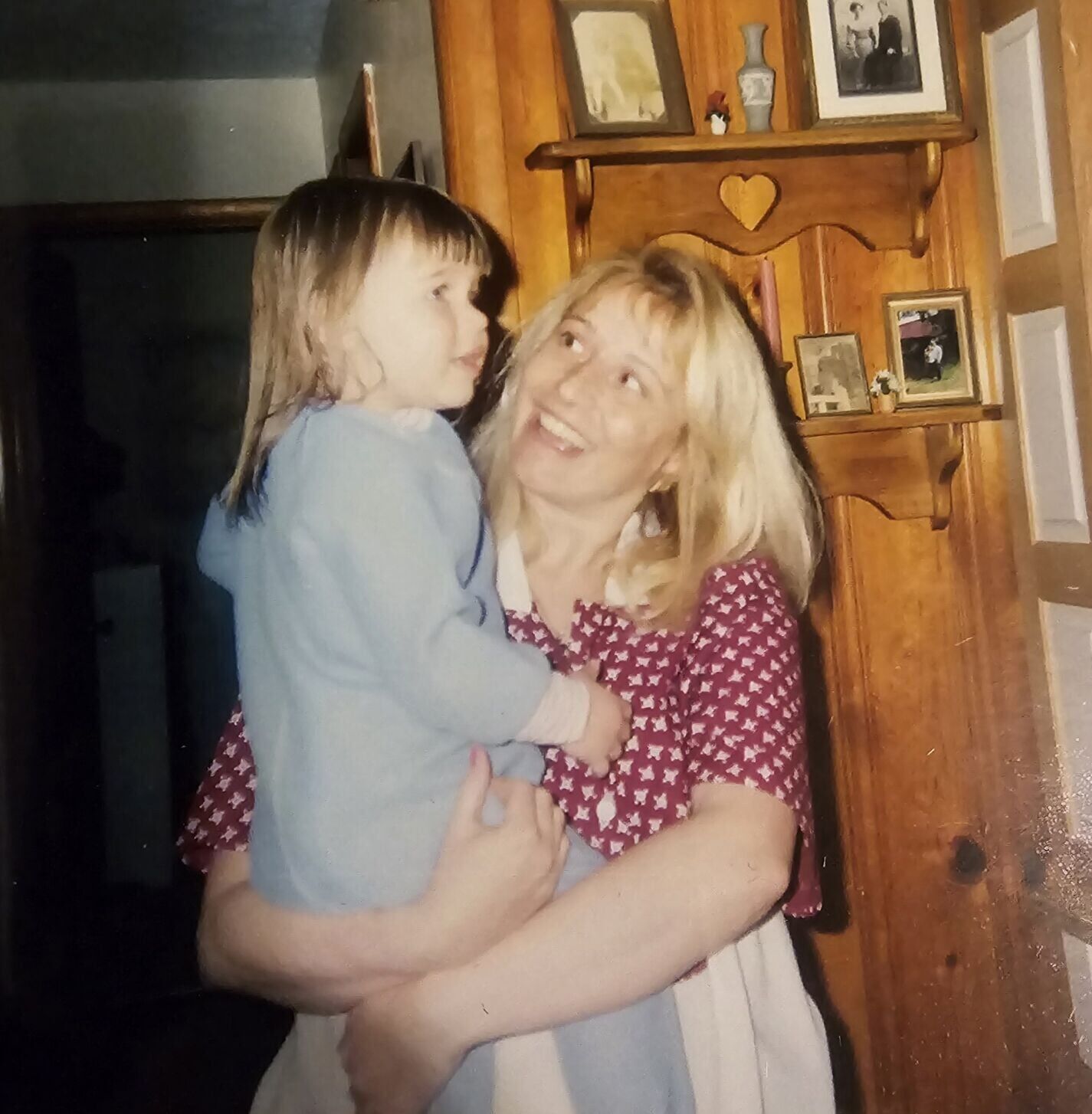
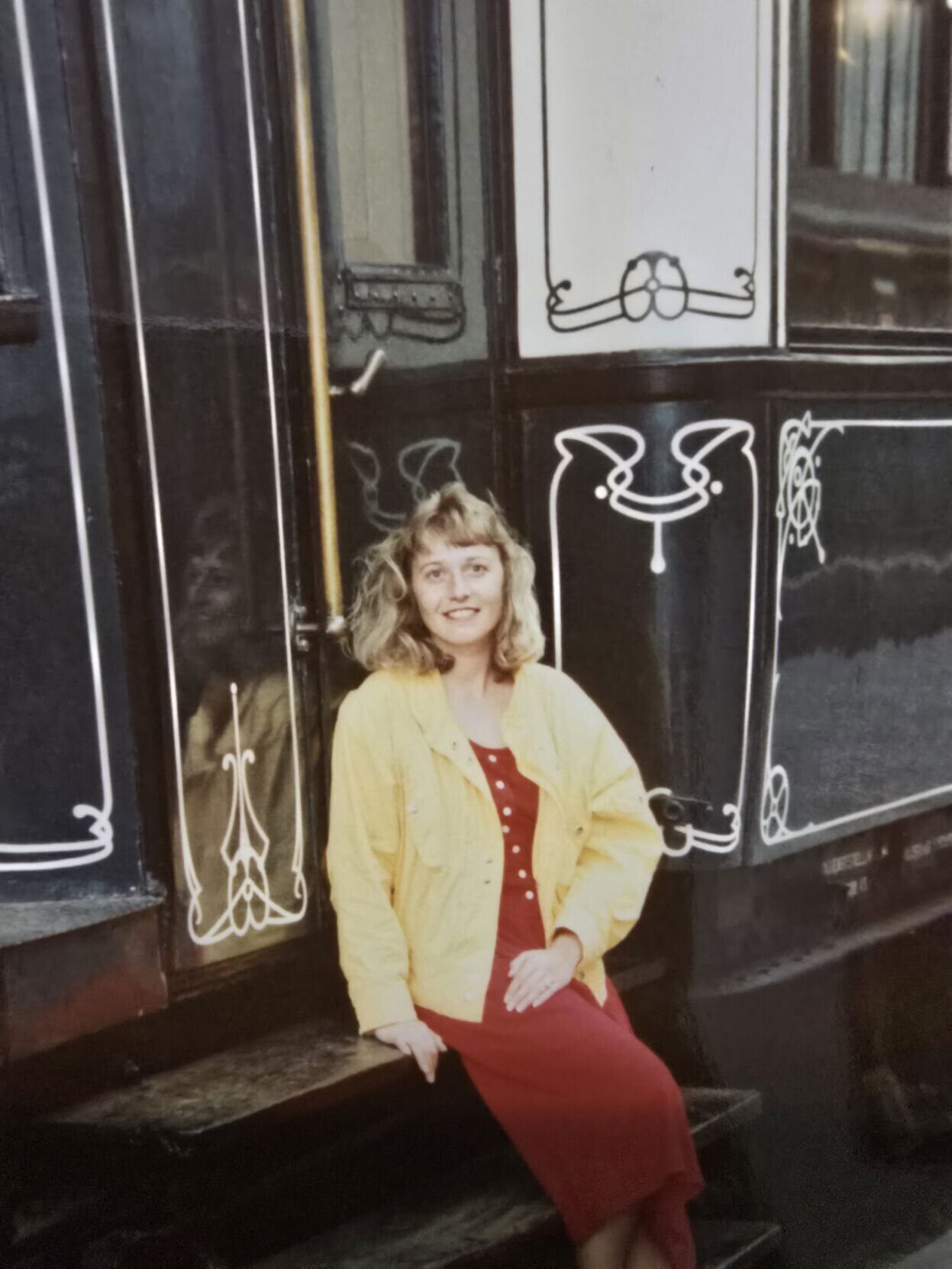
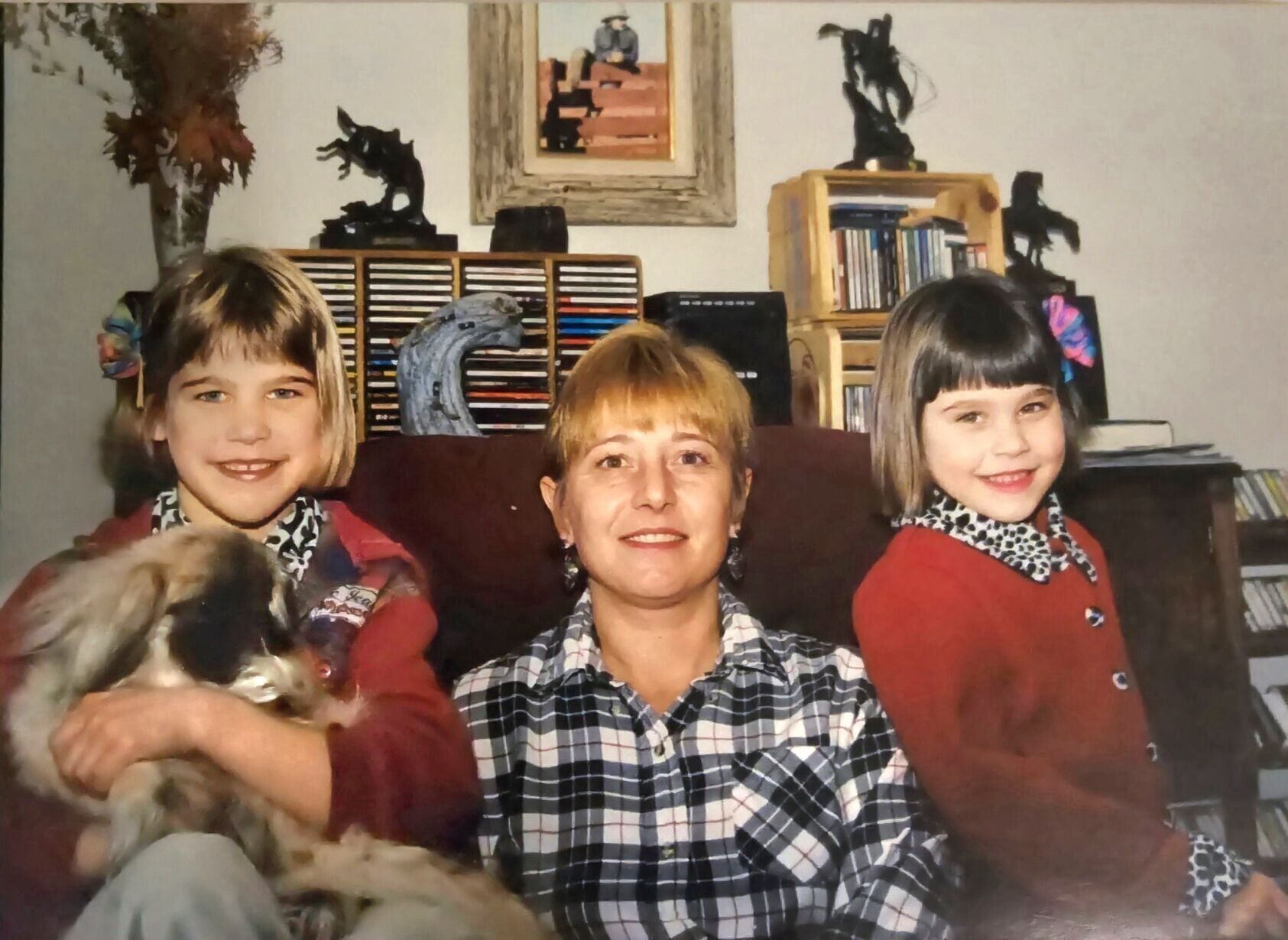
Sheri, 69, has corticobasal degeneration and lives with her daughter, who helps manage her daily needs. But the family has struggled to keep up with the growing costs of in-home care, medical and dental expenses, and basic living needs. They set up a GoFundMe at https://tinyurl.com/3uxddpev.
The first signs of trouble started about nine years ago with Sheri noticing she had trouble using her dominant hand. In this way, some of the first casualties of the disease were her creative muses.
She’d written a few mystery/romance novels and enjoyed writing by hand.
“I've looked back on some of the things she wrote, and her handwriting was so good, like especially compared to mine,” said one of Sheri’s two daughters, Savannah Prokop. “It's just so neat and symmetrical.”
Sheri also liked to paint with acrylics on canvas; she’d set up her easel in the family’s sunroom of an evening, her brush evoking abstract landscapes from her imagination. This passion also has become impossible after years of dealing with the disease.
“Initially, they diagnosed her with just something really benign,” Savannah recalled. “Then as time went on, she ended up having trouble walking — her balance was off. So, she was actually diagnosed with Parkinson's disease first.”
Although Parkinson’s is incurable, there are treatments that can help with symptoms. Sheri didn’t respond to those pharmaceutical treatments, and her trouble with motor skills kept getting worse. Eventually, her local neurologist referred her to the Mayo Clinic, and so the family took a trip to Rochester, Minnesota.
“At the initial visit, the doctor was fairly certain that it was corticobasal degeneration based on her history and exam findings,” Savannah said. “But she did end up undergoing more testing, so she had an fMRI and other MRIs, and it showed findings consistent with the corticobasal degeneration.”
Unlike Parkinson’s, here’s no current treatment for CBD. Although both conditions are incurable, the rarity of CBD — only about 2,000 to 3,000 Americans have it — makes research into a cure slower going. By contrast, there are about 1.2 million people in the U.S. with Parkinson’s.
An artist and a writer
The disease gradually eroded Sheri’s daily routine and ability to enjoy her passions. In addition to writing and painting, she used to go for walks every day, and she was an avid reader.
“She read constantly, but she can't read anymore,” Savannah said.
Even holding a book and tracking words on pages has become impossible.
But Sheri’s mind is still there.
“With this condition, generally, people remain, for the most part, cognitively intact until the very end," Savannah said. “So it's almost more similar to ALS, because people with ALS, their body completely fails, but their mind is still there. And that's the same thing with her.”
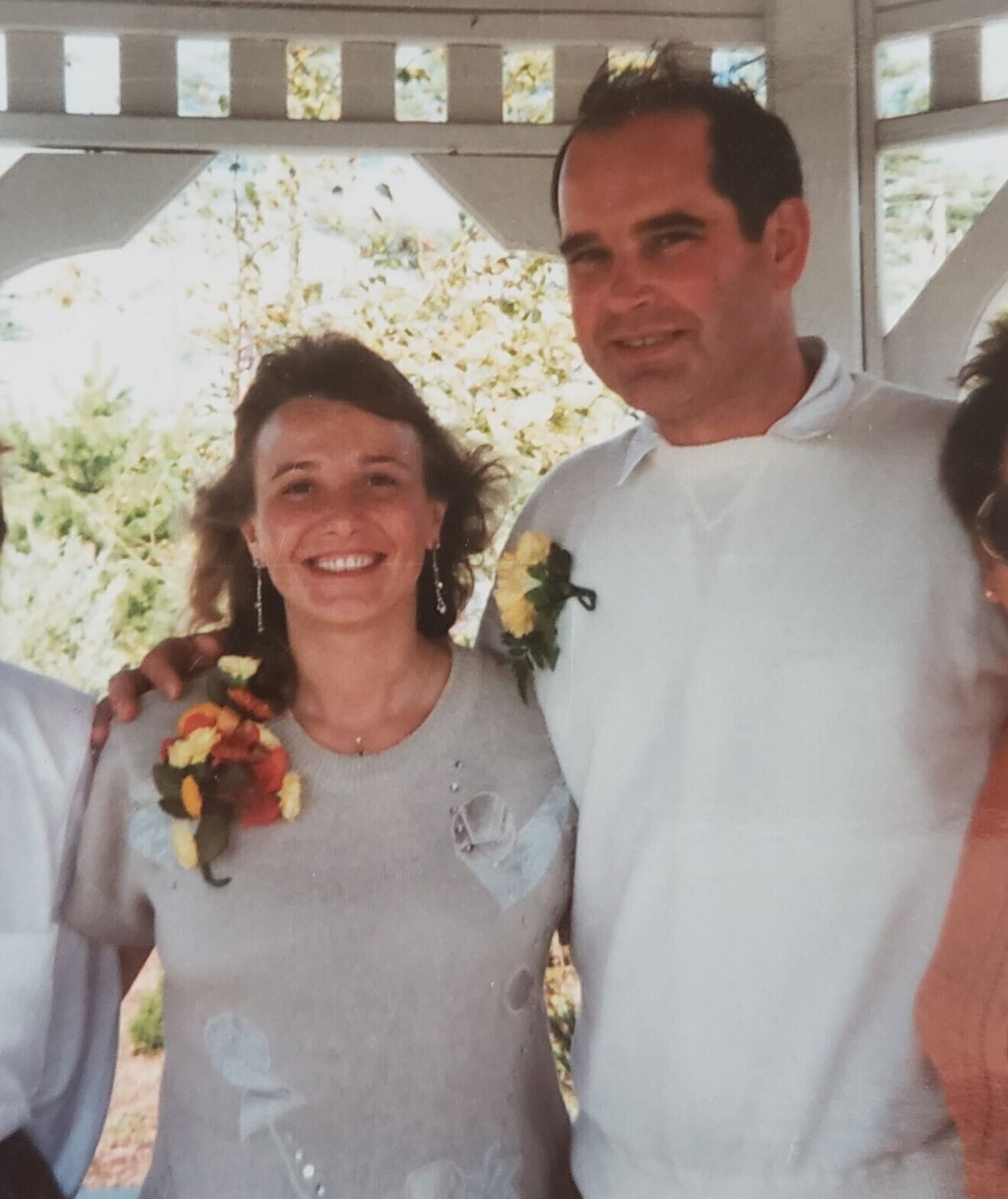
Sheri's 73-year-old husband, Richard Alan Prokop, lives in the same home, but he’s retired and can’t work due to a severe back condition, according to Savannah and her sister, Shannon.
Cold Warriors at the Iron Curtain
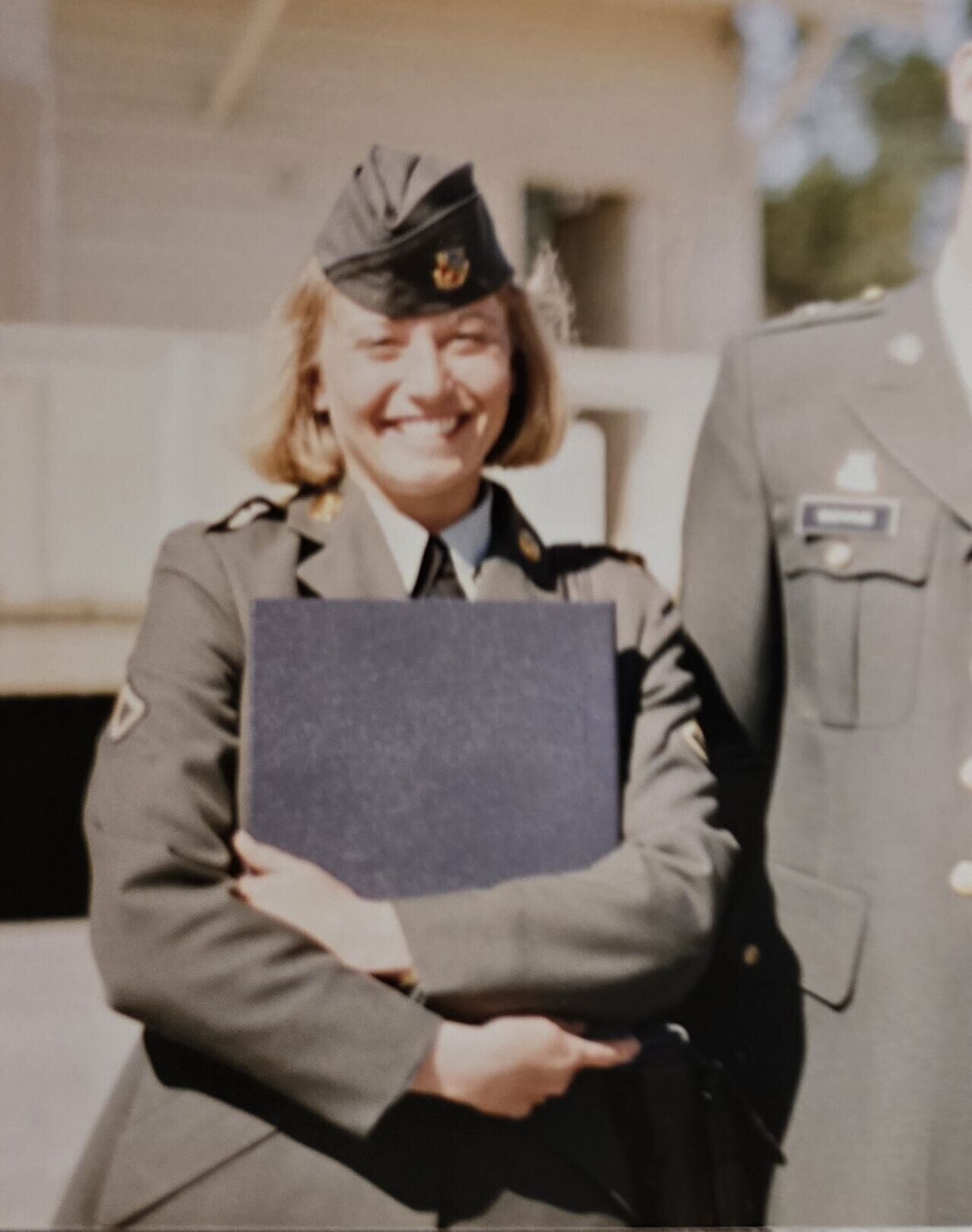
Richard and Sheri are U.S. Army veterans and Cold Warriors. They’re also among a comparatively small cadre of servicemembers who have worked in signals intelligence (SIGINT) as linguists — a cognitively demanding role reserved for those who score well on entrance exams and who’ve shown they’re worth the large public investment in their training. Richard and Sheri studied Russian at the Defense Language Institute in Monterey, California, in the 1980s, before deploying to within dozens of miles of Soviet tanks at what was then the edge of the free world: West Germany.
The couple lived in Augsburg, in the state of Bavaria, in one of the oldest cities in Germany — a place with Roman origins. At that time, multiple American military bases were there, since abandoned. From that forward U.S. position, the couple performed SIGINT work, using their language skills and technical training to analyze transmissions and potentially uncover critical intelligence.
SIGINT linguists are used by various military branches to identify and/or analyze foreign communications to support missions. They may work in secure facilities or deploy as part of broader intelligence operations.
Military linguists have supported U.S. operations for decades even after the Cold War. For example, linguists with the 341st Military Intelligence Battalion of the Washington National Guard have deployed in support of operations including the Global War on Terrorism, providing language and intelligence support in theaters such as Bosnia, Iraq, and Afghanistan.
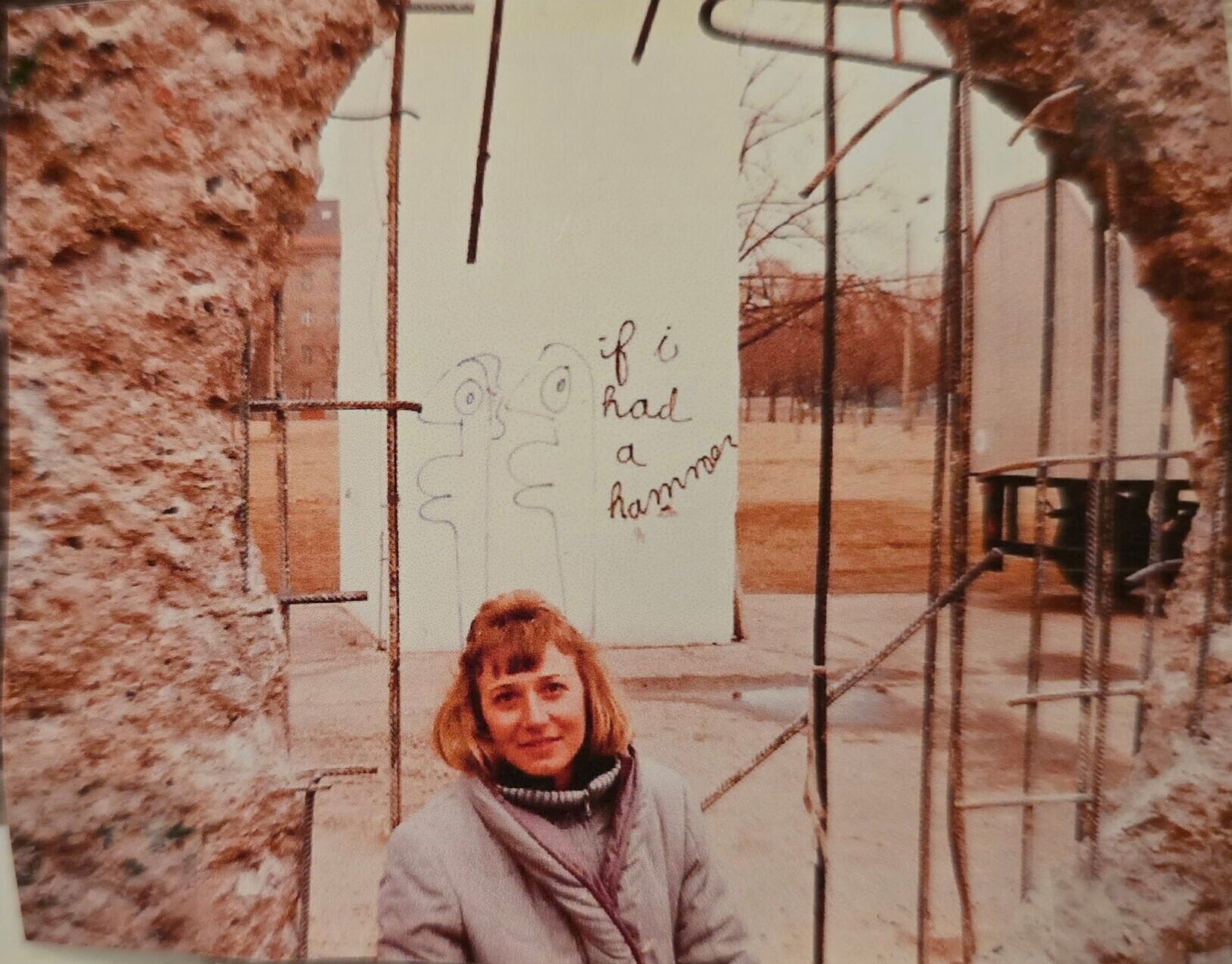
Sheri and Richard were in Germany when the Berlin Wall came down and the Iron Curtain began to fall in Europe. As the USSR disintegrated, the couple removed fragments of concrete from the wall and brought them back to America — visible reminders of the role they played in combatting communism and America’s long-time adversary.
According to Sheri’s military discharge paperwork — her DD-214 — she entered service in 1987 and left the military in 1991 at the rank of E-4, or specialist, and was a voice interceptor for two years and five months as her primary specialty.
Richard’s DD-214 indicates he enlisted in 1984 and left service in 1991 at the rank of E-5, or sergeant, and was a voice interceptor for five years and eight months as his primary specialty. He was in the U.S. Marine Corps for a few years before his Army service began in ‘84.
The couple belonged to Company A, 712th Military Intelligence Battalion.
Savannah was born in Augsburg in 1991.
“I know just a tiny bit of German, and a little bit of Russian,” Savannah said. “My dad remembers. He can speak German actually pretty well. He took a lot of German in high school and college and then of course when they lived there. He remembers a bit of the Russian, too.”
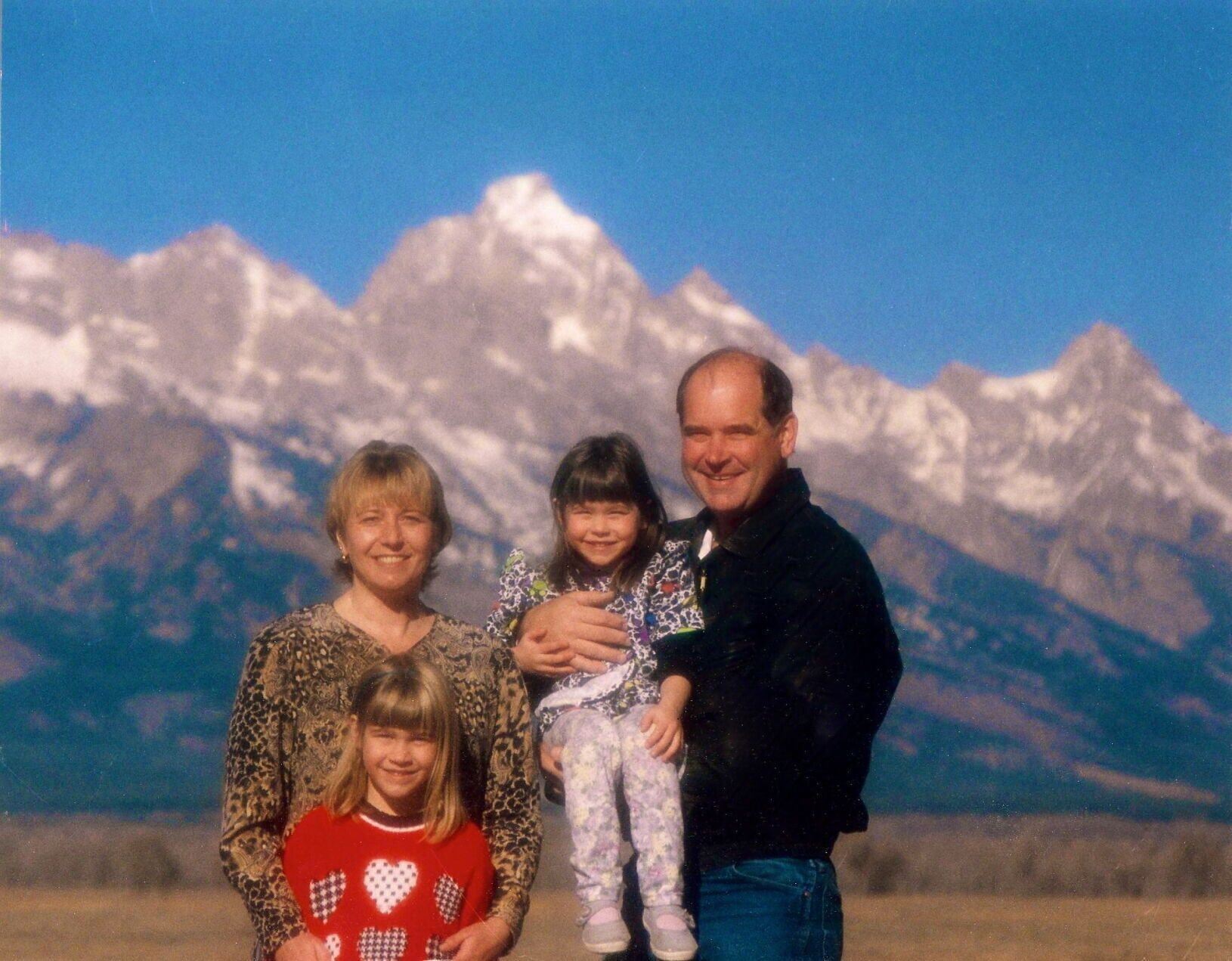
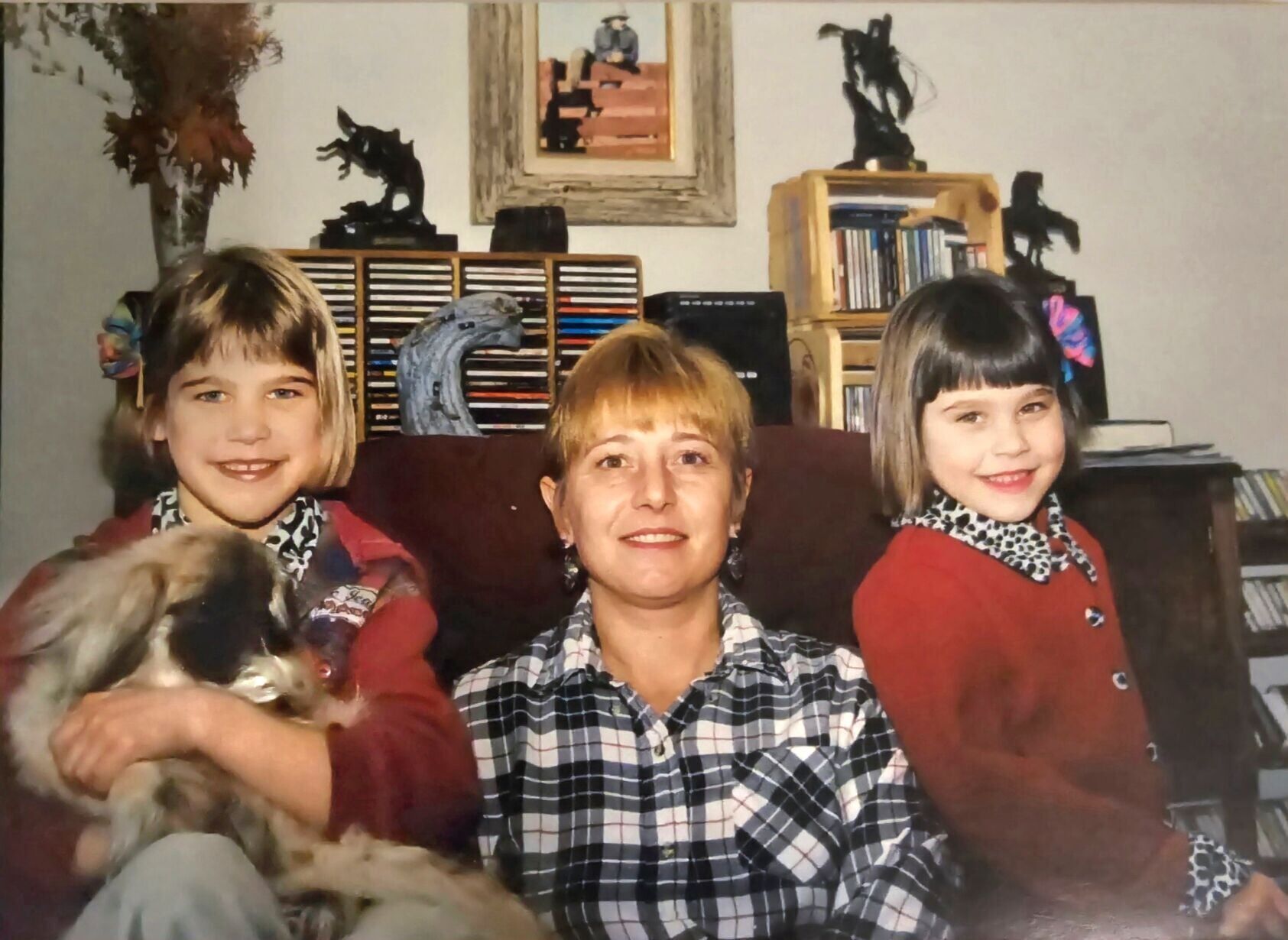
The family moved to Mississippi in 1992, and Shannon was born there in 1993. The family later moved to Jackson, Wyoming, and resided there for 10 years before moving to Belgrade in 2002, according to Savannah.
After leaving the military, Sheri wanted to focus on raising her children and didn’t enter the workforce until her daughters got to be about pre-teen age. Sheri had varied jobs over the course of her life. She held managerial positions at various employers such as a drycleaner and drove semis for a time, according to Savannah.
Family seeks help with home repairs, medical/dental
Nowadays, Sheri is wheelchair bound, and the disease has forced her into a hunched-over position.
"She cannot walk at all,” Savannah said.
Since there are places in the family’s home that make it difficult for a wheelchair to travel, Savannah gets her mother in a walker and pulls her to get to certain areas, such as the bathroom.
Sheri doesn’t leave home often.
“It's really hard to get her out,” Savannah said. “We don't have like a special like van or car, so we have to actually like physically get her into the car ourselves, which I do, but it is hard.”
It’s difficult for Sheri to look at people and track them.
"The muscles in her neck and stuff are really — they don't work very well,” Savannah said. “So, it's hard for her to keep her head up.”
The disease also affects the voice, rendering speech mumbled and low. Sheri’s family uses a letter board and a computer screen so she can spell out what she’s trying to say by pointing to the letters.
“It's not perfect,” Savannah said. “She does have a hard time lifting her hand up.”
Sheri and Richard don’t qualify for VA benefits, as they make about $1,000 more than the eligibility cut off, according to Savannah.
She waited a long time before making the GoFundMe this year.
"I felt really embarrassed about doing it, but there's so many things that she needs,” Savannah said. “Like extensive dental work and continuous caregiving costs, because I'm basically her primary caregiver going on like 6 and a half years, which is just — it's definitely getting really hard.”
The dental work is specialized — Sheri has decaying teeth that need to be attended to in order to prevent a life-threatening systemic infection or aspiration pneumonia, according to the GoFundMe page.
There also are home repair costs the family seeks to cover. Several areas of the home have fallen into disrepair, creating a dangerous place for a patient with neurodegenerative disease, according to the GoFundMe page. Although Sheri’s bathroom is equipped with grab bars, the flooring needs repairs in part due to damage from the walker.
“It's just taken a beating,” Savannah said.
There are plumbing leaks causing water damage and the threat of mold in the bathroom, according to the family.
"Over the past several years, our parents have used their savings and retirement funds to cover medical care, household expenses, and caregiving support," reads the GoFundMe page. "They currently have a caregiver who visits the home once a week, but that assistance will soon come to an end due to financial constraints."
Sheri turned 69 on March 20. Shannon was in town from Washington state for the occasion. The family planned to have pie — apple, Sheri's favorite — and to watch a movie of her choosing.
“She likes a lot of different movies,” Savannah said before the occasion. “She likes action. She likes dramas, romance, comedies. I'm not sure what she'll choose, but she we'll see.”






Comments ()