
Midtown Commons moves ahead after Missoula City Council vote
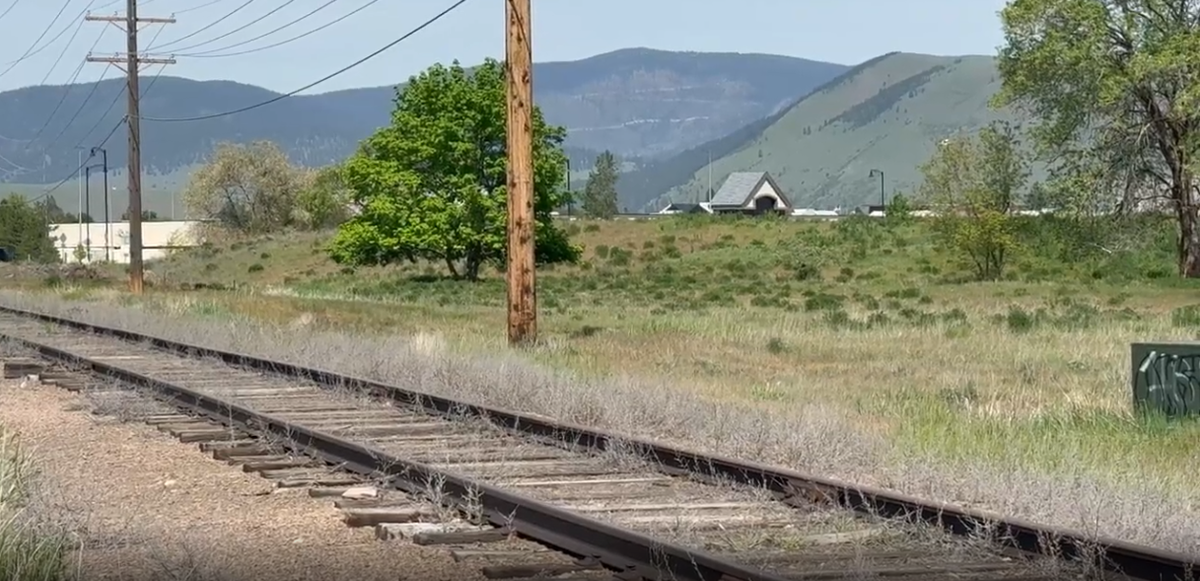
Missoula, Mont. — A plan to redevelop long-vacant land near Southgate Mall moved forward after Missoula City Council spent hours debating the Midtown Commons proposal.
Council members weighed housing needs, public investment, tree removal and transparency concerns tied to the project. The proposal would bring housing, park space and trail connections to the site.
Supporters said the plan could help with Missoula’s housing shortage while adding public amenities to land that has sat unused for decades. Opponents raised concerns about environmental impacts, including the removal of mature trees and changes involving an irrigation ditch on the property.
Some also questioned whether the development offered enough guaranteed affordability for the public investment.
Ellen Buchanan, director of the Missoula Redevelopment Agency, explained how the property deals came together.
“The first purchase that the city made was two purchases from two different owners, which is one reason that that property has never developed because they could never agree on exactly what they wanted to do with it. So the city stepped in. So there actually are three property purchases involved in this transaction. One of which is not taking place,” Buchanan said.
City Council member Gwen Jones said the site’s long vacancy mattered in her decision.
“The fact that this has been 50 years as a vacant lots, is a really important factor to me that this is a dormant asset sitting in the middle of our city when we desperately need housing, and it is close to so many different commercial services and good transportation, and hopefully in the long run with the the Brooks corridor, rapid transit, this this could be a fantastic place to live,” Jones said.
Council rejected amendments that would have delayed tree removal, required more ditch approval before construction and revisited an alternate site plan called “option A.”
One amendment did pass. It added an owner-occupancy requirement meant to stop some for-sale units from quickly turning into rentals or investment properties.
The final development agreement passed on a 9-3 vote. Related property agreements passed on a 10-2 vote.



Comments ()