
'Misleading, if not complete falsehoods': Laurel wants more from state on forensic facility
Months ago, state government asserted that with the selection of Laurel for Montana's new forensic mental health facility, “stakeholder input and local engagement are priorities.”
Yet thus far, Laurel City Council and Laurel residents “have had no meaningful engagement with any state officials” around the mental health facility.
That’s according to a letter submitted to the Department of Public Health and Human Services, the Montana Board of Investments and the governor’s office, read aloud during a crammed Tuesday night Laurel City Council workshop.
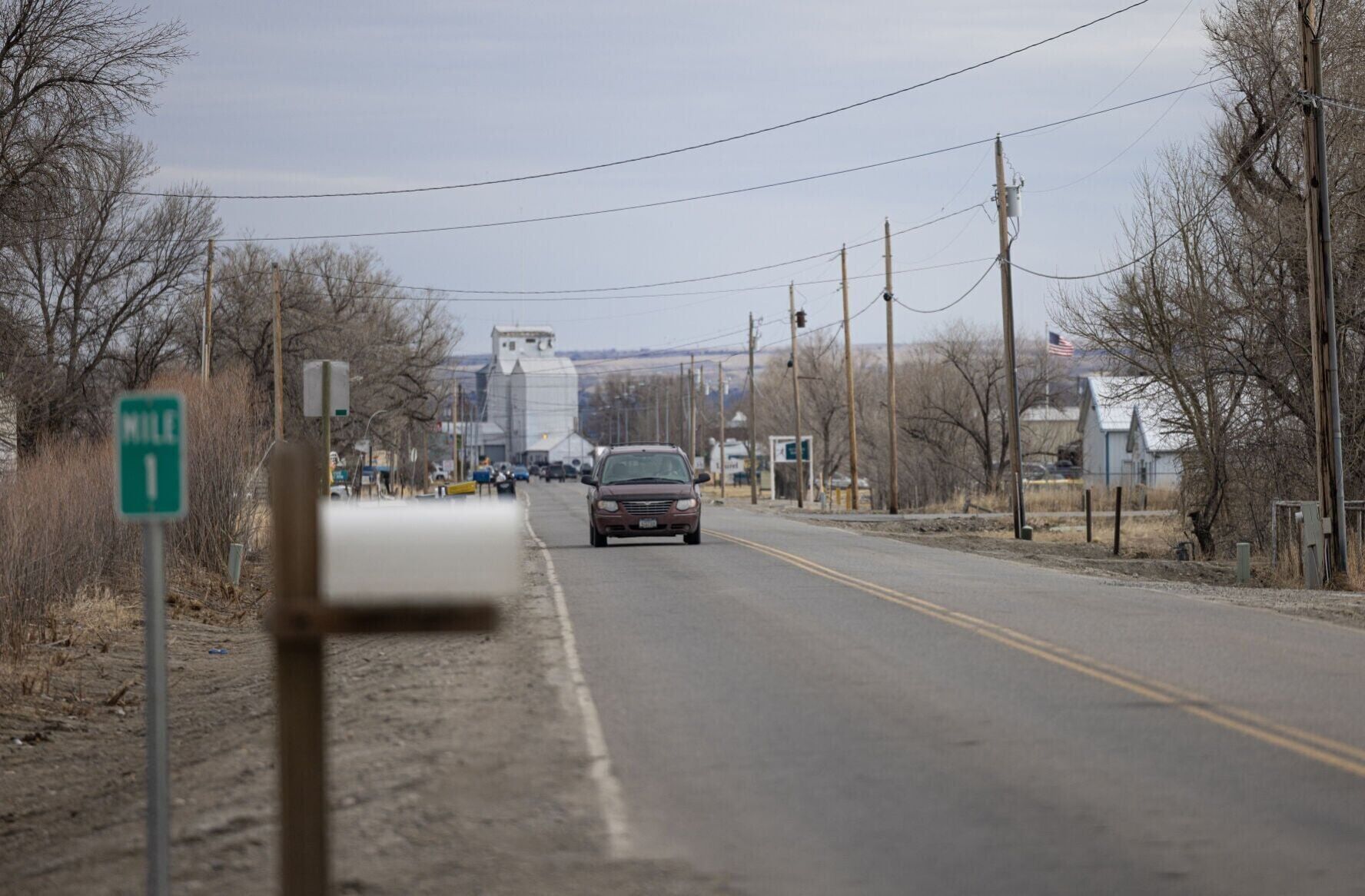
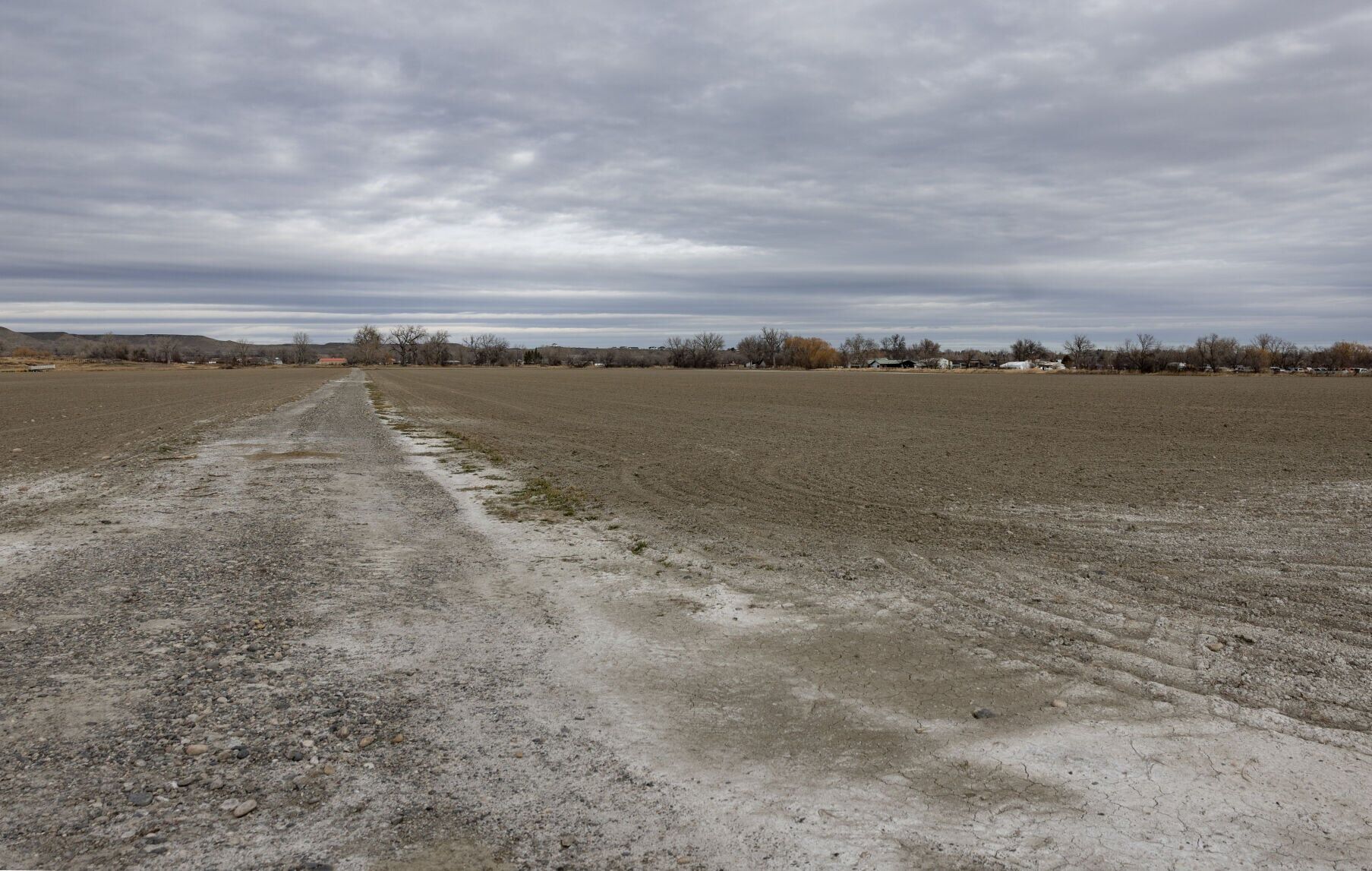
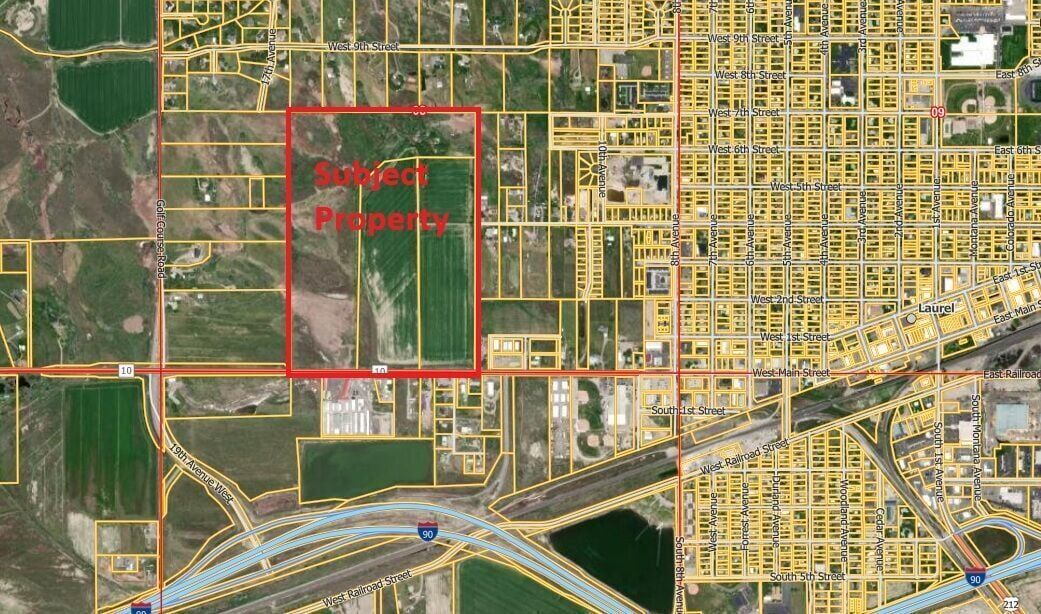
Most council meetings, which previously saw little community participation, have become packed with opposition around a buy-sell agreement for 114 acres west of Laurel announced in January.
“We want to remind you of your commitment to our constituents,” the letter signed by the whole of Laurel City Council stated. “Thus far, your promises appear to be misleading, if not complete falsehoods. It should be noted that your efforts have galvanized a grassroots effort comprised of concerned and educated citizens. They are digging into this issue and carefully evaluating your methods. They have raised countless legitimate concerns and have sought avenues for public comment and engagement, it would be wise to engage with these voters and make them a part of your process.”
The Billings Gazette reached out to DPHHS, BOI and the governor’s office for this story. BOI and the Governor’s office did not respond by press time.
DPPHS spokesperson Jon Ebelt said BOI and DPPHS have met twice with Laurel City Council “over the past two months.”
“We understand that the council is interested in hearing more about the proposed site for the forensic health facility, which will include state-of-the-art security for patients and the surrounding community,” Ebelt said “We will continue to keep the city council informed as we move forward.”
Ebelt pointed to two presentations that occurred on Jan. 20 and on Dec. 9 before council.
On Jan. 20, BOI Director Dan Villa called in to announce the buy-sell agreement and said he was looking forward to meeting with council in the coming weeks. His comments were roughly 90 seconds long, communicated through phone during public comment. On Dec. 9, 2025, DPHHS Director Brereton and Villa apologized for the state’s communications, and promised improvement.
“You can expect a different sort of state partnership that is grounded in transparency, is respectful of local processes and genuinely interested in the well-being of your community,” Brereton told council members over the phone.
The two directors' remote comments lasted for roughly six minutes during public participation at that meeting.
The council’s letter represents the strongest form of concern expressed by Laurel’s municipal government thus far. Some council members initially expressed hesitations with the facility back in a quiet city council workshop meeting in October before being advised by the city’s attorney Michele Braukmann to hold off on comments in relation to the project. Local legislators at the time supported the planned 32-bed forensic facility, with some since souring once the actual location was determined.
The council’s concerns followed a letter that Gov. Greg Gianforte wrote in September promising that the state would be more transparent. The letter came after a pause in the search for the site that the State Legislature has allocated more than $26 million for.
“In proceeding with this project, public participation should play a critical role as it moves forward,” Gianforte wrote. “Engaging the public will ensure that these decisions are made in the open, allowing Montanans to have a voice in how their hard-earned tax dollars are spent.”
Laurel City Administrator Kurt Markegard pointed out a potential site to the state during the summer on the basis of it having a for sale sign, he previously told the Gazette.
When the state was soliciting submissions Laurel was unable to apply, the administrator noted. City officials believed the state's process didn't follow public process laws. He was then asked by the Montana Board of Investments Director Dan Villa to submit a letter explaining that point.
The state then announced the selection of Laurel, catching the city off guard. The site initially eyed by the state ultimately proved too expensive.
The city's letter seeking engagement from the state said it was speaking to the state’s leaders as “public servant to public servant.” It described the last few months as “chaos” since the selection of Laurel, as they’ve tried to hear out their constituents.
Moving forward in the next few weeks, Laurel City Council will be deciding on a halt to annexing properties into the city. This would likely make it impossible to connect to city of Laurel utilities, like water and sewer. It was brought forth by the community as an emergency ordinance.
The public group organizing opposition around the mental health facility has also filed a recall petition for Laurel Mayor Dave Waggoner, who narrowly won reelection in 2025. Markegard said that Waggoner previously expressed openness to the idea of the mental health facility with its potential of providing jobs to Laurel. Still, the mayor had outstanding questions himself that were unanswered.
Approval of the petition will be determined by next week. The petition would require signatures from at least 840 residents or 20% of registered voters in Laurel as of the last election. The community currently has 4,219 registered voters, according to the Yellowstone County Election’s Office.
Council will discuss the annexation moratorium on March 17 and then vote on it the following week. One council member asked if it could be fast-tracked to next Tuesday for a vote. The city’s attorney pushed back on the suggestion.
“These are significant legal issues, and the council needs time to have a workshop to discuss these issues,” Braukmann said. "I also believe the public needs to give feedback on the staff recommendations made on this issue, as you have to date. And I will tell you, I personally have gone through every drop of the materials that the public has presented, and it's been very detailed and very well thought out. And I believe that there is a clear path forward, but I believe that requires participation from all council members to vote on this type of significant issue, as well as for the public to be able to give feedback.”


Comments ()