
Missoula judge sidelines new law that ‘interferes with students’ right to vote’
A Missoula judge recently stalled a new voting reform law from going into effect while the case between the state and a University of Montana-affiliated nonprofit unfolds, writing that the new statute “interferes with students’ right to vote.”
Roughly nine months after Montana Public Interest Research Group (MontPIRG) filed the case in Missoula County District Court, Judge Jason Marks granted the plaintiff’s request for a temporary injunction on the law, which tightened language surrounding what it means to be a temporary resident as it pertains to voting. The office for the defendant, Montana Secretary of State Christi Jacobsen, did not respond to request for comment.
To vote in the state of Montana, one must be a "resident" of Montana for at least 30 days. The law previously stated that an individual “may not gain a residence” if that person “comes in for temporary purposes.”
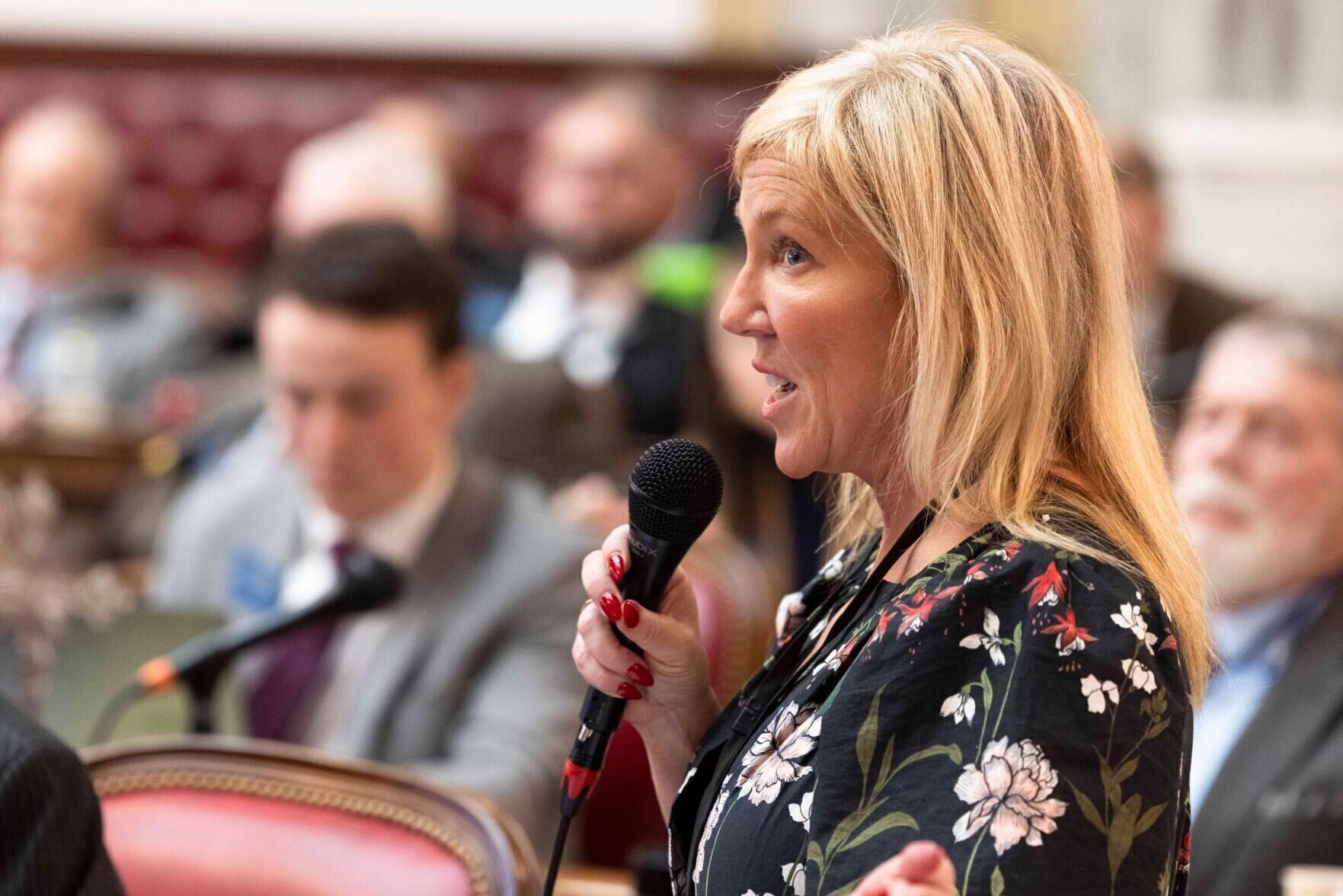
The new law came from Rep. Jane Gillette’s House Bill 413 from the 2025 legislative session. Gillette, a Three Forks Republican, has repeatedly said that the former version of the statute was unclear and vague, so her bill sought to further define “temporary purposes” by adding “temporary work, training, or an educational program, without the intention of making that county or the state the individual's permanent home at the conclusion of the temporary work, training, or educational program.”
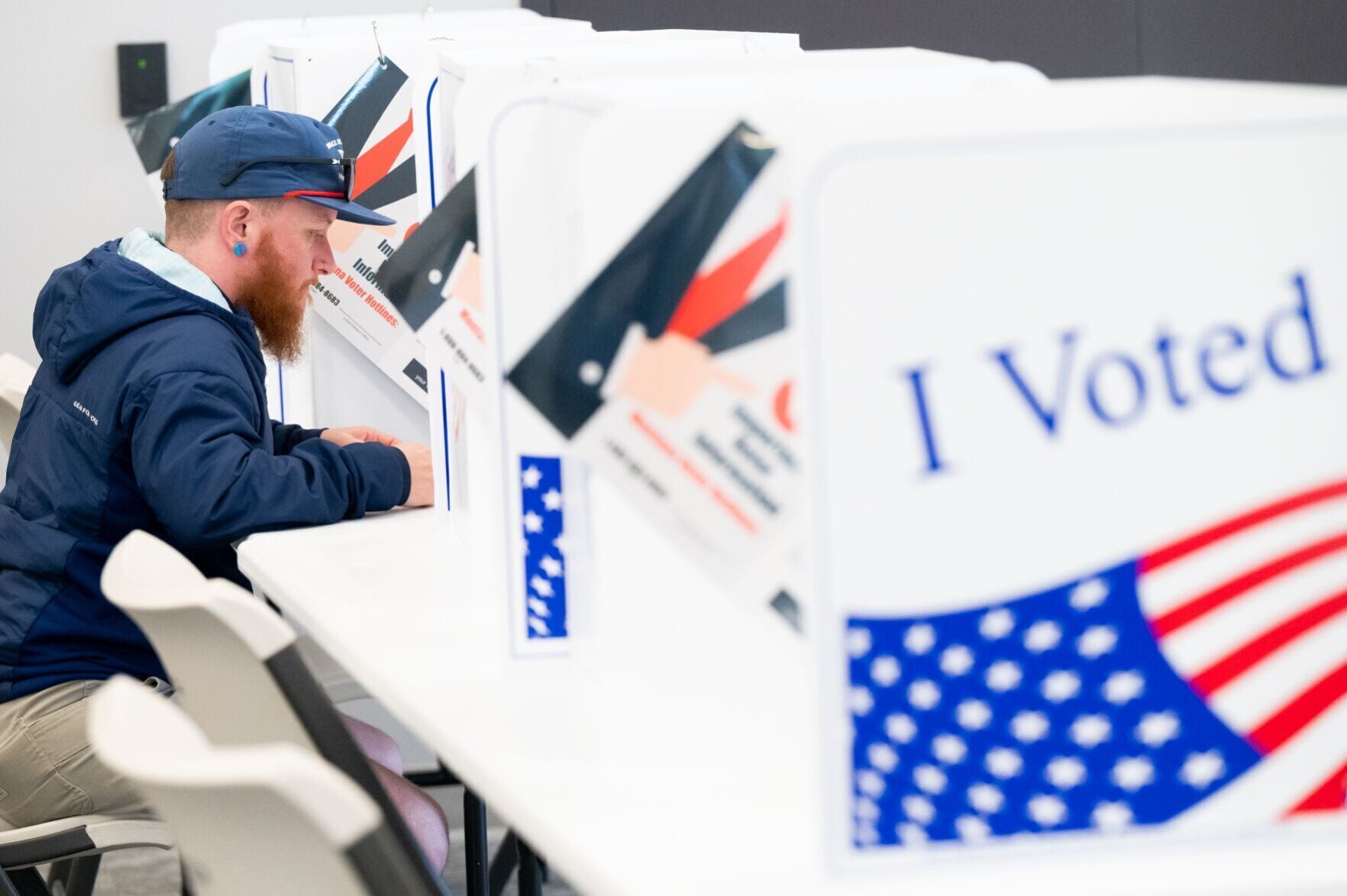
The majority of students who attend the state's universities do not grow up in the county where the school is located.
“Today’s ruling is a powerful victory for student voters across Montana,” Abha Khanna, one of the MontPIRG’s attorneys, wrote in a press release. “College students live, work, study, and pay taxes in their communities, and they have every right to vote in them. HB 413 is an unconstitutional attempt to silence young voters.”
MontPIRG has existed for roughly four decades and represents about 28,000 Montana students, according to an initial court filing. The group works to register young voters and encourages civic engagement.
In the lawsuit, attorneys for MontPIRG allege that this new language does not not have a clarifying effect, and instead confuses and could block students from voting in their college towns which they wrote violates the state and federal constitutions.
Marks sided with the plaintiff in his Feb. 13 order.
“[Defendants] all but concede that HB 413 is facially unconstitutional if it applies to postsecondary educational programs and students,” he wrote.
Gillette took issue with the judge’s ruling, saying he was using “mental gymnastics.”
“Our Montana Constitution requires that people vote in their domicile,” she wrote in a text message. “That a Missoula judge can go through the mental gymnastics required to reject our Constitution should give all Montanans pause.”
In a declaration with the court, University of Montana student Josephine Kleman said that she moved to Missoula in 2022 after living in Kentucky. Prior to HB 413 going into effect, she registered to vote at her Missoula residence and voted here in the 2024 general election. She concedes that she is not sure she will make Missoula her permanent home after graduation.
“Accordingly, under HB 413, [Kleman] is no longer eligible to gain residency in Montana,” Marks wrote in his order. “Importantly, she is now also unable to vote in Kentucky because she previously voted in Missoula and because she resides here.”
Attorneys for Jacobsen argued that MontPIRG’s evidence is insufficient because declarations — like this one from Kleman — are “self-serving confusion rather than documented disenfranchisement.”
Marks did not buy that argument.
“To establish ‘documented disenfranchisement’ in defendants eyes, students who do not intend to make Montana their permanent home after graduation would be required to attempt to register and vote, thereby opening themselves up to the threat of criminal prosecution for deceptive election practices and/or fraudulent registration,” he wrote.
The case will likely now proceed to additional arguments on the merits of the law. While granting a preliminary injunction is often a good indicator on how a judge will ultimately rule on the case, the defendant can always appeal the rulings to the state supreme court.


Comments ()