
Montana arts groups look ahead as federal funding holds
Arts funding from the federal government cleared Congress in late January, meaning the Montana Arts Council and Humanities Montana are set to receive the same amounts of money they did last year to help pay for programs around the state.
Appropriations bill House Resolution 6938 was signed by President Donald Trump on Jan 23. Among the funding for a wide range of agencies is $207 million each for the National Endowment for the Arts and the National Endowment for the Humanities.
“We think that this will translate into a continued, even budget through federal fiscal year 2027,” said Krys Holmes, executive director of the arts council, an agency of the Montana state government.
“Federal funding puts gas in the tank for Montana Shakespeare in the Parks so that they can go out to more communities and bring their amazing performances to Ekalaka and Sydney and Libby,” she said.
That would mean around $1.1 million for the council’s programs and grants, barring any sort of interventions like the Department of Government Efficiency sought throughout the federal government last year.
John Knight, interim executive director of the nonprofit Humanities Montana, said the organization is still recovering from the termination of its major grant last year, but he’s hopeful after seeing the bipartisan support for the bill. NEH funding helps fund its programs like the Montana poet laureate’s speaking series with community groups around the state.
“This is a poet laureate program that can happen in Circle, Montana, without the library needing to pay the honoraria and travel,” Knight said.
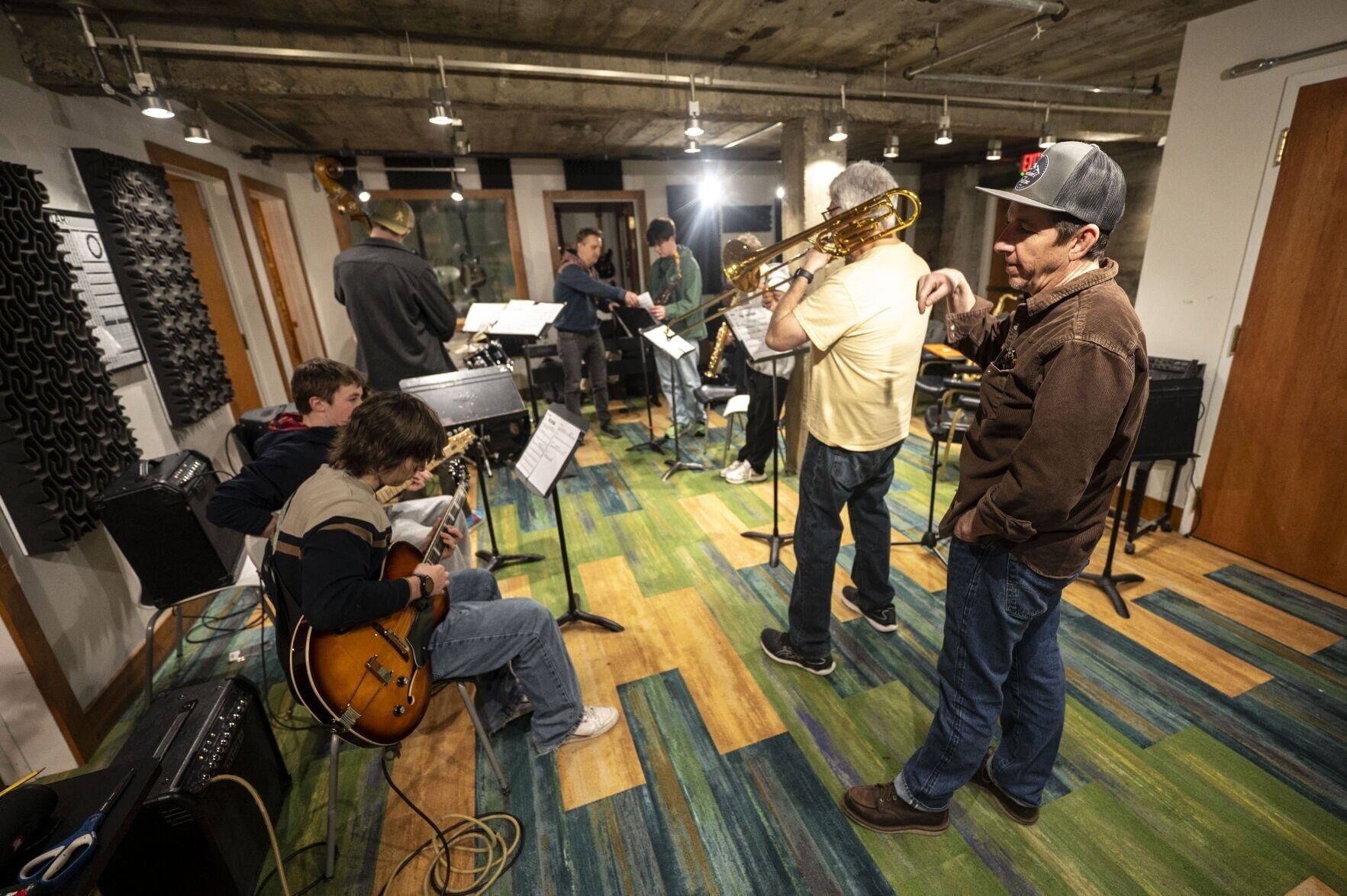
The NEA and the NEH, two independent federal agencies, disburse money to their state-level partners, which can in turn get used for local projects and grants. In states like Montana, which has a low population spread across a wide geographic area, they help fund programs in rural areas, small towns and schools that might not otherwise have access to arts and cultural experiences without driving long distances.
While the grants might not make up a large portion of a particular organization’s budget, it could translate into things like free entrance to art museums for students or extracurricular programs, Holmes said.
While there have been attempts in the past to cut the NEA and NEH, the on-the-ground programs are popular with voters. The Montana congressional delegation, Sens. Steve Daines and Tim Sheehy and Reps. Ryan Zinke and Troy Downing, all Republican, voted yes on the bill.
“I credit our congressional delegation with recognizing how important this federal support is to Montana, particularly because New York and Chicago and San Francisco don't need federal support to keep their little arts and culture organizations going anywhere near as much as our rural theaters and community theaters and art centers and art museums,” Holmes said.
Knight also said they’re “grateful to the congressional delegation for supporting this minibus that went through. We're excited to serve our constituents across the state.”
The two organizations are structured differently. The arts council, a state agency, receives money through the NEA as well as coal severance taxes collected for the state’s Cultural and Aesthetic Grants program. Humanities Montana is an independent nonprofit heavily reliant on NEH funding. In April 2025, DOGE rescinded the general operating grant that paid for most of its programs. They had to cut staff jobs and abruptly cancel programs like Montana Conversations and Speakers in the Schools. By June, 20% of the grant was restored and their programming continued, aided by efforts from small-town libraries and other groups that raised money privately to continue to pay speakers.
Moving forward, Knight said they’re focused on its ongoing programs and developing new ones. Grants, however, remain on pause. The new target areas are Montana literature and history, Indigenous knowledge and culture, and civics.
They’re launching a new bureau of speakers, who will visit schools, libraries, museums and more host organizations around the state. That program was relaunched with a partial grant from the Montana Historical Society and the Montana 250 Commission.
The 10 speakers include folks like Buck Hitswithastick (Bitterroot Salish), an expert in traditional Native tools; Mary Jane Bradbury, a living history presenter; and Rylee Sommers-Flanagan, who’s doing a roadshow on the Montana Constitution.
“Our job is to promote the public humanities and to provide programming opportunities to those libraries that might not have a budget to do that with their constituents. We want to bring communities together around shared conversations, different topics that are specific to their regions, to their interests,” he said.
While the organization is rebuilding, Knight said the infrastructure of the National Council on the Humanities and the network of local organizations is still intact.


Comments ()