
Montana blood drives steady as national shortage grows
Drives scheduled for Sidney in March
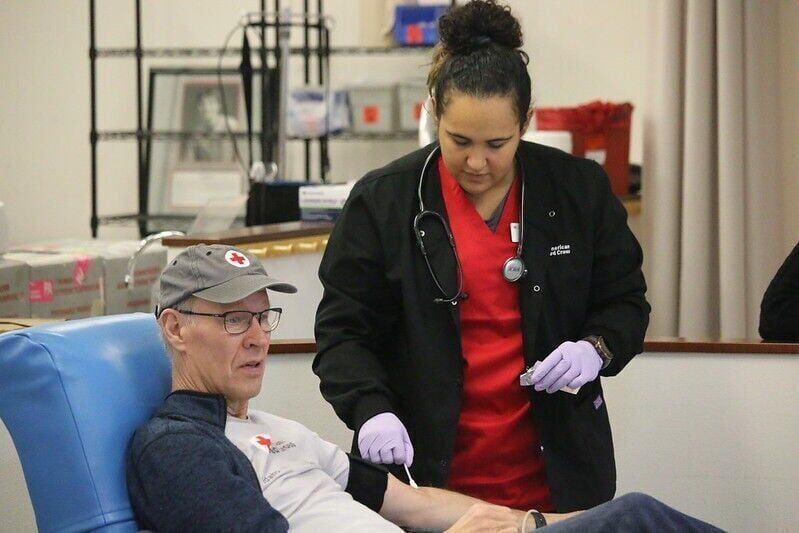
Severe weather and high illness rates have diminished the nation's blood supply by 35%, according to the American Red Cross.
"Nationally, we're seeing a severe blood shortage right now," said Matt Ochsner, regional communications director for the American Red Cross in Idaho, Montana, and eastern Oregon.
Recent severe winter weather, especially along the East Coast, has caused the cancellation of about 800 blood drives since Jan. 1, meaning that around 20,000 units went uncollected, "largely because of severe weather across the country," he said.
That trend isn't being seen in Montana, though, he said. While the winter here has been "relatively mild" in comparison to the East Coast, a severe flu season has kept some from donating locally.
Crediting the mild winter weather and the incredibly generous donors in Montana, Ochsner said the drives in the state have been successful.
"We help support Montana hospitals, but we also help our neighbors in other states," he said. "We continue to collect very well here. That's a testament to the generosity of Montanans."
The Red Cross provides 40% of the nation's blood supply. In Montana, donated blood stays within the state. As an organization, the Red Cross is prepared to send the blood where needed, Ochsner said.
Two drives are scheduled in Sidney on March 17 at St. Matthew's Parish Center and March 19 at Sidney Health Center. Drives are also scheduled March 18 at Culbertson Town Hall and Plentywood Lutheran Church.
"We have about 2,000 blood drives across Montana every year," Ochsner said. "It's a lot of blood drives and that's a pretty steady number for us."
Through partnerships with organizations, churches, libraries and schools, "we have a lot of opportunities in communities across the state" to hold blood drives, he added.
That number hasn't gone down too much, although the weather has caused "a couple" of drive cancellations before Christmas in northwestern Montana.
"Montana is a hearty bunch. We don't have to cancel many drives at all," Ochsner said.
As for the types of blood needed, Ochsner said that "all kinds" are accepted and appreciated. "We appreciate any donor that comes through the door."
He added there is "always an extra need" for O negative blood, a universal blood type that is used in emergency rooms "when they don't have time to blood-type a patient."
"All blood is in need right now — and very, very much appreciated," Ochsner said.
With the American Red Cross app, donors can not only learn where nearby blood drives are and schedule appointments, they will also receive notifications when their blood donation is put to use.
"That's always a good feeling when you know that your blood has arrived at a hospital or medical center, either in Montana or somewhere across the country," Ochsner said. "It always puts a smile on my face when a couple of weeks after I donate, I get that notification that my donation has arrived at a hospital."
Ochsner added that anyone who donates blood in March will receive a free A1C test, which measures average blood sugar levels. This testing helps identify if a person has diabetes or prediabetes.
"We test your blood after the donation and then we'll let you know one to two weeks after you donate whether you tested positive for potential diabetes or prediabetes," he said. "That's information you can then use to take to your doctor."
For more information on drives, visit redcrossblood.org.


Comments ()