
Montana DOJ highlights elder financial exploitation
Susan Bivins, a retired nurse and Anaconda resident, spent weeks convinced she was talking to a federal agent.
Originally from California, Bivins moved to Montana in 2015 to be closer to her son and his growing family. She bought a house in Anaconda and was enjoying life in retirement. In 2022, she got a call from a person claiming to be with Amazon. Someone had recently made fraudulent purchases at the online retailer from Bivin’s bank account, so she wasn’t shocked to hear that an Amazon representative was getting in touch with her.
That rep transferred Bivin to someone claiming to be with the Federal Trade Commission, who transferred Bivin to someone claiming to be an agent with the Drug Enforcement Administration. The fake agent, calling himself Randall Jenkins, told Bivins she was a suspect in a money laundering investigation.
Over the next several weeks, the bogus agent hounded Bivins with calls warning her that if she didn’t cooperate with him, he’d file a warrant for her arrest. His rhetoric eventually softened, and he convinced Bivins to sink her savings and retirement fund into what he said was a secure account with the U.S. Treasury Department. Bivins transferred the funds via cash cards at Walmart and wire transfers. Despite the volume of transfers surpassing $240,000, nobody from her bank nor Walmart intervened, she said.
Although state investigators eventually tracked the transfers to California, Bivin’s money was gone for good.
“I really thought I was dealing with a federal agent,” Bivins said before a packed conference room Tuesday. “I was terrified, really worried that I was going to be arrested.”
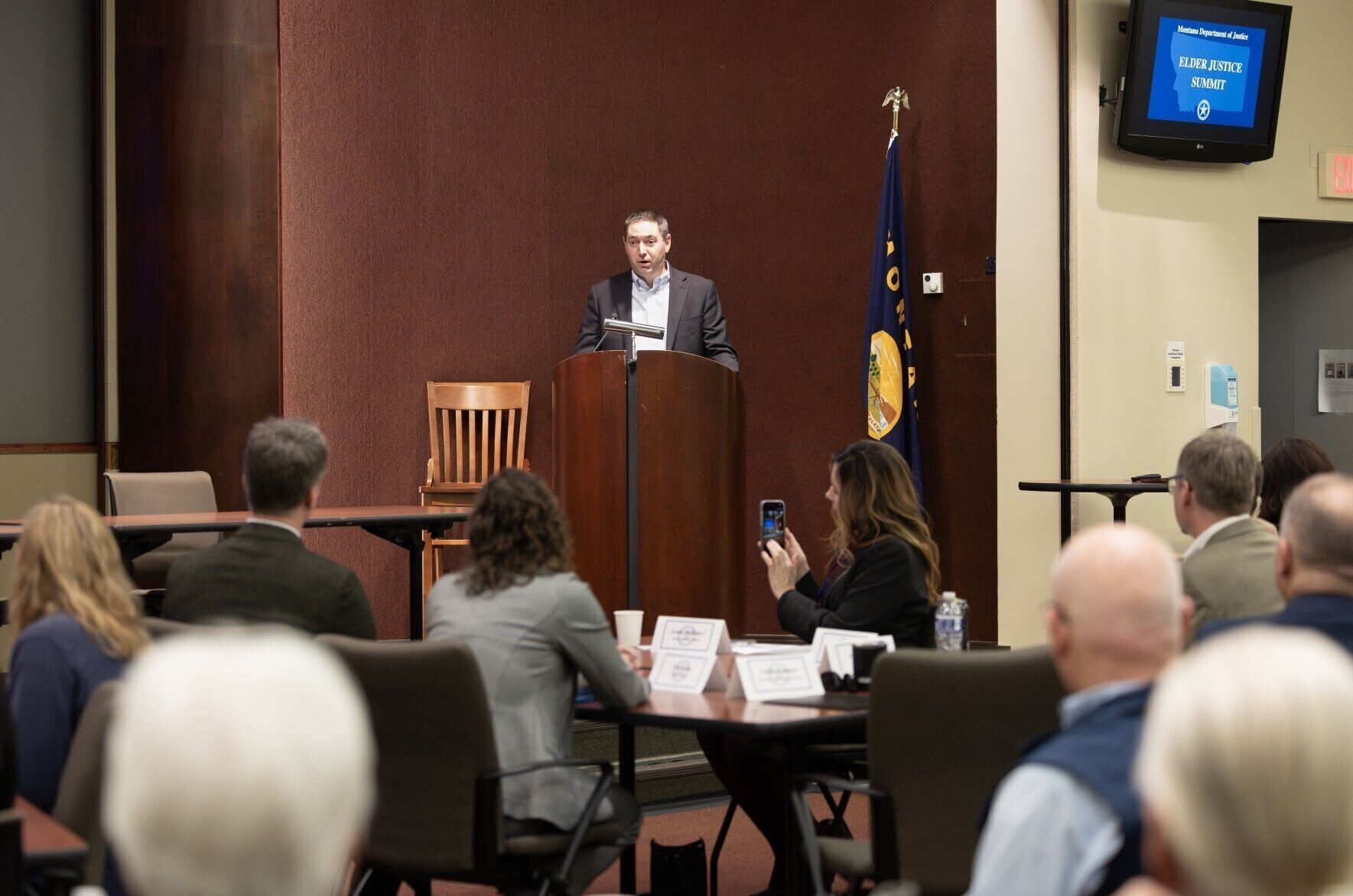
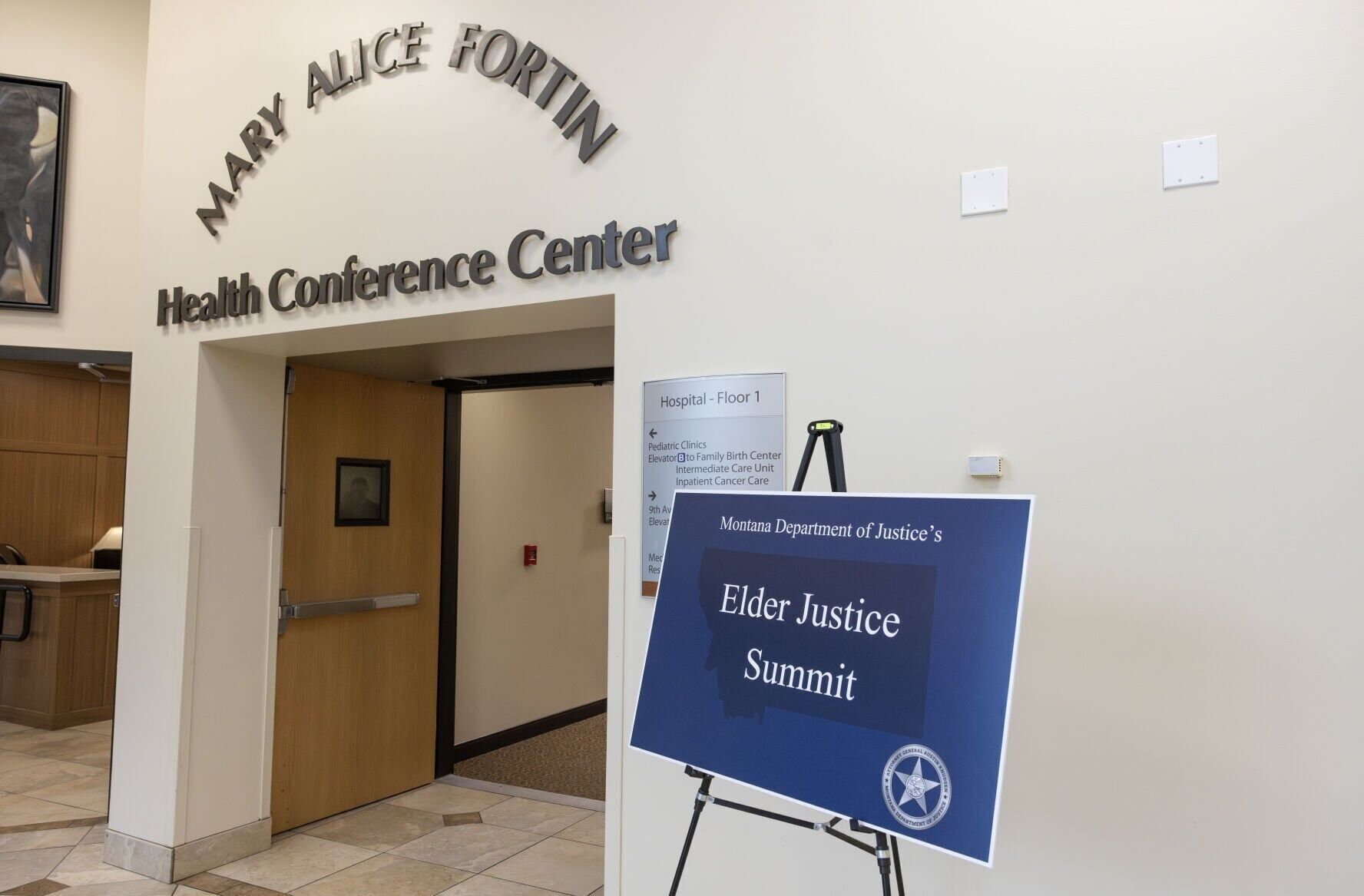
Bivins is one of a swelling number of retirees who have lost their life savings to fraudsters, with the FBI confirming over $2 billion in losses for older Americans to financial scams last year. Bivins joined other advocates, prosecutors and law enforcement agents at a conference Tuesday at Billings Clinic, all of them sharing their insights into combating elder exploitation in Montana. The Montana Department of Justice hosted the conference.
Montana has one of the highest rates of those ages 65 and older in the country, according to data from the U.S. Census Bureau, with roughly one in five residents being elderly. Last year, older adults living in the state outnumbered children, and that population is only going to increase through the end of the decade, per analytics submitted to the State Legislature.
Coinciding with that increase in the state’s elderly population have been cases of abuse targeting them. Reports of elderly abuse, including financial exploitation, submitted to Adult Protective Services in Montana have surged, going from 4,900 victims in 2021 to over 14,000 cases in 2024, according to the state’s Department of Public Health and Human Services. About a fifth of all cases submitted to APS in 2024 involved financial exploitation.
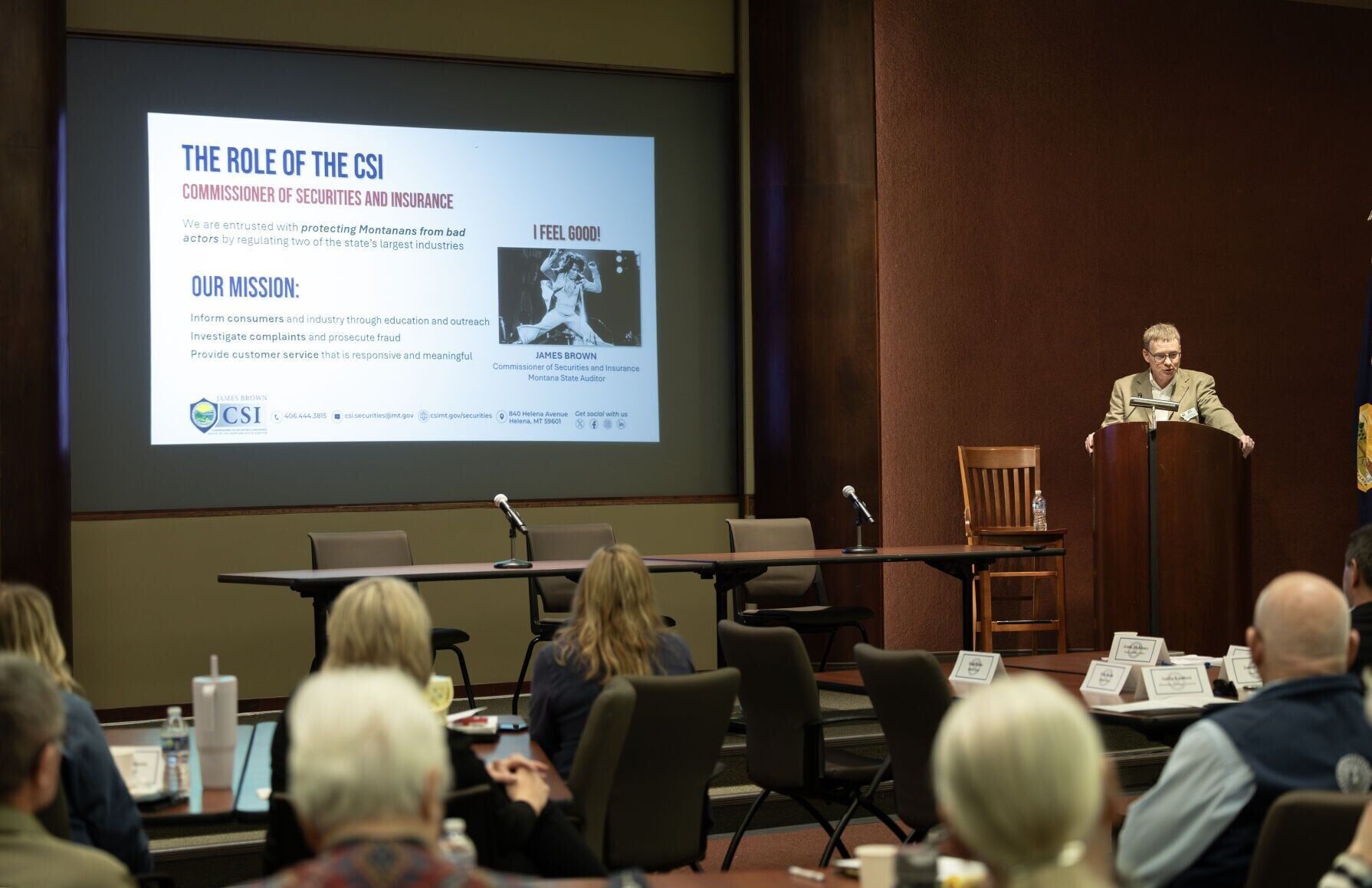
“Elder abuse is not just a niche problem,” said Montana State Auditor James Brown at Tuesday’s presentation. “It is a growing public safety, public health and human rights problem.”
Brown, who took office last year, highlighted that investment losses for Montanans to fraud in 2024 eclipsed $11 million. Cryptocurrency scams and generative AI have emerged as the catalysts for the uptick in financial losses statewide and nationally. With crypto, the most common scheme has been for cons to contact a victim online portraying themselves as an expert in cryptocurrencies and other digital assets. Scammers then convince victims to visit Bitcoin ATMs and transfer their funds to them as an investment, only to pocket the funds. Such scams cost Montanans about $2 million last year, the Gazette previously reported.
Through generative AI, Brown said, fraudsters can create simulated voices in phone calls when contacting victims, imitating financial advisors, law enforcement or even family members.
Nationwide, over 1 million seniors across the U.S. lost nearly $2.4 billion to financial scams, according to a report from the U.S. Department of Justice. The majority of those losses were due to investment fraud. Of the roughly 600 people criminally charged in connection to those losses, about a third were operating outside of the United States.
To combat elder financial exploitation in Montana, State Attorney General Austin Knudsen said in the past five years his office has hired a full-time investigator and prosecutor who make up the DOJ's Elder Justice Unit. Earlier this month, a woman received a 10-year deferred sentenced and was ordered to pay $101,171 in restitution for bilking her mother and stepfather. The sentencing followed an investigation and prosecution spearheaded by the Elder Justice Unit, which is currently overseeing a dozen active cases.
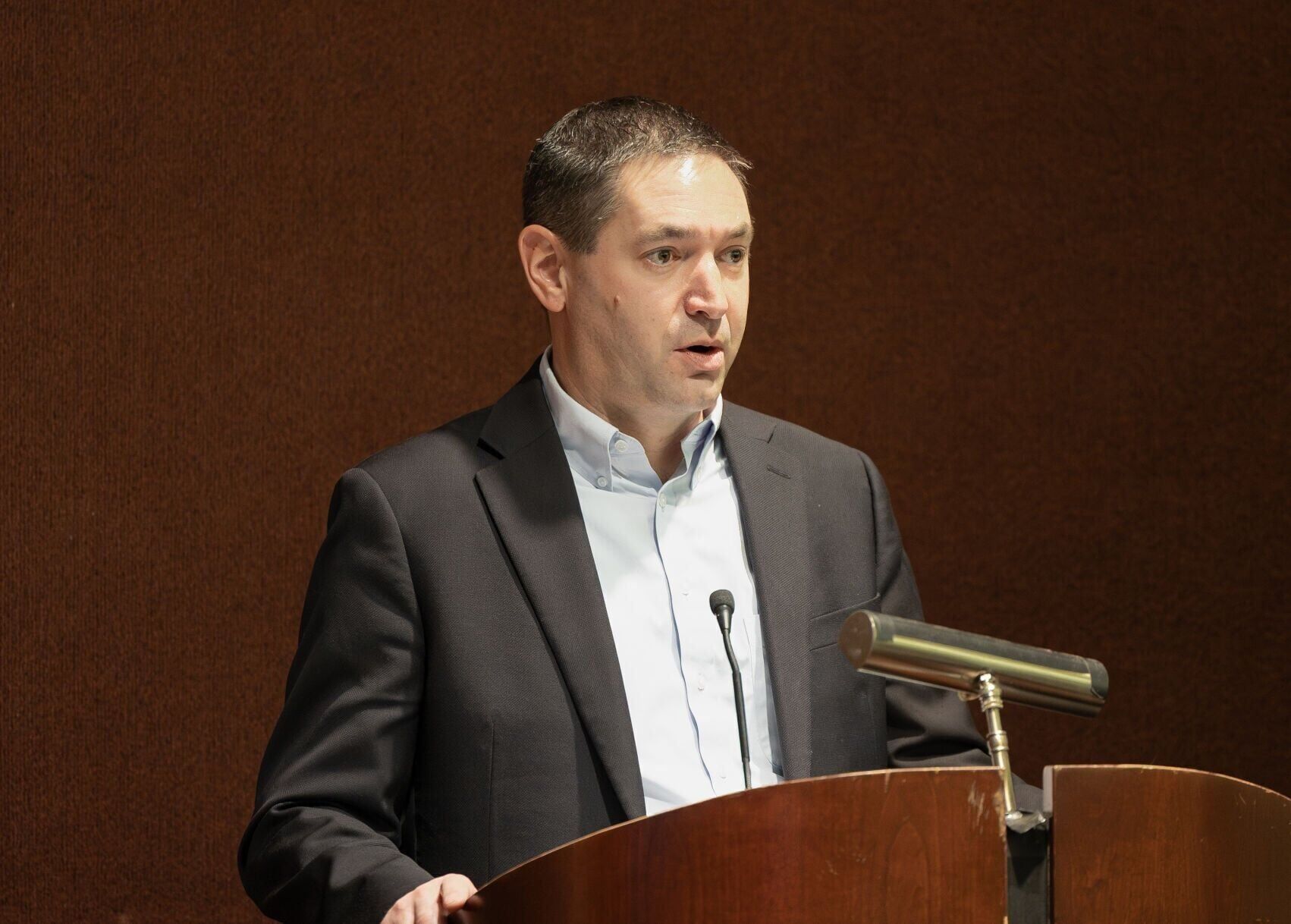
“They travel around the state and help county attorneys and help local jurisdictions with these cases,” Knudsen said in Tuesday's presentation. “A lot of times your local sheriff’s office or local police department, these cases aren’t high priority, compared to drugs and violent crime. And that’s not a shot at them, that’s just what we’re dealing with in Montana.”
In terms of holding foreign fraudsters accountable, Knudsen said, the options for his office are limited. In general, he said, the best tool for fighting financial exploitation of older Montanans is education. He also encouraged anyone targeted for financial crimes to report the matter to his office.
“I think there’s a stigma around it, there’s probably a lot of victims who don’t want to report because of shame,” he said, “but it’s very helpful for us to hear what a new scam might look like. Because very often, it’s something that we haven’t seen yet.”
Bivins, now an advocate against elderly exploitation, did eventually receive some compensation for her losses through a reimbursement program at the state auditor's office. Montana is one of only a handful of states with a program that offers compensation to those with no way recouping their losses.
“Don’t think it can’t happen to you,” she said.





Comments ()