
Montana enters 100 deadliest days as motorcycle traffic grows
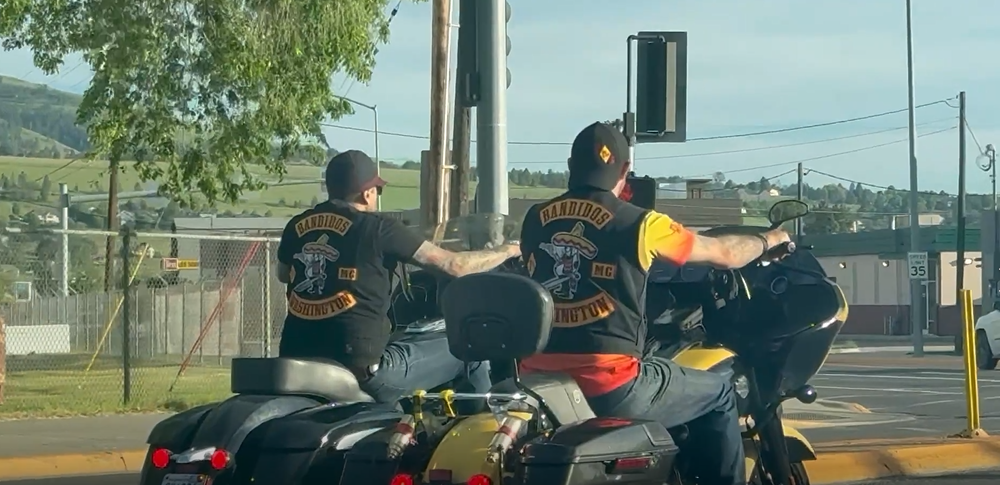
MONTANA — Montana entered what the Montana Highway Patrol called the “100 deadliest days of summer,” a stretch from Memorial Day to Labor Day when fatal crashes rise across the state.
The focus on road safety came after a viewer asked about motorcycle safety as the summer season began. Troopers, riders and safety instructors said heavier travel across Montana highways can bring more risk for everyone on the road.
Law enforcement said the next 100 days are among the most dangerous of the year as tourists, campers and motorcycle riders move across the state. Montana Highway Patrol reported that impaired driving, speeding, distracted driving and not wearing seat belts remained major factors in deadly crashes statewide.
Troopers said motorcycle riders can face more severe injuries because they do not have the same protection as someone inside a vehicle.
“Oftentimes with motorcycle crashes, you're faced with more serious injuries because they don't have the car around them that can help protect them. Most motorcycle crashes end up being more serious crashes because if you crash at any speed, you're generally going to hit the ground,” Col. Kurt Sager said.
Sager explained that Montana’s scenic highways and mountain roads draw riders from across the country in summer. He said unfamiliar roads, wildlife and distracted drivers can quickly create dangerous situations.
Riders said a common problem is that drivers do not notice motorcycles around them. They also pointed to intersections and blind spots as major danger areas, especially when drivers are distracted or trying to move through traffic quickly.
“If the sun’s out, there’s motorcycles out, right? So look around, pay attention. Riders do the same thing. Be aware of what drivers are doing. Anticipate their moves. But if everybody just concentrates on what they’re doing and puts the cell phone away, everybody ought to get home safe,” Rich Wilder said. “When I'm on my bike, you have to ride like everybody on the road is a hired assassin trying to kill you, right? And if you do that, then then you're paying attention to what's going on around you. If you zone out and you're not paying attention, it's a good way to go,” he said.
Motorcycle safety instructors said many newer riders do not realize how fast road conditions can change in Montana. They said gravel left after winter and wildlife crossing mountain passes can quickly create hazards, making defensive riding especially important.
“You need to be searching for roadway hazards, other road users and escape paths. Then you evaluate what you're seeing and formulate a plan. And then you execute that plan. That's one way we train our students on how to take curves,” Casey Redder said.
Both riders and law enforcement said safety depends on drivers and riders paying attention. Drivers were urged to check blind spots and stay off their phones, while riders were encouraged to wear protective gear and take certified safety courses before heading out.
“Oftentimes, you know, motorcycles, I think, get missed where people don't see them because they're focusing on something else other than than their surroundings,” Sager said.
Montana Highway Patrol said the message going into the summer months was to slow down, stay alert and never drive impaired. Riders also warned that assuming drivers can always see a motorcycle can be a dangerous mistake.



Comments ()