
Montana expected to lose $114M from Trump budget bill. How will lawmakers close the gap?
After years in which Montana’s bank account was awash with extra cash that enabled lawmakers to dole out funds more freely, new projections show the state will soon be spending more than it’s earning, a shift that’s already teeing up tense budget negotiations a year out from the next legislative session.
When the 2025 Legislature closed, lawmakers had passed and Republican Gov. Greg Gianforte then signed a $16.5 billion two-year budget that had revenues outpacing expenditures, although by a slimmer margin than a faction of conservative Republicans would have liked.
But changes to income tax policy tucked into the Trump administration’s "big, beautiful bill" are projected to take a chunk out of the state’s projected revenue starting July 1, the kickoff of the next fiscal year, and thrust one measure of the state’s budget into the red by about $36 million.
Some Republican lawmakers blame spending run amok for the shortfall, and they’re saying significant budget cuts are in order for the coming session. Democrats counter that there are other routes that would avoid slashing programs, such as opposing the governor’s flat income tax proposal.
House Bill 2 is the legislation that allocates a mix of state and federal dollars to fund the government and its programs. It includes ongoing spending as well as one-time-only expenditures that, together, account for the state’s operating budget.
Pandemic relief funds and higher-than-anticipated tax revenues have padded the state’s pocketbook for the last three legislative sessions. Lawmakers have used the financial windfall to create large pots of money set aside in special accounts for pre-determined purposes, a tactic that earned the ire of hardline Republicans and moved hundreds of millions out of the operating budget.
With the passage of H.R.1, otherwise known as the "big, beautiful bill," the state is expected to lose $114 million in tax revenue it had planned on having next fiscal year. Montana law automatically applies any changes to income tax at the federal level to the state code.
Legislators by law must pass a budget that keeps a certain amount in the bank, a number called the ending fund balance. The latest projections from the Legislative Fiscal Division put next year’s at $362 million, which clears the legal threshold.
A different metric called structural balance looks at the state’s ongoing expenditures relative to its ongoing revenues, and there, the budget is on shakier ground once the H.R.1 provisions roll out, overspending by an estimated $36 million next fiscal year and $250 million two years after.
Nick VanBrown from the Legislative Fiscal Division told lawmakers in December that it’s possible to backfill the structural imbalance for a certain period but “if you continue to have that you will eat away at your ending fund balance and eventually have a problem.”
During every Legislature, the budget becomes a proxy for ideological fissures that play out in the bill’s fine print. That appears likely to be the case again as Democrats and Republicans, each with their philosophical factions, begin to float talking points for how to remedy the shortfall.
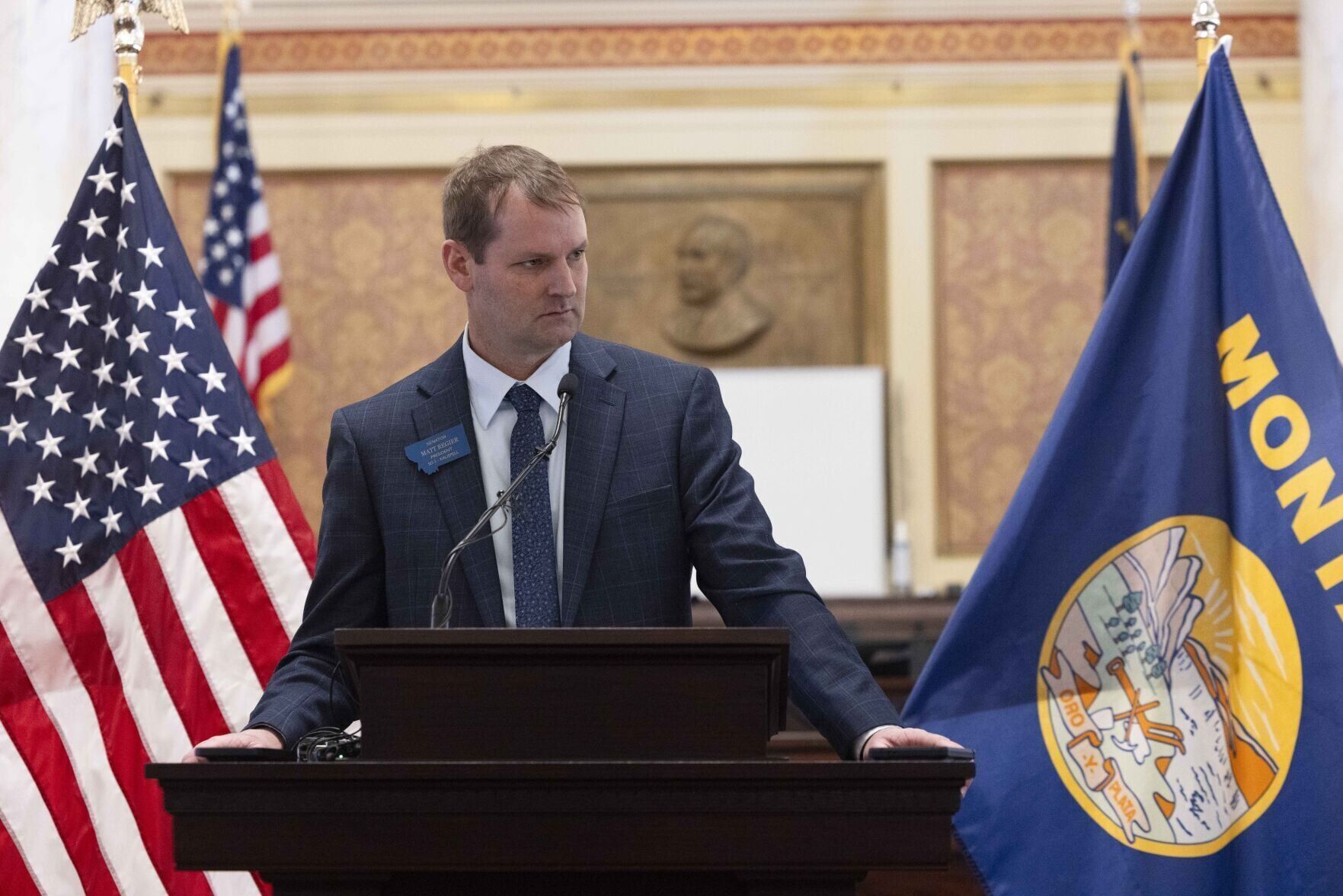
Senate President Rep. Matt Regier called the Legislature’s spending habits during his tenure in Helena “death by a thousand cuts,” saying the budget is riddled with line items that simply aren’t the government’s job.
“We haven’t been serious at all about looking at where every dollar is going in state government and does it need to keep going there,” he said.
Regier, who falls into the party’s far-right flank, took aim during the last Legislature at moderate members of his own caucus who joined with Democrats to pass the budget. But the two factions have since found common ground over at least one idea: a flat income tax.
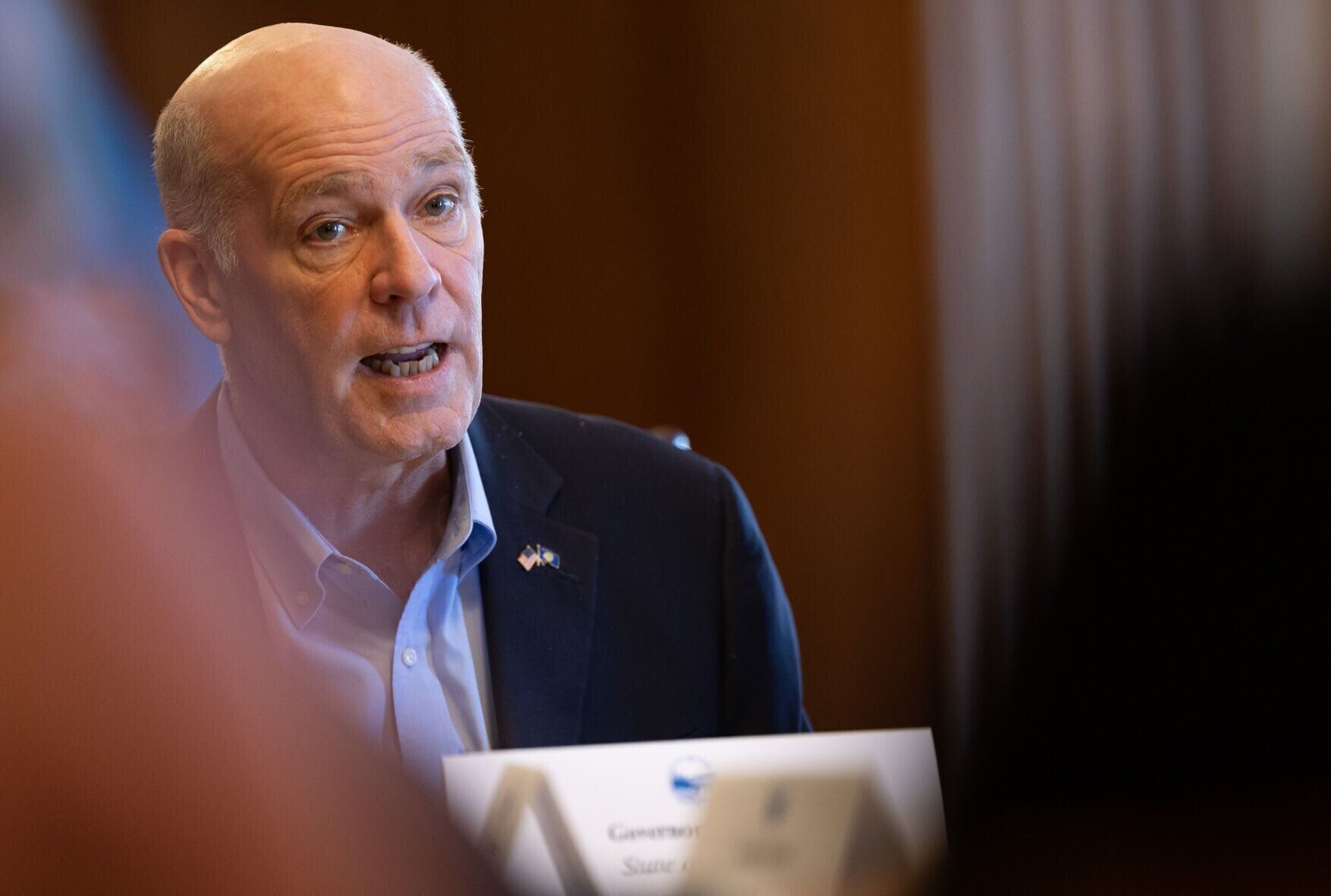
Gianforte has overseen income tax reductions in each legislative session since he took office in 2021, and he wants the Legislature to pass a bill to drop every individual taxpayer down to a 4.7% income rate next legislative session.
“The reality is, even after our historic tax cuts, we still have the highest income tax rate in the region,” Gianforte said at an event in Helena on Tuesday. “Across the country, states are cutting their income tax rates. To stay competitive, we must do the same.”
Imposing a flat income tax would further reduce the amount of revenue collected by the state, and put more pressure on the budget.
Sen. Josh Kassmier, a Republican from Fort Benton and a key vote in stewarding last session’s budget through the upper chamber, supports the idea, and thinks there’s a way to curb spending without having to slash key social programs. He also rejects the criticism that the budget he helped to pass was irresponsible.
“They’re going after soundbites,” Kassmier said. “We didn’t overspend in the 2025 session.”
Democrats are already starting to line up in opposition to the governor's income tax proposal on the grounds that slashing revenue when the budget is already tight should be a last resort.
“I think it would be imprudent for us to consider another income tax reduction,” said Rep. Mark Thane, a Missoula Democrat. “To cut revenue at a time when we are facing a structural imbalance does not make good fiscal sense to me.”
Thane said he’d rather see legislation that decouples Montana’s income tax policy from the federal changes which would save money in the near-term. He also believes there are ways to tap some of the funds that had been previously set aside and filled with surplus dollars to close the gap between ongoing revenues and expenditures.
“As opposed to immediately heading into the session thinking it’s a cut session, I think we need to focus on the revenue side,” he said.


Comments ()