
Montana Senate advances bill to define 'sex' as binary, despite past legal challenges
Only weeks after a Missoula district court judge ruled a Montana law defining sex as binary was unconstitutional, the Senate passed a bill Thursday that seeks to do the same thing.
Senate Bill 437 takes another stab at writing into state law that there are only two sexes: male and female. As the bill is written, reproductive systems determine sex, regardless of anomalies that prohibit the typical function of a person's sexual anatomy.
It passed the Senate 31-18 with all but one Republican, Sen. Bruce "Butch" Gillespie of Ethridge, voting in support.
The proposal would also codify the meaning of “gender identity” as subjective, not to be used as a synonym for sex.
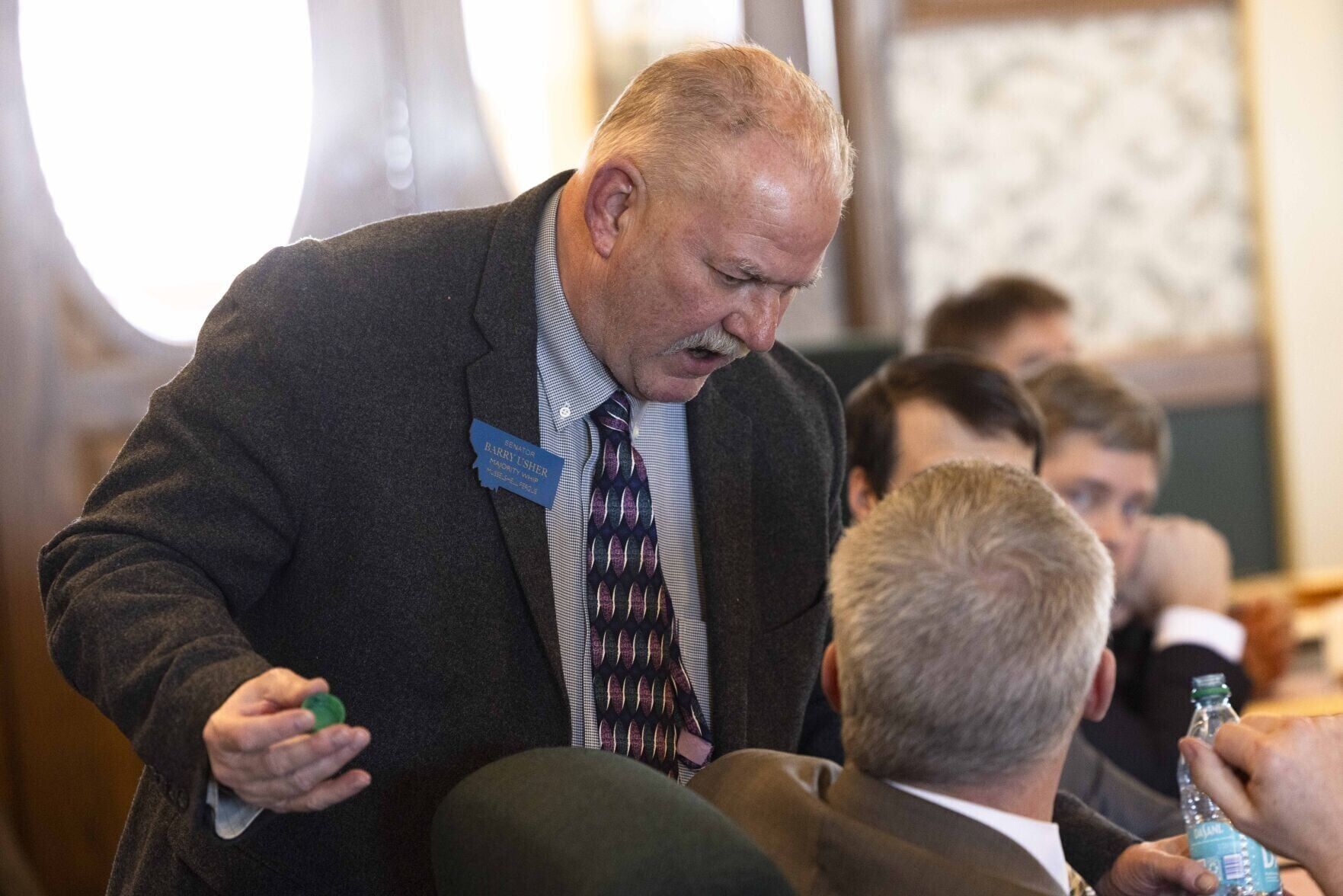
“This bill is only defining sex, which is a biological thing,” said Sen. Barry Usher, R-Yellowstone County. “Gender is a socially manufactured phenomenon. Gender is how people feel. Not biological, not medical.”
Sponsor Sen. Carl Glimm, R-Kila, who carried last session’s bill that’s since been struck down, likened sex definitions to gallons of gas. When you drive a car, gas stations all use the same measurement so that you know what you’re getting, he said.
Definitions for sex are necessary for the same reasons, according to Glimm. Clarity for government agencies that provide vital services is paramount, and lawmakers can’t be expected to create laws regulating industry or protecting rights if they don’t know who they impact.
“You can’t treat a woman for testicular cancer,” Glimm said. “You can’t admit a man to labor and delivery.”
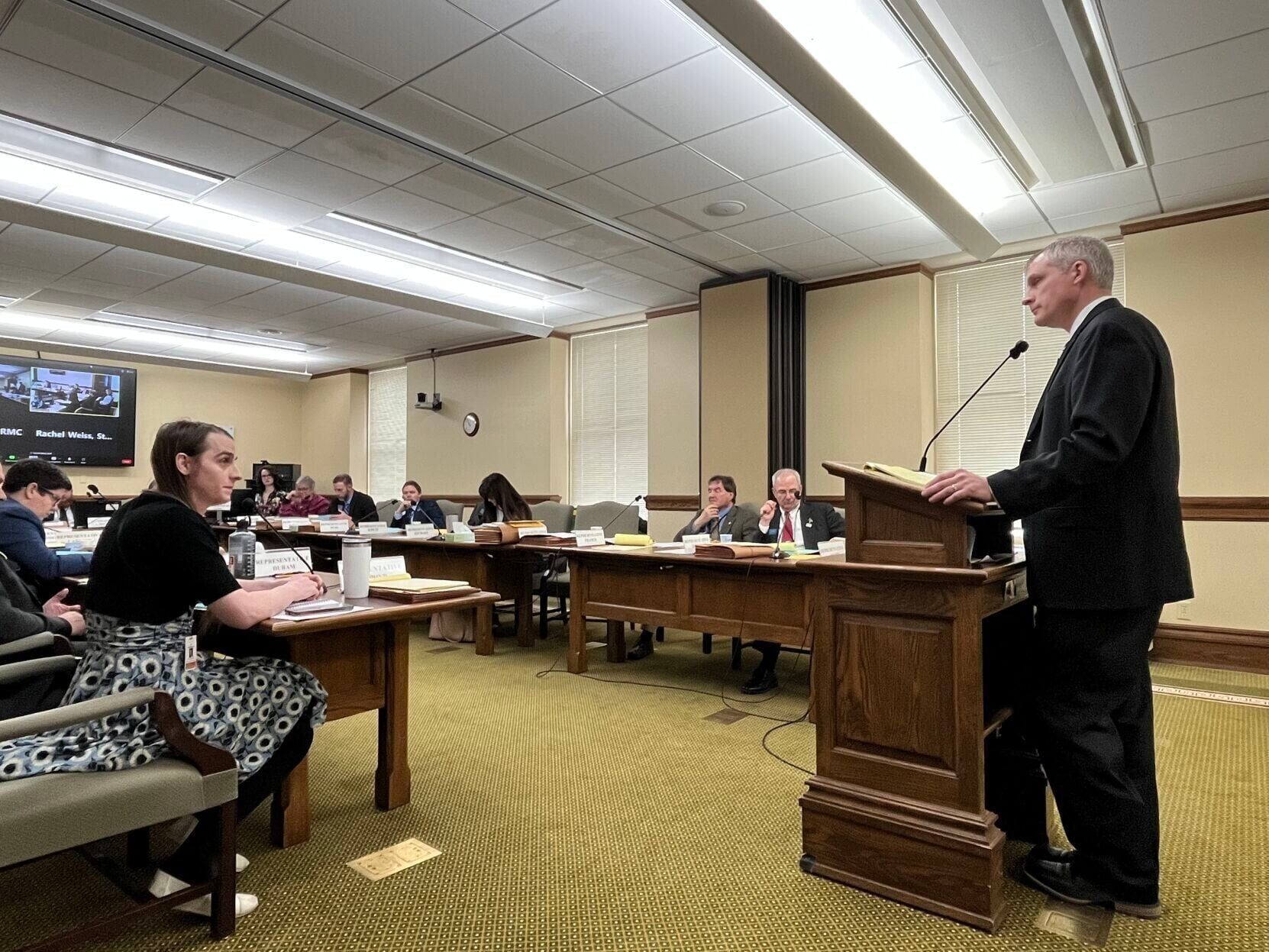
During Senate floor debate and the bill's Senate Judiciary Committee hearing last week, opponents cited many of the same concerns they raised during the 2023 debate on Glimm's SB 458.
Judge permanently blocks 2023 Montana law that defined sex as binary
They said SB 437 would deny trans people the right to identify themselves on official documents in a way that aligns with their gender identity and cost taxpayers boatloads of money on legal challenges similar to those filed against the 2023 version. Others called it a cruel way of marginalizing LGBTQ+ people.
When asked if potential legal costs deterred him from bringing the bill, Glimm said, “Having accurate and factual definitions is important to our state and good government.”
“If that’s what we have to do then I think it’s worth it,” he said.
Supporters include conservative organizations with a national footprint like the Heritage Foundation and the Alliance Defending Freedom.
Jay Richards, a research fellow at the Heritage Foundation, a conservative think tank based in Washington D.C., said it's important to "nail down what we are talking about in state definition" whenever sex is referenced in statute because there's really no biological test for all the genders people might choose.
As this year’s SB 437 was being drafted, the decision from District Judge Leslie Halligan came down, declaring the bill unconstitutional on the grounds that it constituted discrimination.
"In essence, the Legislature seeks to permit discrimination against a person whose sex does not align with their gender identity, believing it to be legally distinct from discrimination directed at a person on the basis of sex," the judge wrote.
The Missoula District Court’s ruling was one of two decisions against the 2023 law, the first having to do with title ambiguity.
Though Halligan noted in her decision that the original version of SB 437 was “remarkably similar” to 2023’s attempt at defining sex, Glimm said he added an amendment which he believes adequately addresses the legal questions.
First presented to senators on the floor rather than in committee due to a procedural deadline, the amendment substantially modified the sex definitions to remove mention of chromosomes.
The amendment created definitions for “man,” “woman,” “father” and “mother.” Additionally, it clarified that the use of gender used alone refers to “male, female or the natural differences” between the two.
ACLU Montana’s legal director expressed skepticism about the retooled bill’s chances.
“Just a few months ago, the Montana courts struck down a virtually identical law because it violated multiple provisions of the Montana Constitution,” Rate said. “The definition of extremism is trying the same thing over again and expecting a different result. Montanans deserve better.”
SB 437 will move to the House after legislators return from the transmittal break.


Comments ()