
Montana’s highly-anticipated property tax reforms are in effect. Are the new laws working?
Nearly two years after Gov. Greg Gianforte gathered a roundtable of experts in the state capitol to tamp down high property taxes, the resulting reforms appear to be working as intended, at least for the majority of Montanans.
According to preliminary data from the Department of Revenue, 8 in 10 residences saw a decrease of more than 5% in their property tax bill from 2024 to 2025. Under the old laws, only about 1 in 10 — roughly 13% — would have seen that level of reduction, according to the data. The average savings for homeowners who got a tax cut was more than $500 or more than $900 for those who claimed the $400 rebate, Gianforte’s office said.
“For years, Montanans have said property taxes are too high, and they’re right,” Gianforte said in a statement. “Our focus has been securing meaningful, long-term property tax relief for Montanans in the place they call home, and we’ve delivered. The data make it clear that these reforms are a win for Montana homeowners.”
Over the past few years, residents started to shoulder the majority of the statewide property tax burden, and in 2023 homeowners saw an eye-popping 21% average increase in property tax bills. These spikes forced many Montanans to pay thousands more on their property tax bills compared to years past. In response, lawmakers on both sides of the aisle passed sea-changing property tax reform during the 2025 legislative session.
Roughly 10% saw little to no change in their property tax bill, while 10% were hit with higher taxes.
"When I look in the mirror I am OK with what happened," said Conrad Republican Rep. Llew Jones, who was the architect of these new laws. "Most of your average folks are recognizing they got a break, and I know that’s true."
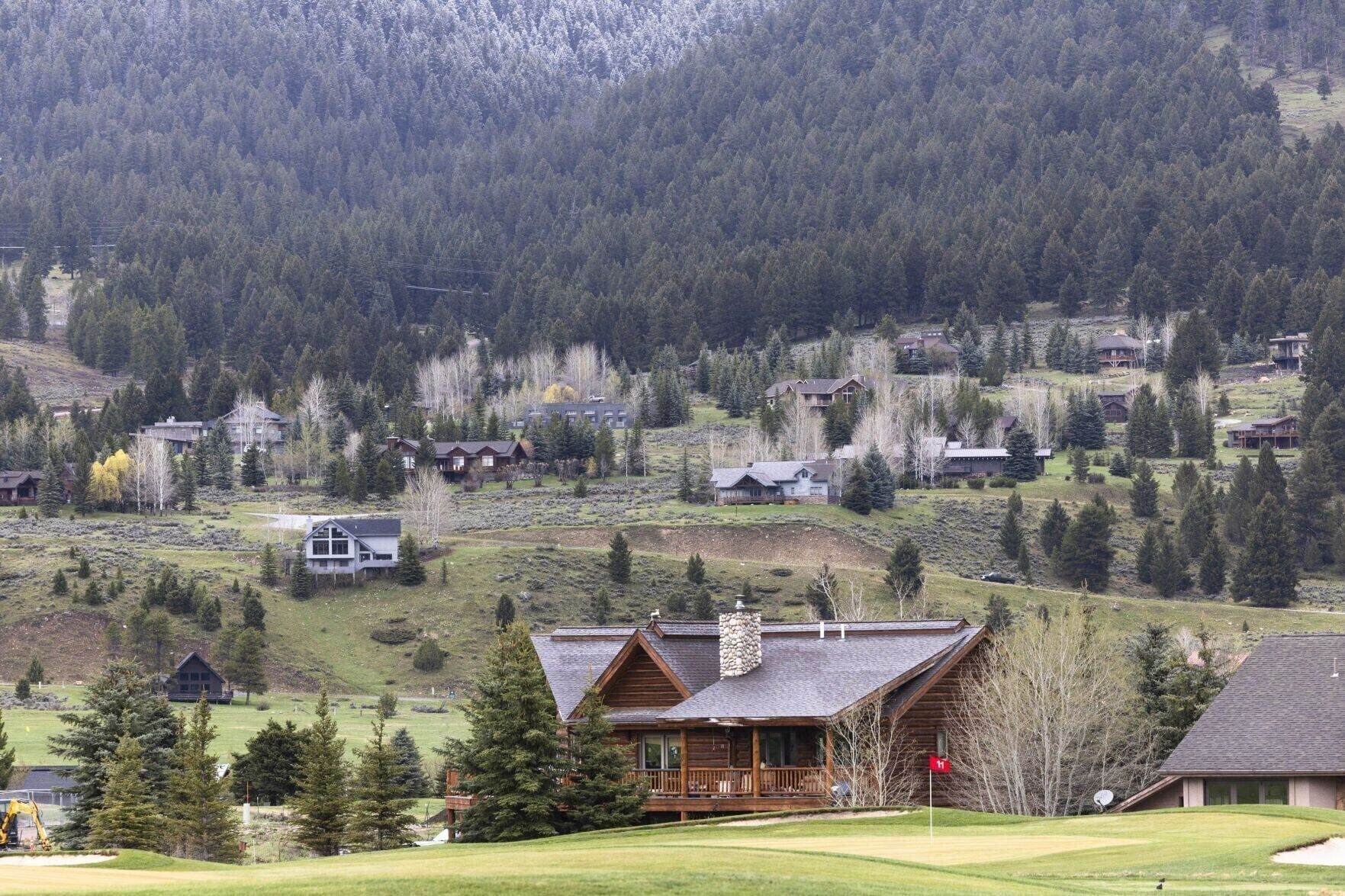
But because of how Montana’s property tax system works, if some homeowners pay less, others — like an energy company or other homeowners — pay more. In this case, owners of higher-value homes are among those picking up the difference. That group includes wealthy residents who may be able to absorb increases, but not everyone living in an expensive home can manage the higher bills.
Robert Kuhlman, 89, owns a lakefront home where he planned to spend his final years. Now he and his wife are being priced out of their home by their most recent property tax bill.
He said he purchased the land in 1990 for $85,000, and built the home with his sons in 1997 where the couple has lived ever since. From 2024 to 2025, his property tax bill rose 78% from $5,969 to $10,665, according to county records. A decade ago, the Kuhlman’s bill was $4,876.
Like many elderly homeowners, Kuhlman is on a fixed income, relying on his social security and a “very small pension.”
In a phone interview with the Montana State News Bureau, he said he and his wife are planning to put the house on the market because that new property tax bill is untenable for them.
“It's a difficult situation, especially for me at my age,” Kuhlman said.
The new laws were a product of extensive negotiations and political might of some Democrats and moderate GOP lawmakers last session, while hardline Republicans consistently opposed them.
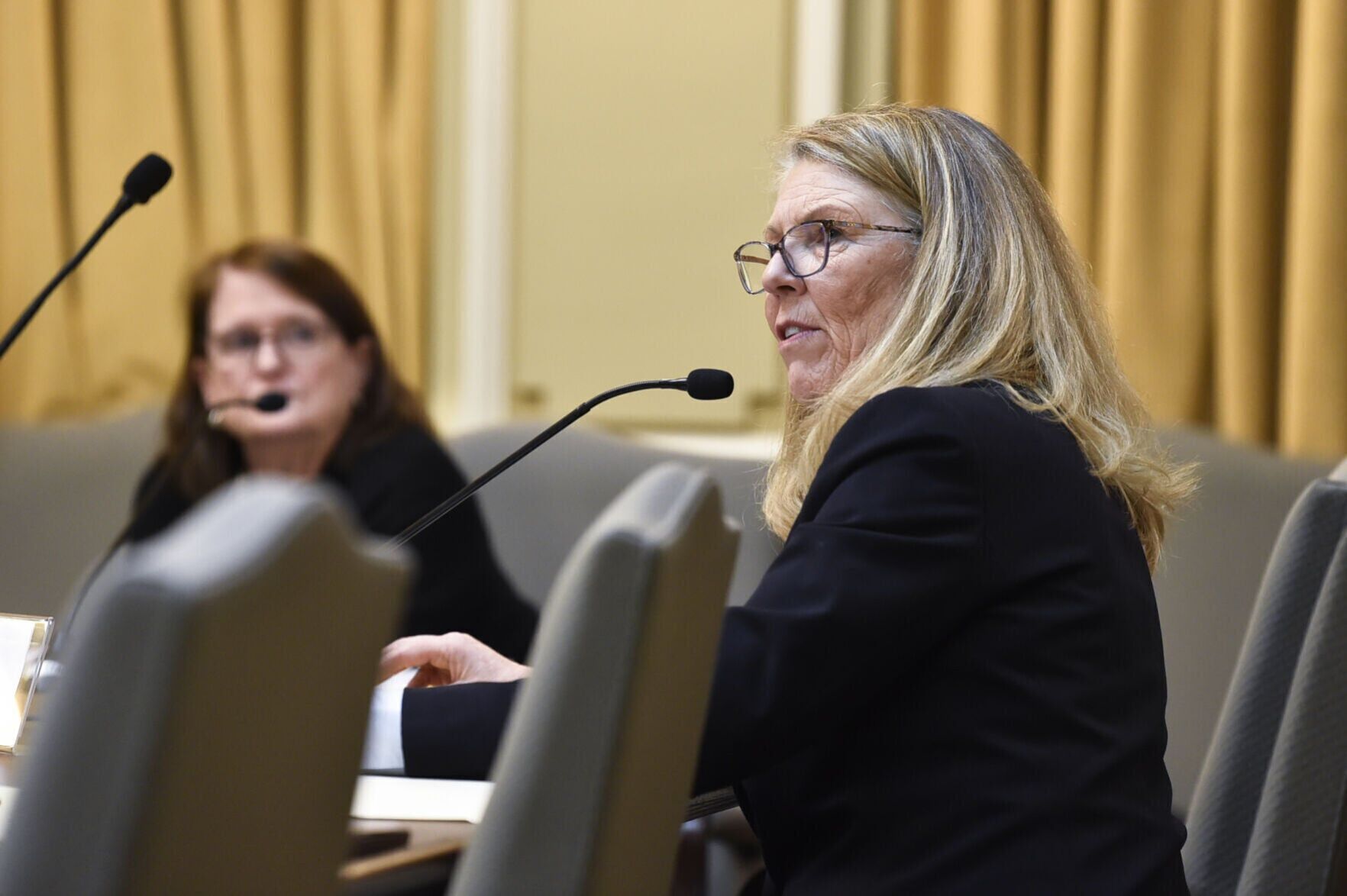
State Sen. Becky Beard, R-Elliston, expressed frustration at a legislative meeting last week about how certain homeowners in high-value residences are getting higher bills than their neighbors.
“The issue came up time and again about taxing the wealthy homes at a higher rate so we could shift from the low income or moderate income homeowners to the wealthy owners, and to me that's not a fairness in property taxation,” Beard said. “… They are being penalized for all that hard work over the years.”
Through the two highly-anticipated bills, lawmakers implemented a tiered rate structure in which the first $400,000 of a home’s market value is subject to a low rate, the portion between $400,00 and $1.5 million is subject to a middle rate, and any value above $1.5 million gets taxed at the highest rate. Previously, state law included two rates for primary residences, and most homes in Montana were subject to a lower singular rate.
In counties like Yellowstone, 95% of single family homes either saw a tax decrease or the taxes remained relatively flat. That trend is similar in other countries like Hill and Broadwater where that figure was 98% and 93%, respectively.
For a home in Yellowstone County, the median market value — or what the department calculates a property could sell for — is $326,000. While the property tax picture varies from neighborhood to neighborhood, a home at that price point will pay around $1,324 in property taxes this year compared to $2,480 had the laws not changed, according to state revenue department data.
The story is similar across most other counties in the state.
A median value home in Judith Basin County — roughly $213,000 — received an $865 tax cut. And in Gallatin County, where the pricey town of Bozeman is the county seat and the median home value is around $685,000, the reduction was roughly $1,420.
DJ Smith, a Missoula-based real estate broker and past president of the Montana Association of Realtors, explained that in years past, there was widespread community consternation over property tax costs. But this tax cycle, “we have not seen the same level of burden that we’ve seen in previous years," he said.
Residents with homes worth millions of dollars have seen the value of their home rise consistently over the past few years. Because the valuation of a home is key to a property tax bill, people pay more as their home values rise, even if they do not sell their homes at their increased valuation. That trend is often referred to as "unrealized gain," because the homeowners aren't pocketing the increases.
Multiple owners of these multi-million dollar homes told the Montana State News Bureau that while they can afford the increases, they’re frustrated to be taxed on “unrealized gain."
While some like Kuhlman are being pushed into a financial bind, these property tax laws are largely working as intended, save for one glaring mistake.
Multi-family dwellings, such as apartment buildings, typically have their own tax rate that is capped at a low number. But in the waning hours of the 2025 legislative session, as lawmakers were hard-charging to the finish line, a higher rate was incorrectly applied to multifamily dwellings by accident.
That new rate will increase property taxes for the largest and most expensive multi-family projects, which could in turn lead to higher rents.
However, the accidental rate applied to multifamily units is already set to change in 2026 under these new laws. In the 2026 next tax cycle, the tax system is set to change again, and much of the residential property tax burden will be shifted onto people's second homes and short-term rentals, with the goal of providing even more relief for primary homeowners and long-term rentals.
Smith has been heartened to see bills go down this year, but he is warning homeowners who reach out to him to “be cautious.”
“We don’t know what 2026 will bring,” he said.
The Montana State News Bureau wants to hear from you about your property taxes. Reach out to reporter Victoria Eavis at victoria.eavis@lee.net or (917) 484-1501



Comments ()