
MSU fraternities emphasize community involvement
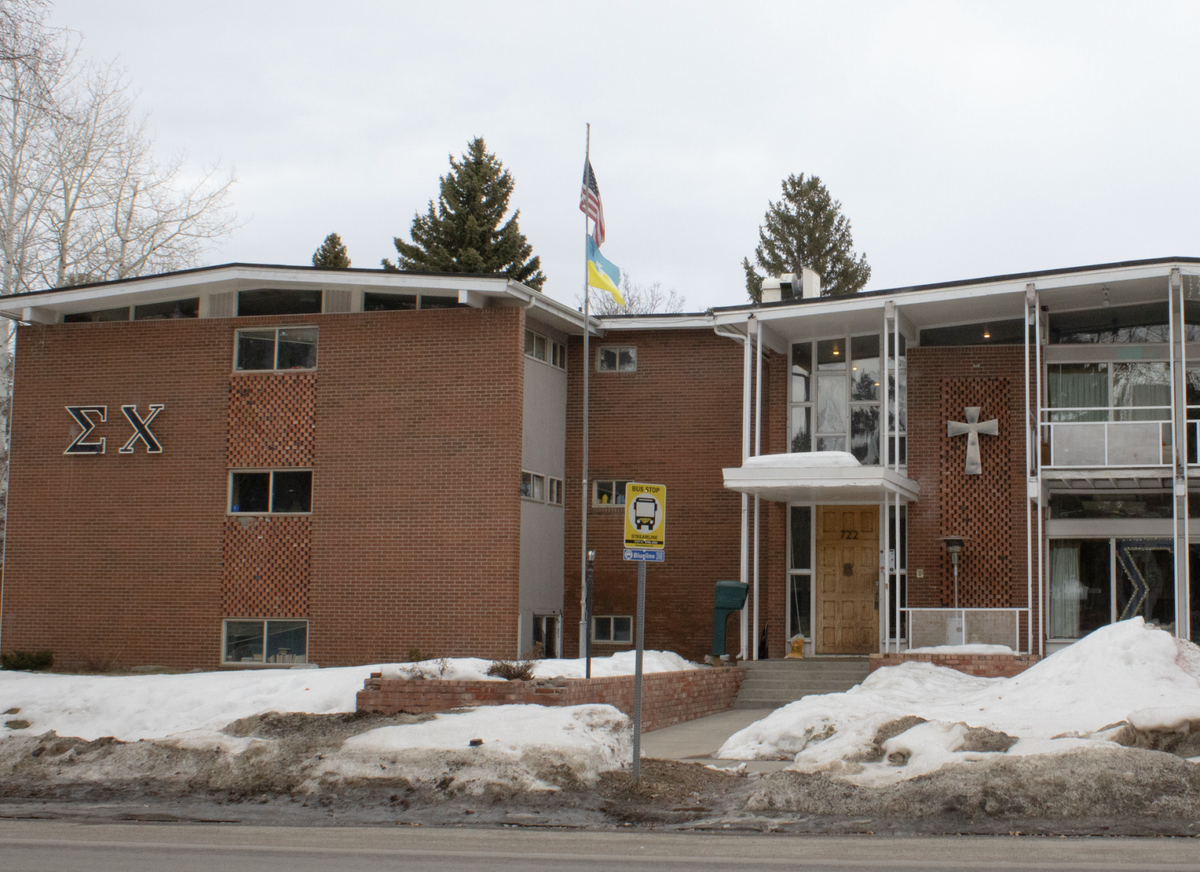
Last year, MSU fraternities raised $92,053 for nonprofits through philanthropy events and fundraisers, according to the Fraternity and Sorority Life (FSL) website. Fraternities are generally required by their national headquarters to participate in community service and fundraise for charities.
MSU is home to eight nationally recognized fraternity chapters. Each commit time, money and effort toward charities and fundraising, according to the FSL website. Fraternities also participate in community service, supporting both national and local causes, according to MSU’s Fraternity Life Advisor Amber King.
Although fraternities function as individual chapters, they are still expected to align their community service endeavors with those of their national headquarters, according to King. Chapters can choose local charities to support and plan unique fundraisers, provided they also raise money for their headquarters’ causes.
“In order to remain in good standing with the national fraternity, they are obligated to show that they are raising money or providing service hours,” said MSU Sorority Life Advisor Erin Macdonald.
For example, MSU’s chapter of Sigma Alpha Epsilon (SAE) raises money for Children’s Miracle Network (CMN) Hospitals, following their headquarters’ goals, according to SAE’s website. MSU’s SAE chapter also raises funds for Big Sky Bravery, a Belgrade-based nonprofit that supports active-duty special operations forces.
“Only one in ten people on campus are in Greek life, but we still achieve a lot,” said the Interfraternity Council (IFC) Vice President of Communications Braxon DiMaggio. According to him, part of the IFC’s work involves maintaining positive public relations and encouraging membership.
The IFC was established as a self-governing group comprised of representatives from different fraternities on campus. The IFC helps MSU’s Greek system achieve its goals of membership development and community service, according to its website.
In the 2024 fall semester, Sigma Alpha Epsilon (SAE) raised $35,000 for the Dylan Honnoll Scholarship fund and $500 for Big Sky Bravery, Sigma Chi raised $35,000 for the Huntsman institute, Sigma Phi Epsilon raised $1,073 for various causes, Pi Kappa Alpha raised $23,000 for charity initiatives and Alpha Gamma Rho raised $15,000 for Eagle Mount, according to an MSU IFC Instagram post dated Jan. 14.
Along with his role in the IFC, DiMaggio is also a member of Sigma Chi. “This year, we’ve already raised our chapter’s annual goal of $50,000 for the Huntsman Institute,” he said. The Huntsman Cancer Institute is a cancer research and treatment facility at the University of Utah.
Sigma Chi has hosted numerous fundraising events such as auctions, over-the-phone campaigns and fundraisers like “Shave it or Save it,” where benefactors could bid for or against fraternity brothers shaving their heads. “When you’re with really good guys who are your friends, it’s not really community service — it’s more like hanging out,” DiMaggio said.
MSU’s Alpha Sigma Phi chapter is raising money for their headquarter’s partners including the Rape, Abuse and Incest National Network, a national support organization. “We get a lot from the Bozeman area. In terms of raising money, I know we have attracted a ton of support,” said Alpha Sigma Phi Philanthropy Chair Travis Rogers.
Alpha Sigma Phi is the smallest fraternity on campus, with only 23 fully-initiated members. “I have definitely had communication with other philanthropy chairs in other fraternities about collaboration,” Rogers said. According to him, fraternity philanthropy chairs actively discuss how they can mutually benefit one another.
Going forward, King wants fraternities to focus on collaboration to strengthen their philanthropy. “I’d like to see them come together, and they’re inching their way there,” she said.
“[Philanthropy is] constantly evolving. New leadership in chapters and IFC bring new events, ideas, views and opinions,” Rogers said. “I think that philanthropy and giving back to charities are a big part of Greek life.”
DiMaggio added that, although stereotypes about Greek life persist, fraternities are ultimately bigger than just partying and drinking. “I think your average Greek-affiliated man is more involved than a non-affiliated man in terms of community service and philanthropy.”
Fraternities strive for a positive impact on the local community, according to King. “I know Sigma Chi has done events where they’ve held a barbecue and they’ve invited their neighbors over,” she said.
“We’re giving back to our community, and that benefits not just Greek life but the whole student body,” DiMaggio said.
To learn more about FSL at MSU, go to https://www.montana.edu/fslife/.




Comments ()