
MSU kicks off Native American Heritage month with indigenous land recovery talk
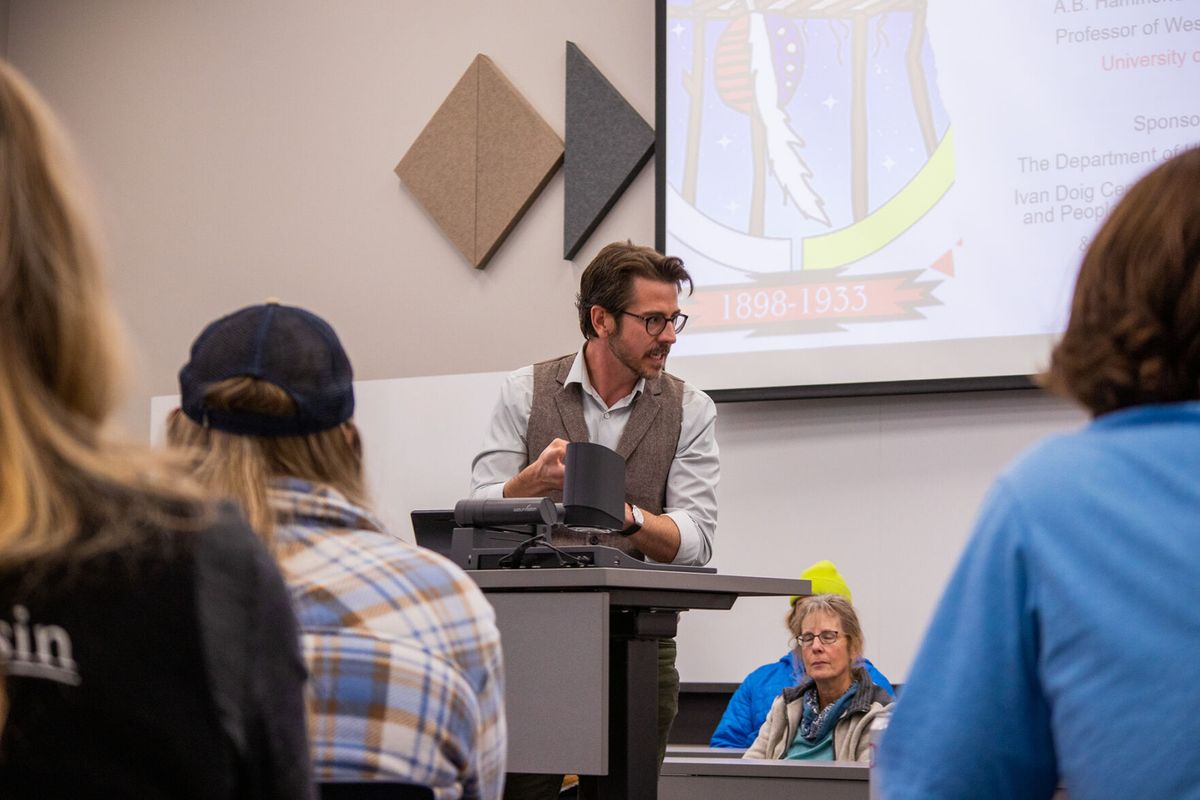
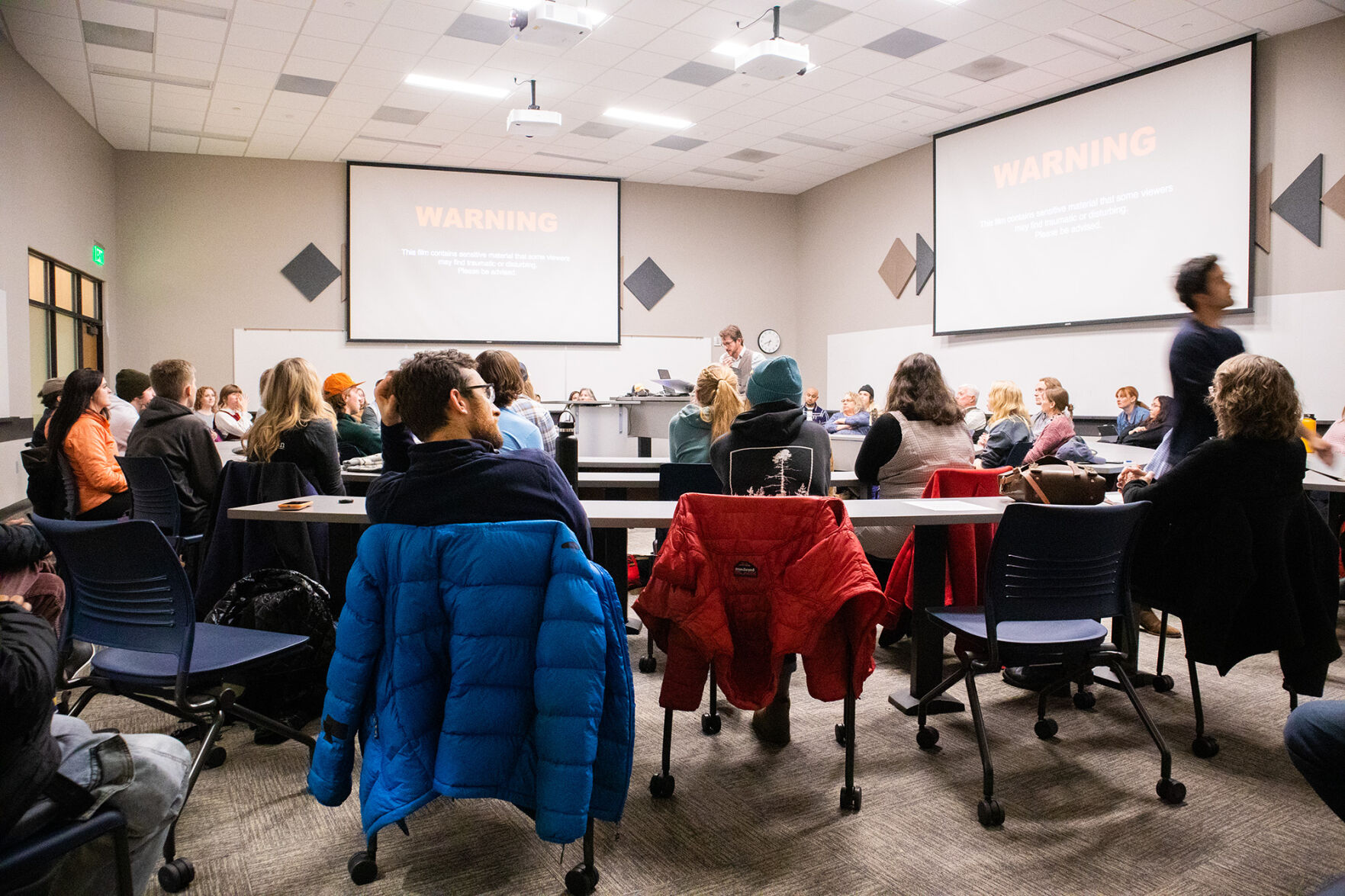
The American Indian Hall filled up last Thursday for a presentation from historian Eric Zimmer about the reclamation and recovery of Meskwaki Land and the Rapid City Indian Boarding School Lands Project.
The talk comes at the beginning of Native American Heritage month, a time to celebrate rich and diverse cultures, traditions, and histories and to acknowledge the important contributions of Native people.
Around 50 people gathered in the hall to listen to Zimmer speak. During the presentation, members of the audience were subject to various emotions: from joy and laughter to a somber remembrance of the children who passed away at the Rapid City Indian Boarding School.
“Walking into the speech, I had no idea what to expect,” said Margaret Thorpe, a member of the audience. “But as with all indigenous stories, the tenacity and perseverance inspired me.”
Zimmer is a historian from the Black Hills of South Dakota. He has spent six years as a senior historian at the consulting firm Vantage Point Historical Services, Inc., where he’s worked on various narrative, digital, oral and exhibit-based history projects for clients across the United States.
Zimmer is currently working on a book titled “Red Earth Nation: Reclamation and Recovery on Meskwaki Land.” The subject of this book, the reclamation and recovery of Meskwaki land, was a large part of the presentation.
Zimmer started the presentation by recognizing that the talk was taking place “on land, that was the homeland to a number of different native communities.”
Although land acknowledgments are sometimes criticized for being performative, Zimmer said, he thinks of them as “the foundational building block that non-native people can take to position ourselves and understand our role in the creation of these constructive conversations.”
Next, Zimmer dove into the history of the Meskwaki land settlement in Iowa. Originally purchased back from the federal government in 1857, the settlement has been steadily growing as the Meskwaki people work on regaining as much land as possible through purchasing land and soliciting donations, said Zimmer.
For this reason, Zimmer quoted Doug Kiel, a Native American Historian, who said that “Meskwaki history is Native American History in reverse.”
The second half of Zimmer's presentation was dedicated to The Rapid City Indian Boarding School Lands Project. The project is an indigenous-led community research and advocacy organization with three major goals.
The first goal is to build the first major, permanent, public memorial to the children who attended and died at Indigenous boarding schools in the United States. The second is reconciling outstanding land claims that transferred the former Rapid City Indian School land to non-native entities. And lastly, to build a sustainable indigenous community center to serve the Rapid City Native community.
The group has taken a massive step in accomplishing its first goal by “securing $2.25 million in funding for the memorial,” and securing a ground blessing to start construction of the memorial, Zimmer said.
The funding has come from Grants, The Mellon Foundation, and Monument Lab — a Philadelphia-based nonprofit group committed to rethinking how stories from history are told.
Zimmer ended his presentation by mentioning the benefit of publicly engaging in community work: “You get people from all walks of life who share stories, leads, and items which have helped the program expand,” he said.


Comments ()