
MSU proposes fee increases, seeks ASMSU support ahead of Board of Regents vote
MSU is seeking supporting resolutions from the Associated Students of MSU (ASMSU) for a series of student fee increase proposals, including increases to on-campus housing rates, mandatory University fees and new transportation costs. University officials say these proposed increases are prompted by inflation and ongoing infrastructural needs.
Per the Board of Regents (BOR) — a group of seven individuals appointed by the state governor to oversee the Montana University System — proposed student fee increases over two percent of the current dollar amount require a formal resolution from ASMSU that indicates either support or opposition. According to ASMSU President Jacob Zink, fees are reviewed at the end of every budget biennium to see if they still meet the needs of each program.
While the BOR does not have to adhere to ASMSU recommendations, student voice still factors into the final decisions regarding fee requests, according to Zink. “Once the resolution is passed [by ASMSU,] it is then shared with the [BOR] who are very cognizant of student opinion regarding fees,” he said.
One proposed student fee increase would raise the University’s room and board rates by five percent annually over the next two years. This would bring the standard cost of a double-occupancy room and a seven-day meal plan from $6,145 per semester to $6,452 in fiscal year 2026 and $6,775 in fiscal year 2027, said MSU Associate Vice President of University Budgets and Financial Services Megan Lasso.
According to a presentation put on by University administration in the ASMSU Senate on Feb. 6, the proposed increase would help cover wages, supplies, utilities and deferred maintenance.
During the presentation, Lasso said that the University’s room and board rates remain in the lower 50 percent compared to peer institutions. According to Zink, this additional revenue would support ongoing campus maintenance. At a recent vote, the Residence Hall Association also unanimously endorsed the change.
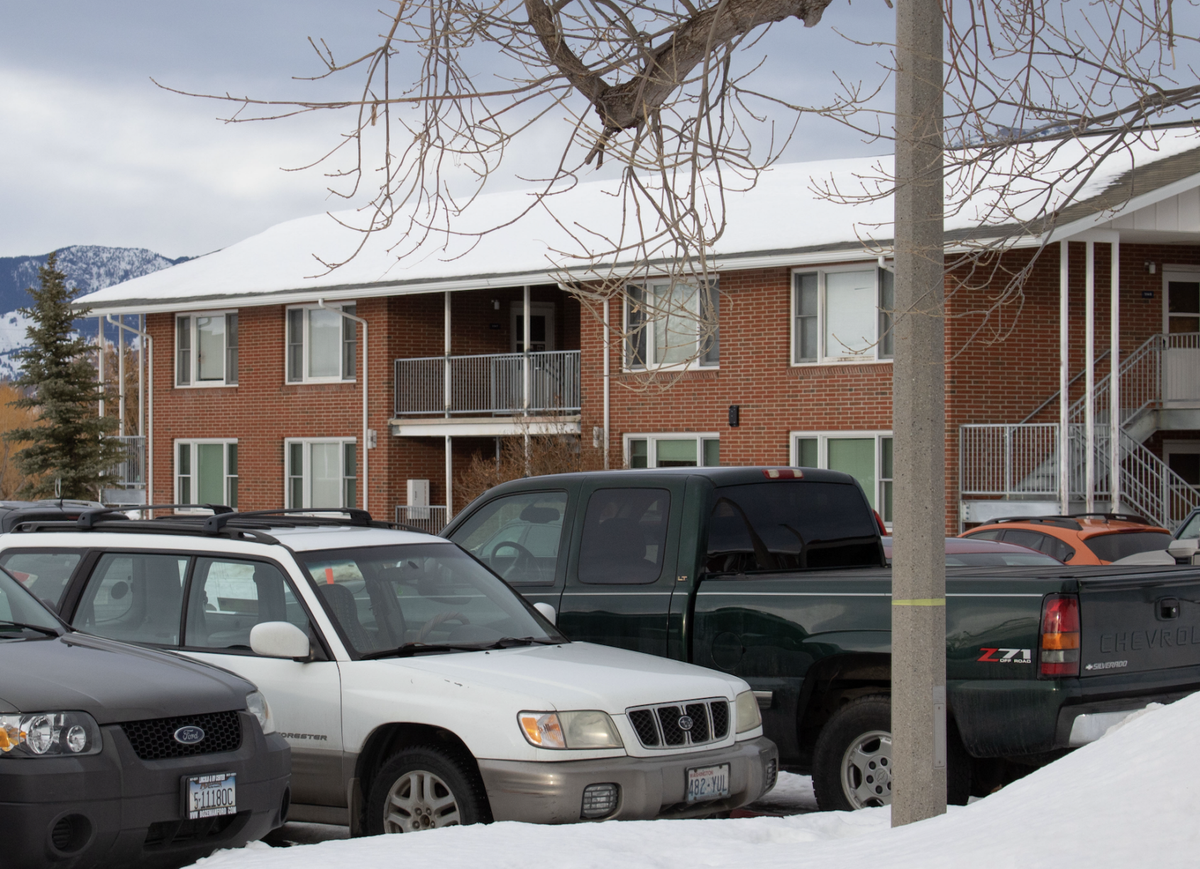
Parking costs are also slated for a 5.31 percent annual increase if approved by the BOR. This would increase the Bobcat and Fox lot permits to $285, the Moose lot permit to $160 and the Bison lot permit to $375 annually. According to Zink, the only source of funding for parking-related projects is through permits and ticket fines. “The only way to improve staffing, infrastructure, etcetera is to increase rates,” he said.
Additionally, the proposed increase to MSU’s “Transportation Fee” — formerly called the “Bus Fee” — would help fund both the Streamline bus — a program of the Human Resource Development Council that operates four bus lines in Bozeman — and the on-campus shuttle, CatTracks. If approved, that fee could rise from $10.61 per semester to $12.71 in FY 2026 and $14.86 in FY 2027, according to the presentation on Feb. 6.
“The Transportation Fee exclusively goes toward the operations of Streamline and, pending approval of the increase, will go toward supporting the campus shuttle as well,” Zink said.
Zink said ASMSU senators will draft, debate and vote on all proposed resolutions by March 6. The BOR will then consider all fee proposals during a meeting on March 13. A final vote on the proposals is scheduled for May 21 to 22 in Great Falls.
To find out more about ASMSU’s legislative processes, head to https://www.montana.edu/asmsu/legislative/index.html.


Comments ()