
MSU Sleep Lab recruits participants
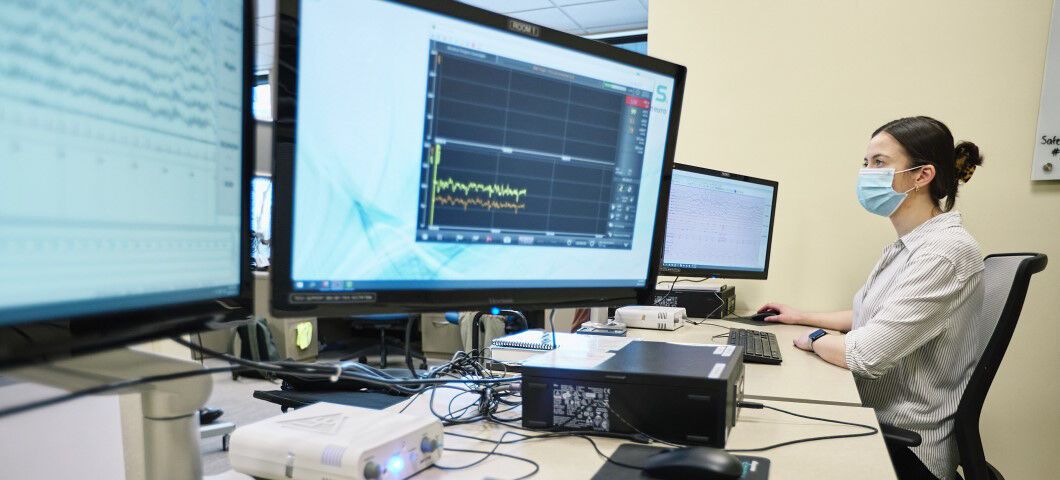
MSU’s Sleep Research Laboratory is actively recruiting adults to participate in one of its four ongoing studies examining factors that may impact sleep. The lab has a setup that mimics the design of clinical laboratories at the American Academy of Sleep Medicine, allowing “the testing that we do to be on par with what you'd see in the clinic,” Jeremy Bigalke, psychological sciencesPh.D. candidate, said.
Bigalke started his graduate degree at MSU in 2019. Since then, his research has focused on sleep and autonomic physiology — the regulation of involuntary body functions such as heartbeat, blood flow, breathing and digestion. “We spend about a third of our lives sleeping, but we still know so little about it,” Bigalke said. “[Sleep] is a wide-open field and we have this awesome opportunity to explore and see how it intersects with different facets of physiology and health…It is a newer area of research, but we're lucky to be on the first upswing of it.”
One current study being conducted by the lab is examining how one night of binge alcohol consumption affects overnight sleep quality, blood pressure patterns and the activity of the nervous system the following morning. Another study is focused on chronic insomnia and is testing a pharmaceutical medication to see how it impacts sleep and cardiovascular regulation. A third study is examining the impacts of social stress on the nervous system’s regulation of blood pressure. The final study is focused on determining if strategically timed and quiet sound can improve the quality of sleep during a 90-minute nap. “All of these studies are actively recruiting into the summer and likely into next fall at the very least,” Bigalke said. “We're still trying to recruit a large sample size so we can really make sure that the findings that we have are robust.”
For those who feel they don’t have the time to participate in a sleep study, but want to improve sleeping habits, Bigalke suggested focusing on sleep hygiene, like “winding down before bed, staying off your phone, not drinking caffeine in the afternoon.”
While sleep can be challenging for college students to come by, Bigalke encouraged getting as much sleep as possible. “I think for a lot of people when you have time constraints, or you've got exams and things like that, the first thing that is sacrificed is sleep,” Bigalke said. “In reality, that's probably the most detrimental thing you could actually do to yourself in those situations because sleep is so important in cognition, stress regulation and all these other different facets that you need on a day-to-day basis.”
Participants in the studies receive compensation (differing amounts based on the study) and sleep reports from the researchers so the participants can learn about their own sleep. To find out more about these studies and participant eligibility visit https://www.montana.edu/hhd/sleepresearchlab/projects.html or email sleepstudy@montana.edu.


Comments ()