
New plan to rein in campaign cash in Montana's elections draws attention — and skepticism
A group of Montana political leaders on Wednesday launched what’s being called a “first-in-the-nation” ballot initiative campaign to keep corporate and secret donor money out of the state's political campaigns by using a “breakthrough” legal strategy, but outside experts are skeptical.
The initiative, nicknamed “The Montana Plan” and backed by a new organization called the Transparent Election Initiative, seeks to undo a landmark U.S. Supreme Court decision, Citizens United v. Federal Election Commission. That decision, colloquially referred to as Citizens United, ostensibly allowed for unlimited political spending from wealthy individuals, corporations and unions. It led to the uptick in “dark money” in politics, as it allows organizations that do not have to disclose their donors to dole out political donations. The justices in the majority found that corporations have a First Amendment right to political speech.
Candidates of all political stripes benefit from dark money and corporate spending, and people across the political spectrum are also dissatisfied with the 2010 Citizens United decision. Its detractors say it increased the price tag of running an election, helped give those with deep pockets outsized influence in politics and opened the door to secretive donors that erode transparency in politics. From the 2008 to the 2012 presidential election — the two elections on either side of the landmark decision — there was a 594% increase in independent expenditures, which went from $144 million to $1 billion.
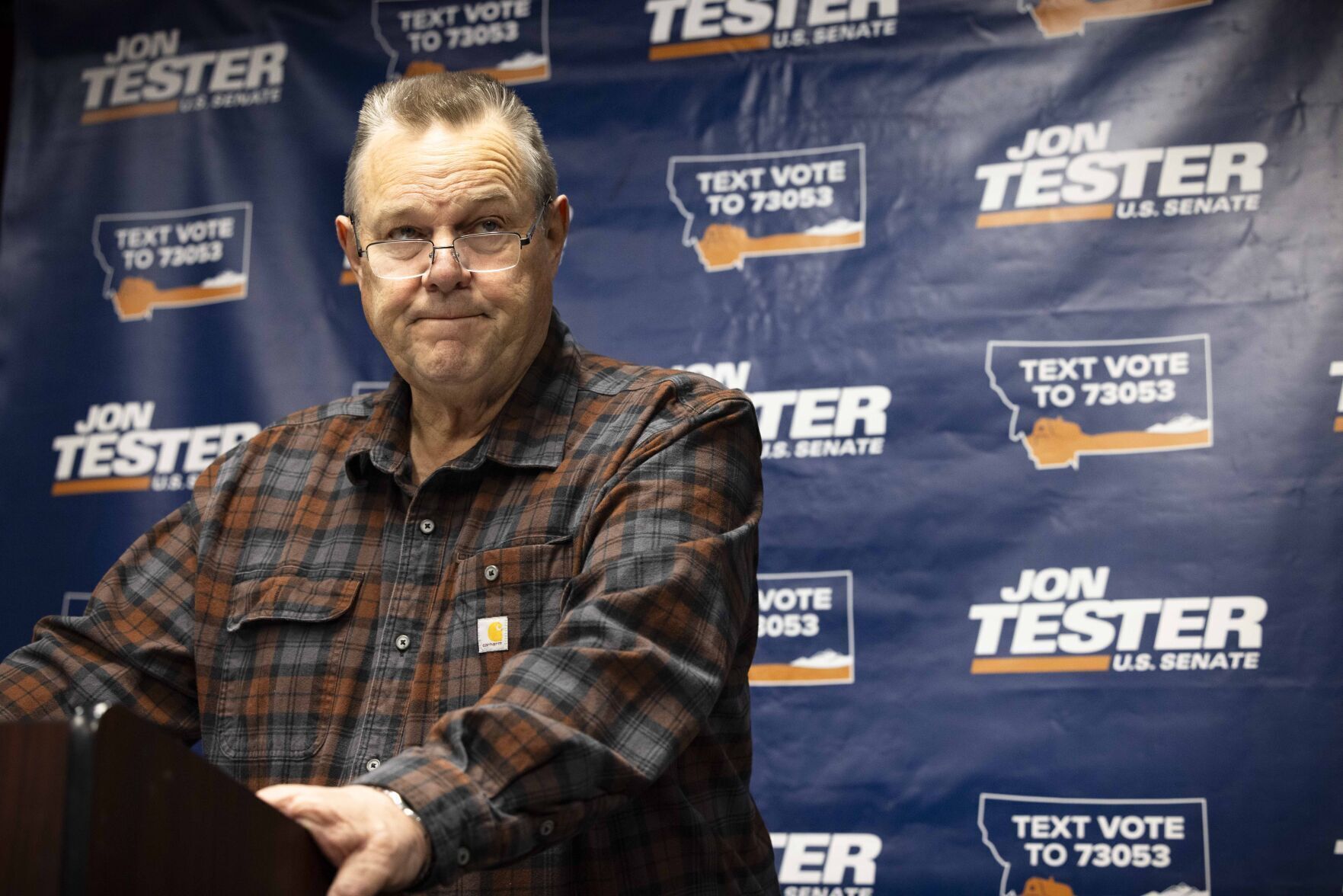
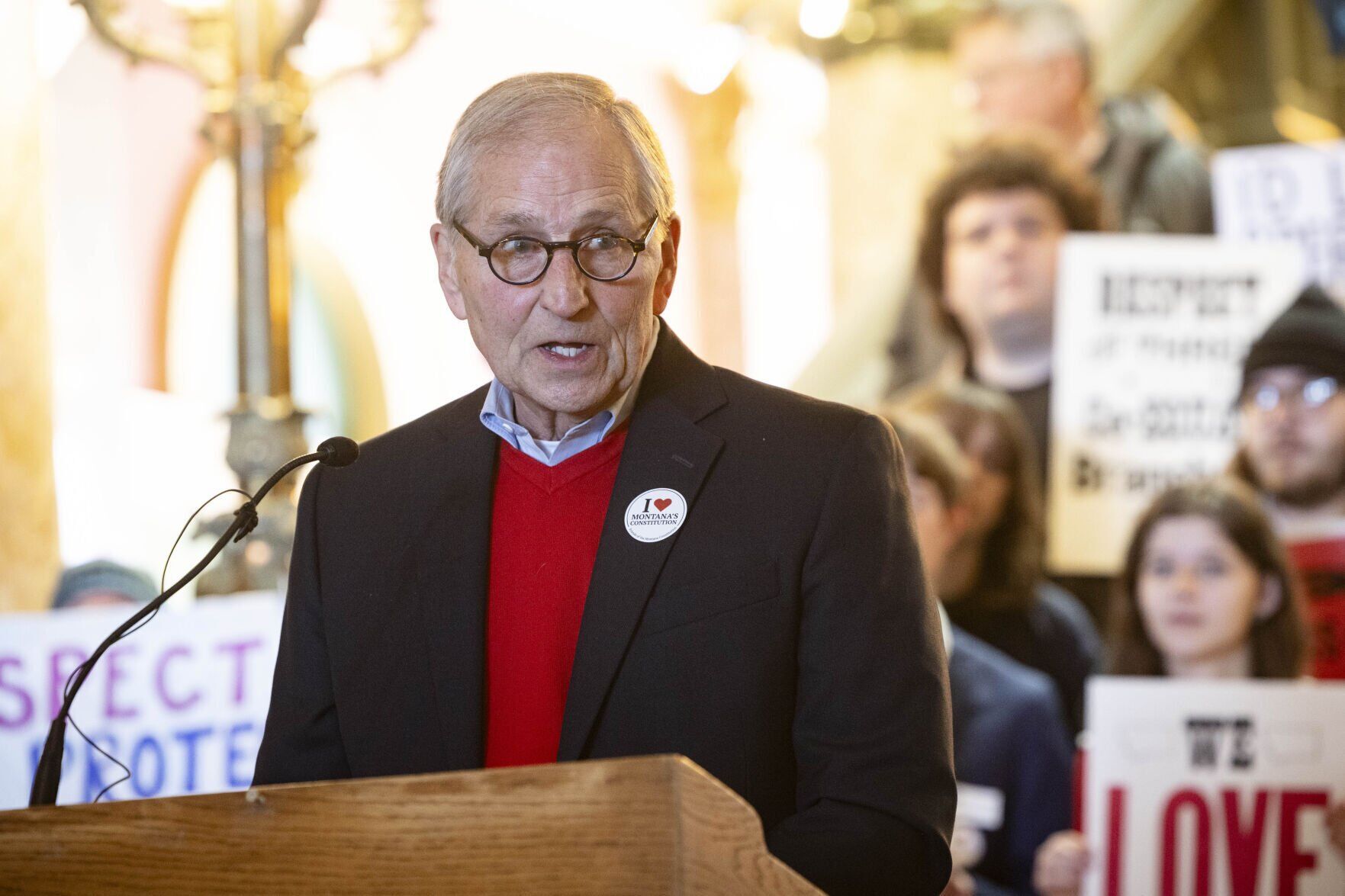
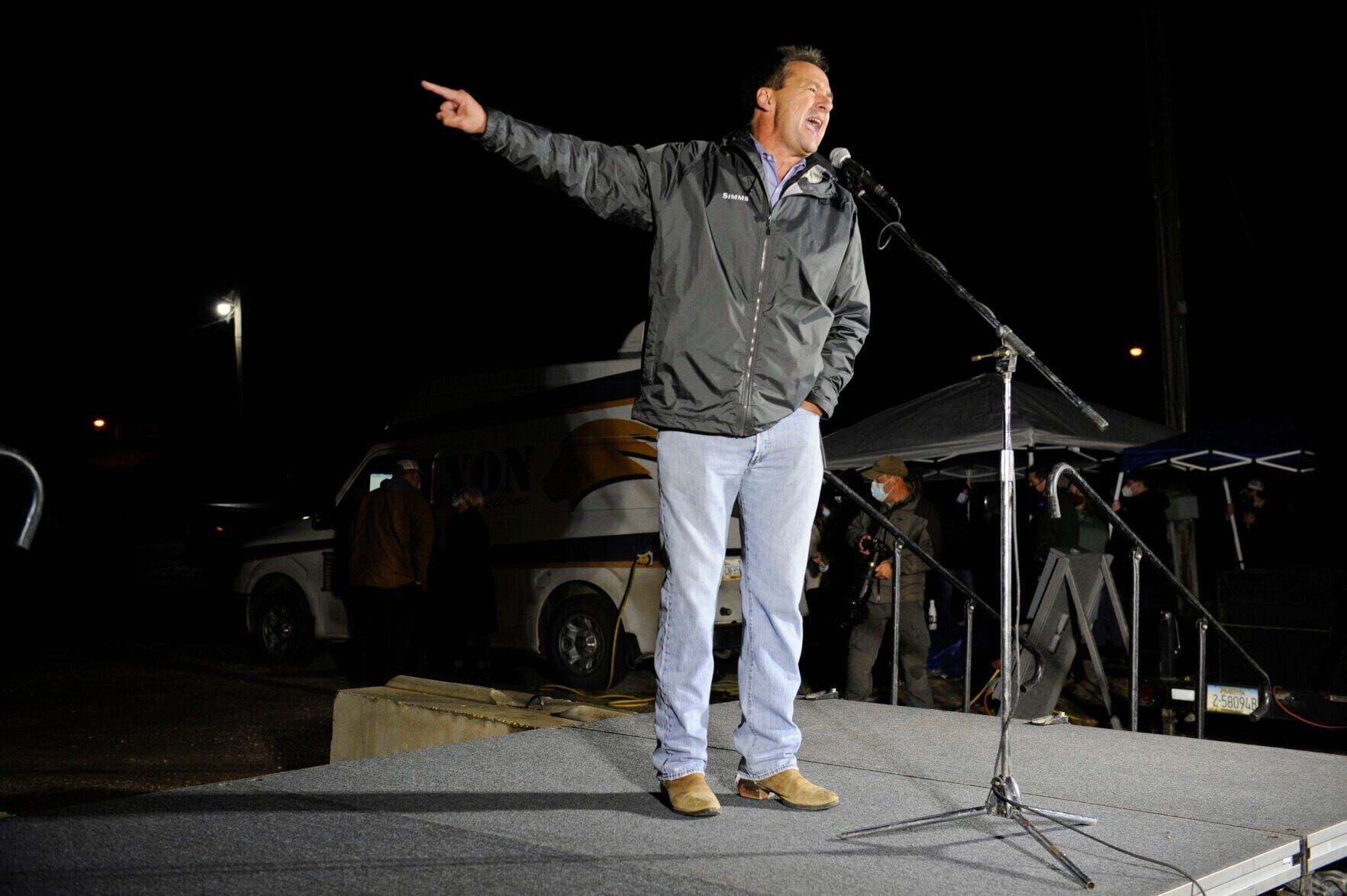
Montana’s former Commissioner of Political Practices Jeff Mangan is leading the effort. He was joined by former Democratic U.S. Sen. Jon Tester and former Republican Gov. Marc Racicot on a Zoom call Wednesday to unveil the initiative.
The Transparent Election Initiative is seeking to insert language into the state’s constitution that would bar corporations from spending money on elections in Montana, which they say would also kneecap the ability for dark money to exist here.
“In a nutshell, The Montana Plan undoes Citizens United,” a press release from the group said.
If the language makes it onto the ballot next year and voters pass it, it will likely be challenged in court (Montana has already been to the U.S. Supreme Court over a Citizens United-related case involving a Copper Kings-era law).
Mangan and Racicot argued that states have the authority to define corporations, and that this change to the constitution would not directly regulate corporate speech, but instead limit the corporations’ power to spend in politics.
“States have the right to give and take away powers from corporations,” Mangan said Wednesday. "We haven't tried this approach. Why? Who knows. … Quite honestly, I had the same thought. Why hasn’t anybody done this or thought about this before? I think we just got complacent.”
“I'm almost thunderstruck that it hasn't been discovered before,” Racicot added.
But Jeff Clements, a major advocate of overturning Citizens United who is also in favor of the Montana Plan, reined in that idea. While the Montana Plan would help, he said, he also pointed out that billionaires would still be able to spend huge sums of money, another feature of the Citizens United decision.
“Does this solve the Citizens United problem? No, no,” Clements said when reached by phone. “It's an overstatement to say it undoes the Citizens United problem or that it makes Citizens United irrelevant.”
Other experts, one who is in favor of the controversial 2010 decision and another who is vehemently opposed to it, also expressed skepticism of the Montana Plan’s ability to prevail in court.
“The argument that you can do this against a corporation isn't very serious,” said Brad Smith, chairman of the Institute for Free Speech and a former commissioner for the Federal Election Commission who believes the Citizens United decision was correct.
“So, there's a lot of wishful thinking going on here. What it all comes down to is this: the state cannot condition a benefit (in this case, the right to incorporate) on citizens giving up their constitutional rights,” he wrote in an email.
Rick Hasen, a UCLA law professor, said that he’s “skeptical of the legal strategy behind this maneuver, given the incredible skepticism of the Supreme Court about the constitutionality of regulating corporate political spending.”
Hasen, an election law expert, is not in favor of the Citizens United decision and believes the Supreme Court should allow for limits on money in politics.
“Even though there are ways of trying to distinguish Citizens United’s holding, the current supermajority of Republican-appointed conservative and libertarian justices on the Supreme Court seem unlikely to bite,” he said.
In response to the skepticism, Mangan reinforced the idea that this approach looks at a different section of law than has been litigated in the past and therefore “bypasses” Citizens United, adding that he is confident they will be successful with the team they have in place if it goes to court.
Montana has long been a leader in the nationwide effort to push back against the Citizens United decision. One of the first cases challenging the case after the court's decision originated in Montana and made it to the U.S. Supreme Court more than a decade ago.
Then-Democratic Attorney General Steve Bullock, who is also now supporting the Transparent Election Initiative, was party to that case.
Following Citizens United, the Montana Supreme Court reinstated a Copper Kings-era law that barred corporations from making independent expenditures in campaigns. The law, passed more than a century ago, was put into code to push back against rampant political corruption in the state by the owners of copper mining companies, known as the Copper Kings.
At the U.S. Supreme Court, the majority ruled that the move violated the Citizens United decision and that political speech was protected no matter the source.
US Supreme Court blocks MT’s ban on corporate election spending
Tester and others on Wednesday pointed out that Montanans have historically not been in favor of limitless political spending. Following the Supreme Court loss in 2012, Montanans overwhelmingly voted in favor of a ballot statement that urged the state’s elected officials to push back against the Citizens United decision.
Mangan said the Transparent Election Initiative is currently all volunteer-based and that Tester and Racicot are not currently employed by the group. To get the initiative on the ballot is no small task: The group will have to collect tens of thousands of signatures from across the state in the lead-up to the 2026 election, an effort that cost last year’s ballot initiative groups huge sums of money.
“There is a political benefit in pushing such a measure and in galvanizing public support against the Supreme Court’s damaging approach to issues of money in politics,” Hasen said of The Montana Plan. “Passing such a measure and having the Court strike it down is a way of reminding the public that the Supreme Court is the entity standing in the way of achieving a fair balance between robust political competition and not allowing the ultra-wealthy to have disproportionate political power in society.”



Comments ()