
Not so fast: Groups warn of downsides to potential data centers in Butte
Citizen and environmental watchdogs are waving caution flags about proposed data centers in Butte, saying they consume massive amounts of water and electricity and could lead to much higher power bills for residents.
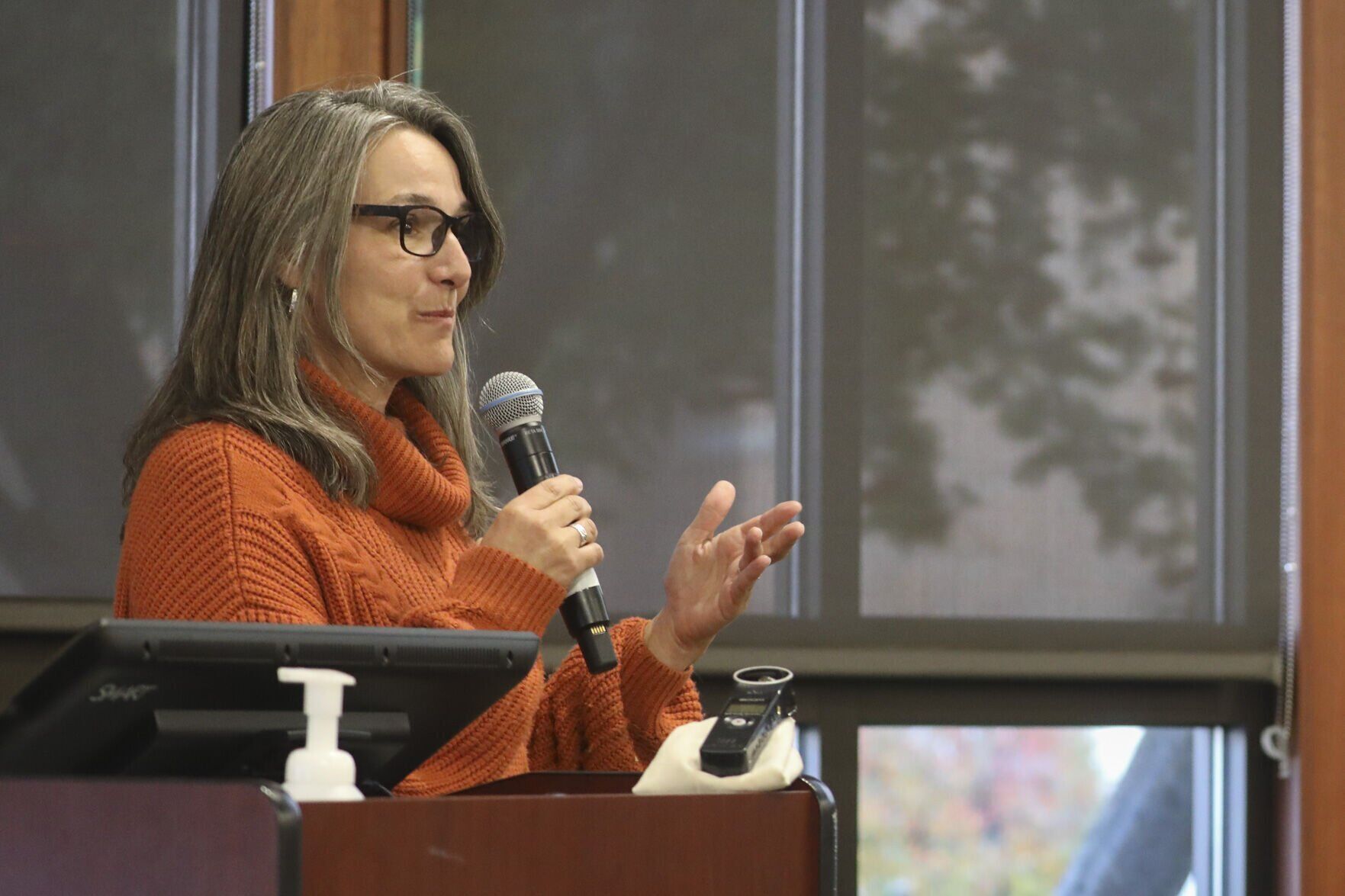
“A lot of people have already heard the data center side — that they’re great for the economy, they’re great for jobs, they’re great for everybody and everything,” Anne Hedges, executive director of the Montana Environmental Information Center, told about 70 people at a forum on the issue in Butte Thursday night. “But a lot of other places in the nation have been experiencing something very different.”
She and other panelists raised numerous concerns and potential problems, including increased energy demand, cost-shifting to existing power customers, lack of post-construction jobs, water usage, noise and others.
They pointed to possible data centers in Butte-Silver Bow and suggested that local and state officials slow the approval process, vet proposals thoroughly and transparently and insist on regulations and safeguards.
They also encouraged Butte residents to learn about data centers, ask questions about them and get engaged on the issue and approval process.
“There are different ways that communities are protecting themselves from the fast pressure of data centers coming in,” said Sarah Borduin, an activist and citizen organizer in Butte. She cited 180-day moratoriums as an example.
“Learning from other communities, there is certainly more money pushing data centers than there is money protecting residents and citizens,” Borduin said.
The two-hour forum was held in the Copper Lounge at Montana Technological University and was titled “Beyond the Boom: Protecting Butte from New and Old Resource Pressures.”
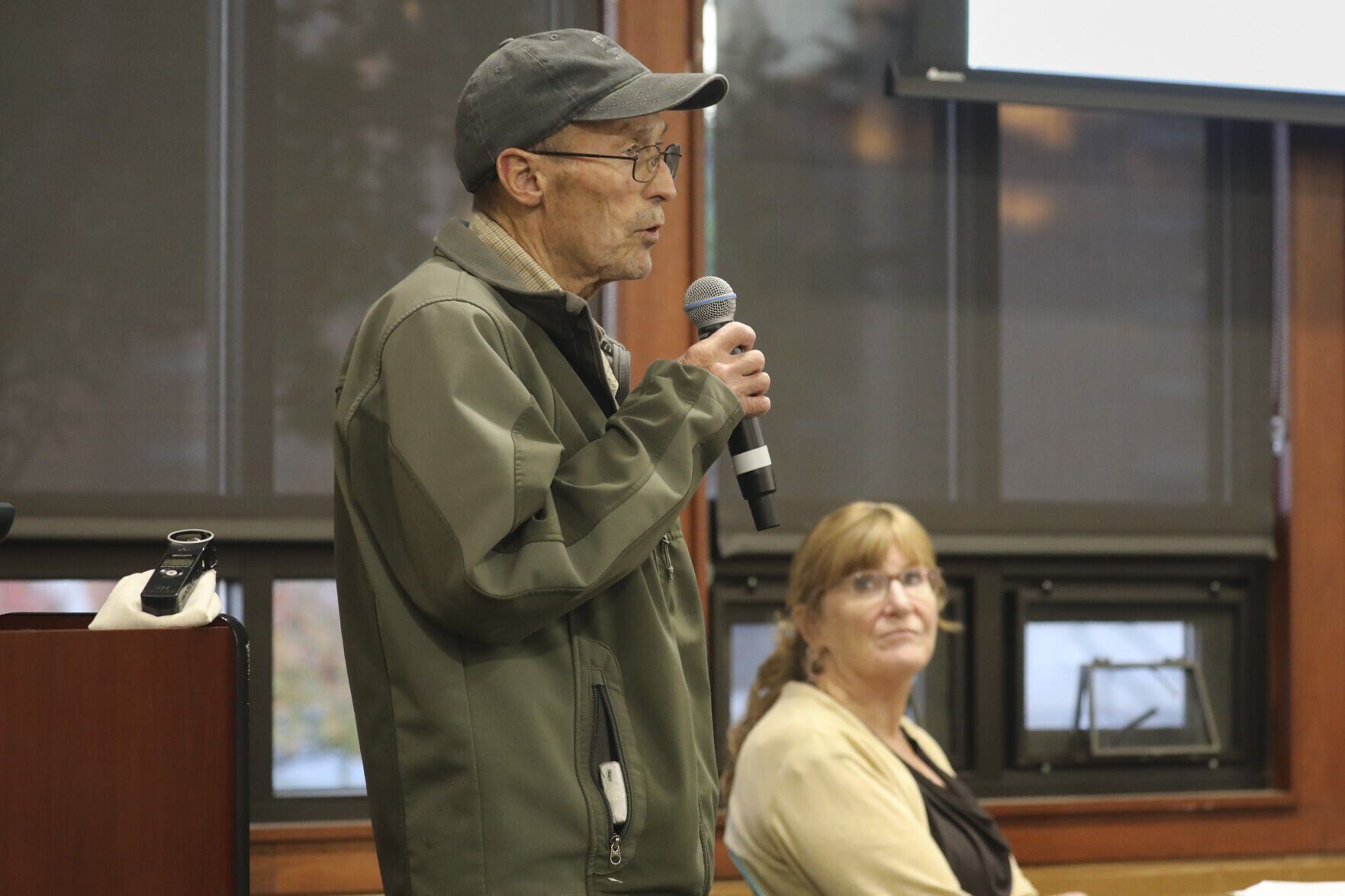
Other panelists were Erik Nylund, a board member of Butte Watchdogs who also moderated the event, and Steve McGrath, who was on a committee that fought successfully for reducing mine dust in the Greeley Neighborhood area of Butte.
Data centers are typically sprawling facilities that house computer systems and infrastructure such as servers and networking equipment used to store and process data. The fast growth of AI is driving much of their demand.
Northwestern Energy has signed letters of intent to supply 400 megawatts combined, by the year 2030, to Butte-based Atlas Power and Sabey, a company based in Tukwila, Washington, for possible data centers in or near Butte.
Butte-Silver Bow commissioners agreed in April to sell 606 acres in the county’s industrial park to Sabey and the council agreed Wednesday night to extend the closing date on Sabey’s land purchase to Feb. 11.
J.P. Gallagher, Butte-Silver Bow’s chief executive, has been bullish about data centers and recently toured a Sabey data center in Quincy, Washington.
He told commissioners a Sabey center could draw other companies as tenants, employ technicians, computer programmers, electricians and others, and swell the local tax base with new money for schools and parks, among other things.
Gallagher also had an opinion column published this week in The Montana Standard that touched on data centers, saying they “are not just part of the future — they are the business of now.”
But speakers at Thursday’s forum said data centers also come with major downsides, huge energy demands among them.
Hedges said NorthWestern Energy’s existing customers in Montana use 750 to 760 megawatts of electricity per year. Proposed data centers in Montana would need 3,000 megawatts by themselves, she said, and without regulatory safeguards, rates for residential customers could spike.
“The richest men in America generally are building these data centers and they don’t need us to subsidize their power,” Hedges said. “They can afford to pay the power bill themselves.”
Borduin said local governments should insist on water-use estimates, noise studies and fire-response plans, and the Montana Legislature should establish regulations to protect residents from financial risks associated with data centers.
Nylund said data centers are run by corporations and they exist to maximize returns for shareholders.
“These aren’t bad people,” he said. “They’re trying to make money. Government’s job is to put sideboards on that. Our job is to give input to our government, if we can.”
Panelists noted that Sabey had private discussions with Butte-Silver Bow officials for nine months, but most citizens only learned about it five days before commissioners were asked to OK the land deal, which they did.
McGrath spoke to forum attendees to “give a little bit of encouragement that a dedicated and unrelenting community effort can bring positive results.”
McGrath said he lived in the Greeley Neighborhood for many years and there were concerns about constant mine dust and that it was harmful.
It took several years of neighborhood meetings, pleas for commissioners to do something, talks with environment regulators and finally a Mine Dust Steering Committee established by Montana Resources itself to seriously analyze the dust and take action.
McGrath and technical experts were on the committee and among other things, the effort led MR to install equipment at the mine that contained mine dust when trucks unloaded their rock and ore.
“I really want to commend Montana Resources for being a responsible neighbor,” he said, and the overall effort was a reminder that citizen involvement can eventually pay off.



Comments ()