
'Once-in-a-generation' bill worth $900 million intensifies divisions at MT Legislature
A bill worth more than $900 million that has been in the works for four years is swiftly moving through the Montana Legislature in its final days.
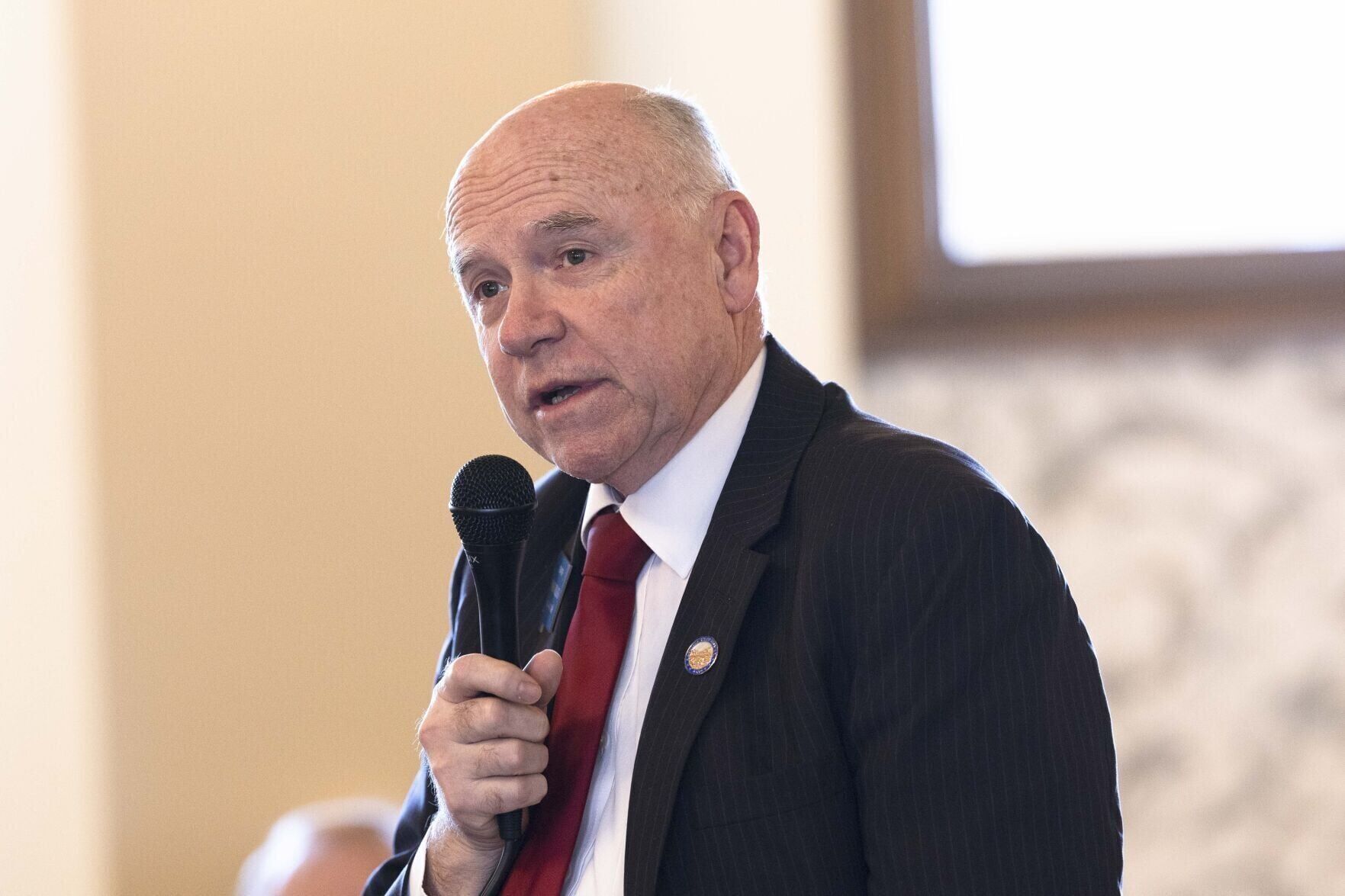
House Bill 924, sponsored by longtime legislator and the chief engineer of the state’s budget, Rep. Llew Jones, R-Conrad, establishes a trust fund unique to anything under current Montana law.
Jones told the Montana State News Bureau he has been working on something like this for roughly 15 years, but conversations started in earnest about it four years ago.
There’s a reason this proposal is being introduced this session, its backers explained: Montana has been in good financial shape in recent years, seeing surpluses in the state coffers largely because of increased income tax collections and pandemic-era federal allocations.
The proponents of the bill, including most Democrats and moderate Republicans, say it's meant to seize this financial moment by investing extra cash in order to sustain the state’s priorities for years to come.
“I’m the king of reserves,” Jones said in an interview.
Senate Minority Leader Pat Flowers, D-Belgrade, called it “a once-in-a-generation opportunity.”
But not everyone is on board with the philosophy. The legislation has stoked pre-existing tension among legislators and has angered hardline Republicans who believe that extra dollars should be returned to Montanans much sooner than the trust fund will start paying dividends.
“Whose money is this? It's the folks that we’ve been taxing way too much,” said Sen. Mark Noland, R-Bigfork. “We just heard our minority leader say they want to think ahead. Well, our folks are just trying to think now: ‘Can we get through? Can we survive? Can we make it to the next day? Can we make it to the next year?’”
If the bill becomes law, it will establish a trust fund unlike anything Montana currently has on the books, and the gravity of the proposal has stoked the flames of the deep divisions among legislators that have defined the 2025 legislative session.
This trust fund has three main components: Large cash infusions for pensions; low-interest loans for affordable housing developers and veterans who are first-time homebuyers; and the projects side of the bill, which consists of money for child care, property tax relief, local government bridge needs and water storage projects.
Jones handpicked the causes that would receive the money based on the issues he’s heard about time-and-time again in his nearly two decades at the Legislature, also acknowledging the deal-making required for the bill to be successful.
The trust receives hundreds of millions of dollars upfront, which includes seed money for the four projects in the first few years. Over the next few years, those projects are also sustained by the interest the fund accrues and a portion of the state’s “volatile revenue,” which consists of pots like capital gains tax collections. The executive branch also has the ability to cut those volatile revenue transfers off if the state is facing a budget deficit. As the bill is currently written, the trust is meant to be funded solely by its own interest earnings in perpetuity.
As it was first written, the bill would have cost more than $1 billion, largely from the state’s general fund — which can be thought of as the state’s checking account — over the next four years, a figure unpalatable for many lawmakers. That was cut down this week to $921 million in general fund money by 2029. Much of the money would be allocated this year, including $20 million for property tax relief, $10 million for child care and $250 million for the pensions fund.
This bill is the most expensive currently in play, as it is responsible for the largest withdrawal from the general fund this session. It is awaiting a final vote in the Senate before it can be transmitted back to the House.
Child care gaps
Despite bipartisan action last session to increase subsidies to help low-income families afford child care, providers and parents alike came to Helena this year saying they still needed much more help.
HB 924 would send $10 million to the specific child care fund as seed money, but not all of that can be spent right off the bat. The account’s interest could then go toward a wide variety of initiatives to bolster child care, such as workforce development, scholarships, start-up grants and more.
The bill would create a seven-member board to dole out the assistance. Members would be appointed by the governor’s office, but would include representatives from key state agencies and early childhood organizations.
Ultimately, even bill supporters acknowledge the dollars that would flow from this fund into child care resources won’t solve the problem on its own. But, they say, it’s an important part of the puzzle because it commits ongoing resources to a pressing problem even if the state’s relatively cushy financial landscape changes.
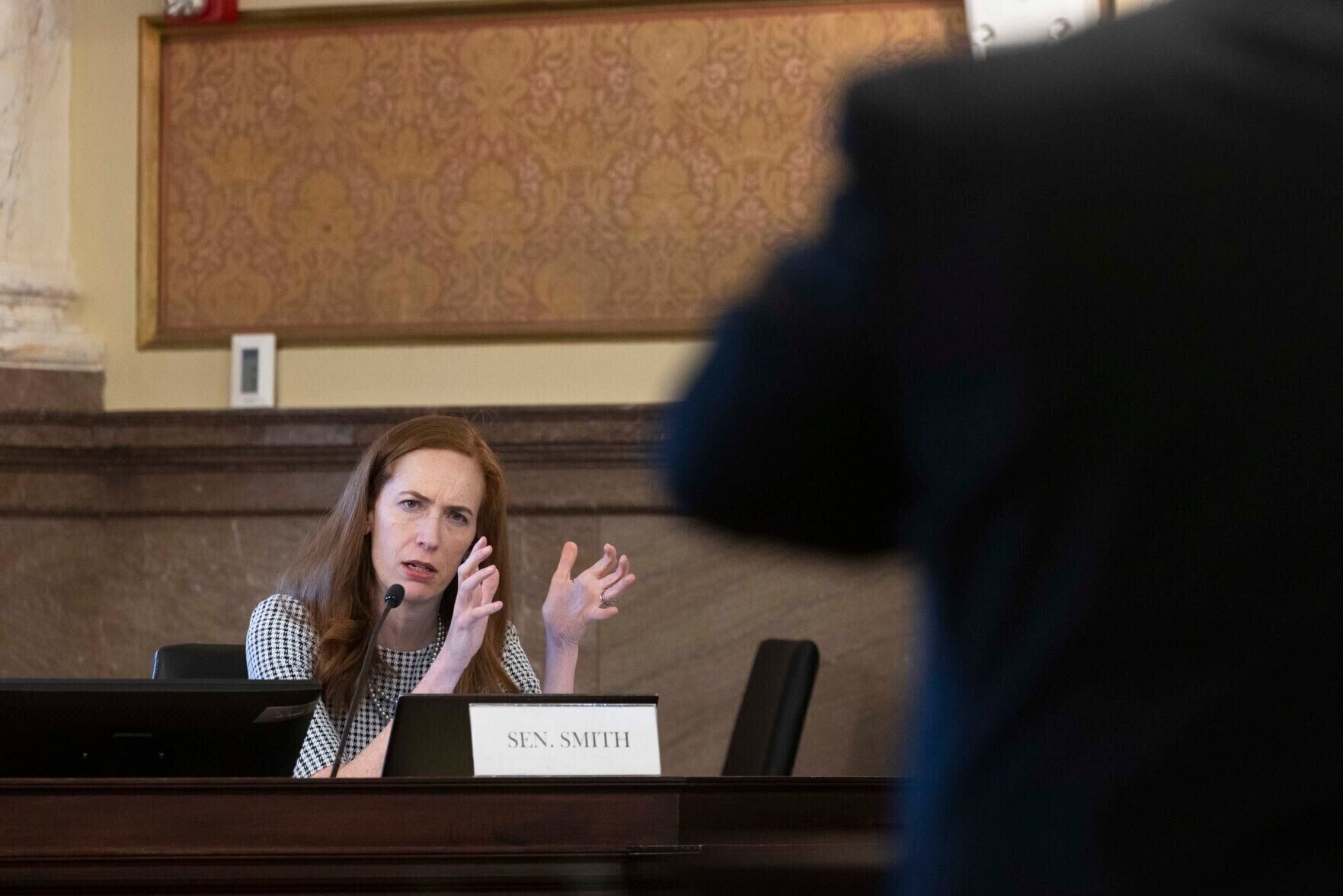
Language for what’s called the “early childhood account” is lifted almost verbatim from Helena Democratic Sen. Laura Smith’s Senate Bill 565, which would have created a standalone trust fund for child care and infused $150 million upfront, far greater than the current version of the omnibus proposal, which chopped that number to $10 million.
Jones acknowledged that part of getting a bill this big across the finish line is making deals with legislators whose votes he needs to support it, which is why there are shadows of other bills and priorities interwoven throughout HB 924.
“That’s the name of the game up here,” Jones said. “Because if you’re looking at a trust that meets the priority of Montana, you have to achieve 51 votes in the House, 26 votes in the Senate and something the governor might consider signing.”
Property tax relief
The trust also seeks to administer property tax rebates for certain primary residences in perpetuity.
After Montanans’ property tax bills spiked in recent years and put many in a financial bind, property tax relief has dominated the conversation this legislative session and has been repeatedly referenced as the body’s top priority.
The rebates will likely not be administered until around 2030, however. Unlike the other projects funded by the trust, the property tax relief bucket can only be tapped once it reaches $50 million, and according to projections by the Legislative Fiscal Division, that will not happen for a number of years.
“A Nobel prize winning economist once stated that, ‘Eventually in the future we are all dead,’” Sen. John Fuller, R-Kalispell, said on the Senate floor. “The people of Montana need relief now. They need property tax relief now. They need income tax relief now. This is a bad bill.”
Two major property tax relief proposals currently working its way through the legislative process provides for one-time $400 rebates that would be sent out this year.
Illuminating divisions
Though he’s in the House, Jones has at times played a hand in guiding the faction of nine Senate Republicans who are allied with all Senate Democrats. His sponsorship of HB 924 has intensified the anger from hardline Republican senators who have unexpectedly found themselves in the minority.
During a contentious floor debate Tuesday, the GOP senators in the de-facto minority peppered Sen. Josh Kassmier, a Fort Benton Republican who carried the bill in the Senate, with questions about the measure’s mechanics.
They were repeatedly left frustrated when Kassmier, a Jones ally and one of the unofficial ringleaders of the group of nine Republicans who are backing HB 924, wouldn’t answer with specificity, and they lamented the “stuff[ing] away” of taxpayer dollars.
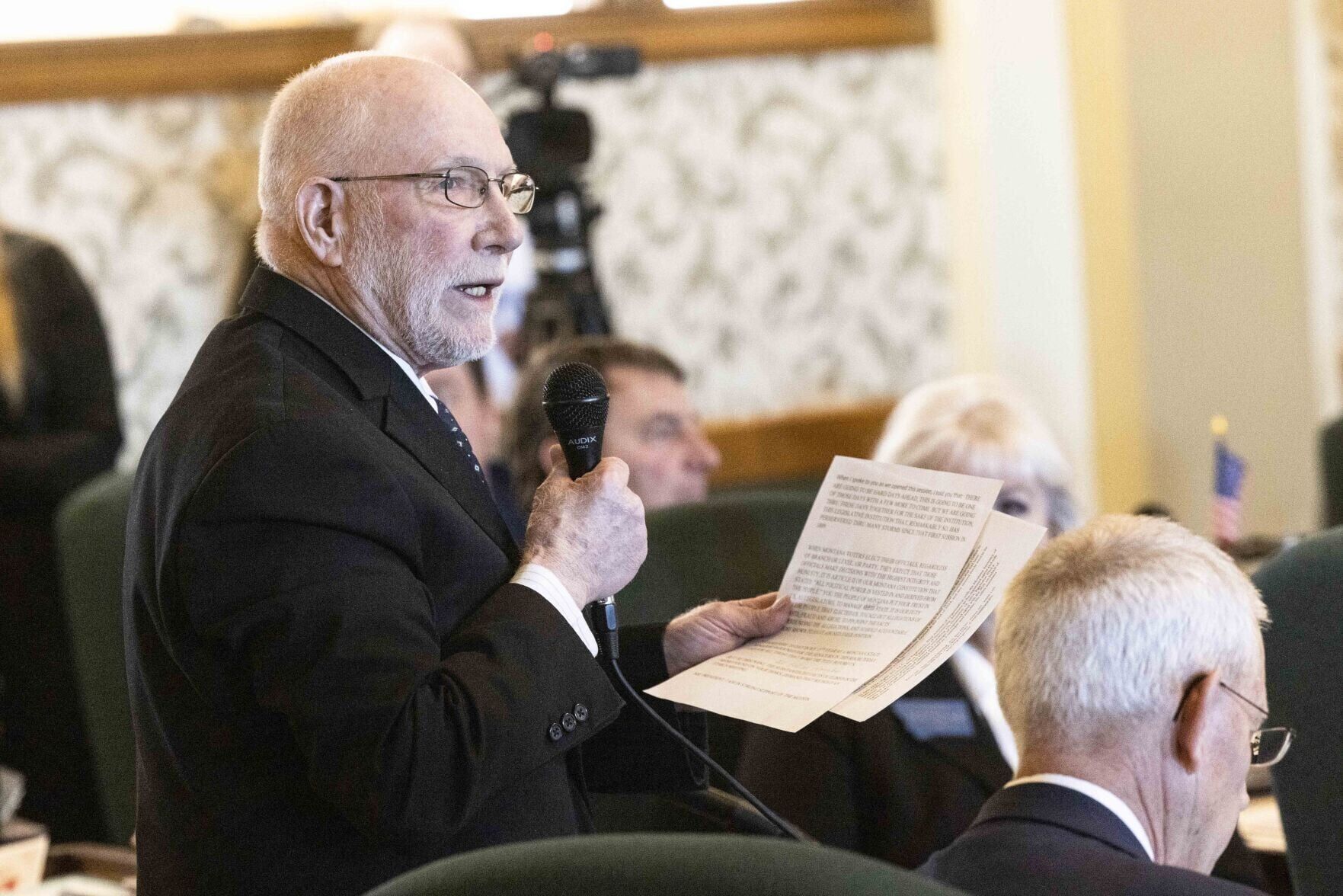
Sen. John Esp, a Big Timber Republican and the longest-serving senator in the chamber, said the Senate’s process had been disrespected, in part because a bill of this size is being “rammed” through in the final days of the session. There could have been time to fine-tune the particulars and get more people on board with the investment, he argued.
Instead, Esp and the 22 other Republican senators were left out of the negotiations.
“This is my rubber stamp for 924,” Esp said, holding up a stamp that had the letters “B” and “S.”
Tuesday’s lengthy back-and-forth was also rife with reference to Jones’ outsize role in crafting this legislation and therefore the state’s financial future.
One senator said HB 924 was basically half-a-billion-dollars in “pet projects” for Jones. Another suggested it was a way to solidify his legacy.
In an interview with the Montana State News Bureau, Jones rebuffed that sentiment.
“It would be cool if this Legislature was the foundation of the Growth and Opportunity Trust that grew up to be something special. But the special? I’ll be long dead,” he said.
“I like being a demon in people’s minds,” Jones added.
HB 924 supporters likened its approach to the way a family would plan its own finances — spend where you need to, but save some for later. They said it’s the version of playing the long game for Montana.
“The best thing for an old man to do is plant an acorn and hope for a tree that they’ll never sit under,” Jones said.




Comments ()