Panelists in Gallatin Gateway discussion push back on data centers
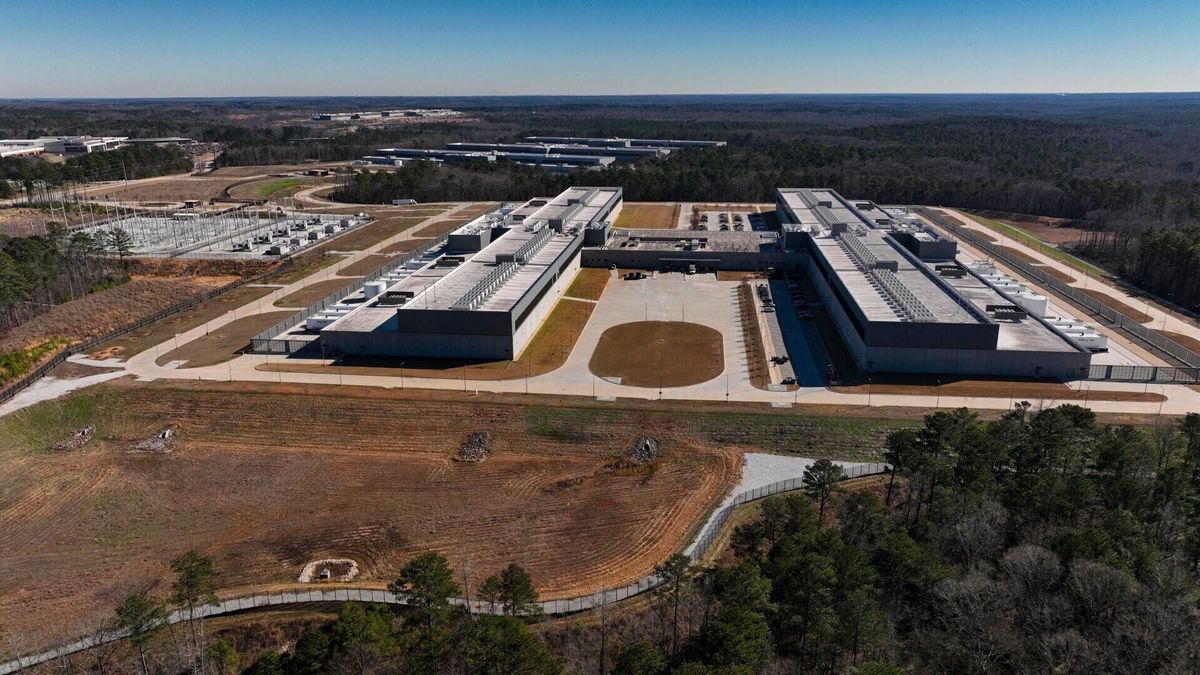
Thousands of data centers across the country are powering the artificial intelligence systems that have become a part of our daily lives, and Montana is no stranger to this development.
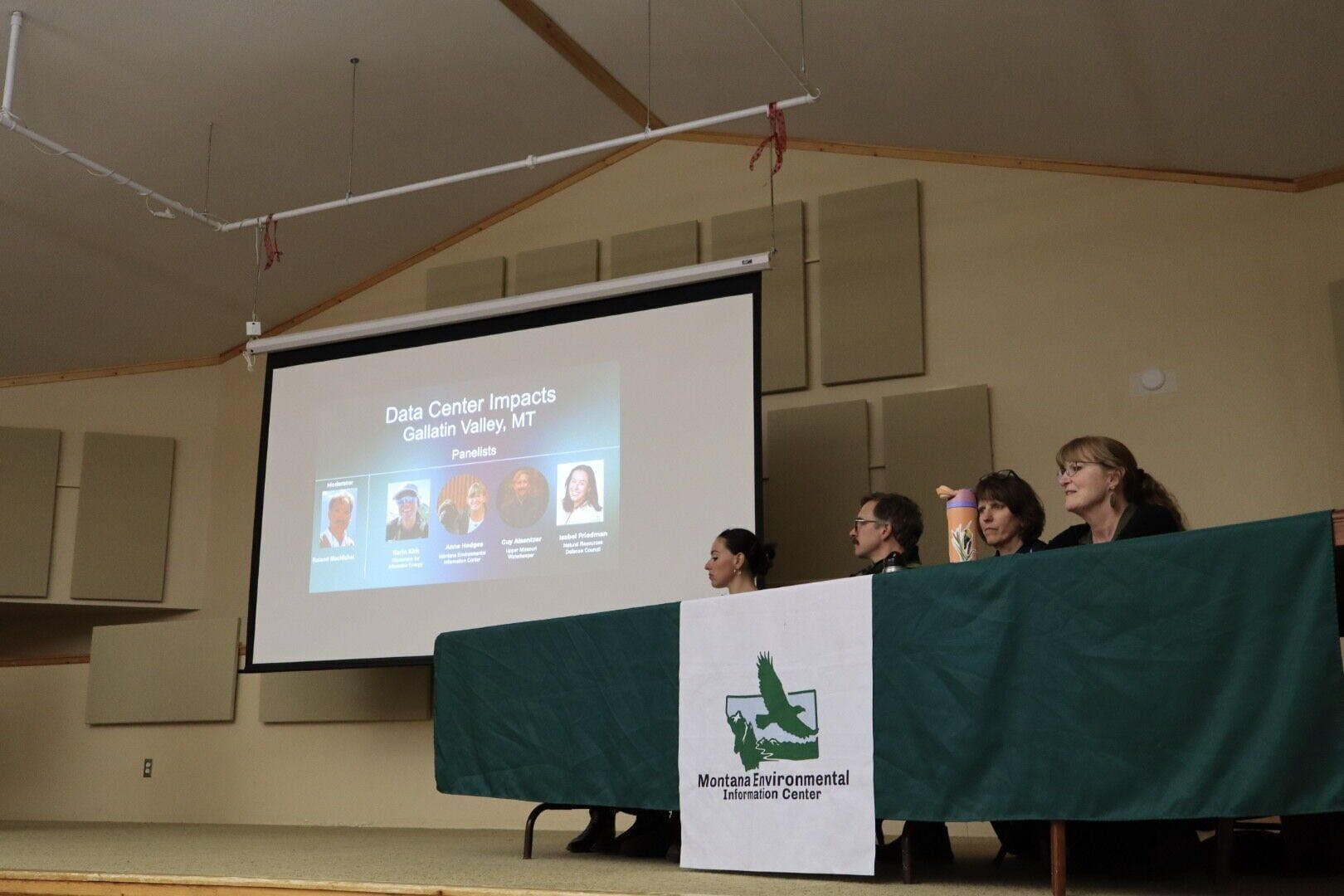
About 50 people came to the Gallatin Gateway Community Center for a panel discussion on Monday night to hear about data centers in Montana. The discussion was a joint effort with representatives from the Montana Environmental Information Center, Upper Missouri Waterkeeper, Montanans for Affordable Energy and Natural Resources Defense Council.
Each audience member was given a notecard to write down questions to be answered at the end. About 10 questions were asked of the panelists.
The panelists’ main points were simple: Data centers are a threat to our environment, and we need to put a stop to them.
Karin Kirk from Montanans for Affordable Energy explained that energy costs are increasing because of these data centers.
“AI is gluttonous when it comes to energy use,” she said.
Our energy use as a nation was steady for about 20 years and then started ramping up over the past several years because of data centers and their effect on the power grid. Residential electricity costs have increased 10% since 2022.
Kirk also brought up NorthWestern Energy and the letters of intent it has signed with several proposed data centers in Montana: Sabey Data Centers in Butte, Atlas Power data center in Butte, Quantica Infrastructure in Yellowstone County and Krambu east of Missoula. These data centers would be using more than 100 megawatts of power with Quantica using up to 1,000 megawatts.
The scale at which these centers are being built is “unprecedented”, according to Isabel Friedman of NRDC.
NorthWestern Energy has sent out press releases urging customers not to worry about electricity costs.
“Look at what NorthWestern Energy is doing, not what they say they’re going to do,” Kirk said.
Anne Hedges of MEIC showed a graph indicating that electricity rates have gone up 87% since July 2009.
She said NorthWestern Energy demand would explode with new data centers. But Northwestern Energy only provided heavily redacted documents to MEIC when it comes to these deals with data centers.
“We will not let this stand without a fight,” Hedges said.
Another problem associated with these data centers is increased water consumption, opponents said.
Data centers are “thirsty beyond belief,” according to Guy Alzentser of Upper Missouri Waterkeeper.
These data centers are roughly the size of a football field and require a high volume of water to keep thousands and thousands of computers cool. The supply chain and the energy needed to power these data centers also require a lot of water.
And Alzentser said believes there’s just not enough water in this state to support that.
“Water is our gold,” he said.
Regulations are in place to help protect the environment, but legislators must be willing to uphold them, Alzentser said.
“If we don’t enforce the rules, they don’t work,” he said.
Studies show data centers also increase air pollution. Both Yellowstone and Rosebud counties have been designated “Nonattainment” for the Clean Air Act’s National Ambient Air Quality Standards (NAAQS).
NorthWestern will be using a power plant in Colstrip to supply energy to local data centers, including the Quantico Infrastructure data center in Yellowstone County.
Other impacts include noise and light pollution, and electronic waste, panelists said. The computers in these centers are replaced every two to five years and the chemicals include PFAs or “forever chemicals.”
At the end of the panel discussion, the panelists encouraged attendees to contact Montana’s Public Service Commission, the Gallatin County Commission, and the Broadwater County Commission.



Comments ()